
Tiny Home Weekly is NZ’s source for prefab housing news, guides & insights.

LIFESTYLE | MODERN LIVING
Last updated: 13 February 2026
When “Consentable” Doesn’t Mean What Most Buyers Think
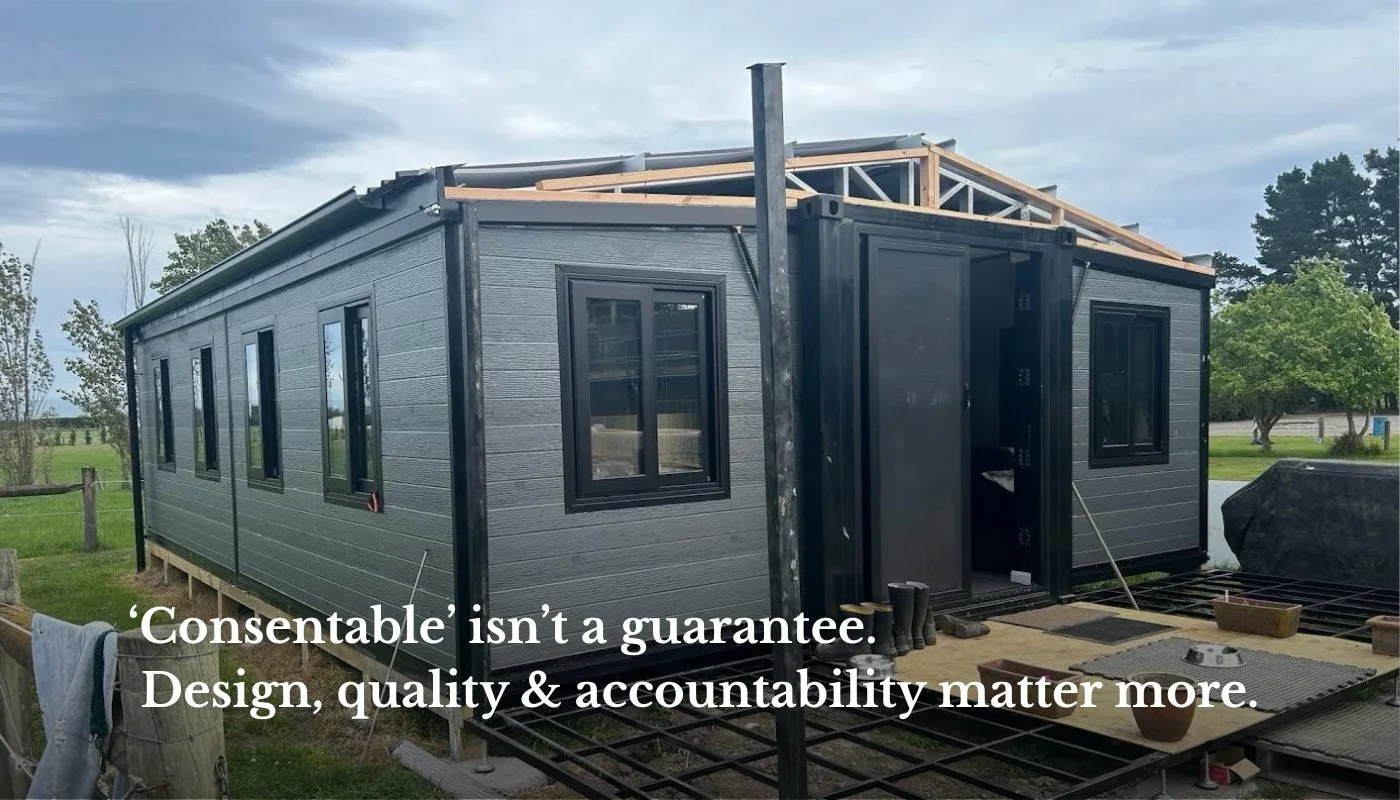
You should never skimp on a place you plan on living — even if it’s “temporary.”
As tiny homes and expandable homes continue to grow in popularity across New Zealand, one word has started appearing more and more in marketing material:
“Consentable.”
At face value, it sounds reassuring.
It implies fewer hurdles, simpler council processes, and an easier path to getting something livable on your land.
But in reality, this word is often misunderstood — and in some cases, used far more loosely than buyers realise.
For anyone planning to live in an expandable or tiny home long-term, that misunderstanding can become an expensive lesson.
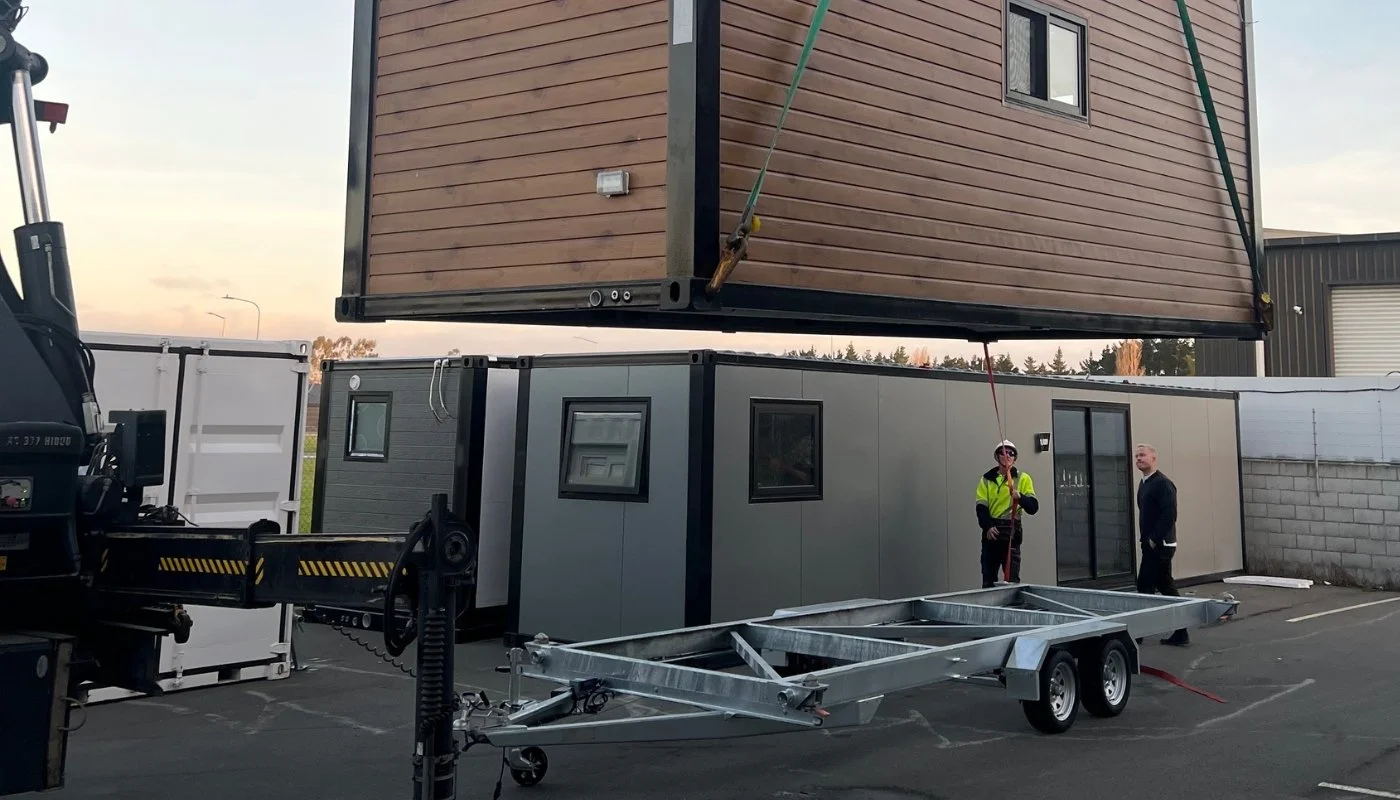
“Some Kiwis choose to put their tiny home on trailers to help classify their units as portable.”
1. Easier Rules Don’t Automatically Mean Better Homes
There’s no question that proposed and upcoming changes to building and planning rules may make it easier to add small standalone dwellings in certain situations.
That’s a good thing.
However, what often gets lost in the excitement is this important distinction:
Changes to consent pathways do not replace good design, sound materials, or NZ-appropriate construction.
Even where exemptions or simplified processes apply:
The New Zealand Building Code still applies
Electrical and plumbing standards still matter
Moisture control, insulation, durability and structure are still critical
Site conditions still influence outcomes
Councils still assess risk on a case-by-case basis
“Consentable” is not a blanket approval — and it’s not a substitute for a well-designed home.

2. The Difference Buyers Are Rarely Told
One of the biggest sources of confusion in this space comes down to a simple but crucial difference:
If It’s Consentable, Show the Paperwork
Many newer operators are marketing homes based on:
Future legislation
Possible exemptions
Or the assumption that council details can be “worked out later”
In practice, buyers often discover after purchase that:
Additional engineering is required
Wiring or plumbing doesn’t align with NZ expectations
Materials aren’t suitable for long-term exposure to NZ conditions
Insurance becomes difficult or unavailable
Fixes are costly — or structurally impractical
This is especially true for expandable homes, where insulated panels and steel frames are integrated at the factory stage and aren’t easily modified once built.
Buyers should request engineering documentation, compliance pathways, and written clarification before relying on broad claims.
“If you’re unsure, ask for certificates, engineering reports, and specs.”
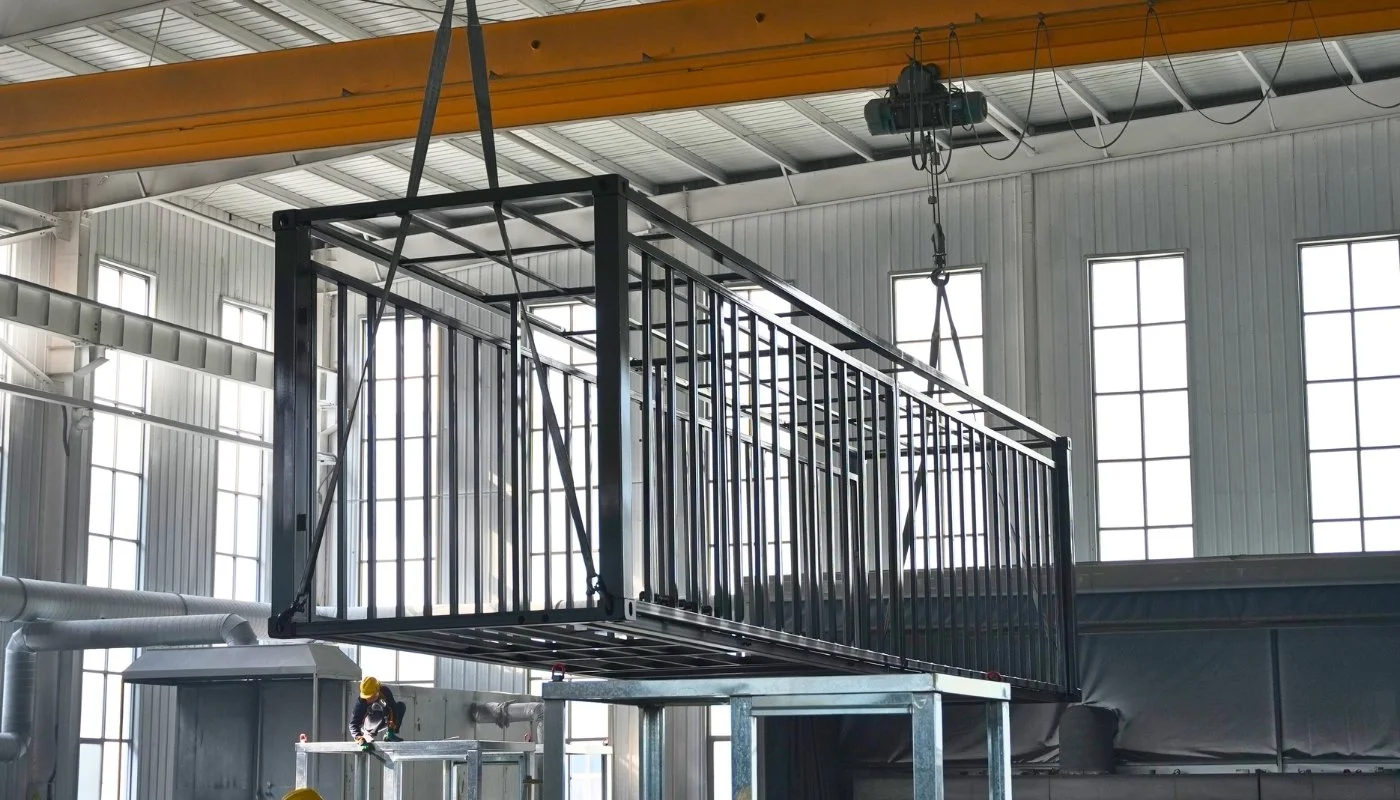
“The real quality of a home is decided long before it reaches your land.”
Councils don’t run on vibes.”
3. Why Expandable Homes Leave Less Room for Error
Expandable homes are not traditional timber buildings that can be easily adjusted on site.
Once manufactured:
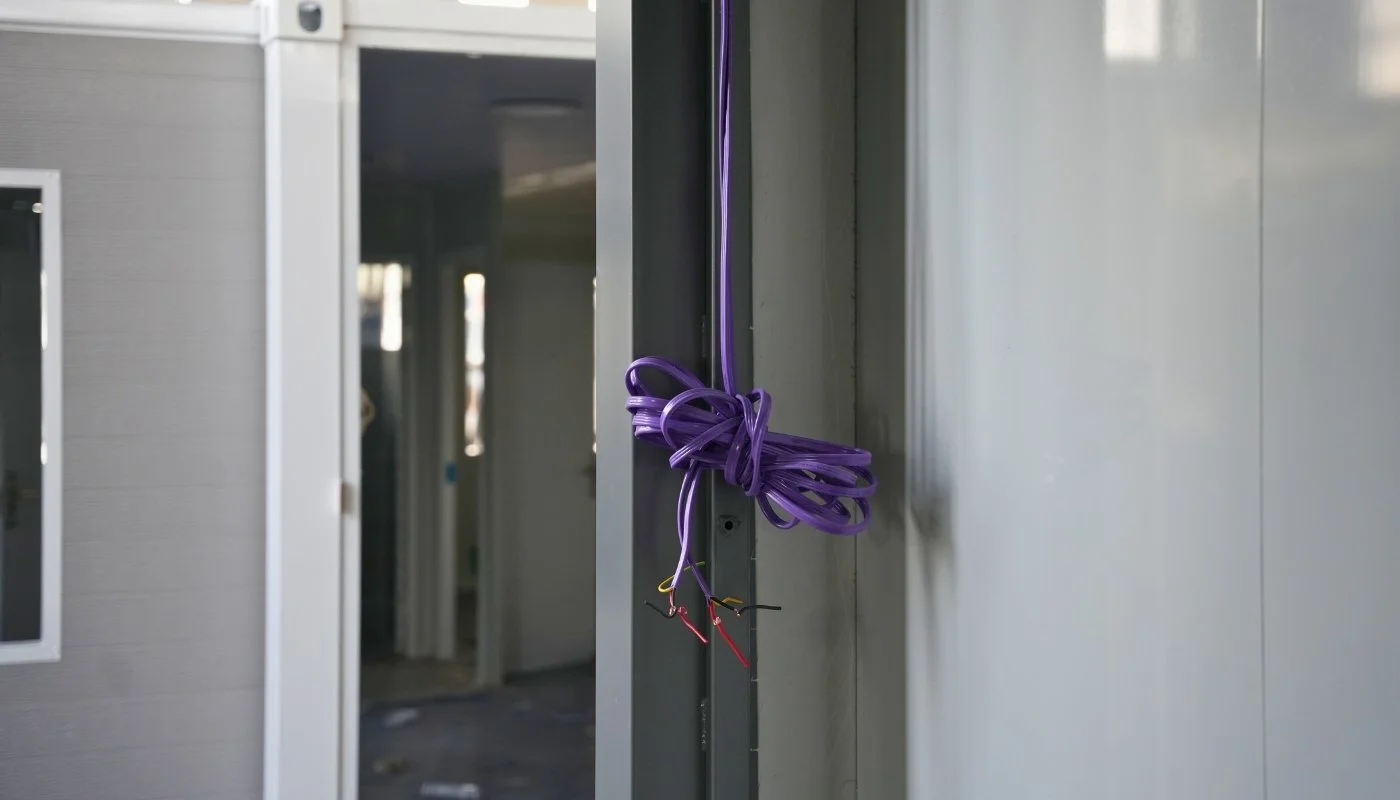
Wiring is sealed inside panels
Plumbing routes are fixed
Structural changes are complex
Retrofitting often means dismantling major sections of the home
That means mistakes made early in design or manufacturing are hard — and expensive — to undo.
Low-cost builds that weren’t designed with New Zealand conditions, trades, and standards in mind may look fine on delivery, but problems often surface months later, once the unit is occupied and exposed to real-world use.
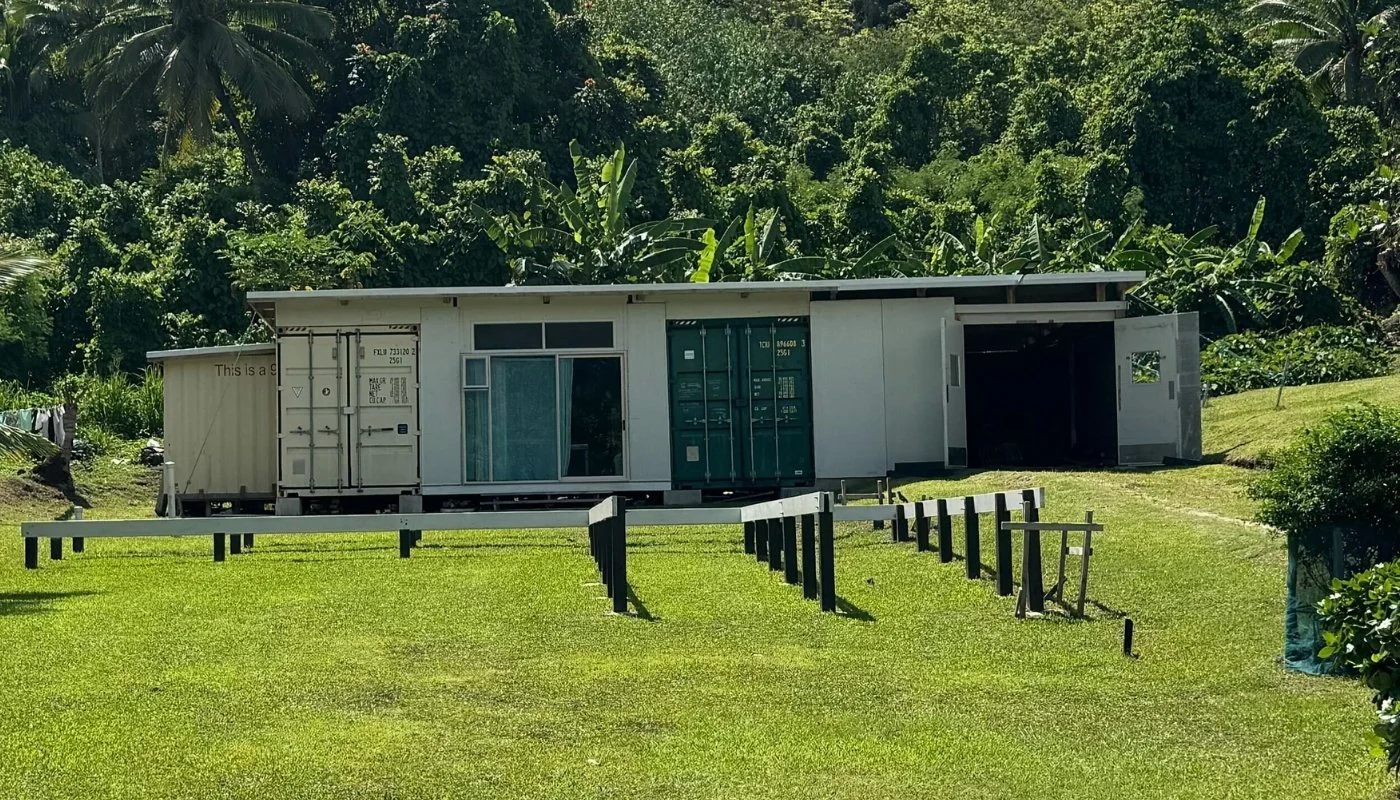
Tiny homes are popping up all over New Zealand — some clearly built to meet standards, others… less certain.
4. A Pattern Emerging in the Industry
As demand has increased, a clear pattern has begun to emerge:
New entrants offering significantly lower prices
Heavy use of the term “consentable” in marketing
Claims based on future rules rather than proven outcomes
Responsibility quietly shifting to the buyer to confirm details with council
Limited long-term accountability once the unit is delivered
This isn’t unique to tiny homes — it happens in every fast-growing, lightly regulated category.
The challenge is that buyers usually only experience the downside after installation, when changing direction is no longer simple.
If it’s truly consentable, the paperwork should exist.
5. A More Conservative — and Safer — Approach
A safer approach doesn’t start with optimistic claims or lowest-price positioning.
It starts with:
Designing for New Zealand conditions from day one
Iterating builds over time, not copying a single overseas specification
Involving NZ engineers, architects, plumbers and electricians
Learning from real installations and upgrading accordingly
Taking responsibility for the product, rather than outsourcing risk to the buyer
This approach takes longer.
It costs more upfront.
But it dramatically reduces long-term risk.
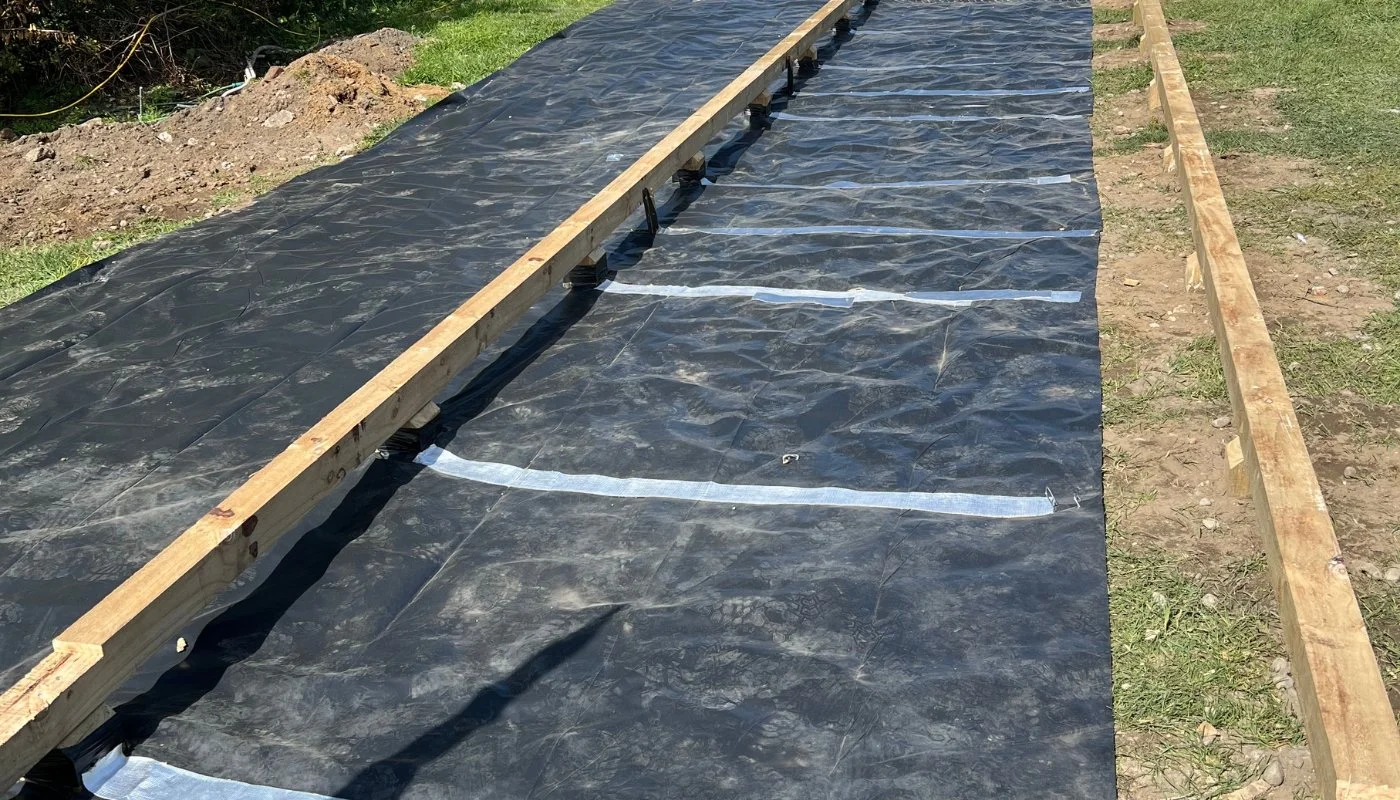
“A solid base saves expensive headaches later.”
6. A Note on Portability and Consent
It’s important to be clear about how expandable homes are positioned in New Zealand.
Despite how they may sometimes be marketed, expandable homes are not automatically exempt from building consent when used as a permanent dwelling. In most standard residential situations, building consent will still be required.
There are limited circumstances where exemptions may apply — but these depend heavily on site conditions, intended use, and individual council interpretation.
Expanders® units are primarily designed and sold as portable buildings. This approach is intentional.
Portability provides:
• Clear positioning from the outset
• Flexibility for landowners
• Faster deployment
• Reduced reliance on uncertain interpretations
• Avoidance of broad “consentable” claims that may not apply to every buyer
Remember: If it’s genuinely consentable, the documentation will already exist.
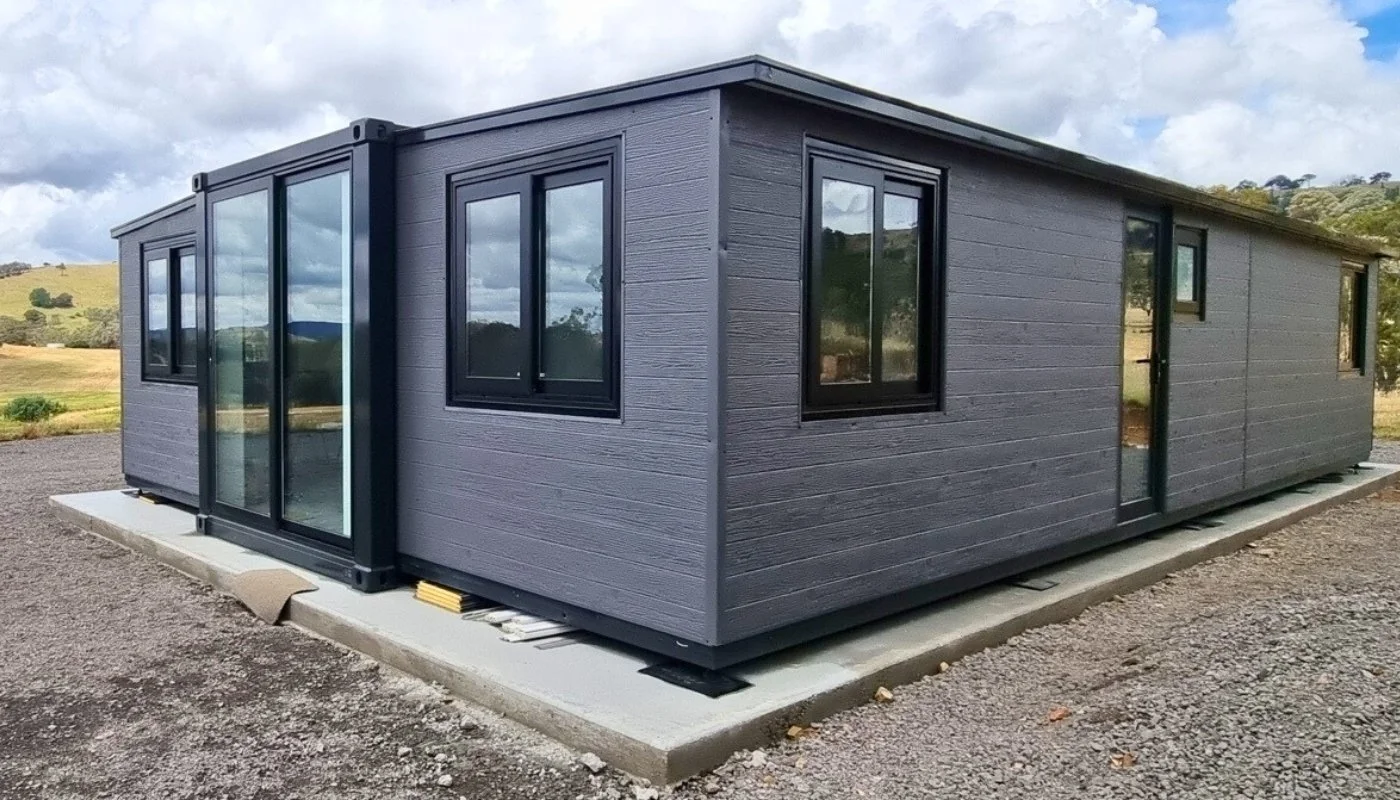
“Built for New Zealand conditions, not just showroom photos.”
“Super happy with our expander home! The fixtures are great quality, everything is as it looked on the website and the communication with the team was always prompt. Definitely would recommend.”
7. Why Track Record Matters More Than Marketing Claims
Any company can say a home is consentable.
Very few can demonstrate:
Years of continuous operation in New Zealand
Hundreds of delivered units
Ongoing product upgrades
Real-world feedback loops
Independent customer reviews
Accountability when things go wrong
That difference only becomes clear over time.
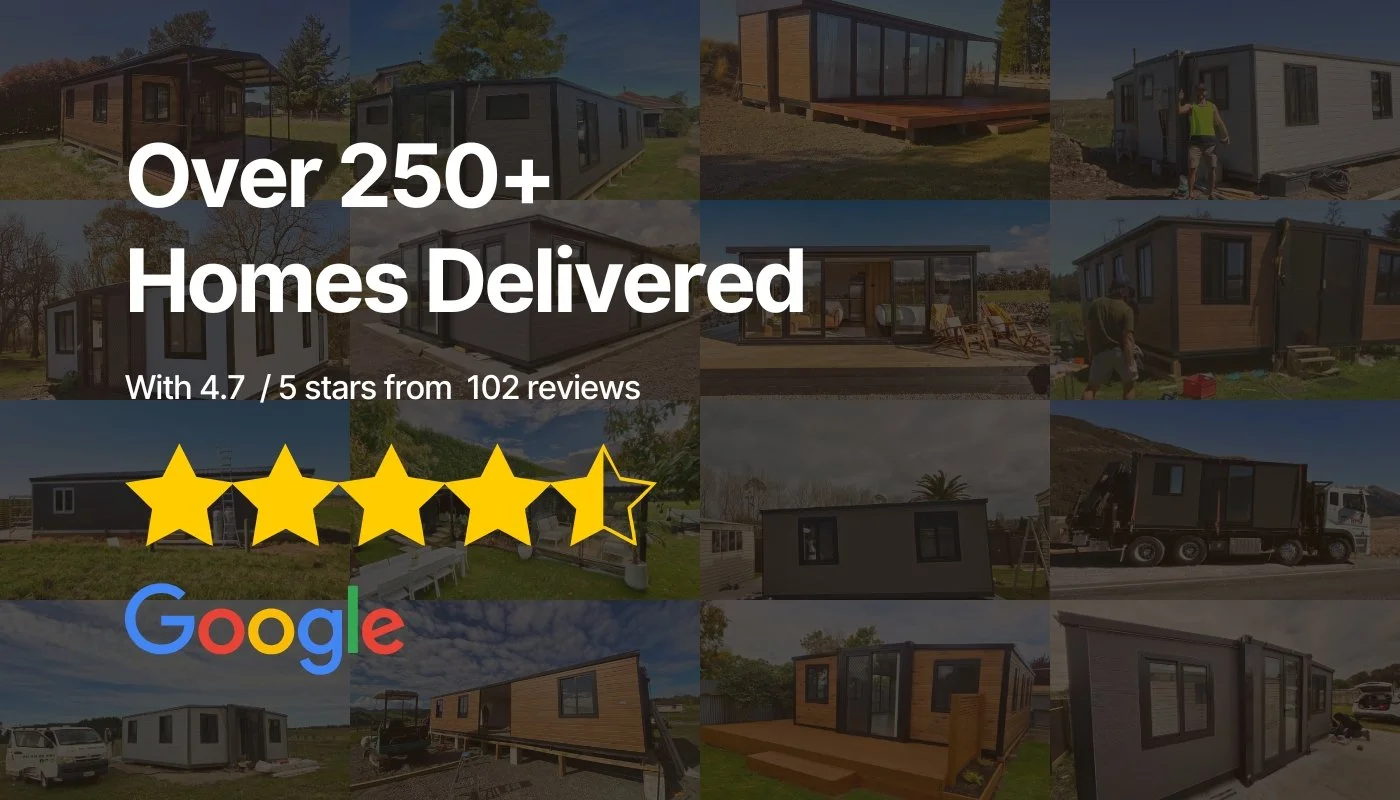
A Google search reveals Expanders® has been rated the top expandable home company in New Zealand for the last 2+ years.
8. Where Expanders® Stands
After reviewing the market and real-world outcomes, Expanders® stands apart.
Expanders® is consistently the top-rated expandable home company in New Zealand, with 106 verified Google reviews and an overall rating of 4.7 out of 5 — a level of trust and consistency that’s rare in an industry still finding its footing.
Behind that rating is:
• Purpose-built manufacturing
• Continuous product refinement
• Collaboration with New Zealand professionals
• A long-term presence, not a short-term play
It’s for that reason, and the track record behind it, that Expanders® is the only expandable home company we feel comfortable recommending.
The Question Worth Asking
If you’re researching expandable or tiny homes, the most important question isn’t:
“Can this be consented?”
It’s:
“Was this designed to work in New Zealand — before consent is even considered?”
Because while price differences fade quickly,
build quality decisions don’t.
