Why Choosing the Cheapest Expandable Home Can Cost You Far More Than You Think
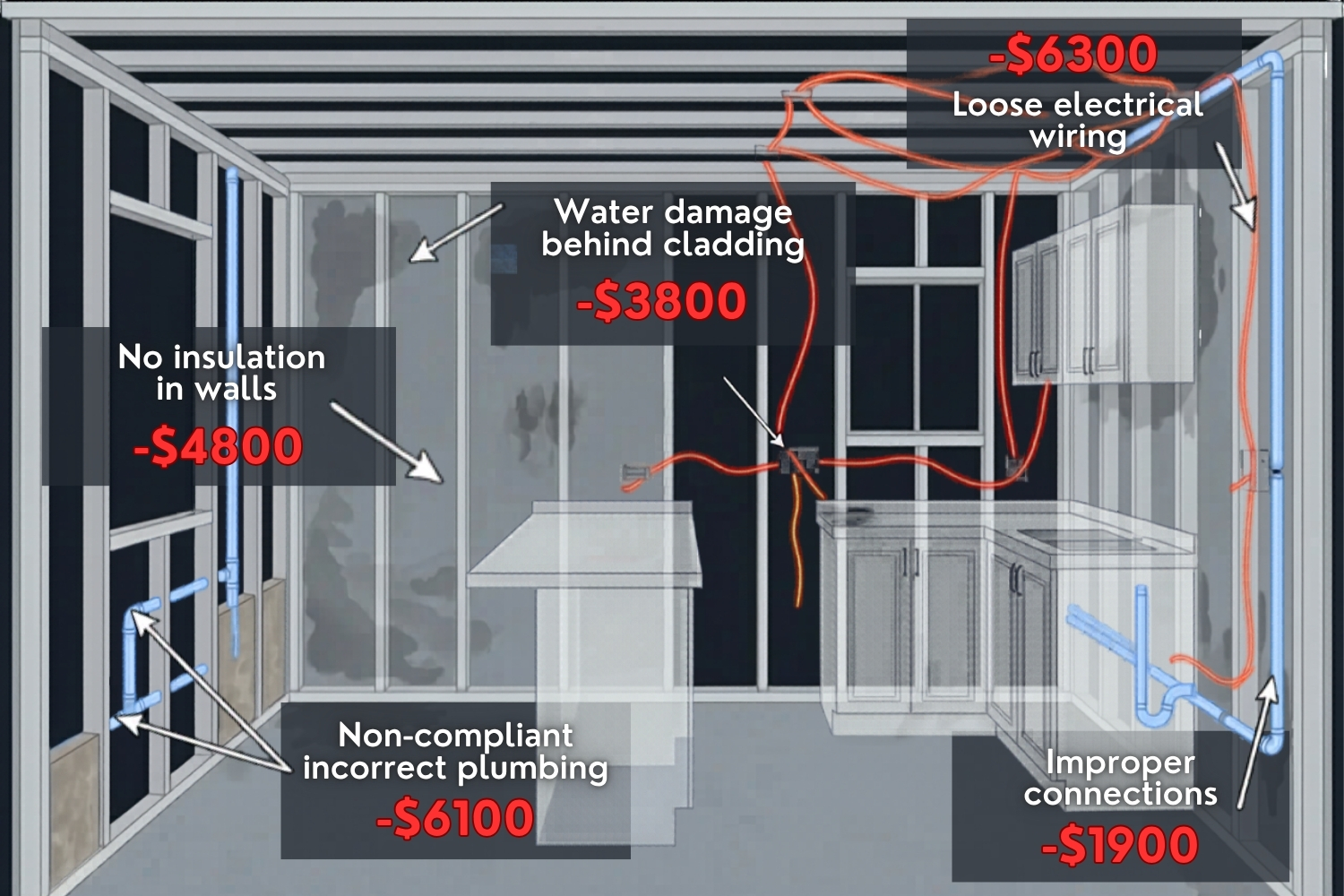
This isn't an argument against expandable homes. When built properly, they're one of the smartest housing solutions available.
If you're looking at an expandable home, chances are you already own land — or you're close to it. You're probably not looking for a "cheap shed." You're looking for something you can actually live in.
And yet, one of the biggest mistakes people make in this space is treating expandable homes like a commodity — assuming they're all basically the same, just at different price points.
They're not.
In fact, choosing the cheapest expandable home can be one of the most expensive decisions you make.
Here's why.
1. The Expandable Home Industry Is Still the Wild West
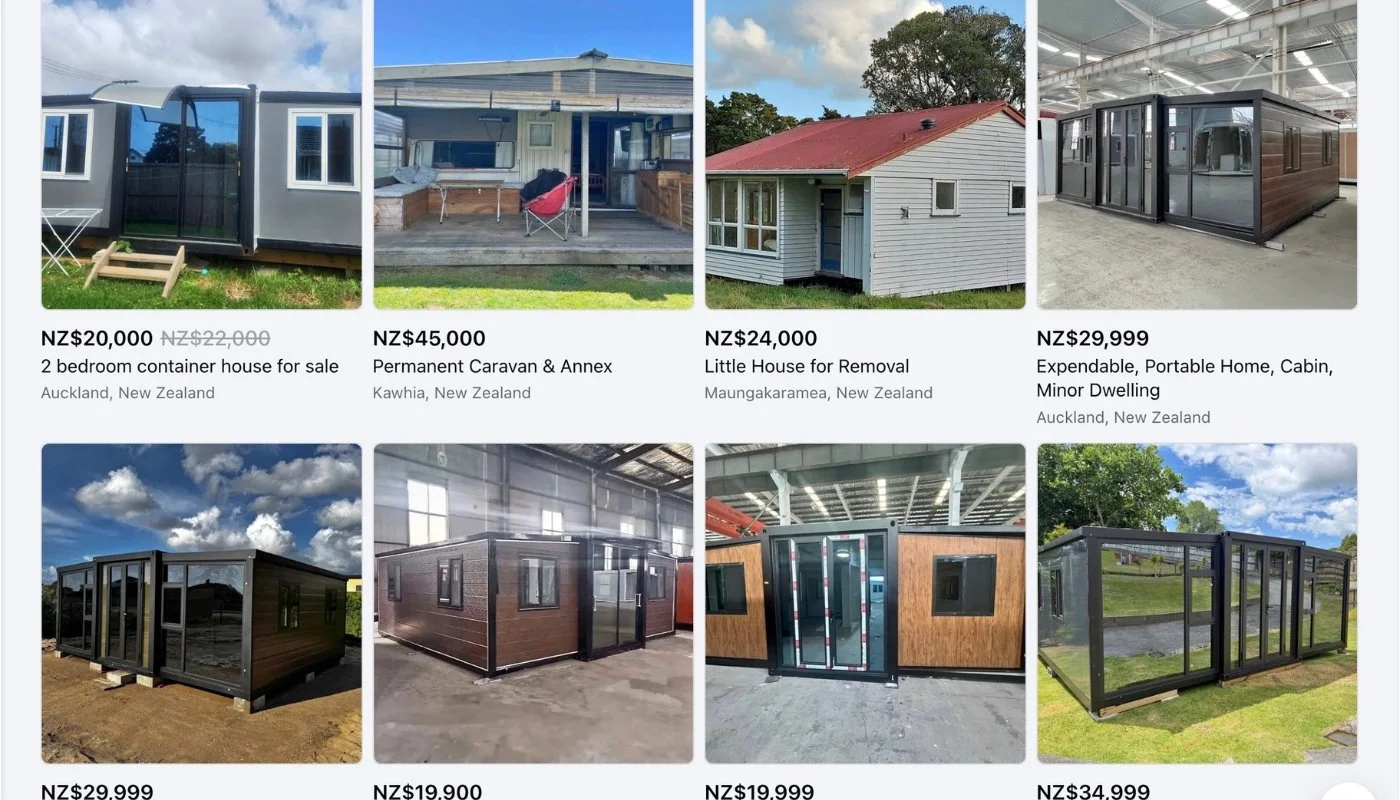
Expandable homes are booming across New Zealand — but regulation hasn't caught up. Right now, the market is flooded with:
- Units sold via Facebook Marketplace and Trade Me
- Overseas sellers with no NZ presence
- “Importers” who disappear the moment something goes wrong
- Homes marketed as “ready to live in” that aren't legal, safe or compliant
We regularly hear horror stories from people who:
- Discovered leaks after the first heavy rain
- Found out wiring wasn't to NZ standard
- Had plumbing installed illegally
- Couldn't get insurance
- Had no recourse once the seller stopped answering calls
And the worst part? Most of these issues can't be easily fixed later.
2. Cheap Builds Are Risky Because Expandable Homes Aren't Easy to Modify
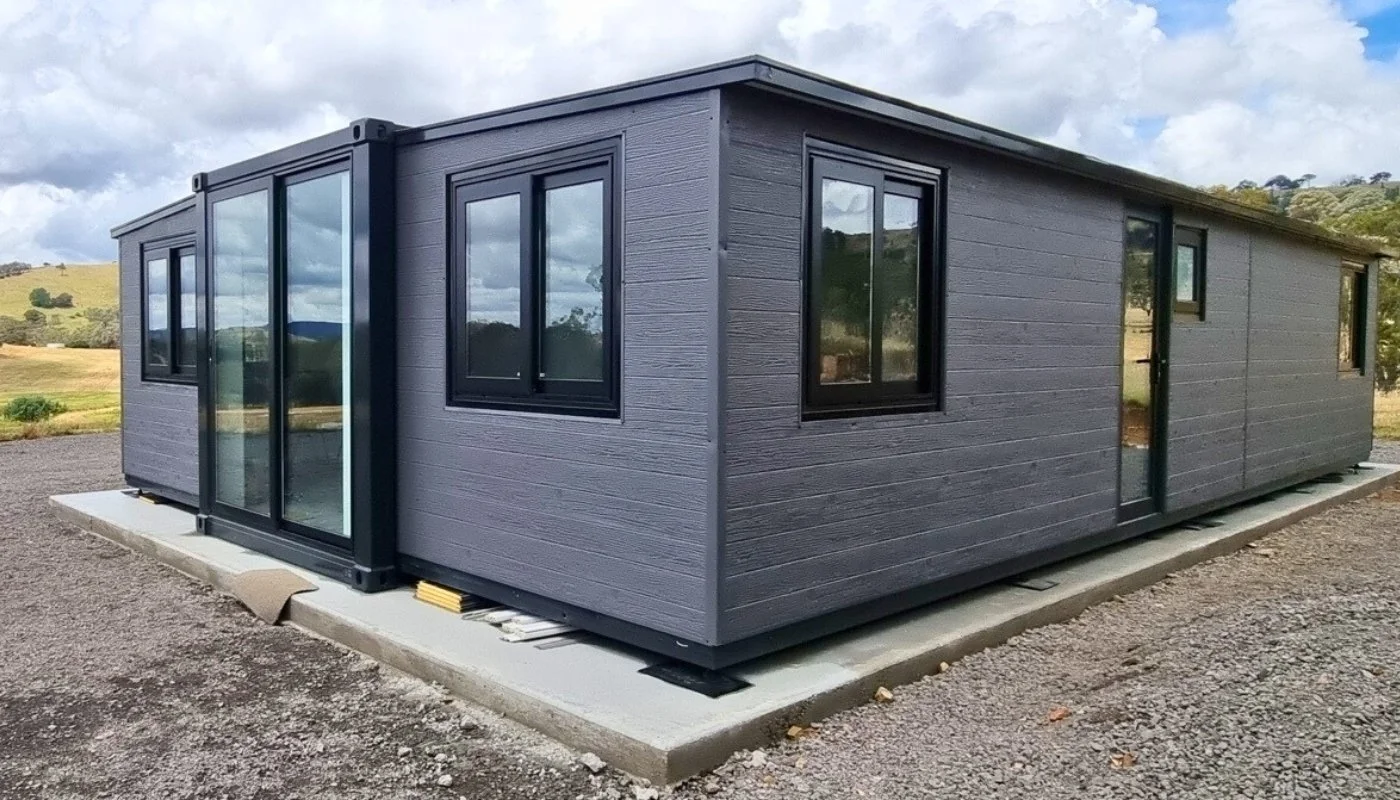
Expandable homes are not traditional timber builds.
They rely heavily on:
- Insulated sandwich panels
- Integrated steel frames
- Factory-installed wiring and plumbing
That means if something is done wrong at the factory stage, fixing it later can be:
- Extremely expensive
- Structurally invasive
- Or in some cases, impossible without rebuilding entire sections
Cheap materials + rushed factory builds = problems that surface months after delivery, when it's too late to do anything about it.
Saving money upfront often just means deferring the cost — and multiplying it.
3. The Real Cost of "Cheap" Often Shows Up After Delivery
Here's what low-cost expandable homes typically cut corners on:
1. Materials That Don't Suit NZ Conditions
Thin steel, inferior coatings, poor seals and flashings lead to:
- Corrosion
- Moisture ingress
- Reduced lifespan
2. Electrical & Plumbing Done to "Overseas Standard"
Which means:
- Not compliant in New Zealand
- Risky from a safety perspective
- A nightmare for insurance and resale
3. No Accountability After the Sale
Once the unit lands:
- The seller is gone
- There's no upgrade path
- No local professionals backing the build
That's not a risk most people realise they're taking — until they're living with the consequences.
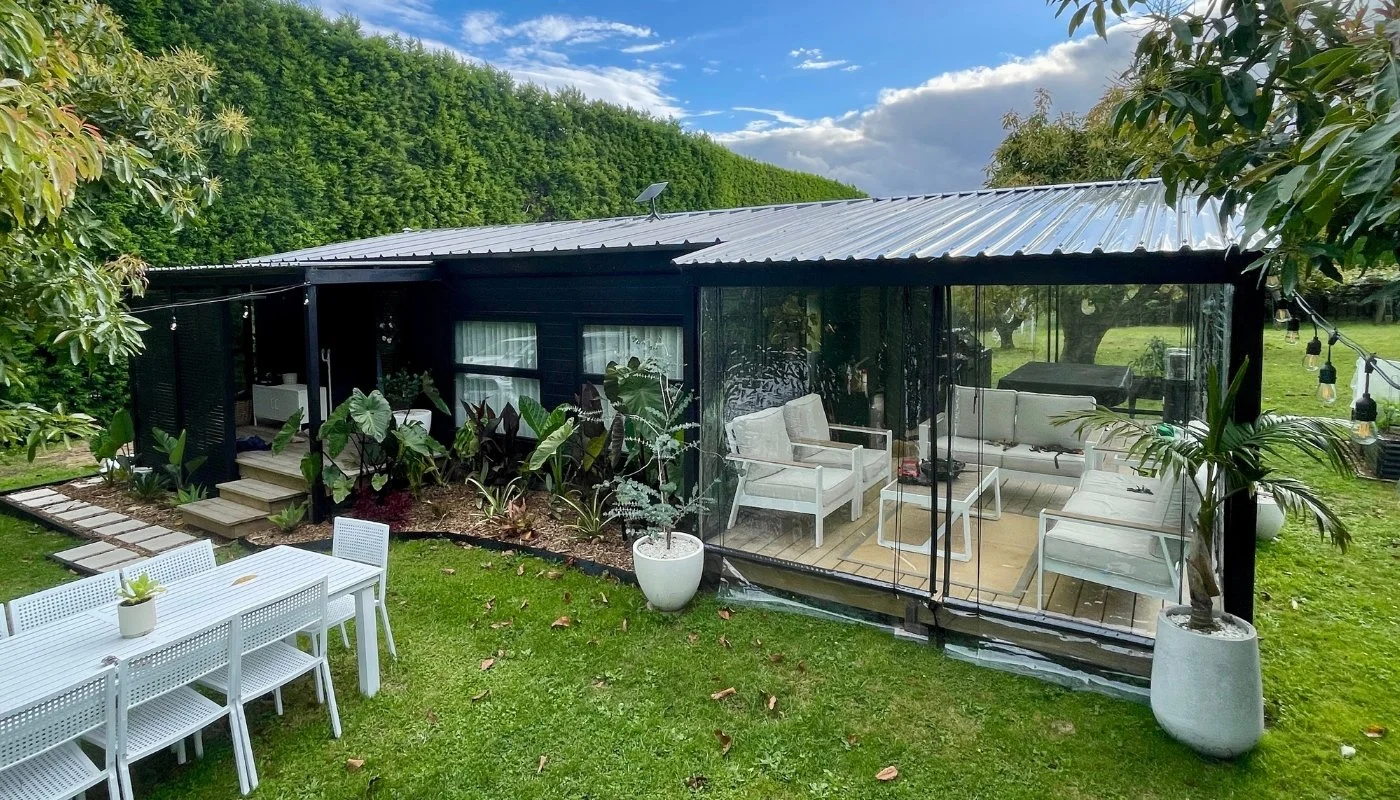
"Super happy with our expander home! The fixtures are great quality, everything is as it looked on the website and the communication with the team was always prompt. Definitely would recommend."
4. Why Paying More Upfront Is Often the Safer (and Cheaper) Option
Expandable homes aren't something you want to "trial and error."
This is your:
- Living space
- Investment
- Health and safety
- Peace of mind
A slightly higher upfront price often buys you:
- Better materials
- Proper engineering input
- Local compliance support
- Ongoing upgrades and refinement
And most importantly — accountability.
5. What Sets Expanders® Apart (And Why It Matters)
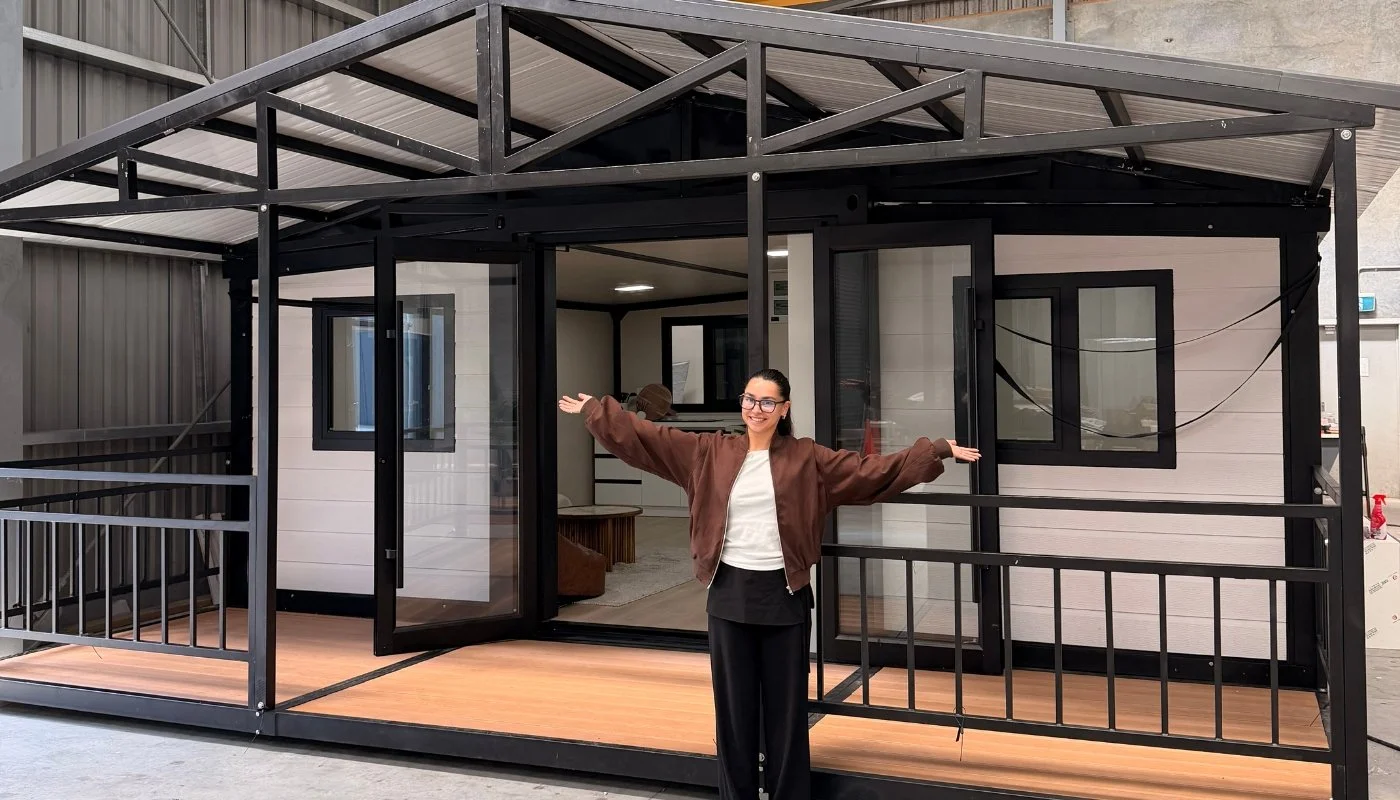
Expanders® wasn't built to win the "cheapest price" race. It was built to solve the exact problems outlined above.
Here's what that looks like in practice:
Purpose-Built Manufacturing
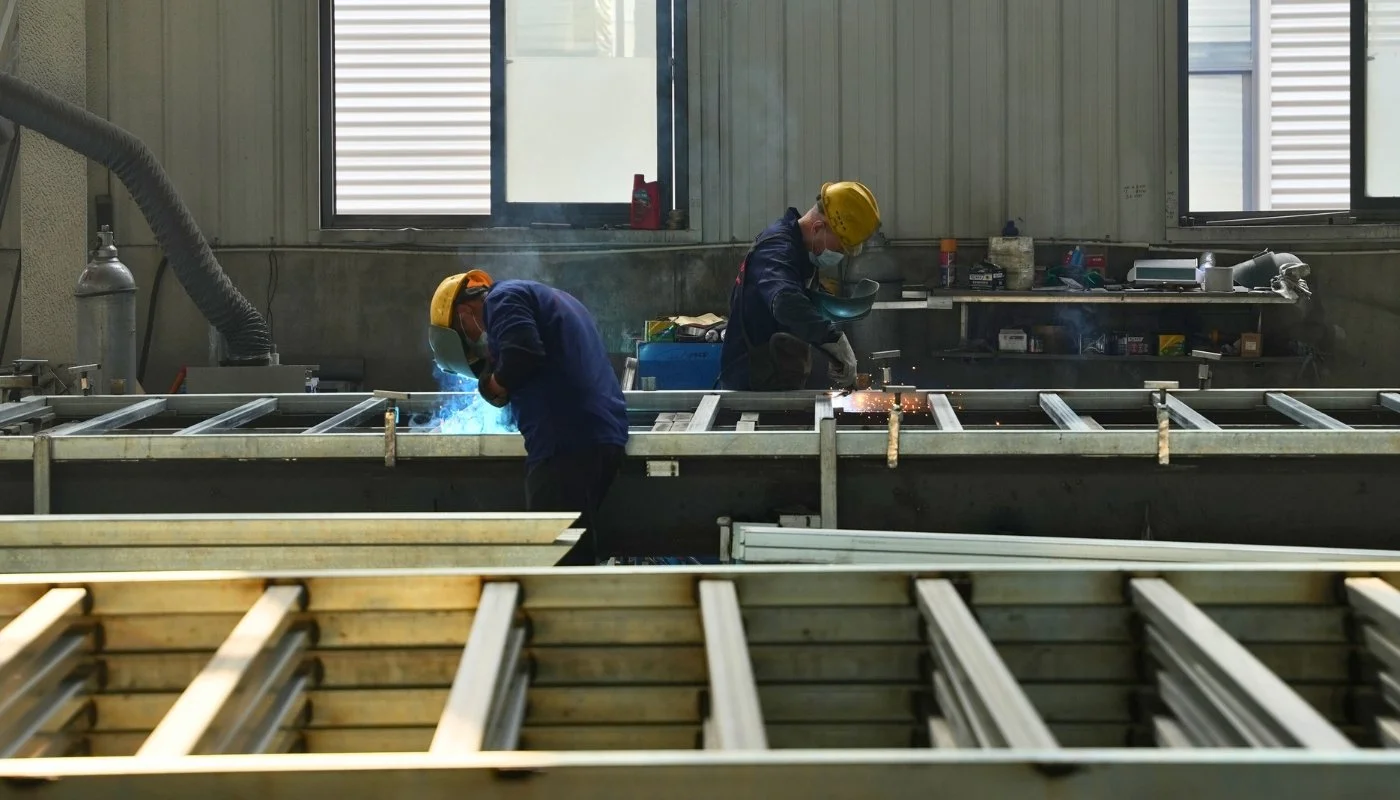
Expanders® units are produced in a brand new $11M+ overseas facility, purpose-built for expandable home construction — not a general factory doing a bit of everything.
They also hold exclusive rights to this facility in New Zealand, meaning:
- Consistent quality
- Controlled processes
- No random variations between builds
Continuous Upgrades Over Time
Expanders® units today are not the same as they were years ago. They've been:
- Iterated
- Improved
- Refined
Based on real-world use, NZ feedback, and on-the-ground experience.
Cheap sellers don't upgrade — they replicate.
NZ Engineers, Architects & Trades Involved
Expanders® works closely with:
- New Zealand engineers
- New Zealand Architects
- New Zealand Builders
- New Zealand Plumbers
- New Zealand Electricians
That means design decisions aren't theoretical — they're made with NZ compliant materials, climate, and expectations in mind.
Proven Track Record
- Hundreds of delivered units
- Strong Google reviews
- Documented builds
- Long-term presence
That's not something you can fake in this industry.
6. Who Should Not Buy the Cheapest Option
If you're:
- Planning to live in your expandable home
- Putting it on owned land
- Thinking long-term
- Concerned about safety, insurance or resale value
- Wanting a unit that can be renovated and upgraded over time
Then the cheapest option is rarely the smartest one.
7. The Question to Ask Isn't "How Cheap Can I Get It?"
It's:
"Who will still be standing when something goes wrong?"
Expandable homes are still evolving in New Zealand.
Standards are tightening. Expectations are rising.
The safest choice is rarely the cheapest — it's the one built to last in a changing environment.
Over 400+ Homes Delivered
Rated 4.7 out of 5 from 123 verified Google reviews
A Google search reveals Expanders® has been rated the top expandable home company in New Zealand for the last 3+ years.
8. Thinking About an Expandable Home?
If you're already researching, comparing options, and weighing up what's right for your land, this is the point where the right choice matters most.
Price differences fade quickly. Build quality problems don't.
That's why, after reviewing the market and real-world outcomes,Expanders® stands apart.
Expanders® is consistently the top-rated expandable home company in New Zealand, with 123 verified Google reviews and an overall rating of 4.7 out of 5 — a level of trust and consistency that's rare in an industry still finding its footing.
It's for that reason, and the track record behind it, thatExpanders® is the only expandable home company we feel comfortable recommending.