Feature
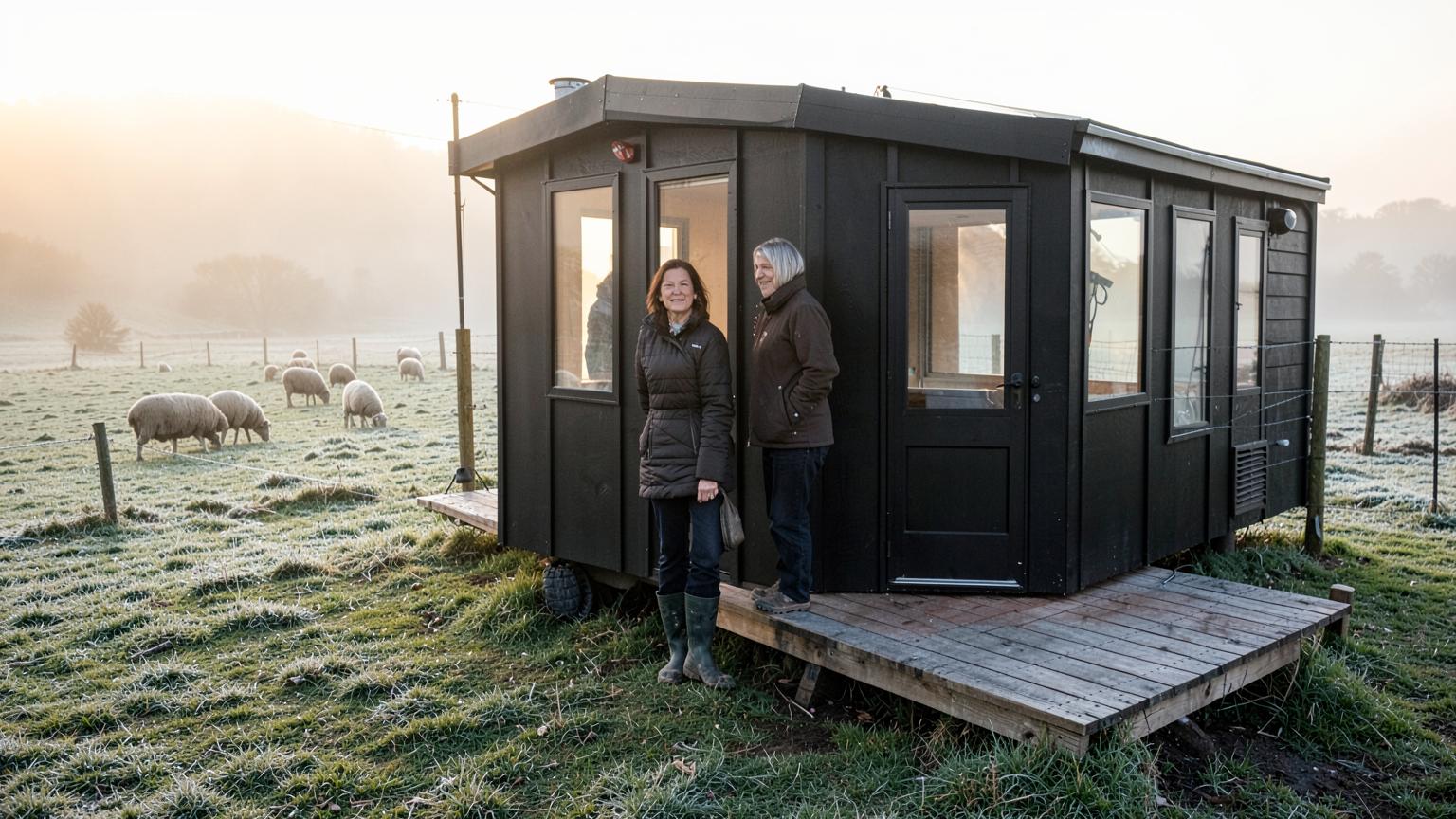
From a Shed to My Own Front Door: One Canterbury Woman's Story
She lost the house, the marriage and her security in a single text message. Six months later she owns her home outright — for $24,500.

Hana has covered housing and small-space design in Aotearoa for over a decade. She founded Tiny Home Weekly to bring proper journalism to a sector Kiwis are increasingly excited about.
She lost the house, the marriage and her security in a single text message. Six months later she owns her home outright — for $24,500.
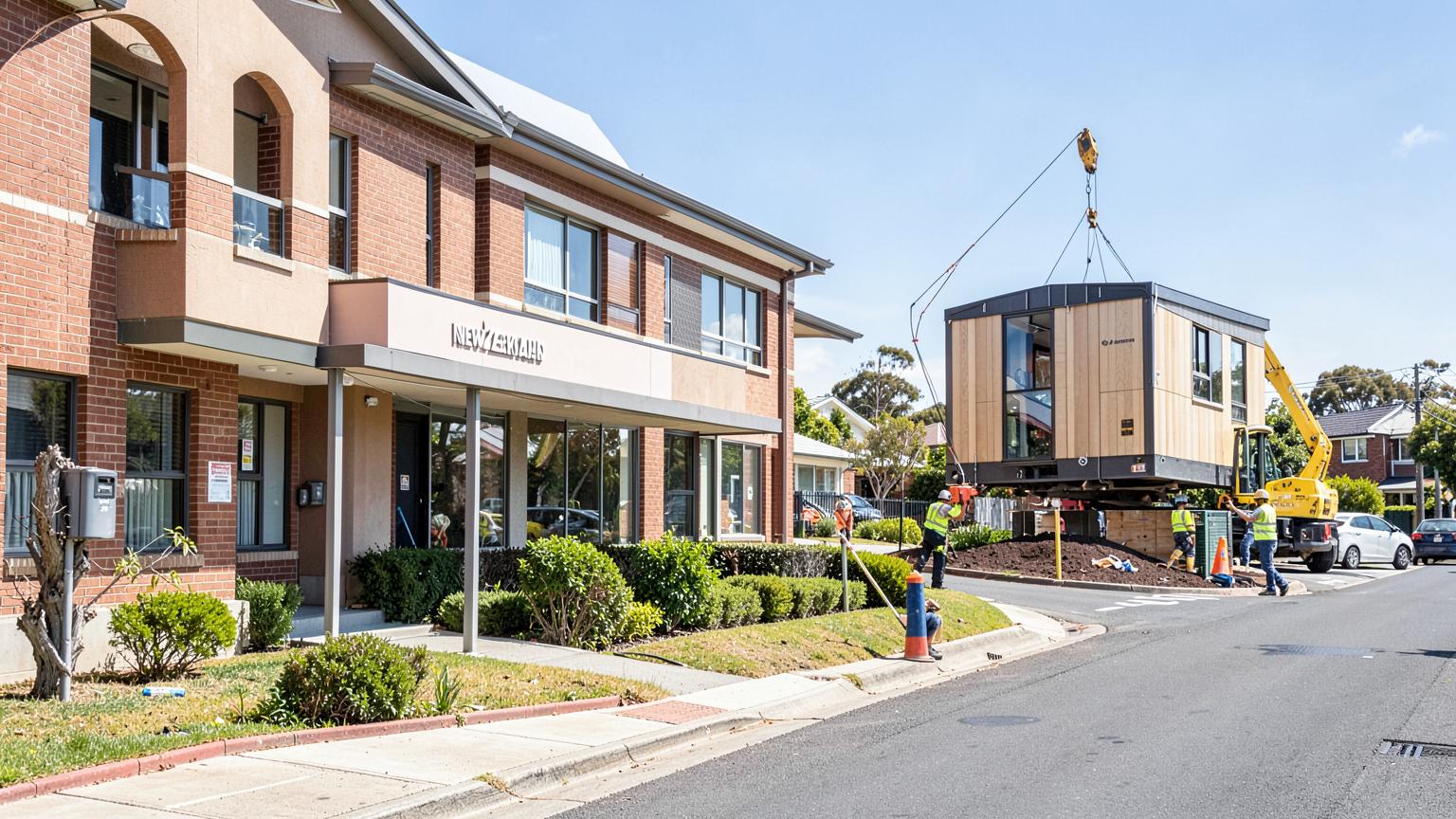
Nine months after the consent exemption took effect, councils are reporting their busiest spring on record for small stand-alone dwellings — and prefab suppliers are scaling up to meet demand.
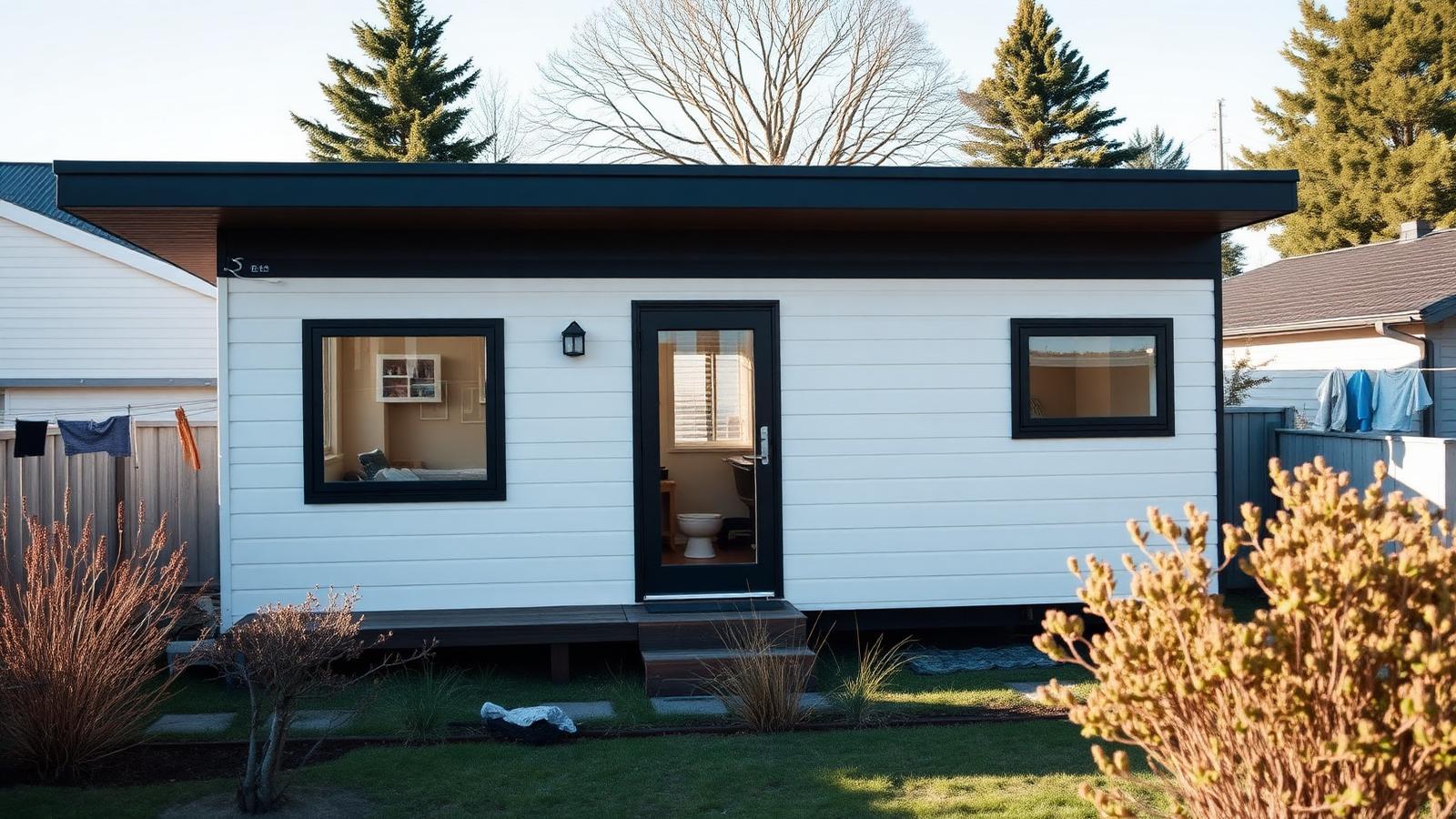
Half a year after consent-free small dwellings became legal, the pattern is clear — smaller footprints, faster starts, and a lot of backyards quietly gaining a second home.
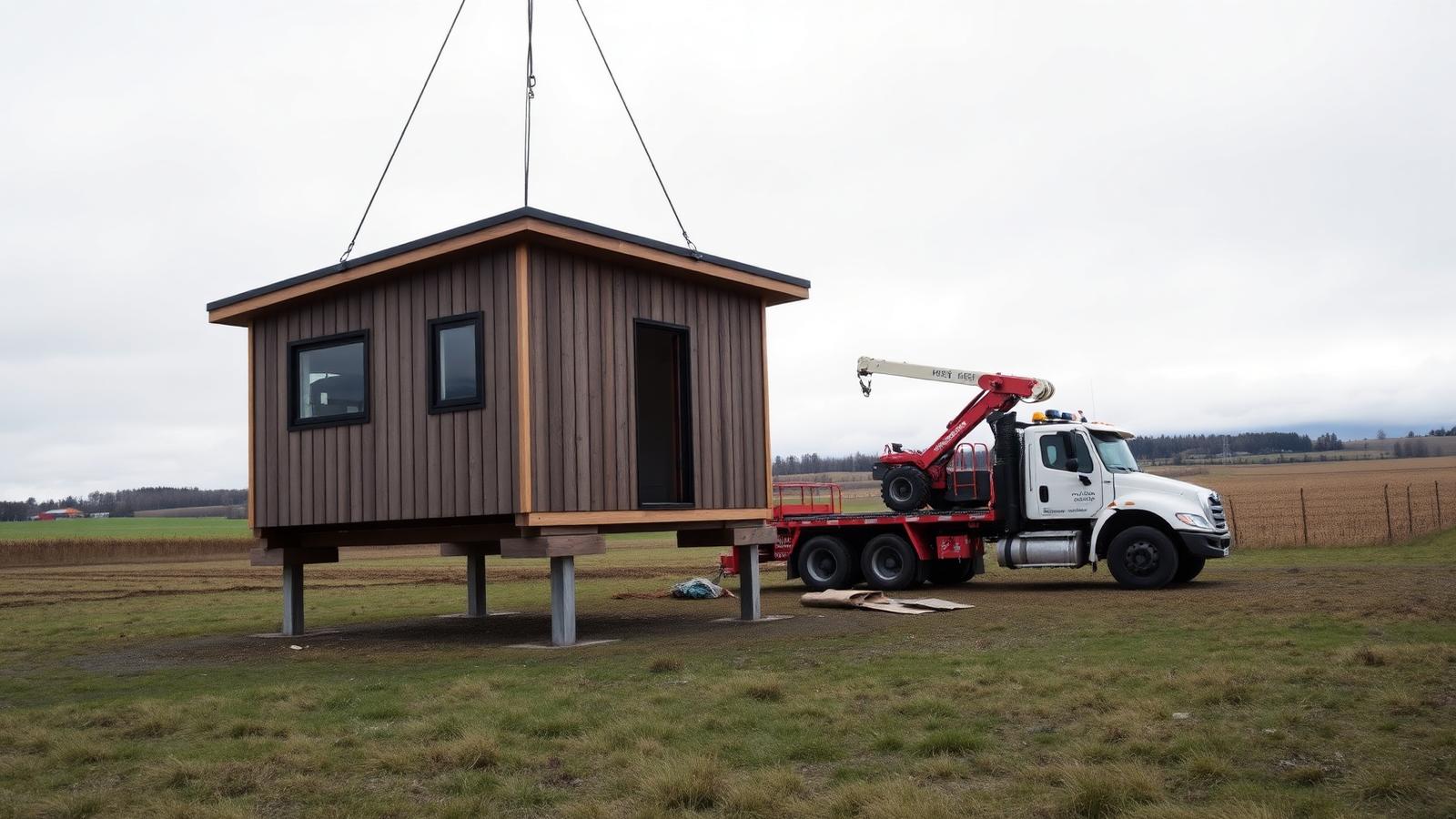
Transport, craneage and site access are the line items that move most between quotes. Here is how they are priced this year and what changes the number.
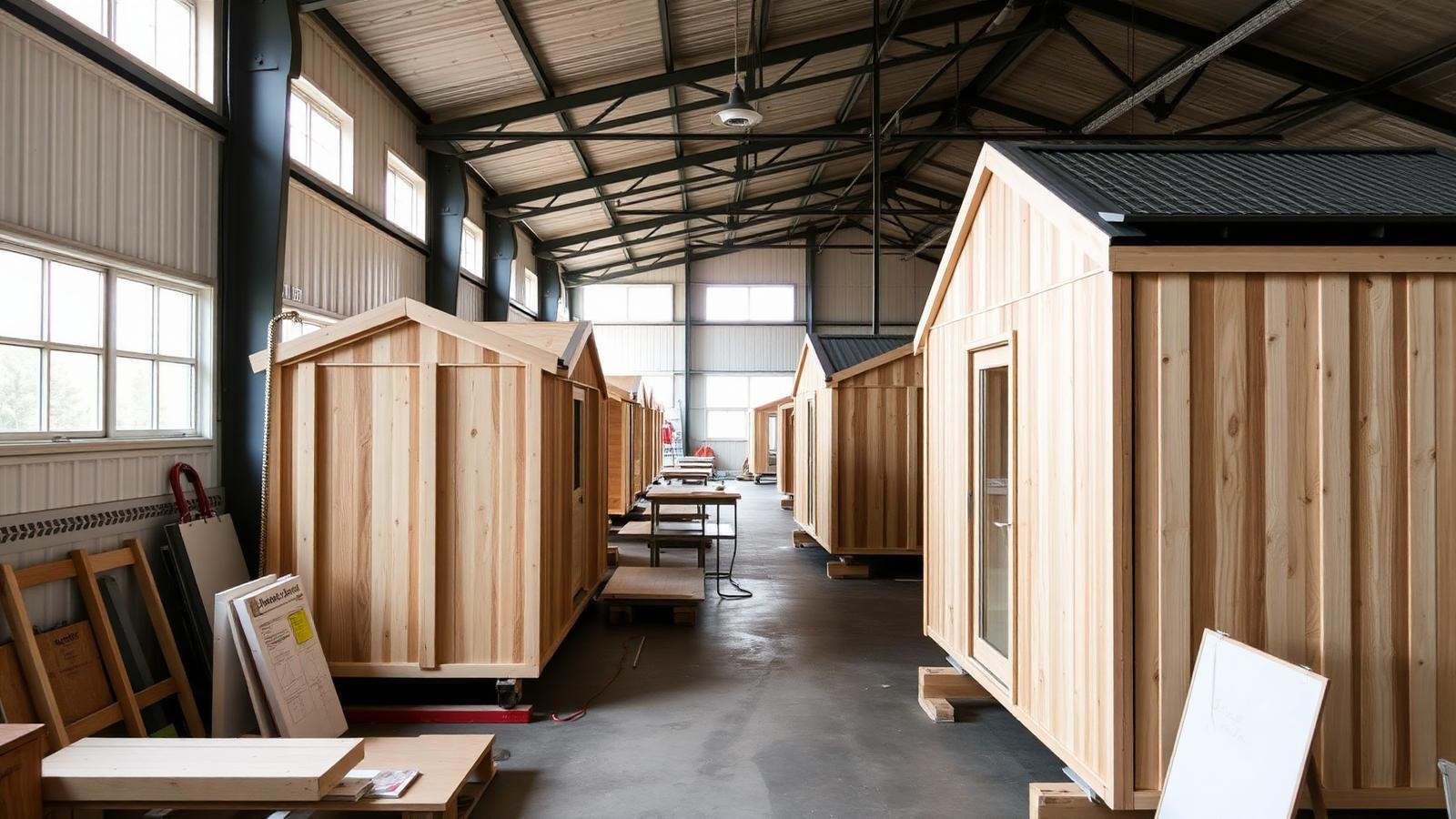
Factories are quoting later start dates than they were in autumn. If you want a home on the ground before Christmas, this is the month the decision gets made.
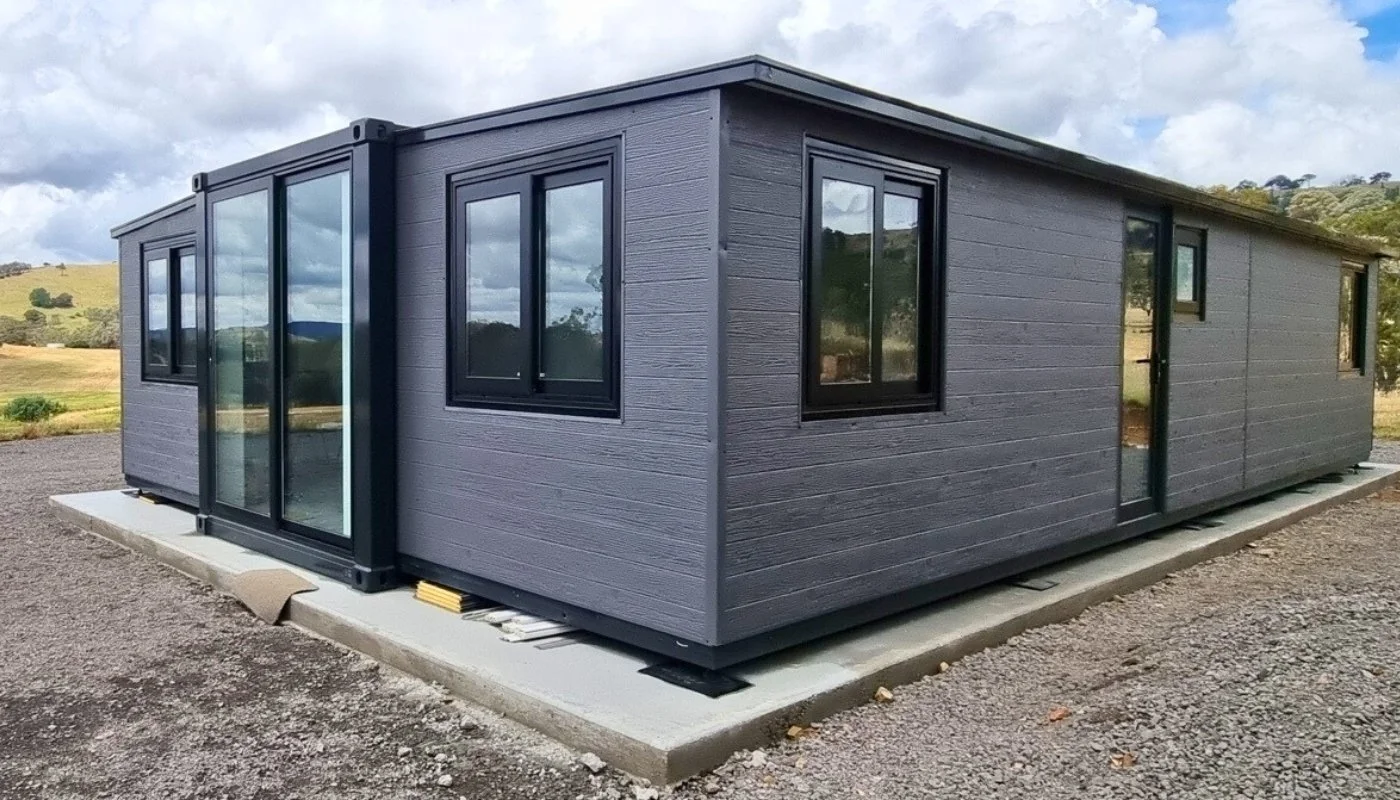
Build costs are high and builders are booked out — but none of that matters as much when you already own the land. Seven ways Kiwis are using sections they already have.
Rent in NZ has gone up 38% in 5 years. A traditional build now starts at $400k+. Here are 8 reasons everyday Kiwis are skipping the housing market line and getting into something they actually own.
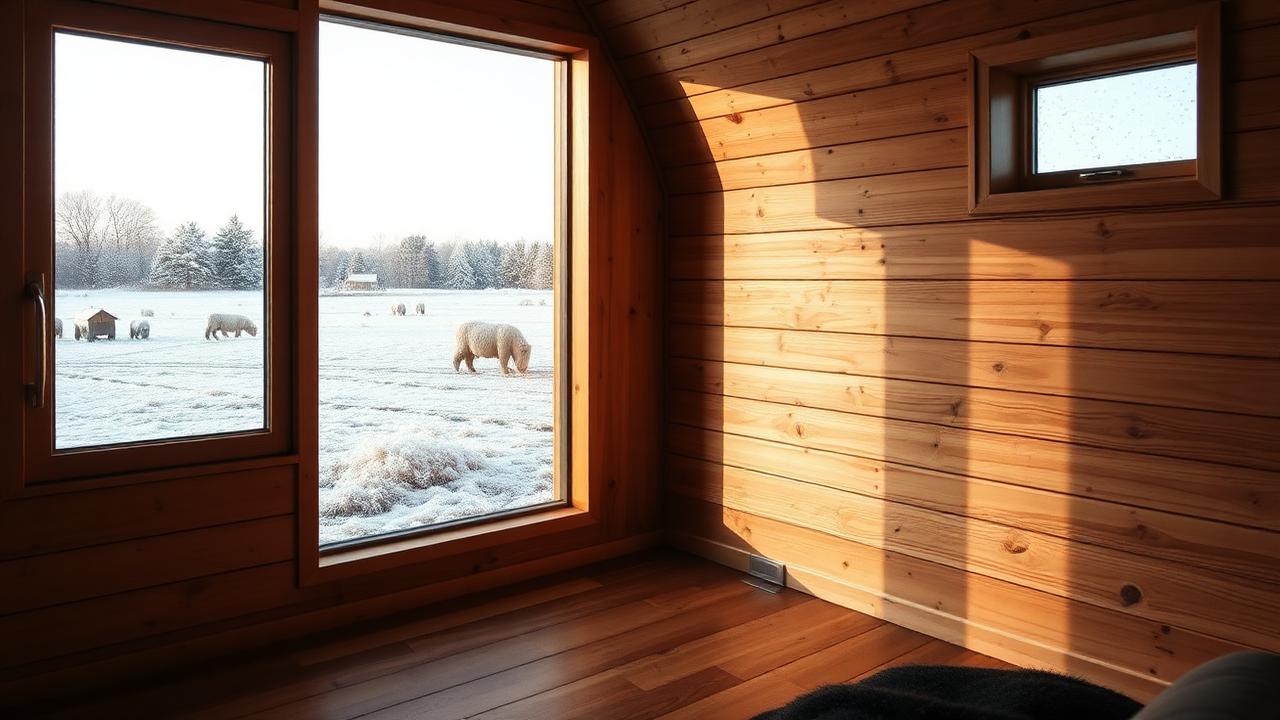
A well-built tiny home is one of the warmest places you can spend a New Zealand winter. A badly built one is one of the wettest. The difference comes down to three things.
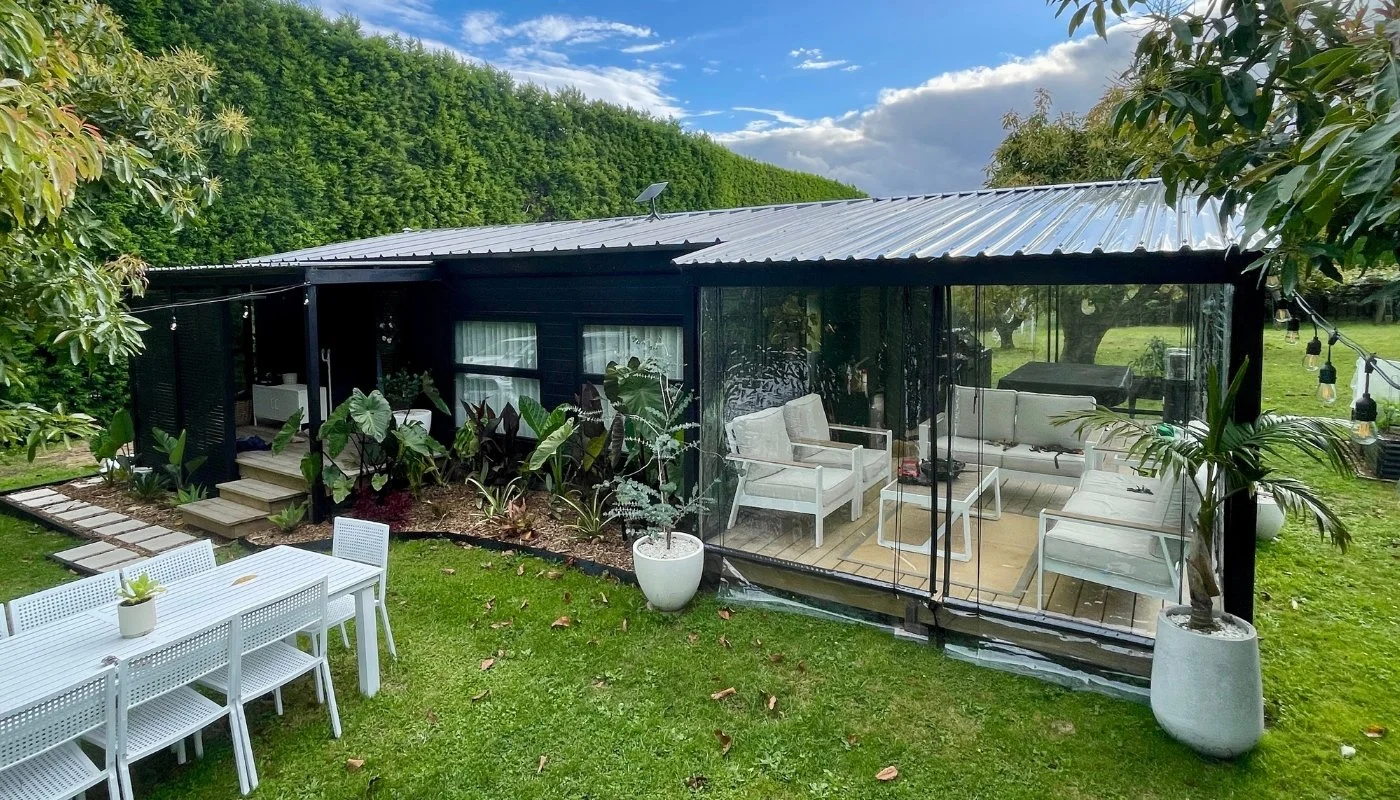
Comparing concrete, timber, cabins, containers and pre-built expandable homes for building on family land — cost, setup time and what lasts in island conditions.
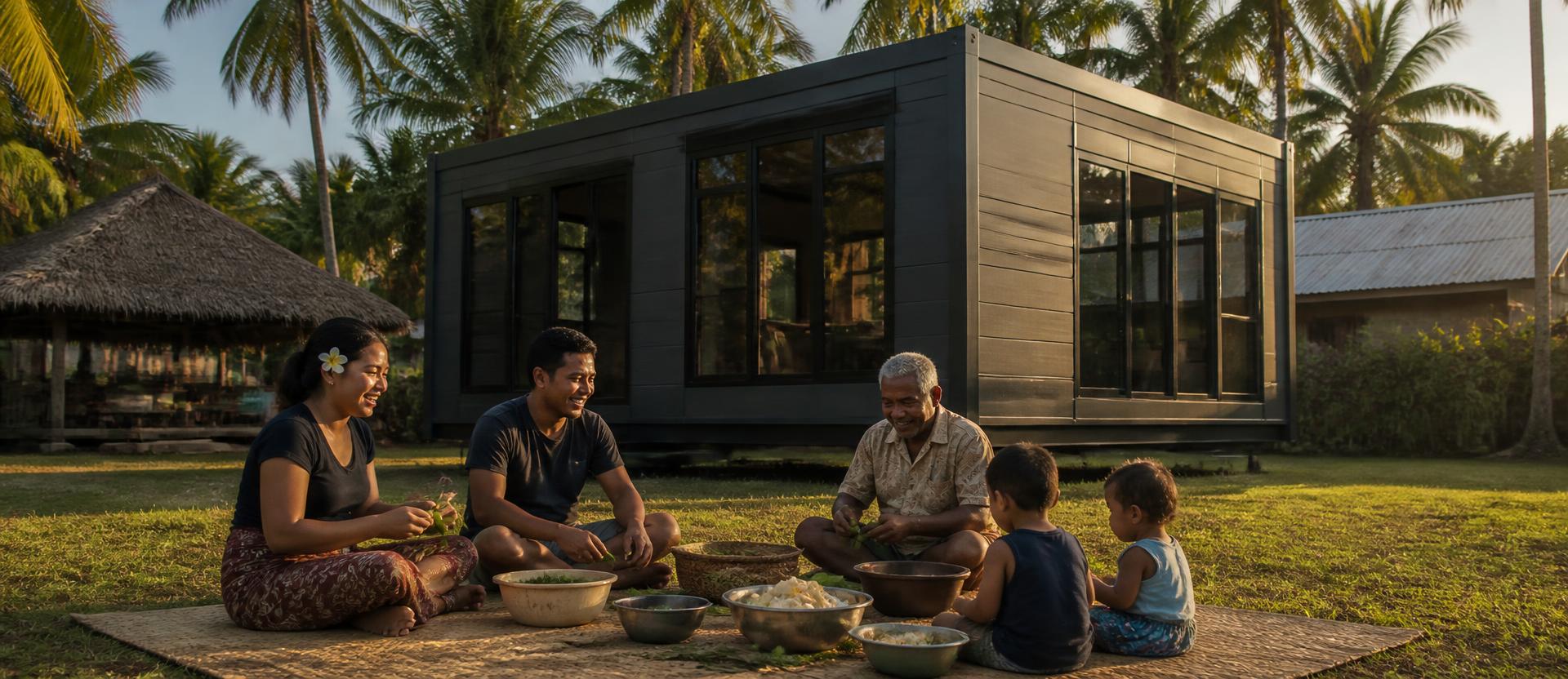
Missing materials, vanished builders and customs delays. How Pacific families are skipping the block-build nightmare with a fully built, climate-ready home delivered to their land.
A calculator built on real NZ short-stay data across all 16 regions — monthly income, payoff time and the ten-year return on a pre-built expandable home.
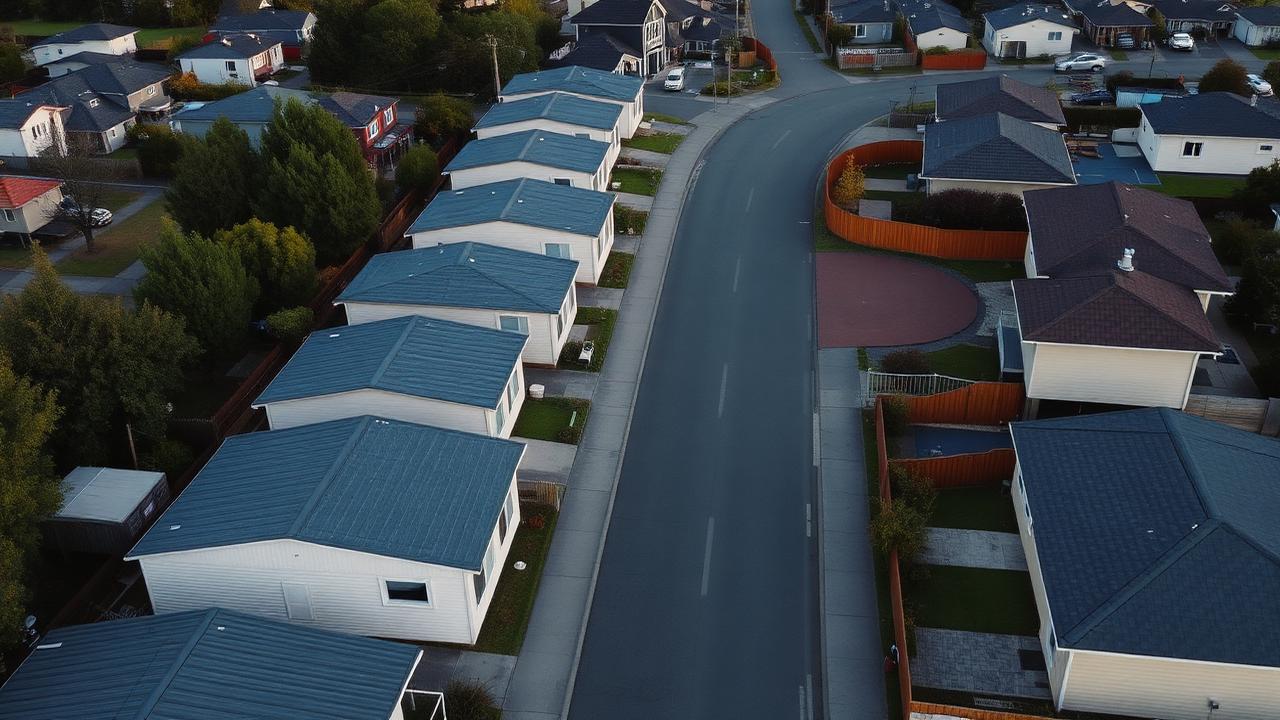
Political appetite is finally aligning with a mature supply chain. Tiny and prefab homes are ready to play a much bigger role in the Kiwi housing mix.
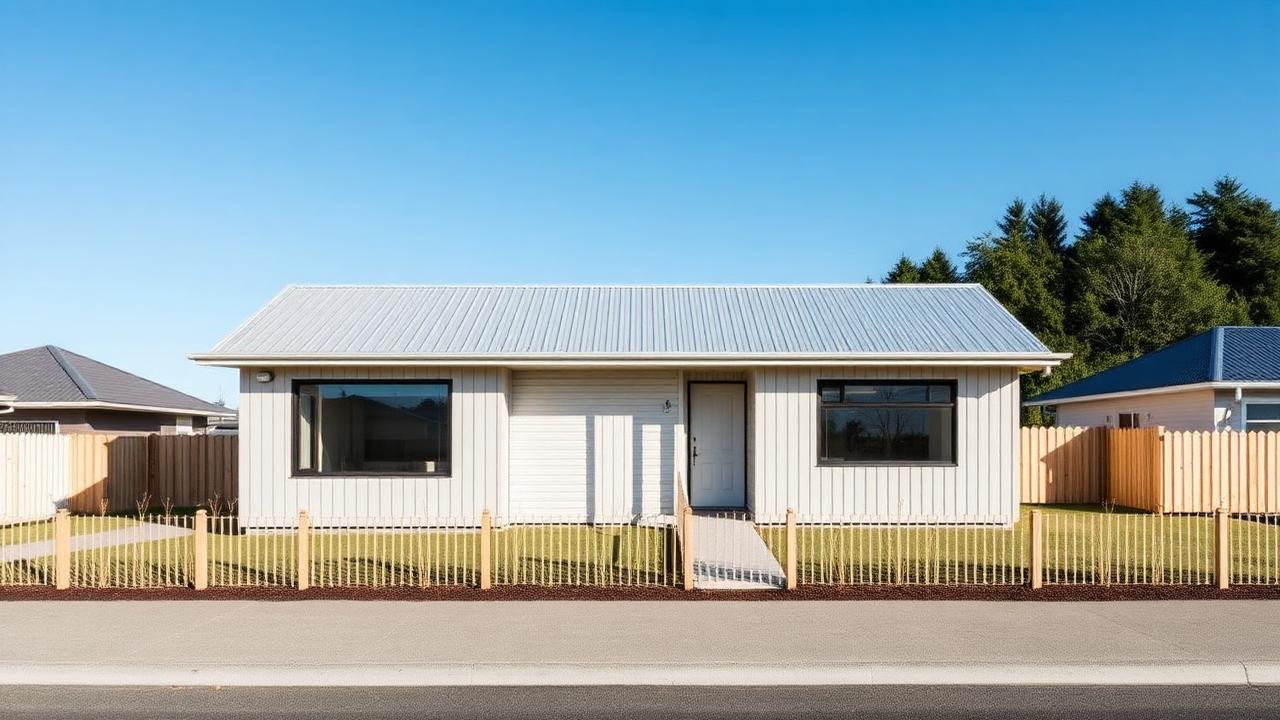
From 15 January, New Zealanders can build a self-contained home up to 70 square metres without a building consent. For the tiny-home movement, it is the moment the rules finally caught up with reality.
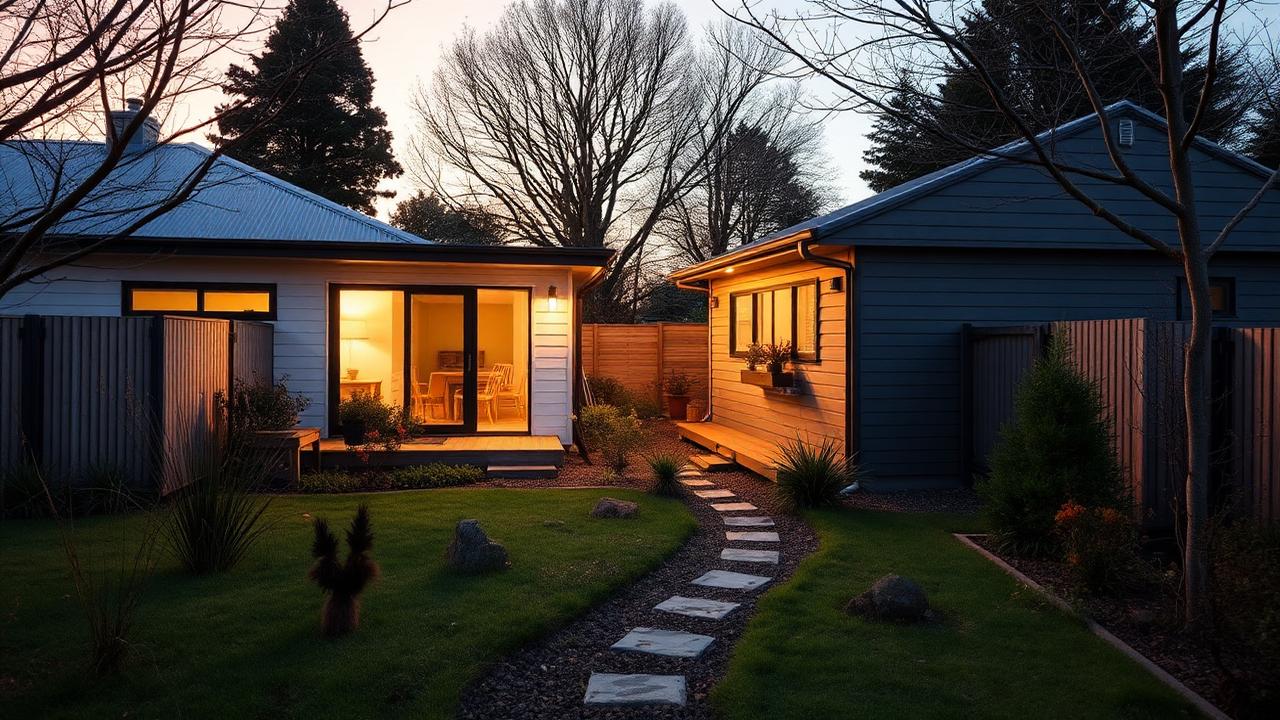
With residential aged care running into tens of thousands of dollars a year, more families are looking at a compact home in the backyard. The 2026 law change just made that far easier.
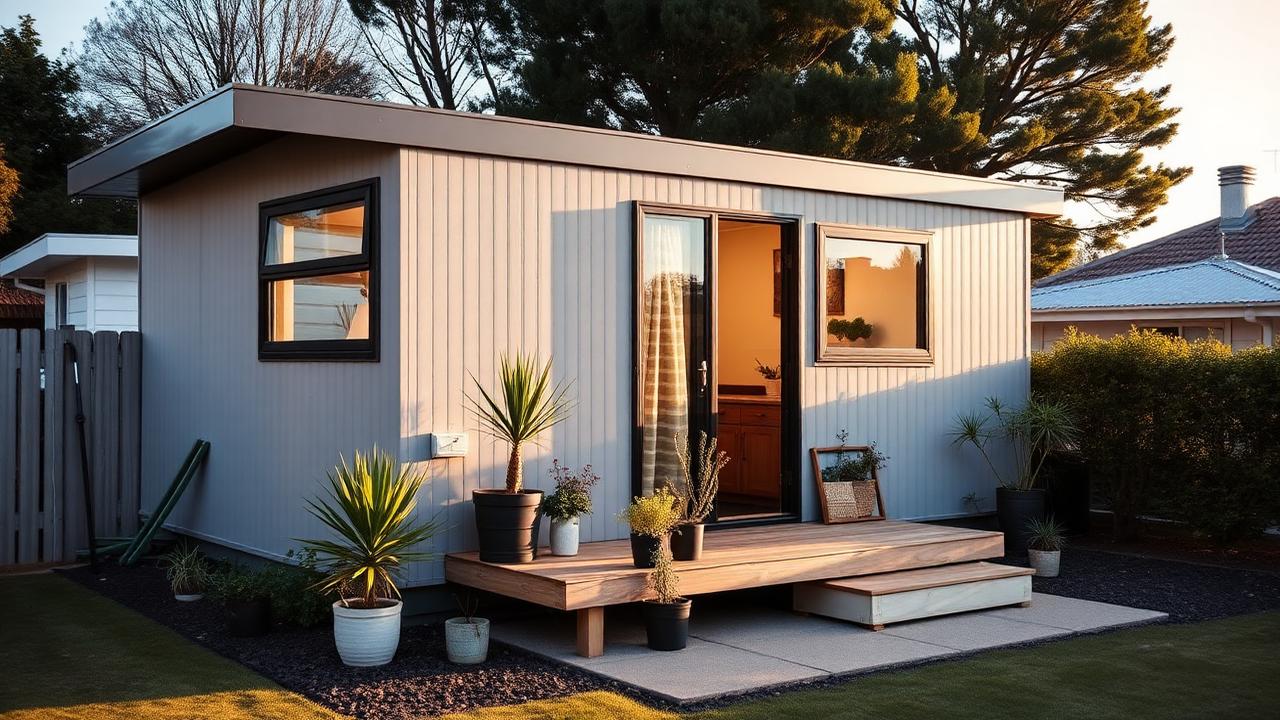
With the median well out of reach for many, a compact home offers a genuine way in — but only if you go in with your eyes open. Here's the honest case, and the catches.
A well-built tiny home is one of the warmest places you can spend a New Zealand winter. A badly built one is one of the wettest. The difference comes down to three things.
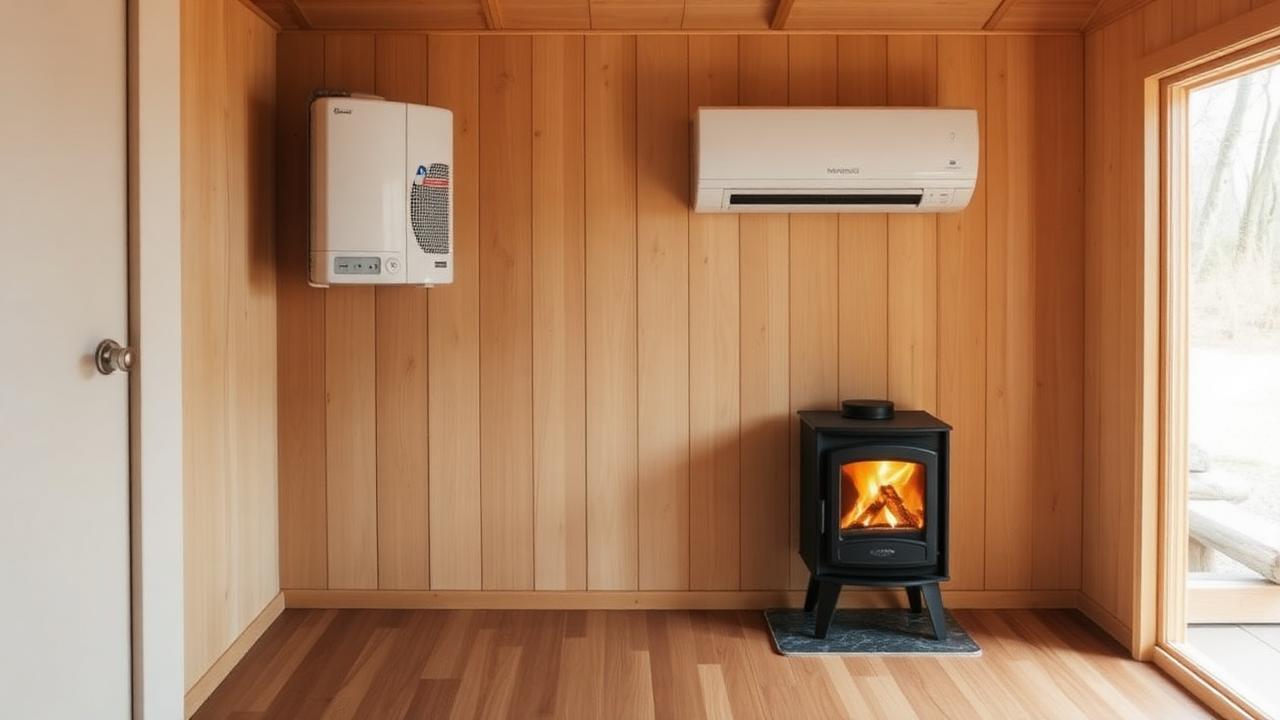
In a space this small, the wrong heater doesn't just cost more — it makes the home unliveable. Here's how the three main options actually perform.
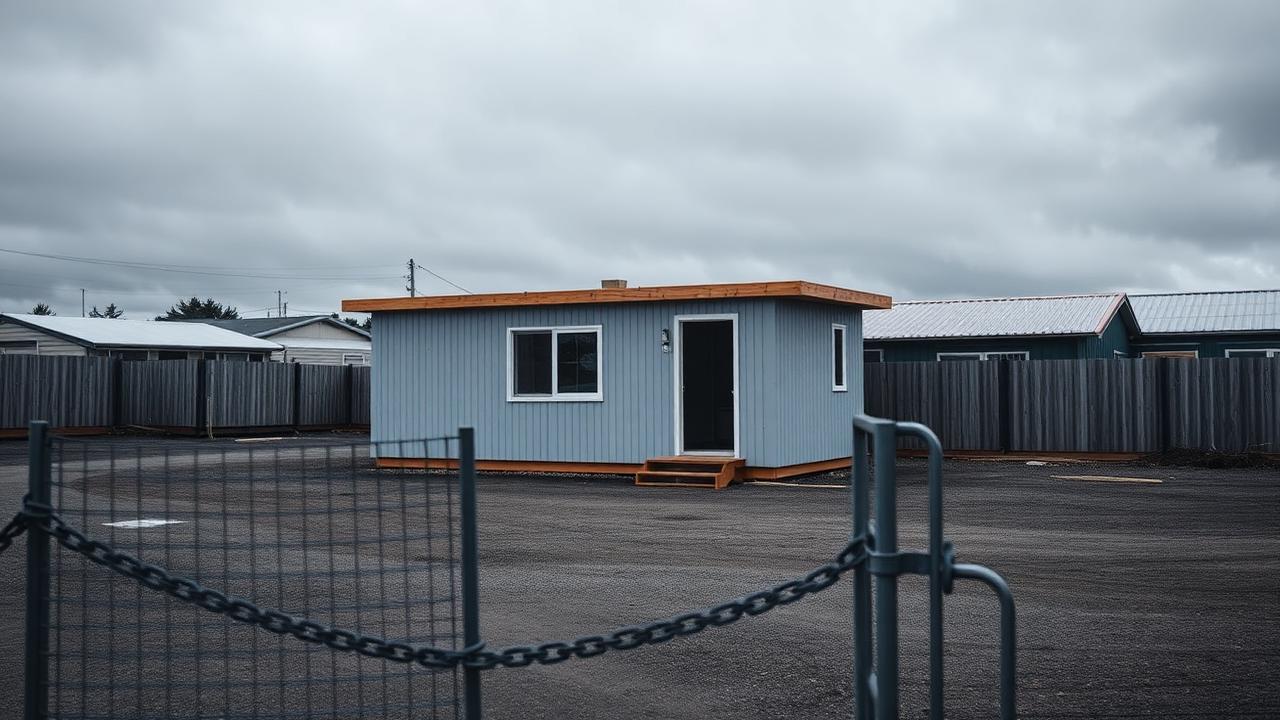
Several New Zealand tiny-home companies have collapsed in recent years, sometimes taking customer deposits with them. This is the part of the industry we'd rather not write about — and exactly why we do.

The cheapest home is no bargain if you can't borrow for it. Understanding how lenders categorise tiny homes is the single most useful thing a prospective buyer can do.
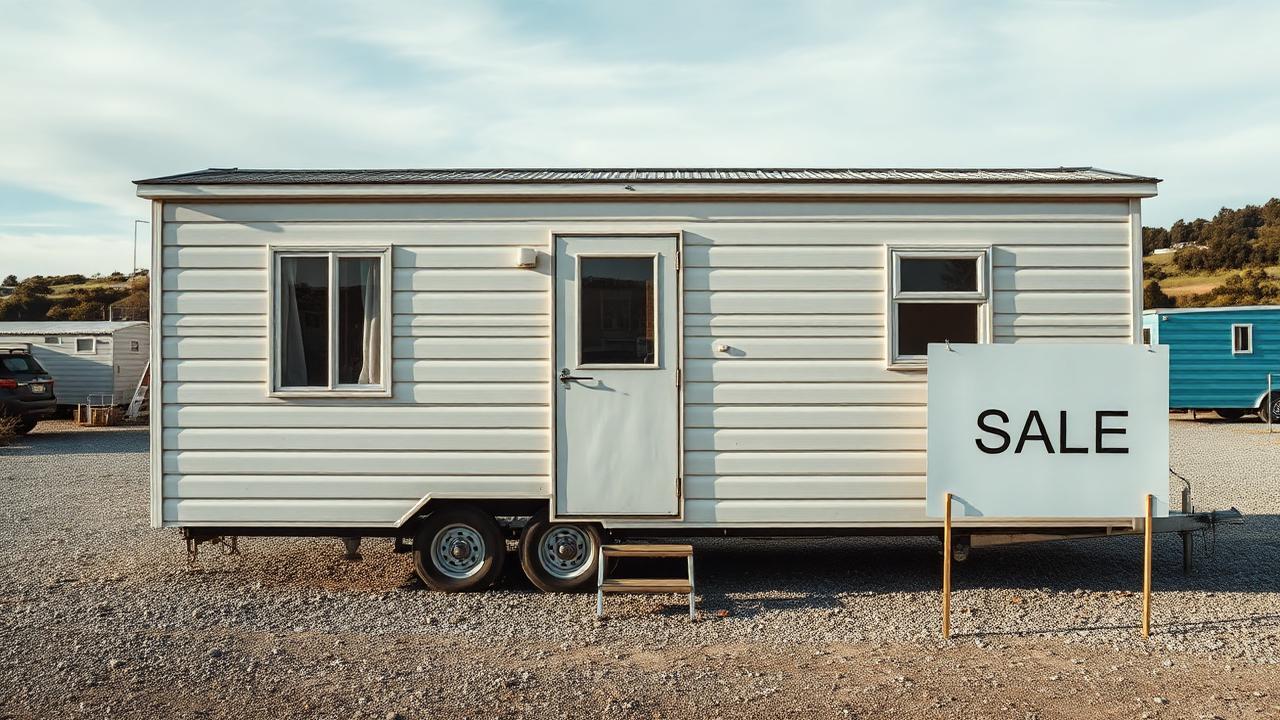
Good used tiny homes sell fast in New Zealand — often within days. What happens to their value over time is a more nuanced story than either the boosters or the sceptics admit.
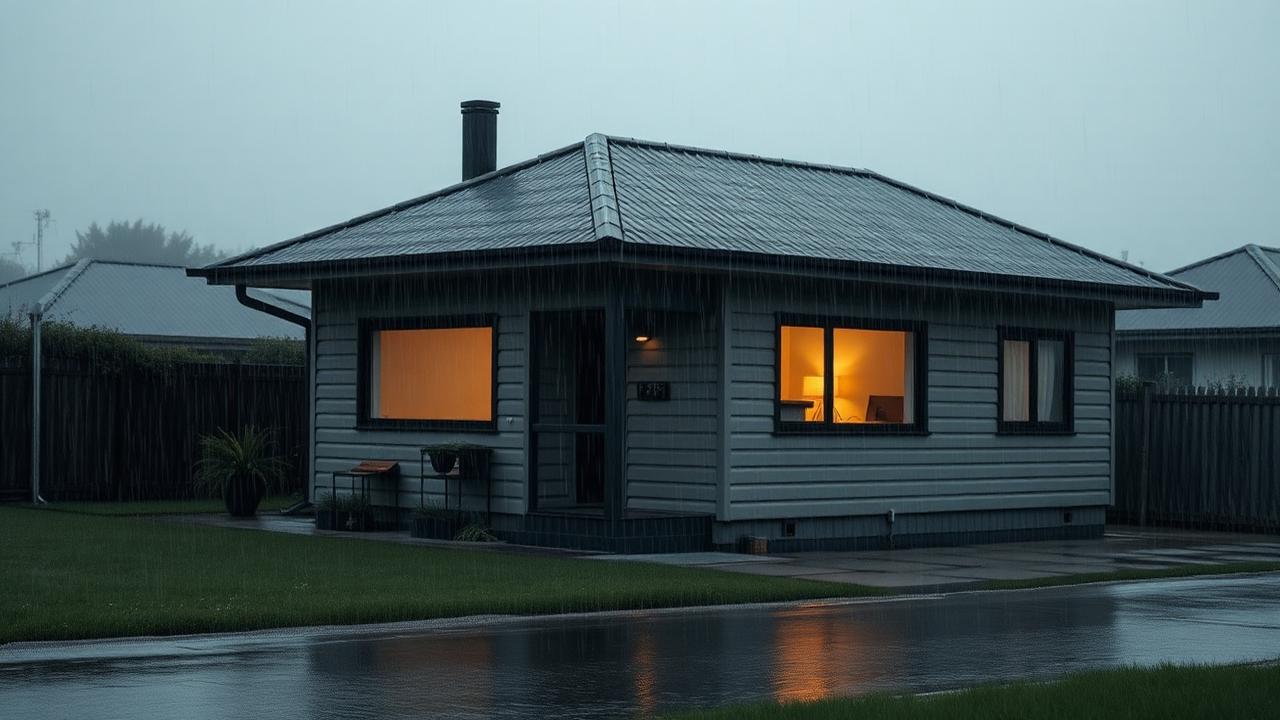
Standard house insurance often doesn't fit a tiny home, and standard contents cover doesn't either. Sorting out which policy you actually need is a job for before delivery day, not after.
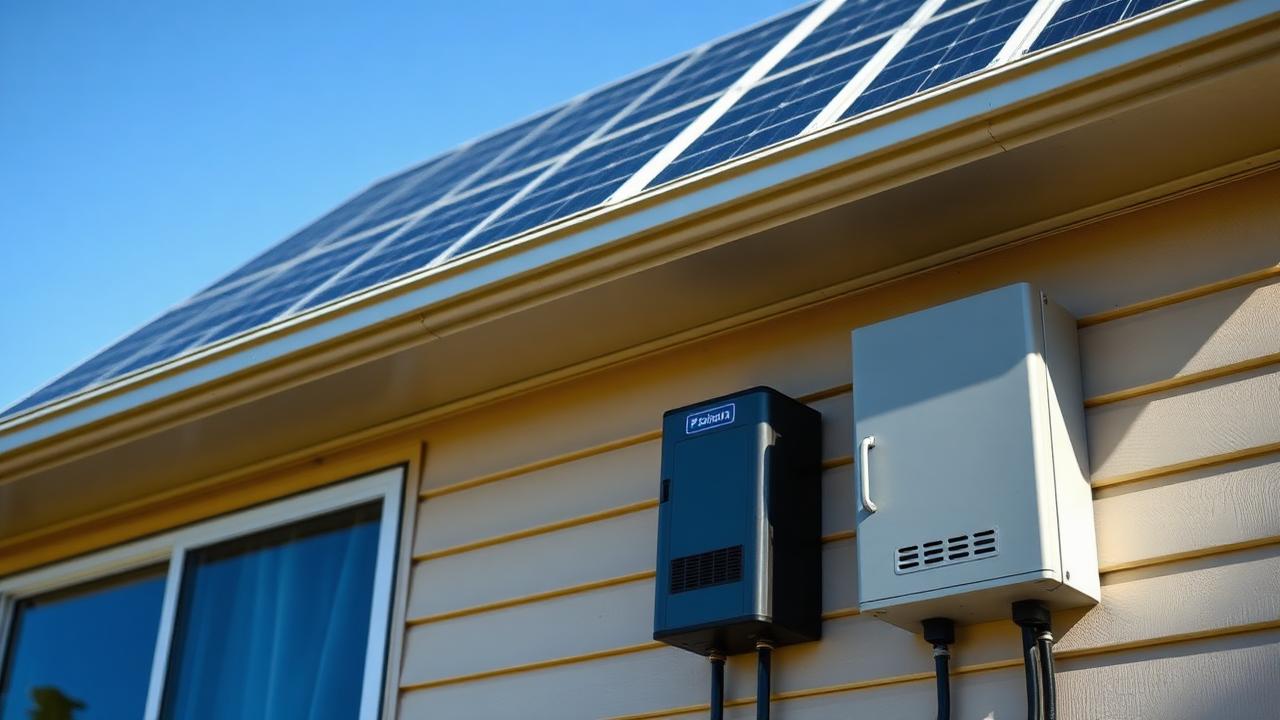
A tiny home is small enough that solar can realistically carry it. The trick is sizing the system for June, not for January.
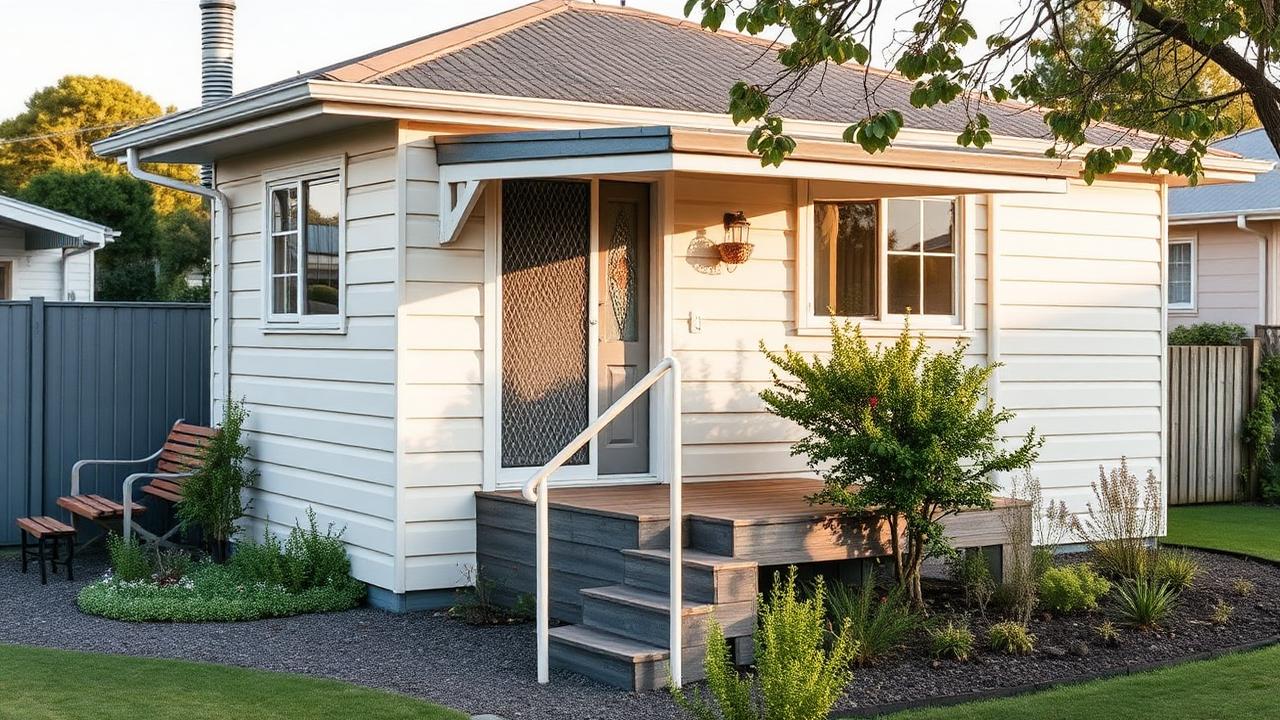
For a generation sitting on a mortgage-free family home and a garden they can no longer manage, going small isn't a sacrifice. For many, it's the first genuinely free decision in decades.
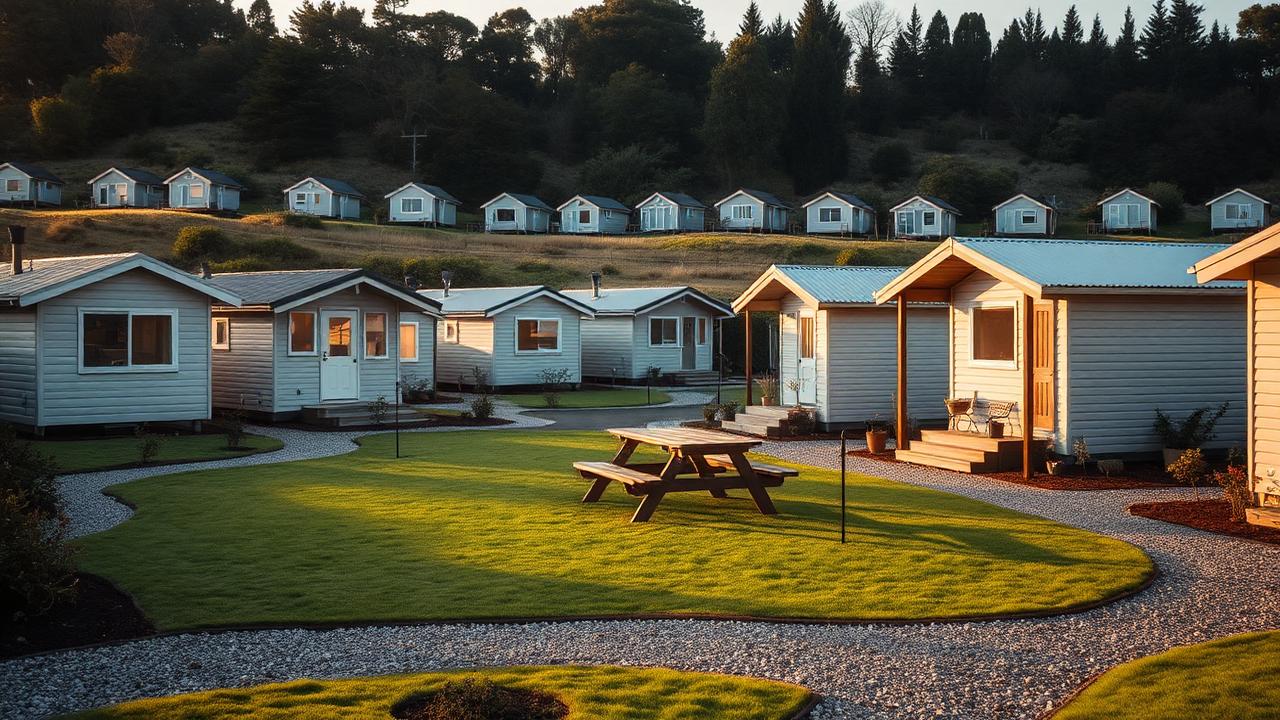
Clusters of small homes sharing land, services and a vegetable garden solve tiny living's hardest problem. They also introduce a new one: you now have neighbours with opinions.
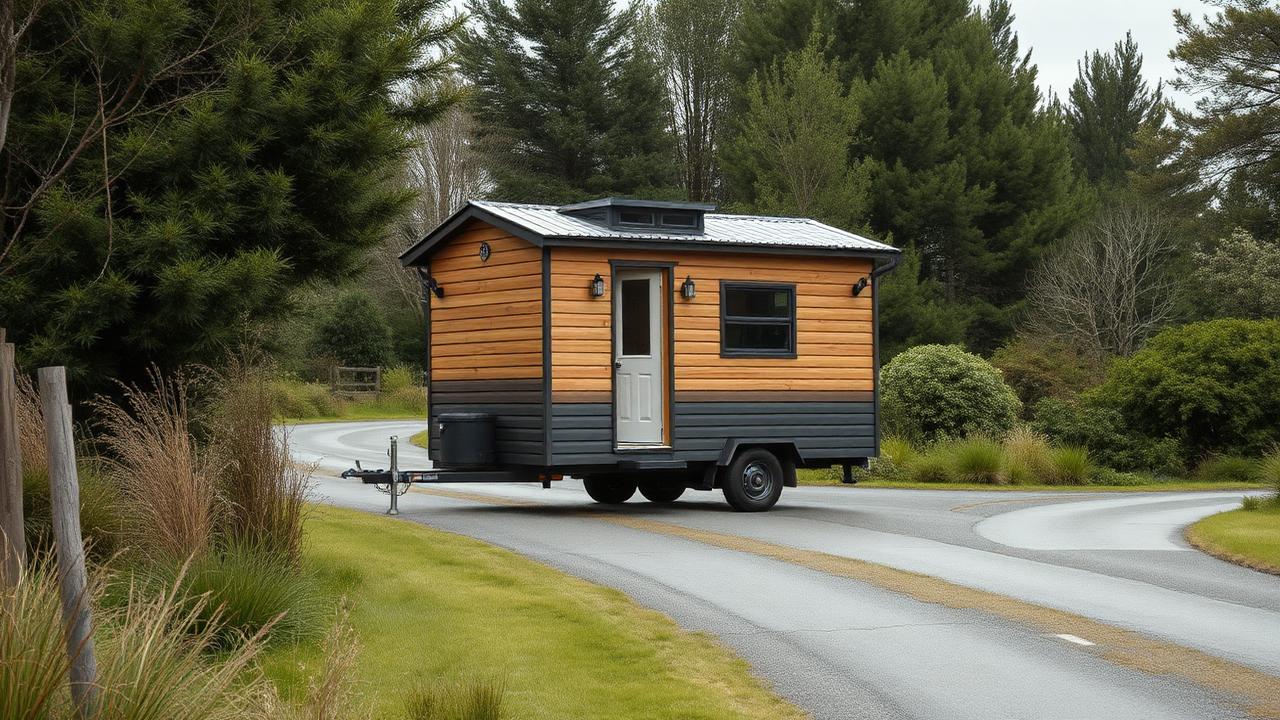
Your home can be built beautifully and still meet its match at your own gate. Access is the cost buyers forget and the problem that can't be solved with money on the day.
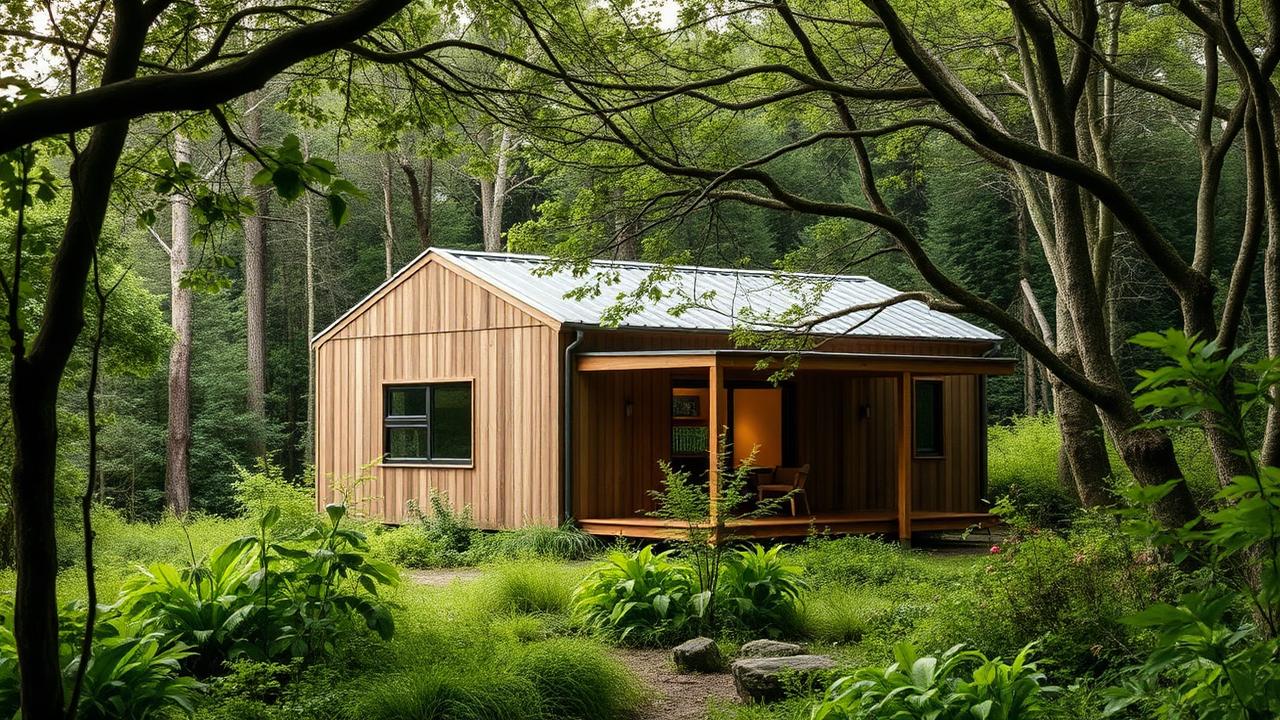
Building small is one of the most effective environmental decisions available to a homeowner. It's also not automatic — a badly specified tiny home can underperform a well-built house.
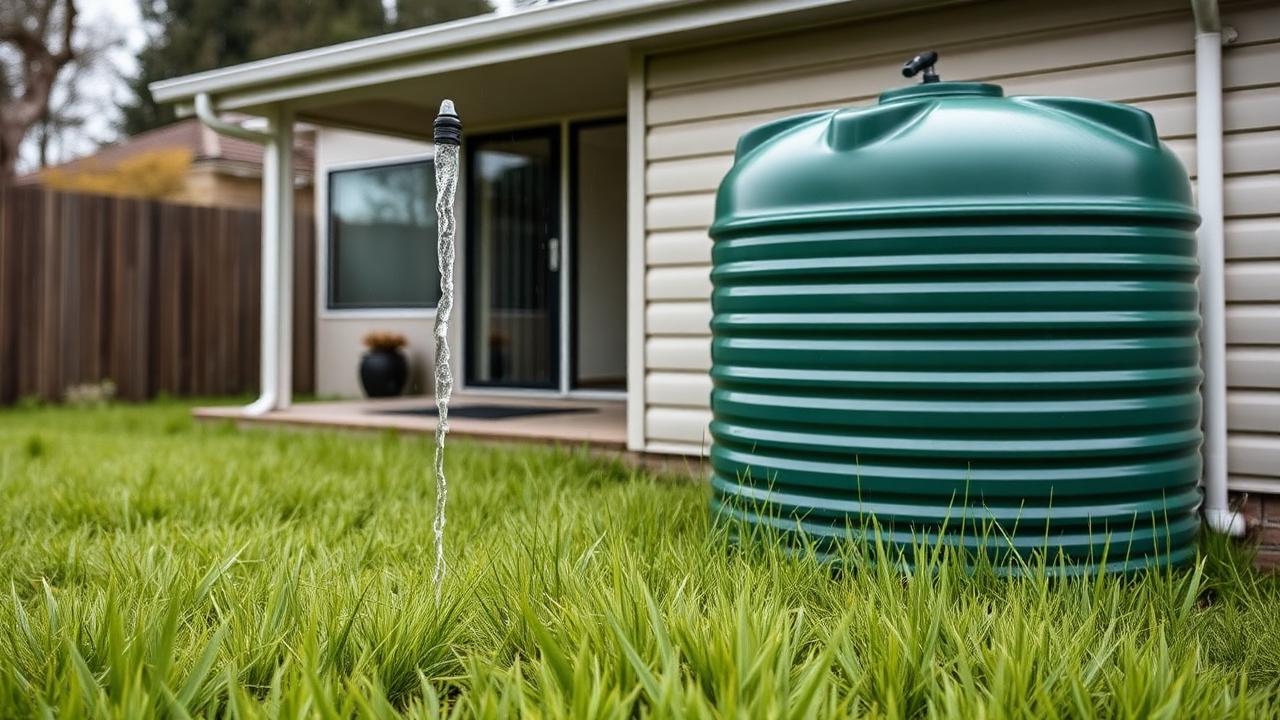
A small roof collects less water than a big one, which makes tank sizing a real calculation rather than a guess. The good news is that small households use remarkably little.
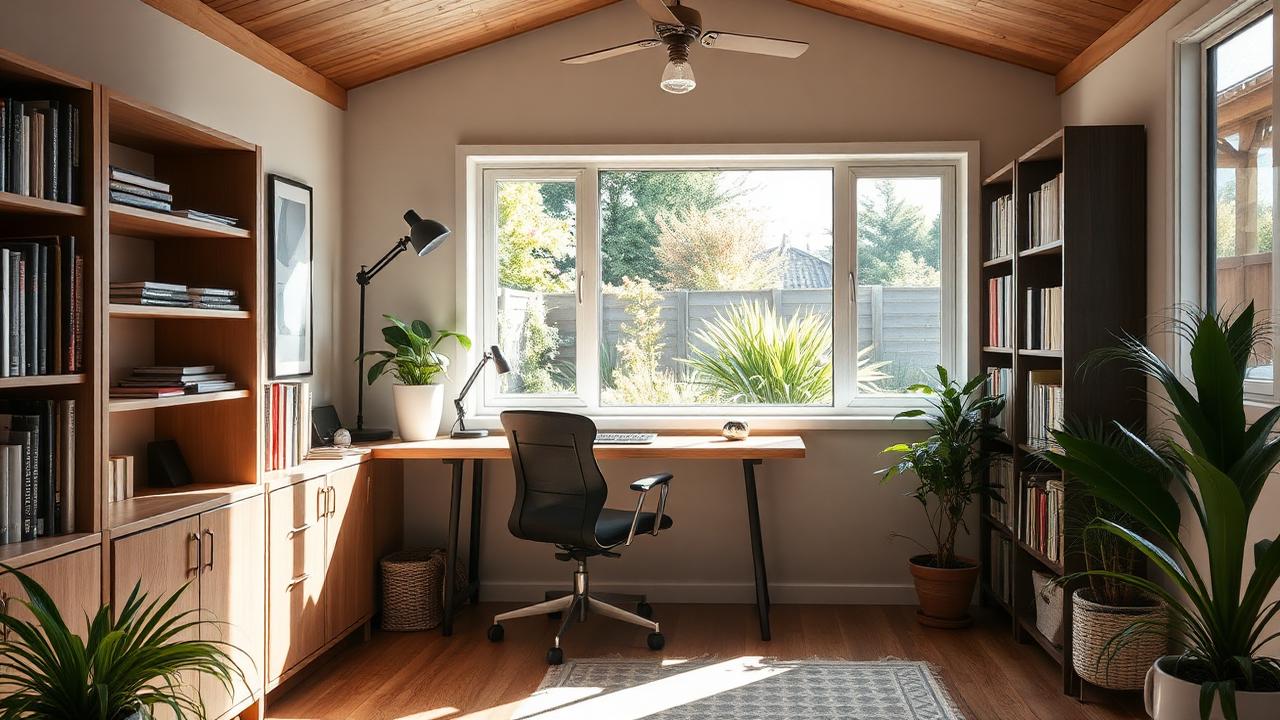
Working from the kitchen table stopped being charming around 2021. A purpose-built studio at the end of the garden is the version that actually works — and it's the fastest-growing use of small buildings in New Zealand.
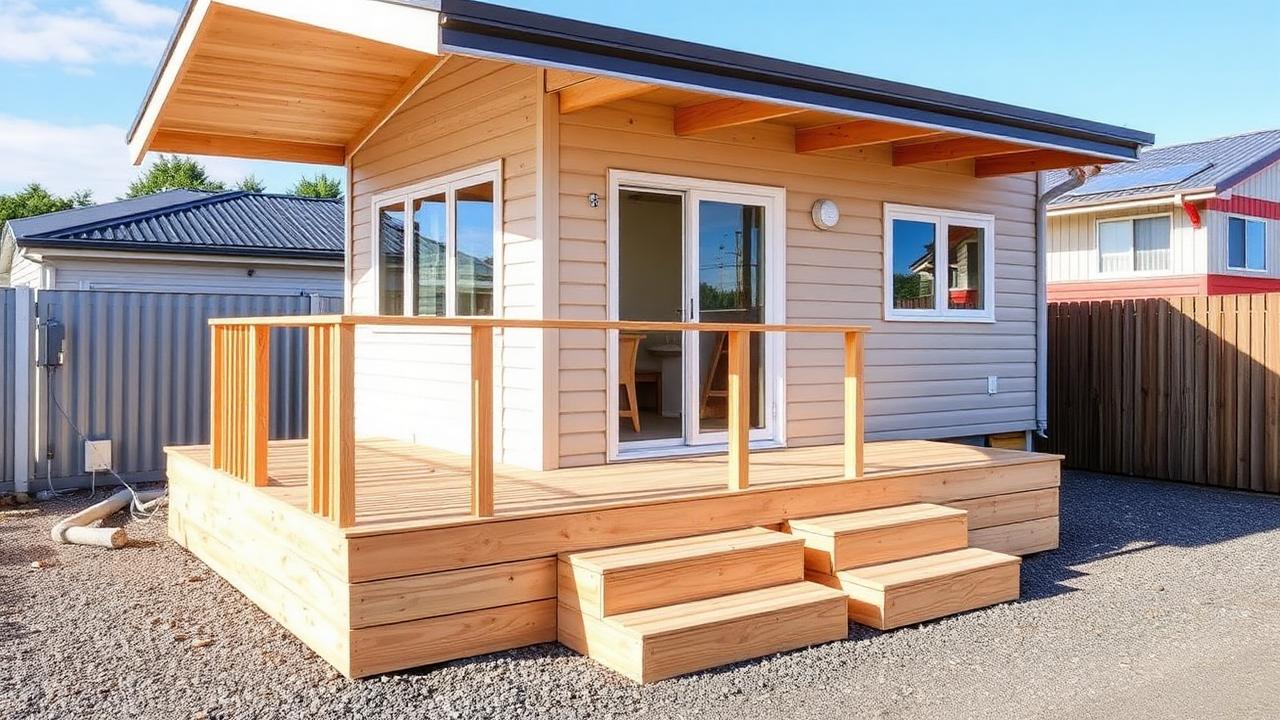
Two quotes for the same size home can differ by tens of thousands of dollars and both be honest. The difference is almost always in what the word "turnkey" is doing.
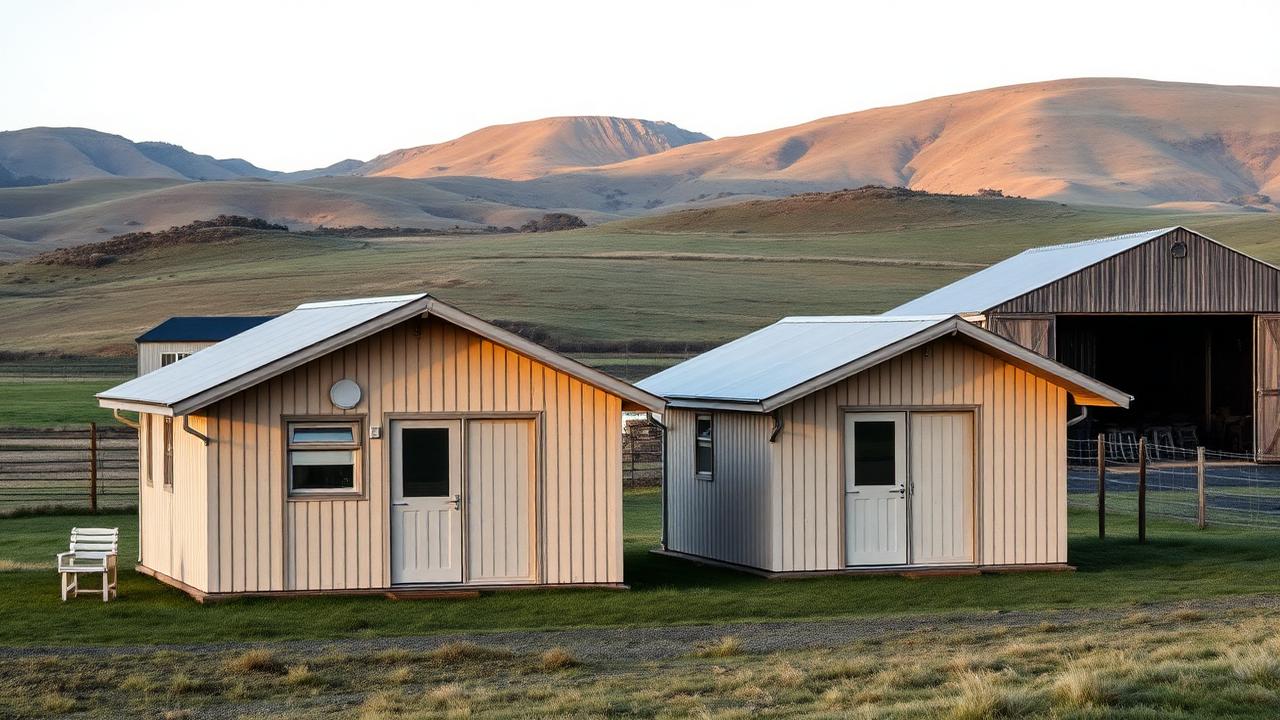
Getting good staff onto a farm has become a housing problem as much as a wages problem. A growing number of farm owners are solving it with transportable homes.
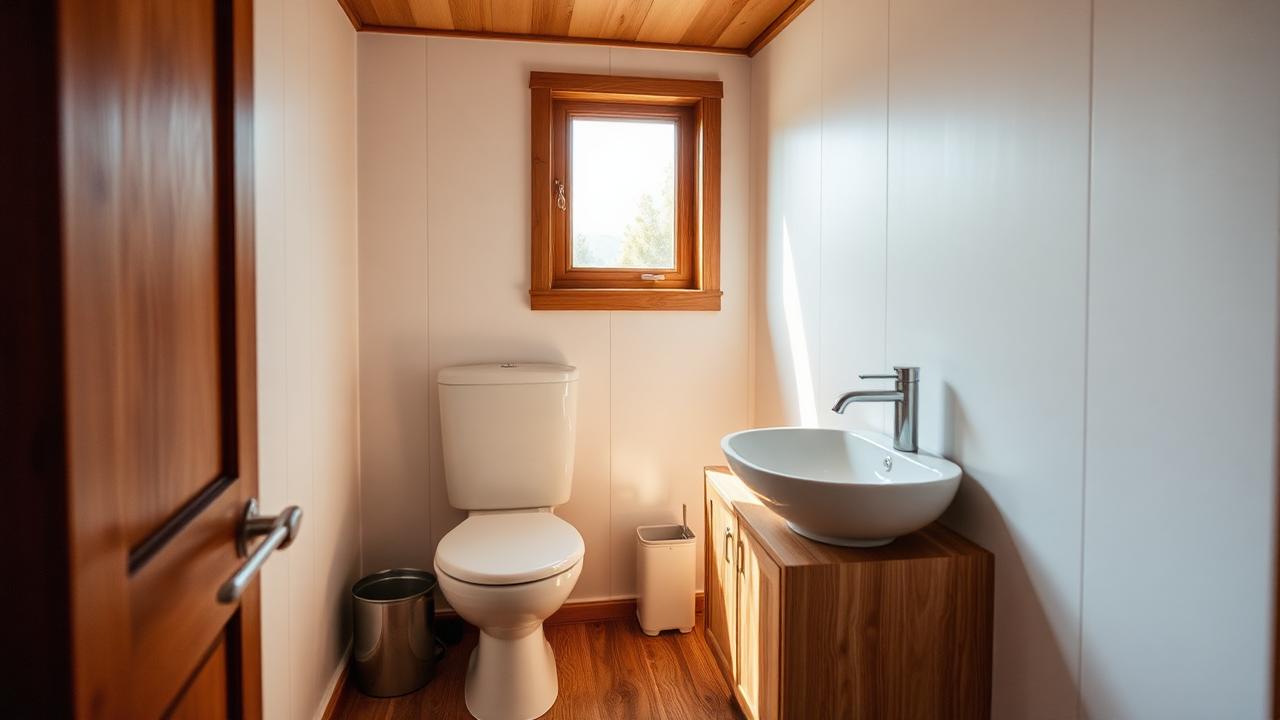
It's the question everyone asks and nobody wants to ask first. Here's how these systems actually work day to day — the good, the honest and the smelly.
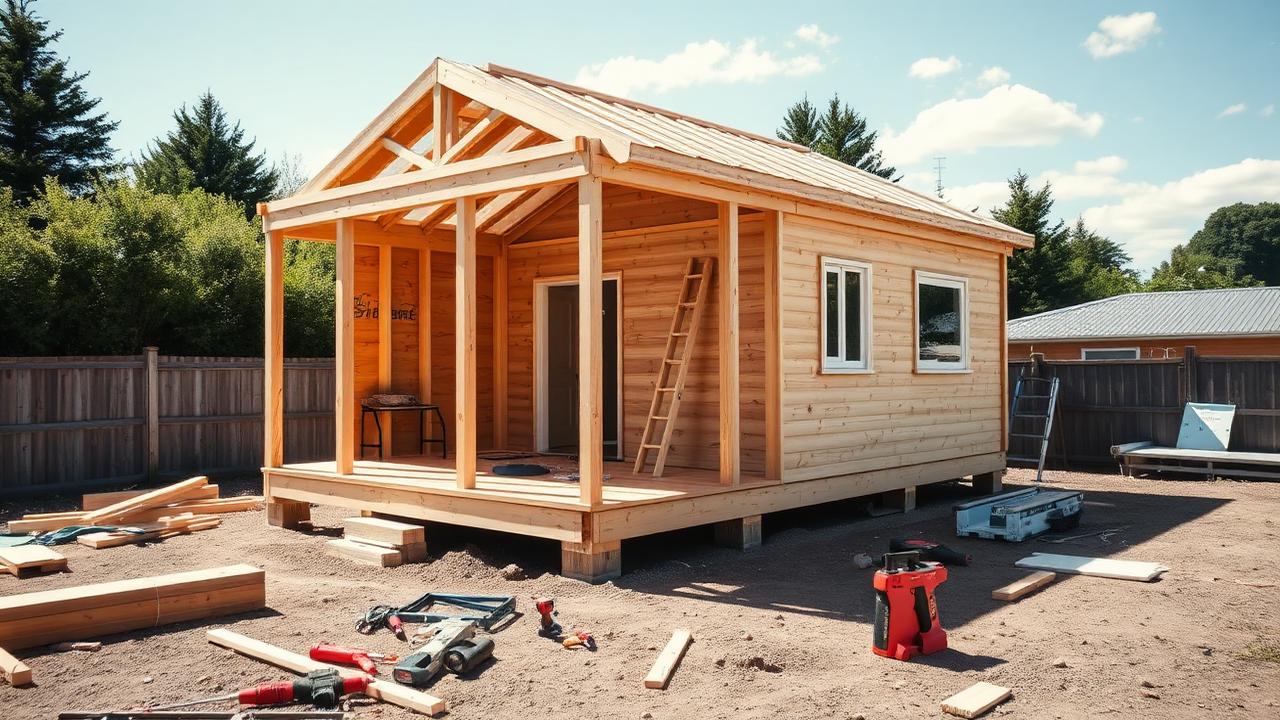
A kitset can save you a meaningful share of the build cost. It can also consume two years of weekends and cost more than a finished home. Which one happens is fairly predictable.
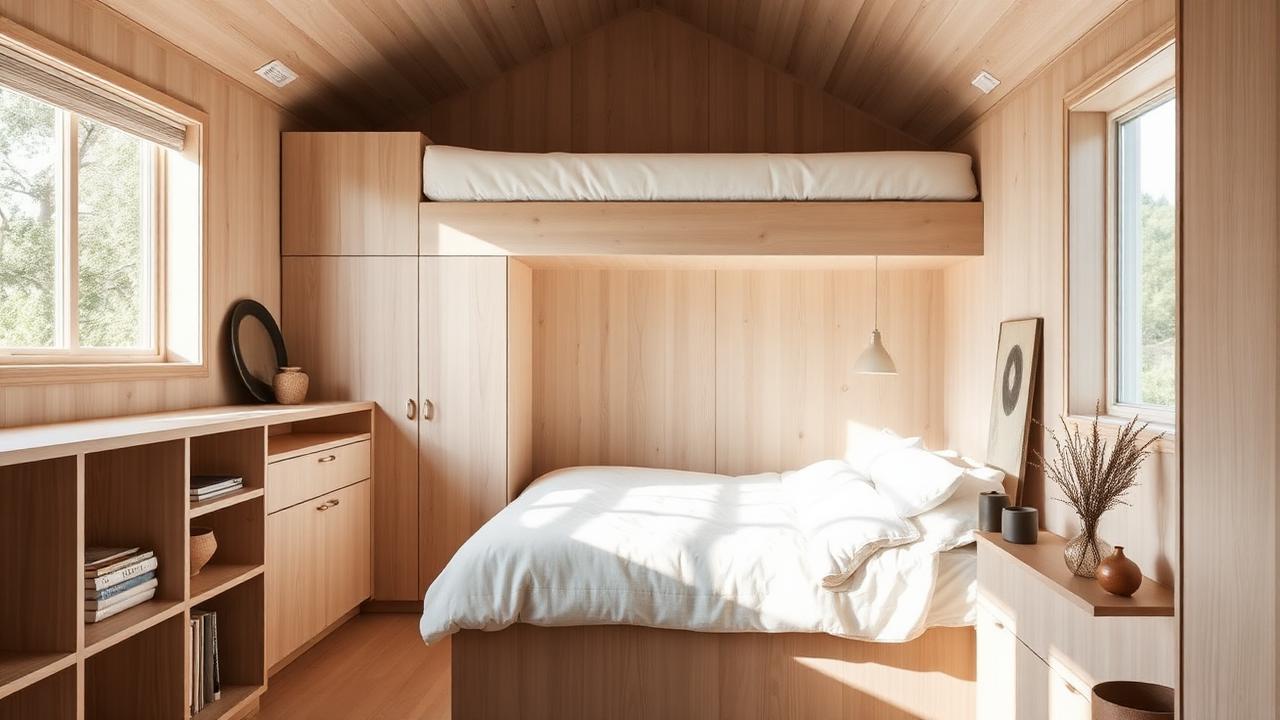
Small-home interiors have moved on from the fold-everything-away gymnastics of a decade ago. The current thinking is calmer, more built-in, and considerably more liveable.
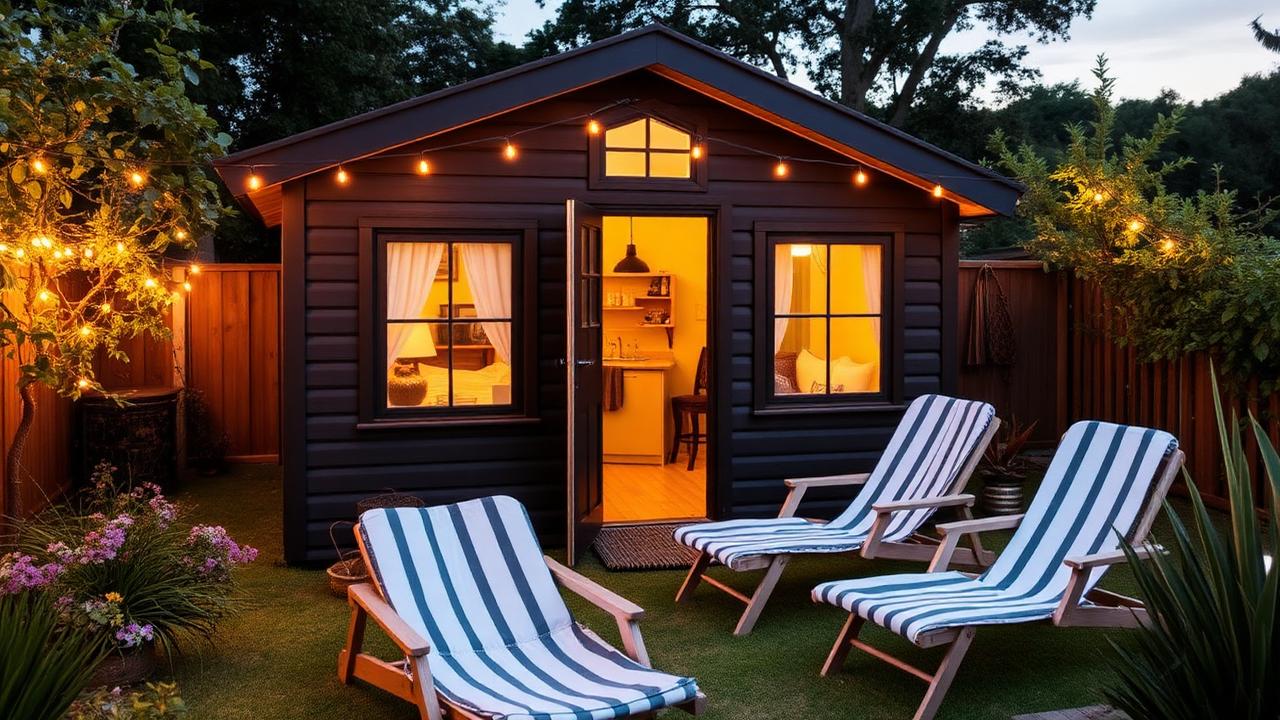
A small home in the back garden earning short-stay income is one of the more attractive numbers in the sector. It's also a business, and the brochures tend to leave that part out.
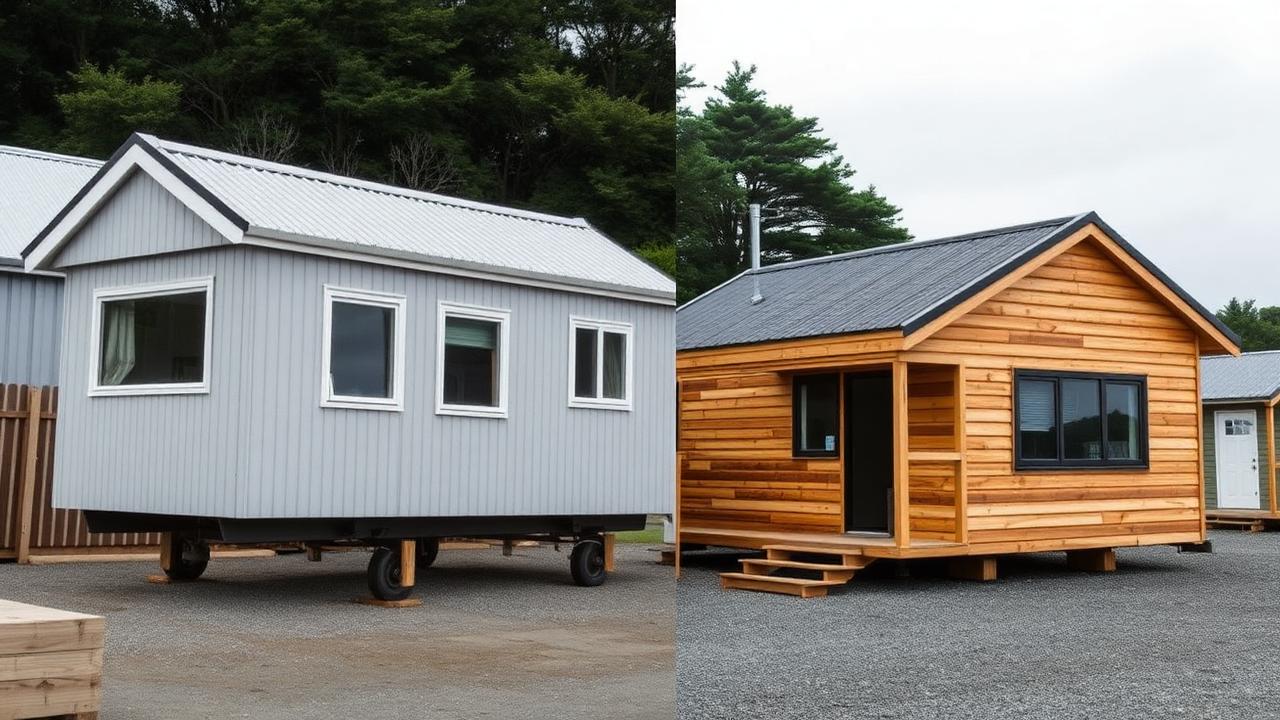
Imported cabins can cost a fraction of a locally built home. The gap is real, and so are the reasons for it — most of which only become visible after delivery.