Why More Kiwis Are Skipping the Housing Ladder - And Choosing This Smarter Option Instead
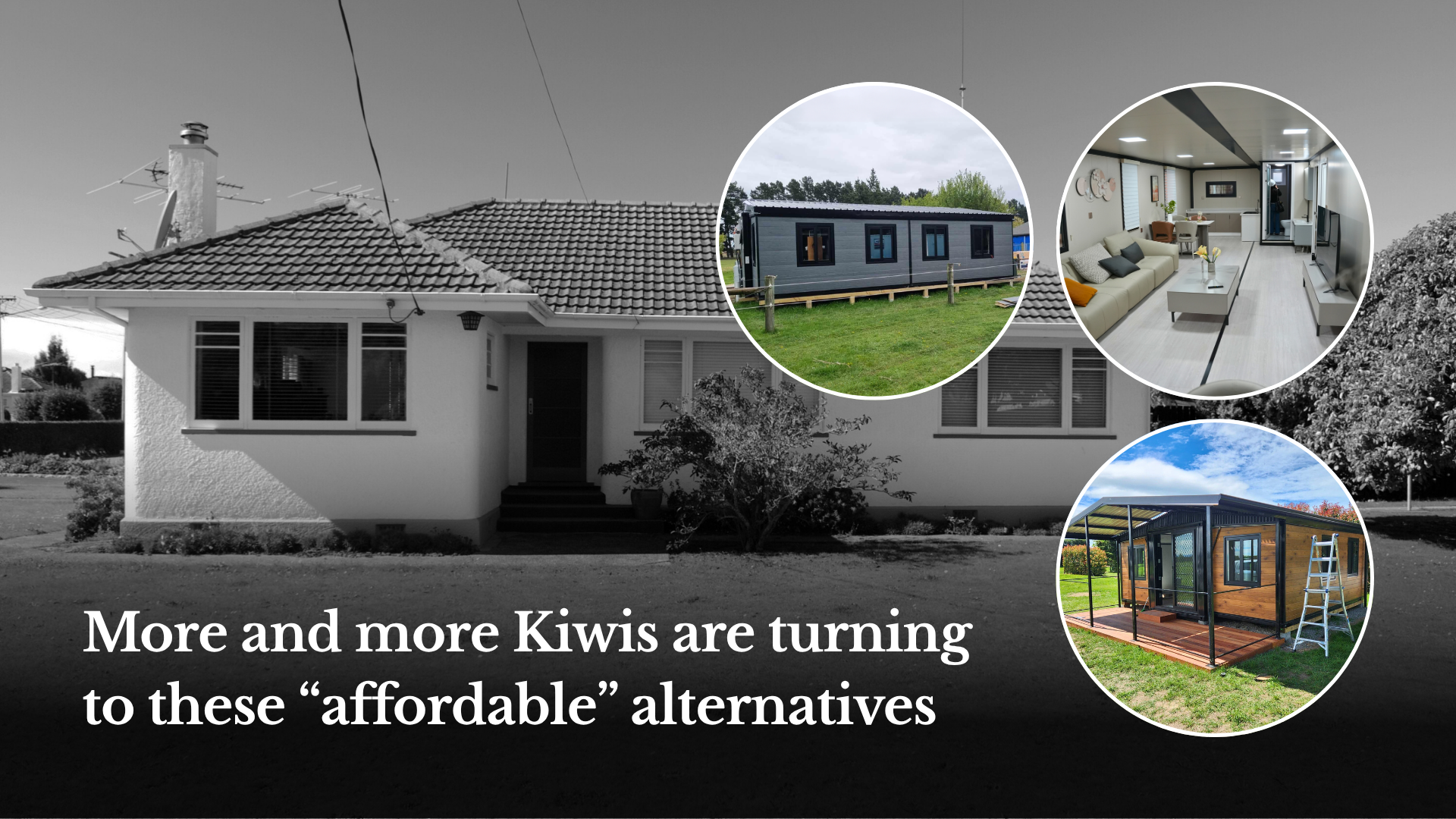
You've probably seen them popping up in your neighbour's backyard - small, modern cabins that look nothing like a traditional home.
What most people don't realise is just how fast the trend is growing - and why some Kiwis are ditching the housing rat race altogether for something smarter, faster, and far more flexible.
1. The NZ Housing Market Isn't Built for the Average Buyer Anymore
Homeownership used to be the default. But now?
- Median NZ house price sits around $900,000
- First home deposits are approaching $180,000
- Waitlists for affordable housing are at an all-time high
- Building costs have spiked 41% since 2019
Even with changes to mortgage rules and intensification laws, many buyers are still priced out… or burnt out.
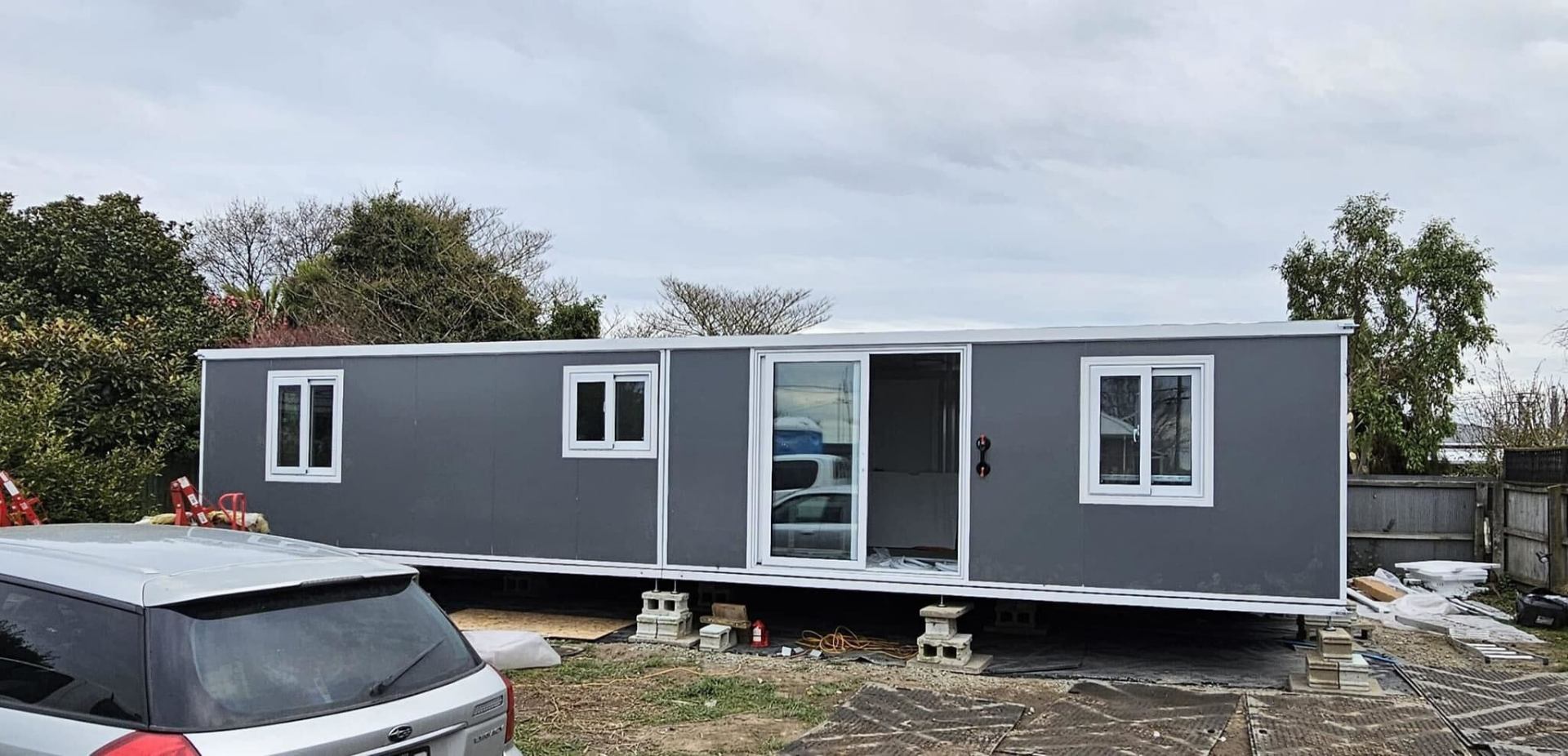
Tiny homes have become the quiet solution. For under $60K, you can own a fully-built, insulated, and certified home delivered to your land - no cranes, no concrete, no councils holding you up for months.
2. It's Not Just Cost - It's Control
You're not just saving money. You're buying time, freedom, and flexibility most people don't realise they can have.
Right now, many Kiwis are getting into a fully equipped, portable homes for under $300 per week with finance - often less than what they're paying in rent. And unlike rent, every dollar goes toward owning an asset that can later be relocated, onsold, or even converted into rental income.
Compare that to a typical $500+ per week rental in most NZ cities - where your money disappears the moment it leaves your bank account.
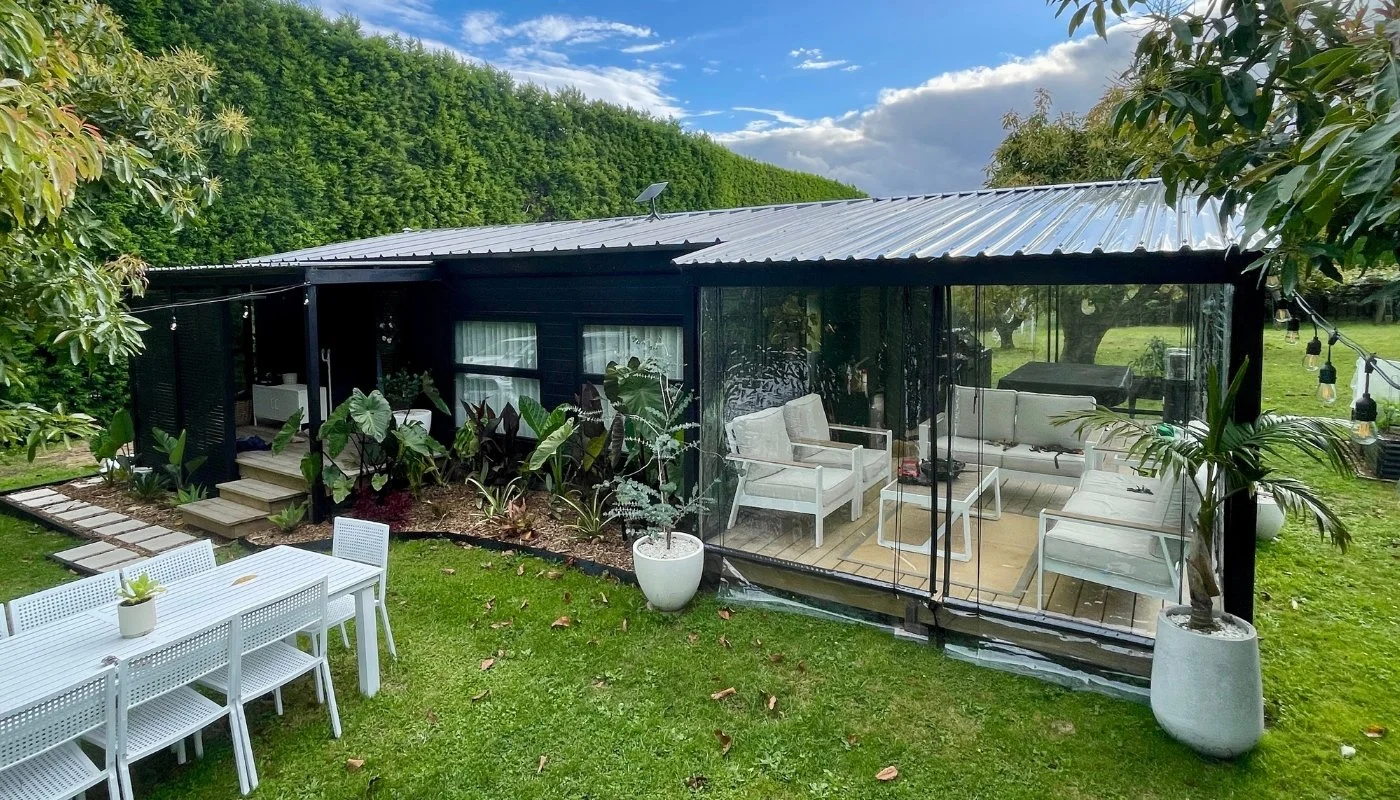
- Want to build an Airbnb on the back paddock? Done.
- Need a separate space for family, guests, or a home office? Easy.
- Want to move it to another section or onsell it later? No problem.
Some buyers choose to add a second unit later, building a flexible cluster over time. Others use them as starter homes while they save or wait for zoning to change.
Of course, this isn't financial advice, and everyone's situation is different, but for many, it's proving to be a smarter path forward. One with more options, ownership, and control than most realise they can access.
And the best part? It's not roughing it.
Modern suppliers now offer premium layouts with full kitchens, tiled bathrooms, double glazing, and compliant electrical systems - all prebuilt and delivered ready to go.
It's not a downgrade. It's just smarter living.
3. But Not All Tiny Homes Are Built the Same
Here's the part no one talks about - most tiny homes being sold in NZ today aren't built for New Zealand.
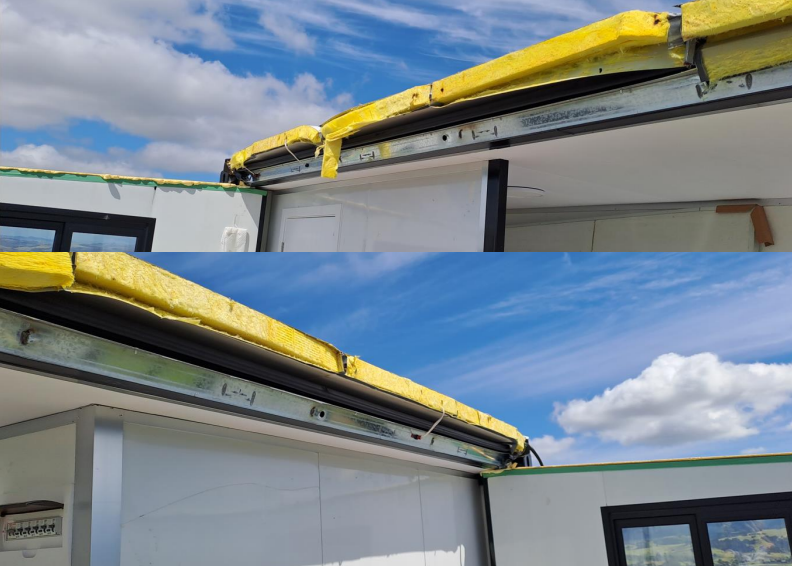
They're imported in bulk, built with thin steel and fake certification. No insulation. No grounding. Non-compliant wiring. And once you've paid the invoice, there's no local support if something goes wrong.
What looks good on Facebook Marketplace or TradeMe can turn into a very expensive lesson when things start to leak, warp, or short-circuit.
4. What Happens When You Go Too Cheap
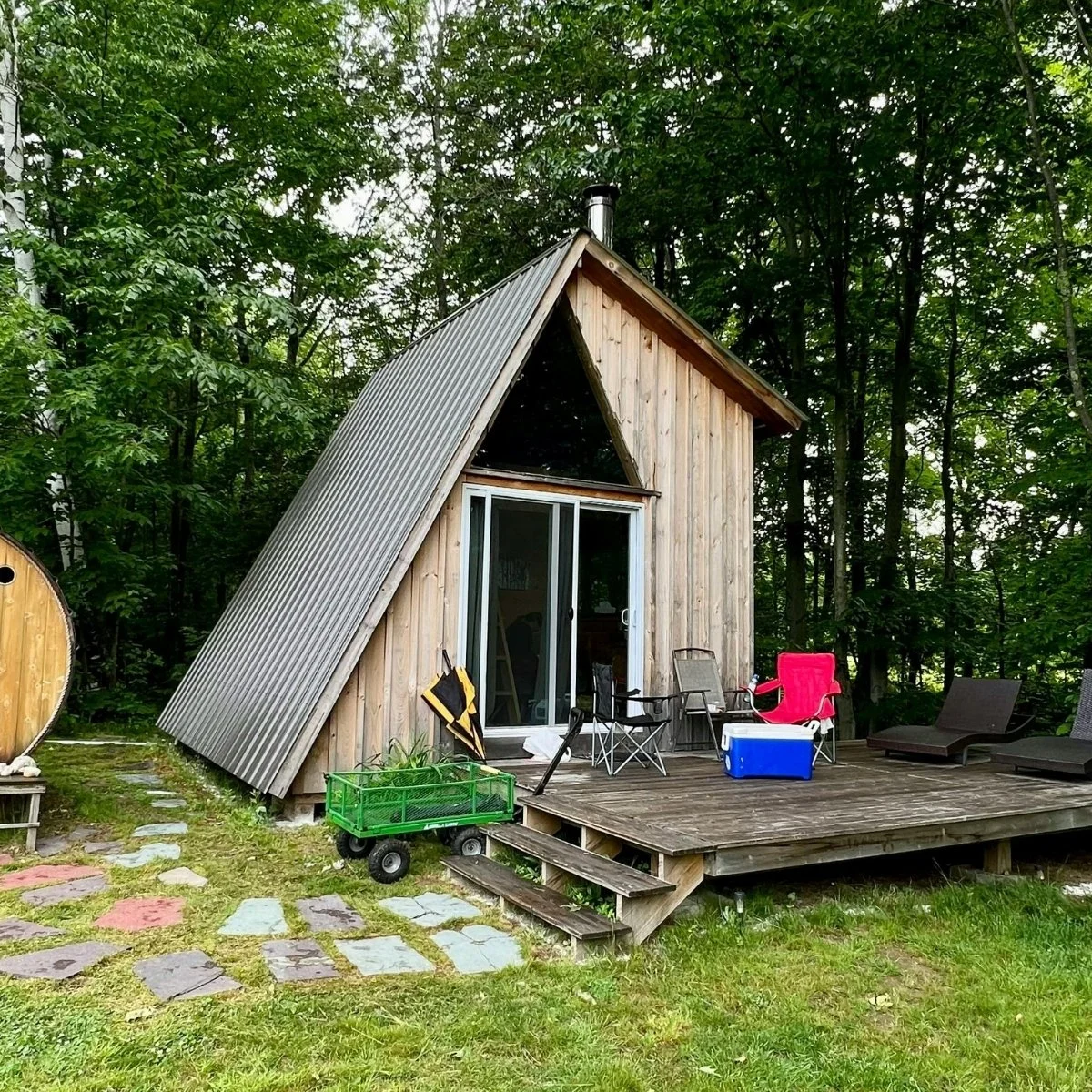
We've spoken with dozens of buyers who tried to save money by choosing the cheapest prefab option - and paid for it later.
It looked great in the ad…
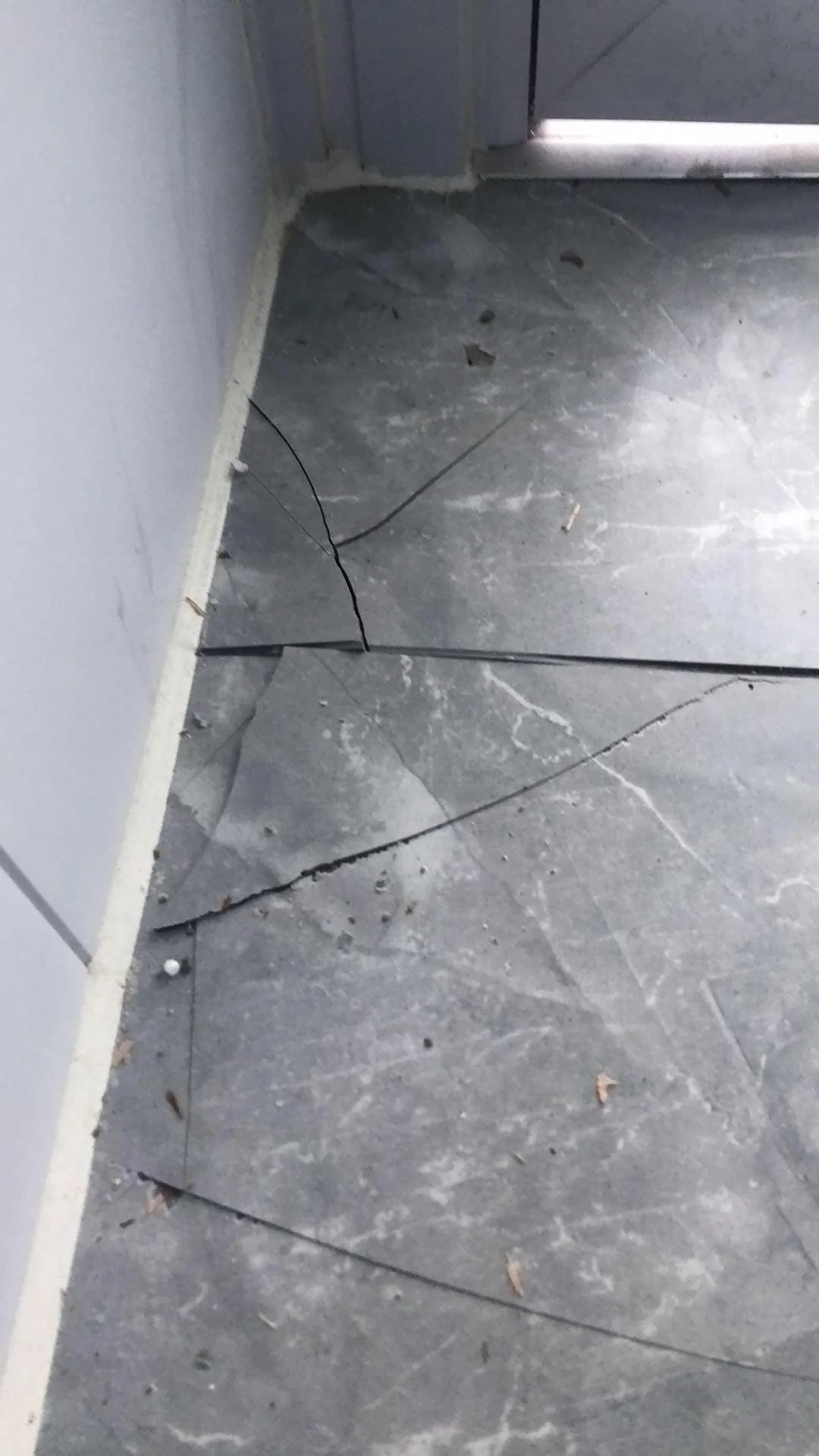
One family's $31K cabin arrived with no insulation, paper-thin walls, and a warped floor. The seller vanished within months.
Our electrician refused to connect it.
A unit sold as “plug-and-play” failed basic NZ safety checks. The buyer had to spend $9,000 fixing the electrical system from scratch.
It was leaking by the first winter.
With a broken floor and non-compliant windows, one couple watched mould grow inside the walls - and couldn't get support.
These aren't one-off horror stories. They're becoming common as low-cost, non-compliant cabins flood the NZ market.
We get messages every week asking if we can fix someone else's mess. Sometimes we can. Sometimes it's too far gone.
If you're thinking long term, choose a supplier that backs what they build and will still be around to support you in a year's time.
5. What Smart Buyers Are Doing Instead
Across the country, more people are turning to high-spec portable homes - locally backed, fully compliant, and designed specifically for New Zealand conditions.
They're not the cheapest units on the market. But they last. And they're built with real materials, NZ-certified components, and long-term support.
There's one name that keeps coming up…
We'd seen Expanders® around for months and finally checked them out. Best decision we made.
6. How Expanders® Quietly Became NZ's Go-To for Portable Living
Expanders® was one of the first in the game - and it shows.
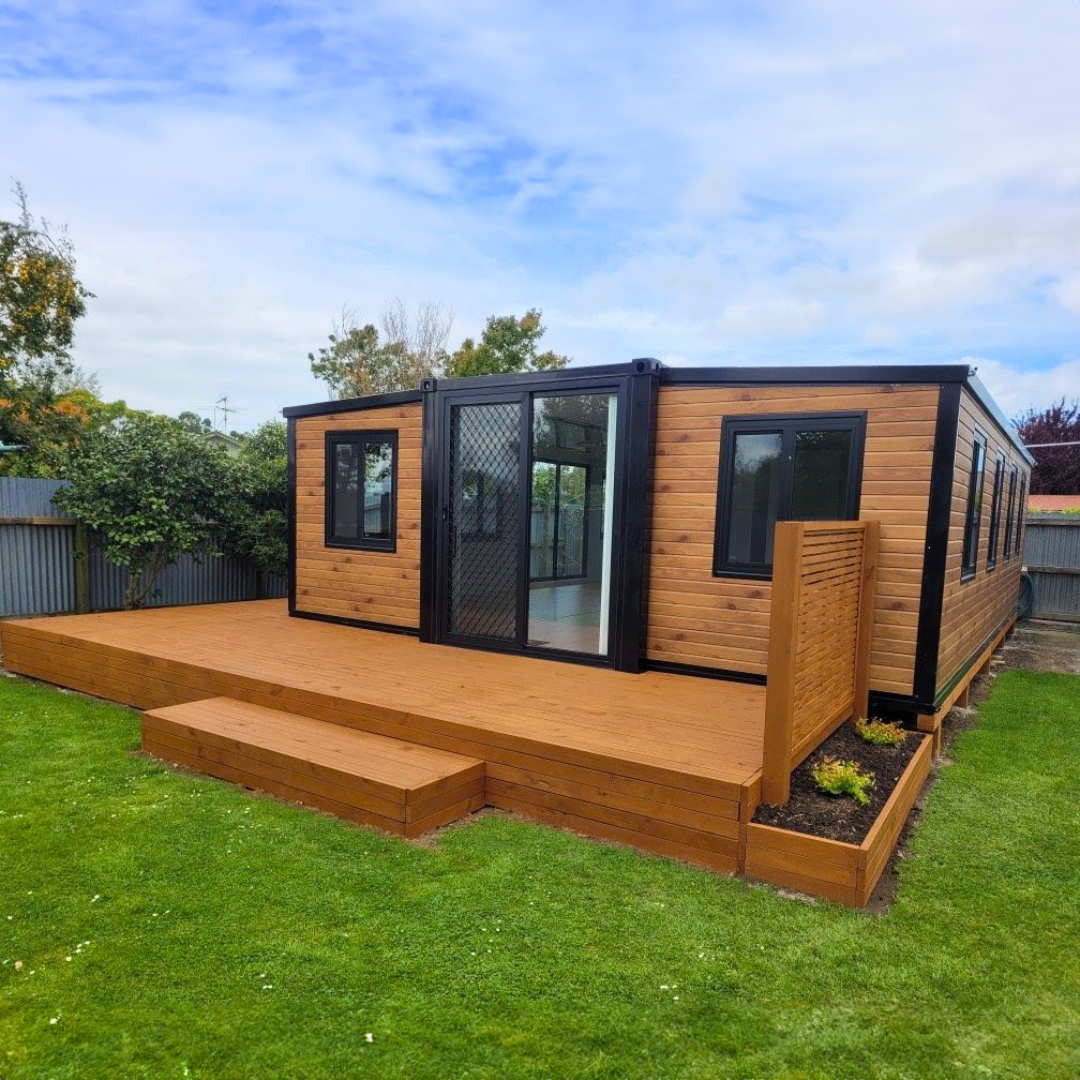
They've built and delivered over 400+ units across the country over the last 3 years alone. They work with NZ-based engineers. Their homes are certified for NZ electrical and plumbing. And they offer models ranging from compact 13m² studios to full 72m² multi-room homes.
Here's what sets them apart:
- Fully NZ-compliant builds with verified electrical and plumbing
- Proper insulation, steel framing, and double glazing as standard
- On-the-ground support and showroom viewings in Christchurch
- Transparent delivery, install, and pricing process
In an industry full of shortcuts, they've built a reputation on doing it properly - even when no one's looking.
7. Before You Buy Any Portable or Tiny Home in NZ – Read This
Every month, more competitors enter the market. Some drop prices. Some disappear weeks later. And many buyers are left with homes that don't meet code, don't hold value, and don't last more than one wet winter.
If you're considering a portable home, here's what you need to ask:
- Is it NZ-certified for electrical and plumbing?
- Is it insulated to NZ building standards?
- Will the supplier support you 12 months from now?
- Can you view the unit in person before you buy?
Those who ask these questions end up choosing wisely. Those who don't, often call Expanders® later – asking if their team can fix someone else's mess.
The Bottom Line
Tiny homes aren't just a trend. They're a response to a broken housing system - and a path to smarter, more flexible living. But like any fast-growing market, the wrong choice can cost you.
Expanders® are New Zealand's highest-rated seller of expandable tiny homes - and with their price-beat guarantee on comparable models, they are a no-brainer choice for serious buyers.
Learn more about Expanders® at expanders.co.nz.