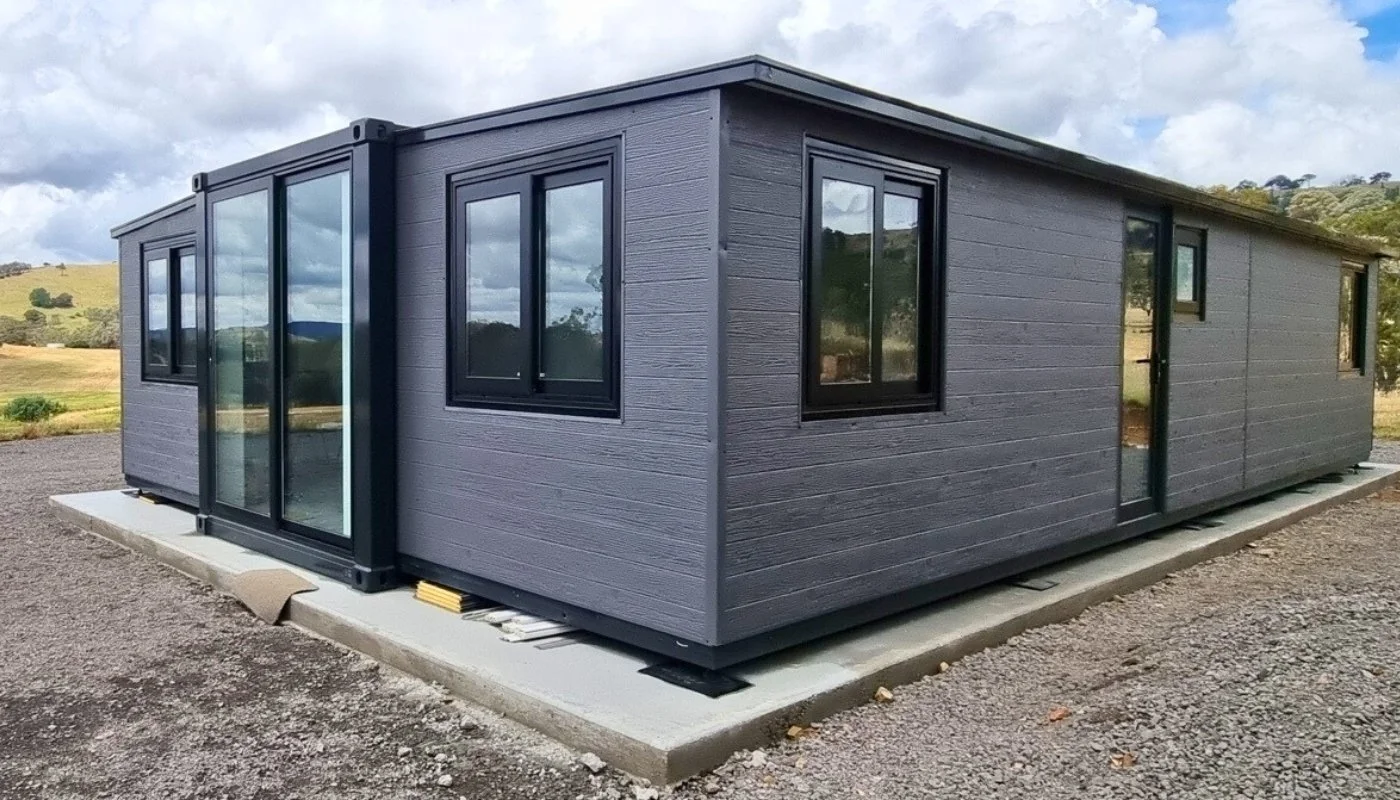
You've Already Won the Hardest Part.
Build costs are insane. Builders are booked out. Banks won't lend. None of that matters as much when you already own the land and most people sitting on a section don't realise how many options that gives them.
· By Hana Mitchell
You've got land. You're still stuck. Why?
You own a section, or your parents do, or your in-laws are sitting on a 10-acre block. You've talked to builders — the cheapest quote came back at $550k+ and a 14-month wait. You've talked to the bank — they want a finished build before they'll lend properly. You've thought about doing it yourself — and you're not actually mad enough yet. So the land sits empty while you keep paying rent. There's a smarter way out, and it doesn't involve a half-million-dollar build loan.
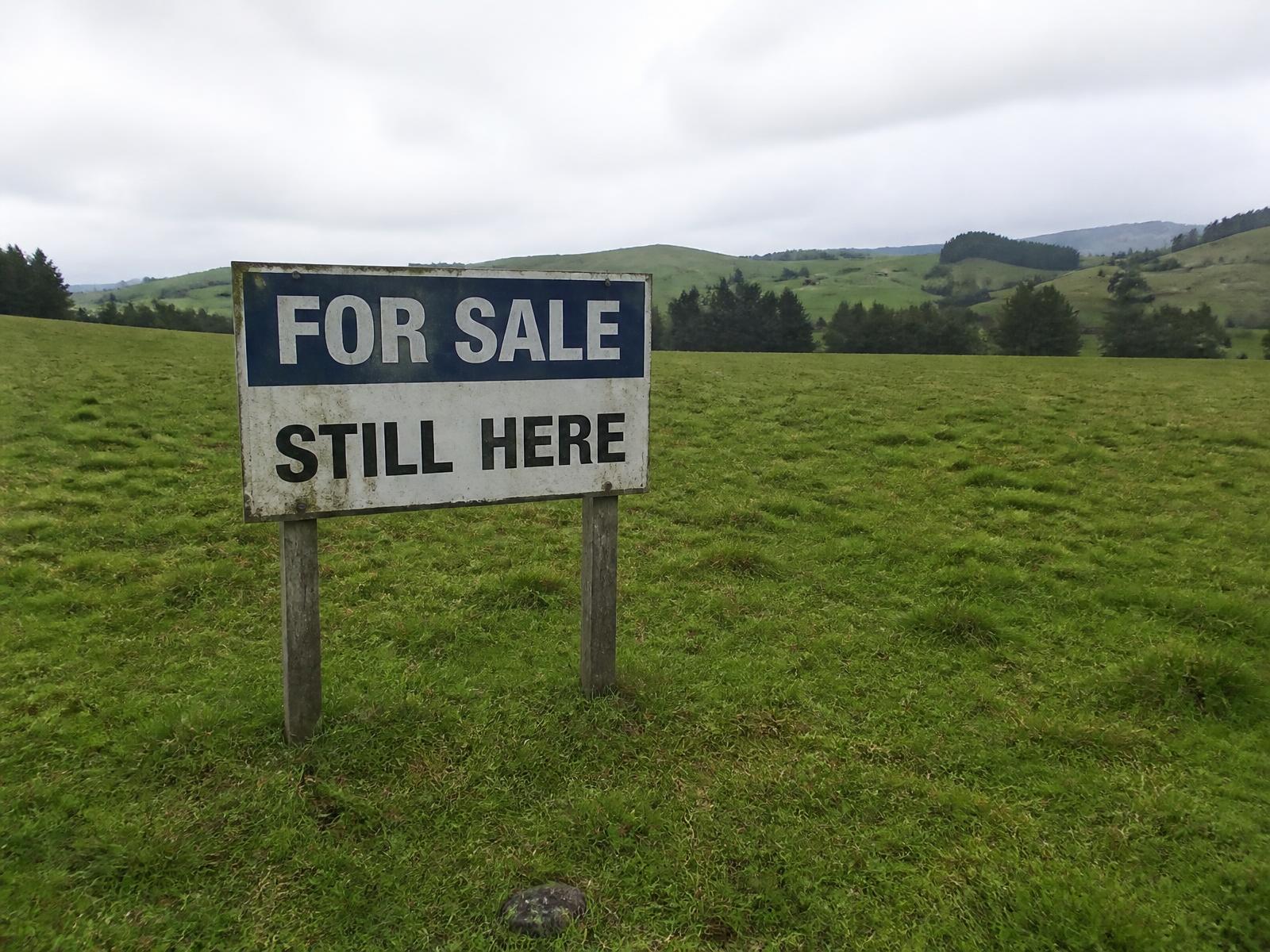
The land was always the hard part.
Land in New Zealand is the bottleneck. It's what kept your parents' generation in starter homes for 30 years. It's what's pricing your kids out. If you already own a section — bought it, inherited it, or have access through family — you're holding the asset everyone else is fighting over. The build itself? That's the bit that's actually got cheaper, faster, and smarter in the last few years. You just haven't been told about it.
7 Smart Ways Kiwis Are Using the Land They Already Own
Each one of these is being done right now, by real people, on real sections, across New Zealand. Pick the one that sounds like your situation.
1. Drop a Unit on the Rural Block You Can't Afford to Build On
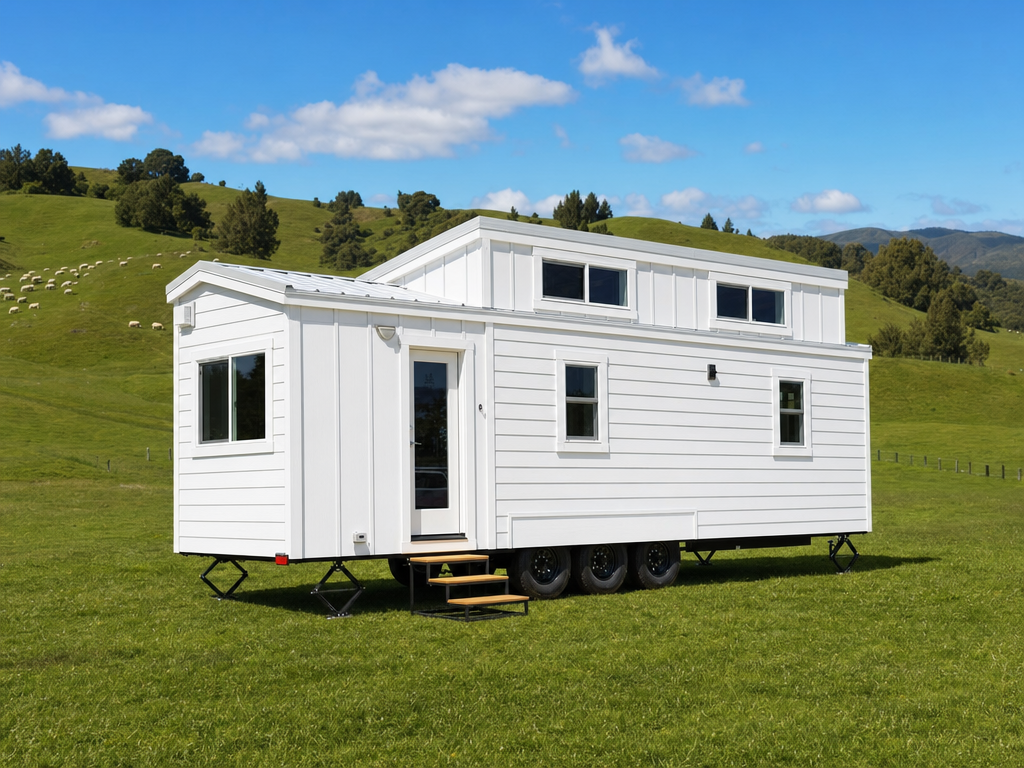
You bought 5 acres in the Wairarapa five years ago, planning to “build one day.” That day keeps getting more expensive. A tiny home unit goes in fast, costs a fraction of a traditional build, and lets you actually start living on your land — not just visiting it on weekends. Power, water, septic — all sortable. You stop renting in town. The land starts paying you back instead of just costing you rates.
2. Add a Second Unit on Mum and Dad's Block
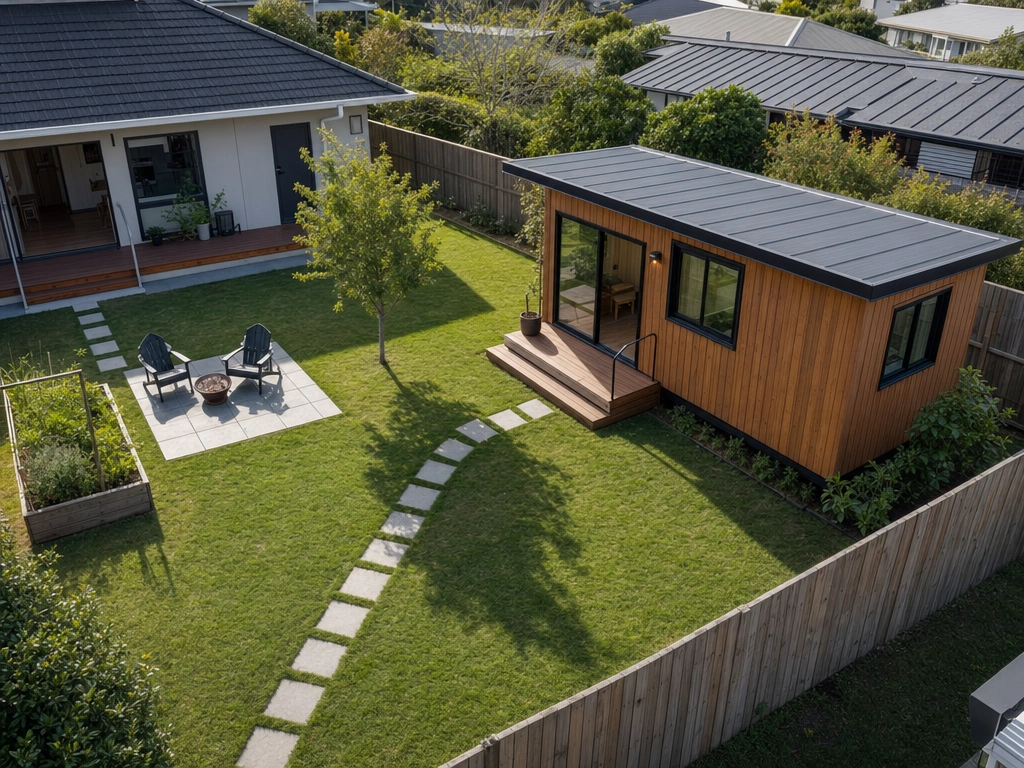
Your parents own a quarter-acre in Hamilton. You've been renting in Auckland because there's “no room” at theirs. There is now. A tiny home at the back of their section gives you your own space, your own door, your own life — without paying $720/week to a stranger. Most family land has unused capacity that nobody thinks to use. This is how you use it.
3. Live in a Unit While You Save for (or Build) the Main House
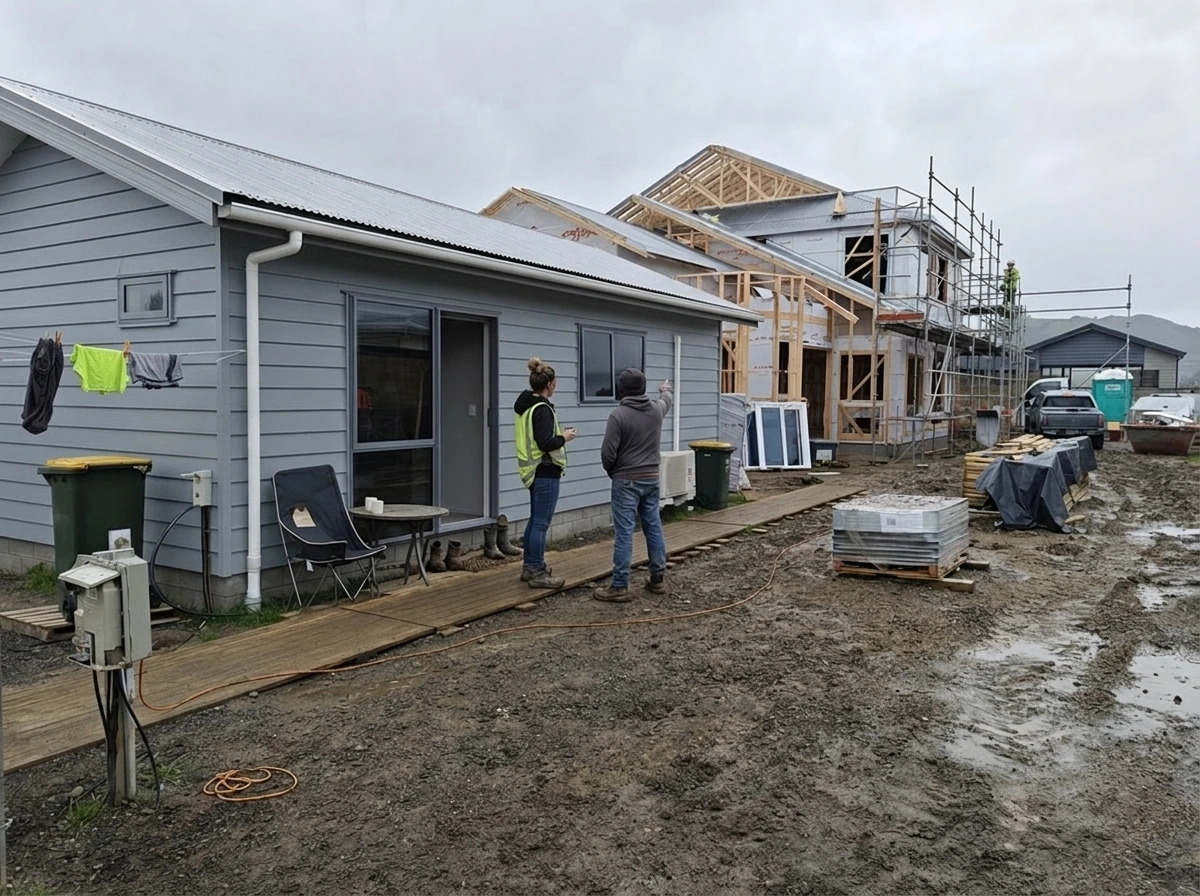
The classic Kiwi self-build trap: you can't afford to rent AND pay your build loan. Living on-site in a unit solves it. Save tens of thousands in rent, keep an eye on your trades, and the unit becomes a sleepout / Airbnb / teenager's flat once the main house is done. It's the only “temporary” housing that's still worth something at the end.
4. Run It as an Airbnb and Pay Off Your Land Faster
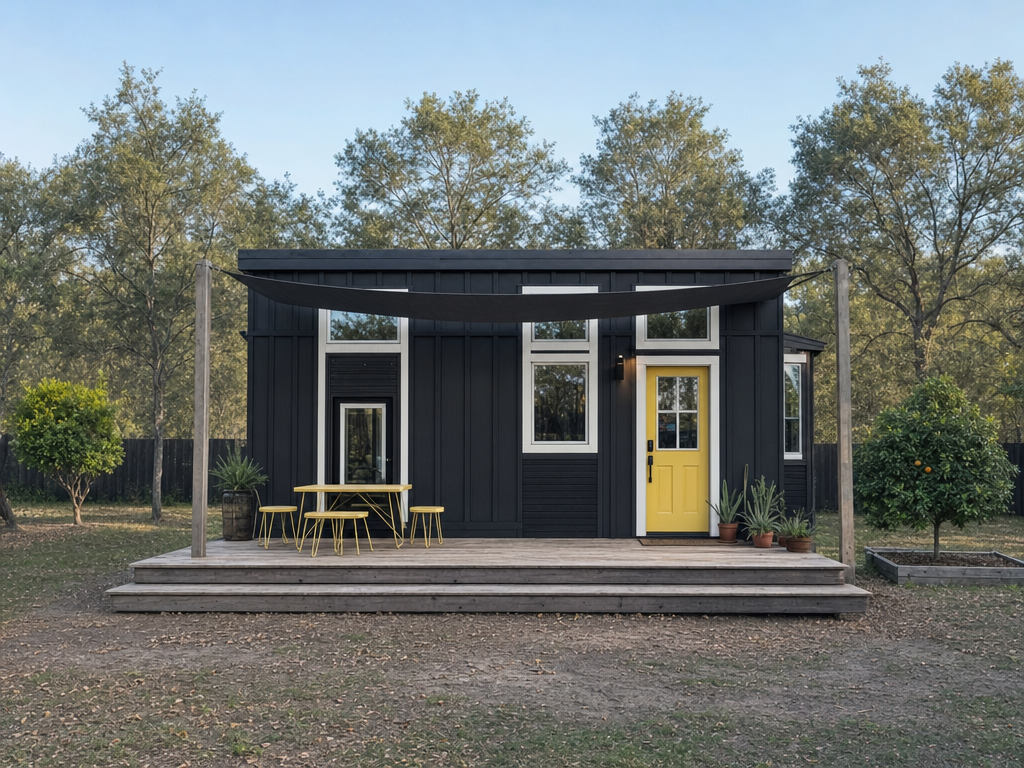
If your section's got a view — coastal, lake, bush, hills — you've got a business. Tourists pay a serious premium for unique stays in scenic spots. Many tiny home owners in prime spots run their unit at $250-$400 a night and pay it off inside 12 months. After that, it's clean cash flow against a piece of land you already own.
5. Set Up a Granny Flat for Ageing Parents
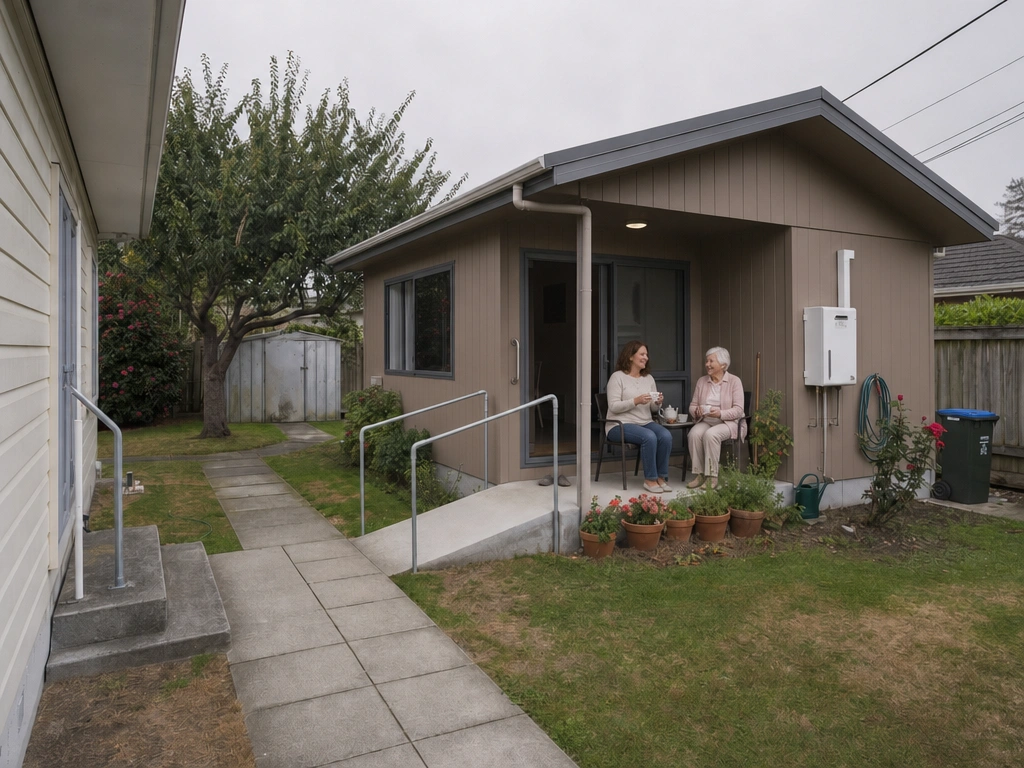
Rest homes now run north of $1,400 a week. If you've got space on your section, putting your parents in a self-contained tiny home out the back changes the whole equation — financially, and emotionally. Reputable prefabricated tiny home companies can also alter units for accessibility (wider doors, step-free entry, grab rails). Your parents keep their independence. You keep them close. The maths is genuinely life-changing.
6. Park Two Units Side-by-Side for Adult Kids
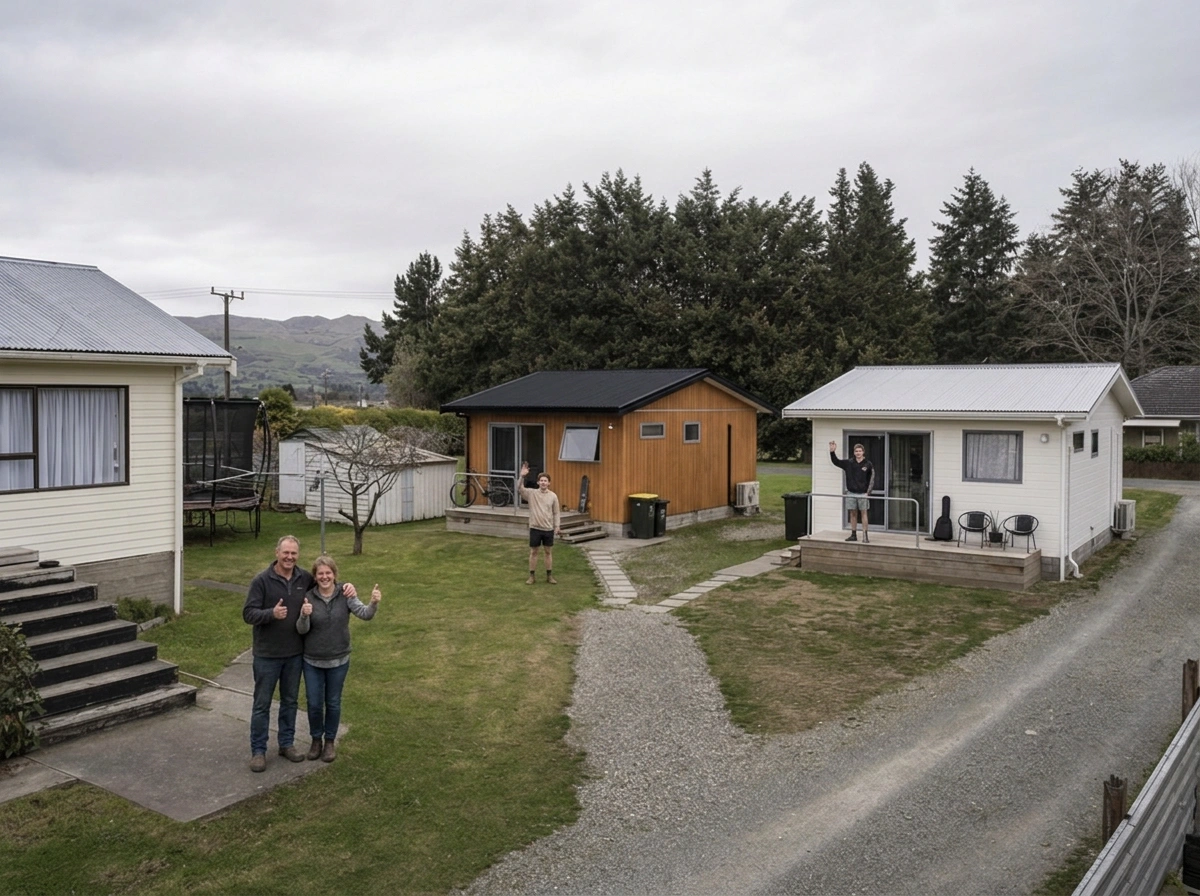
If you've got the land and adult children priced out of the market, two units on the same block solves it for an entire generation. Your kids stop pouring money into landlords, you keep the family close, and the units stay as future rental income or sleepouts when the kids eventually move on. This is becoming one of the most popular use cases we install — multi-generational living that actually works.
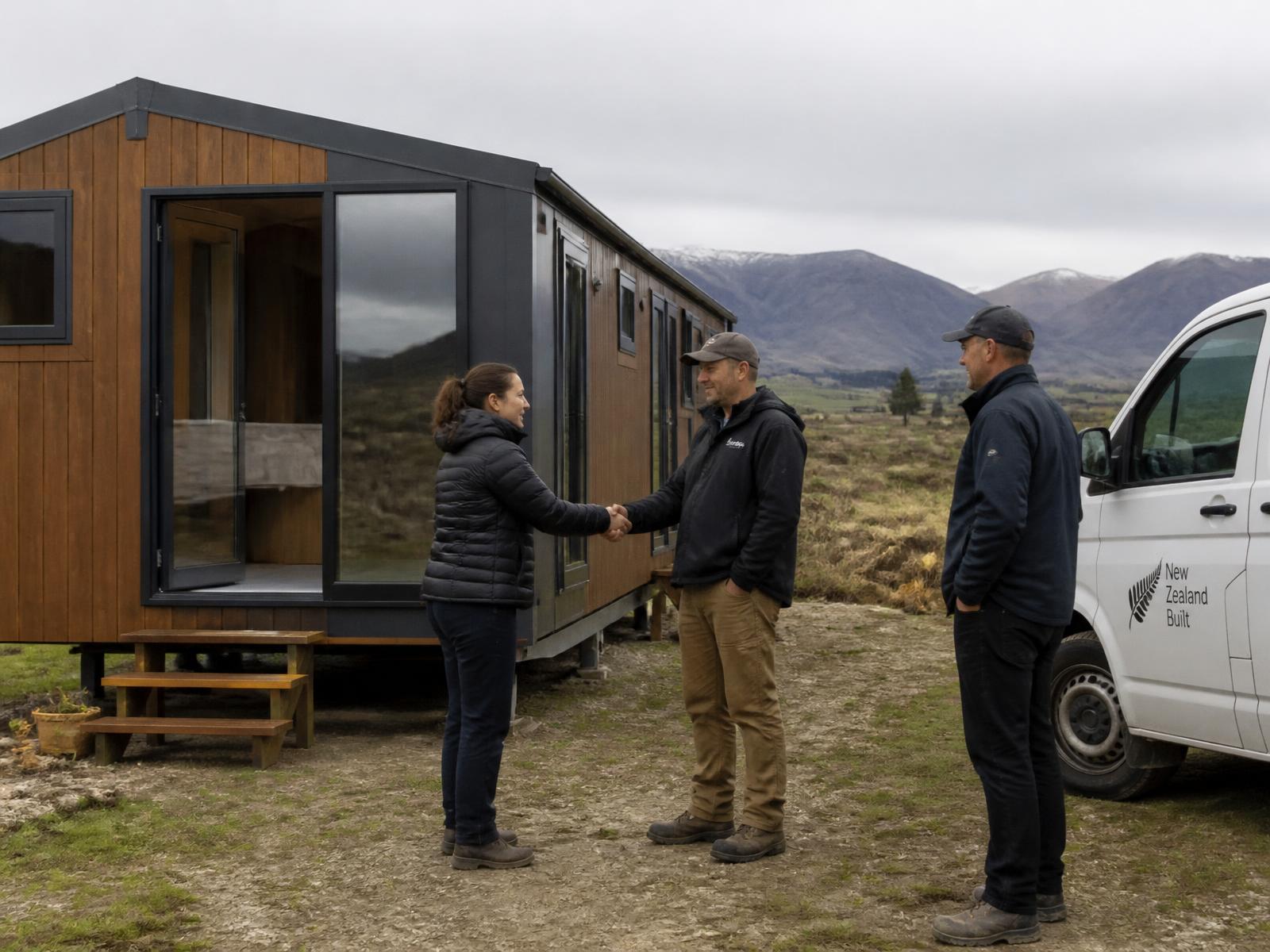
7. Use the Unit to Unlock Land You Couldn't Otherwise Afford
This one's underrated. If you don't own land yourself, partnering with someone who does — long-term lease, family arrangement, even a friend with a spare paddock — suddenly becomes viable when the “build” only takes weeks. Many landowners are open to it because the unit improves the land's value. We've seen leases, profit-shares, and informal family arrangements all work. The conversation starts with “I've got an tiny home and need somewhere to put it.”
Look, this isn't right for everyone.
If your land is in a council zone with strict rules about additional dwellings, this might not work for your specific situation. We're not pretending it's universal. Luckily contacting your local council is free and a 15 minute conversation. But for most Kiwis with usable land sitting underused, a tiny home is the fastest, cheapest, lowest-risk way to actually do something with it.
Common Questions From Landowners
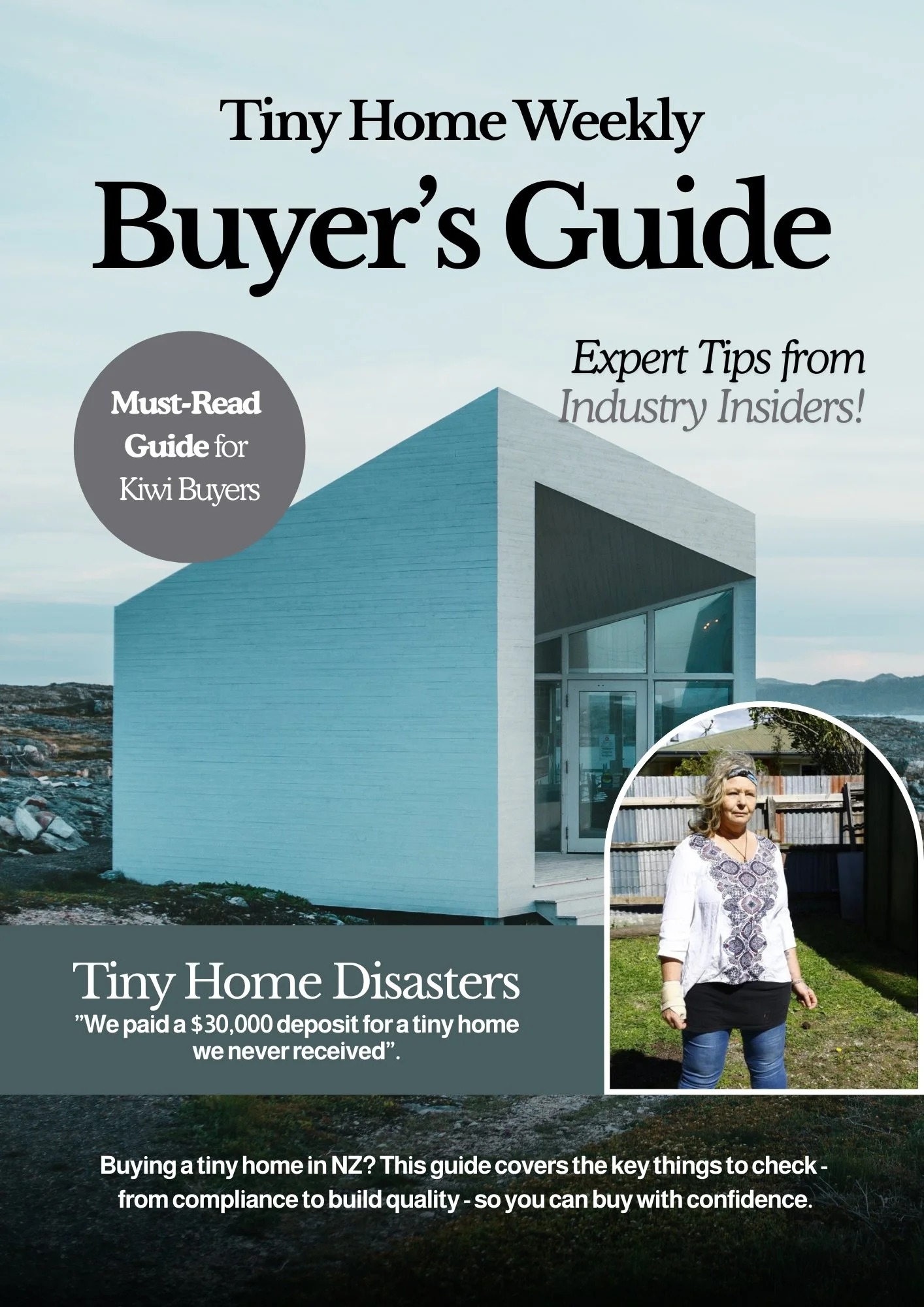
Thinking about a tiny home?
Get our free guide to compare your options — before you spend thousands.
- Expert tips from industry insiders
- Real delivery timelines
- 5 warning signs of a bad prefab seller