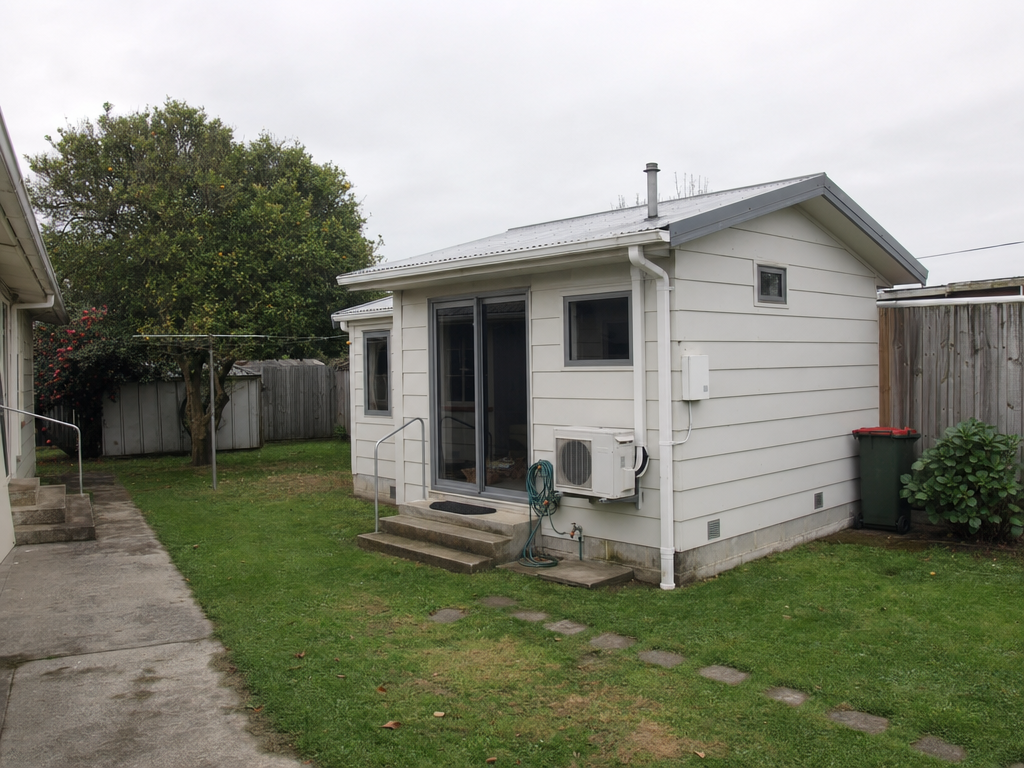
 $3,200/month
Polly
Wairarapa
“We absolutely love it. It's warm, comfortable, plenty of light. The bookings just keep rolling in.”
30ft Expander · Long term rental
Still wondering what your land is worth?
Plug in your region, pick a unit, see the actual numbers. No sales call. No catch.
350+ delivered · 4.7★ · 104+ reviews · 3 yrs NZ

You mow it, you pay rates on it, but it's mostly just sitting there.
Most Kiwis have never run the numbers on what their unused land could earn. They assume it's complicated, expensive, or “not for them.” It's none of those things.
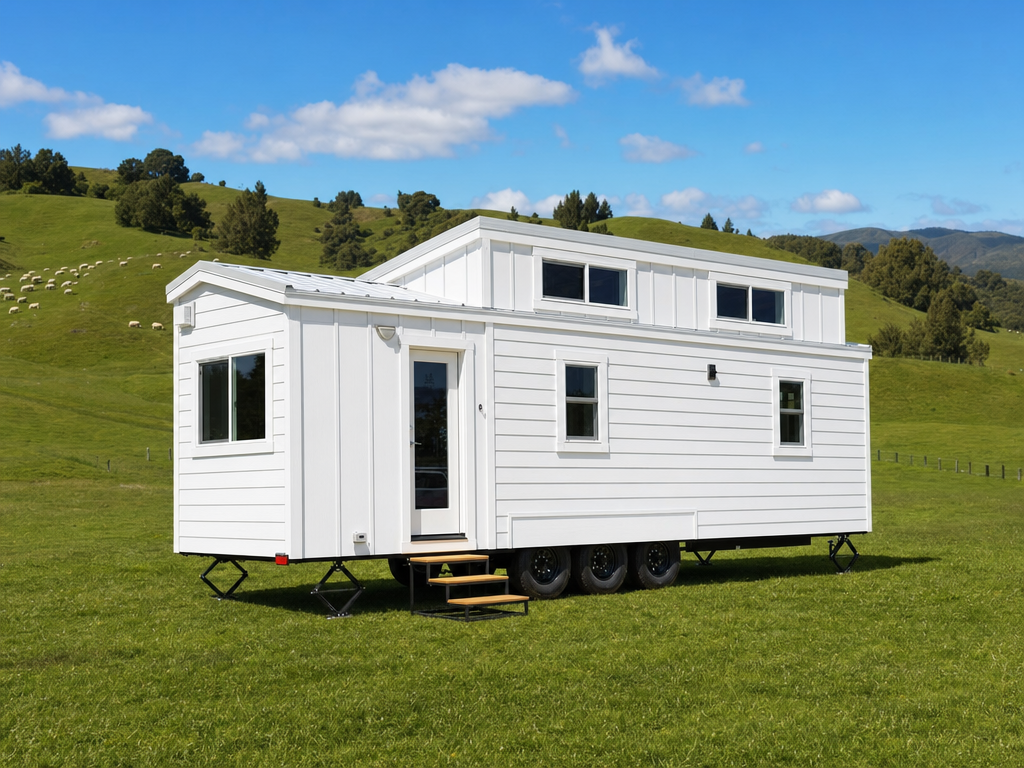
A 30ft Expander on an average Auckland section can pull around $3,200 a month on Airbnb at typical regional rates and occupancy — enough to pay itself off in roughly two years, then keep earning.
The calculator below uses real NZ short-stay data across all 16 regions. Pick yours, choose a unit, see your number.
Drag the sliders to estimate how much income an Expander could generate based on your location and pricing.
Monthly income
$3,527
Annual income
$42,326
Time to pay off your Expander
22 months
Based on a $77,000 purchase price
10-year earnings after payoff
$345,662
Pure profit. Land already owned.
10-year return on investment
5.5x
For every $1 invested, you get $5.5 back over 10 years.
Real customers. Real numbers.
The calculator gives you estimates. These Kiwis are living the actual numbers — month after month.
$3,200/monthPolly
Wairarapa
“We absolutely love it. It's warm, comfortable, plenty of light. The bookings just keep rolling in.”
30ft Expander · Long term rental
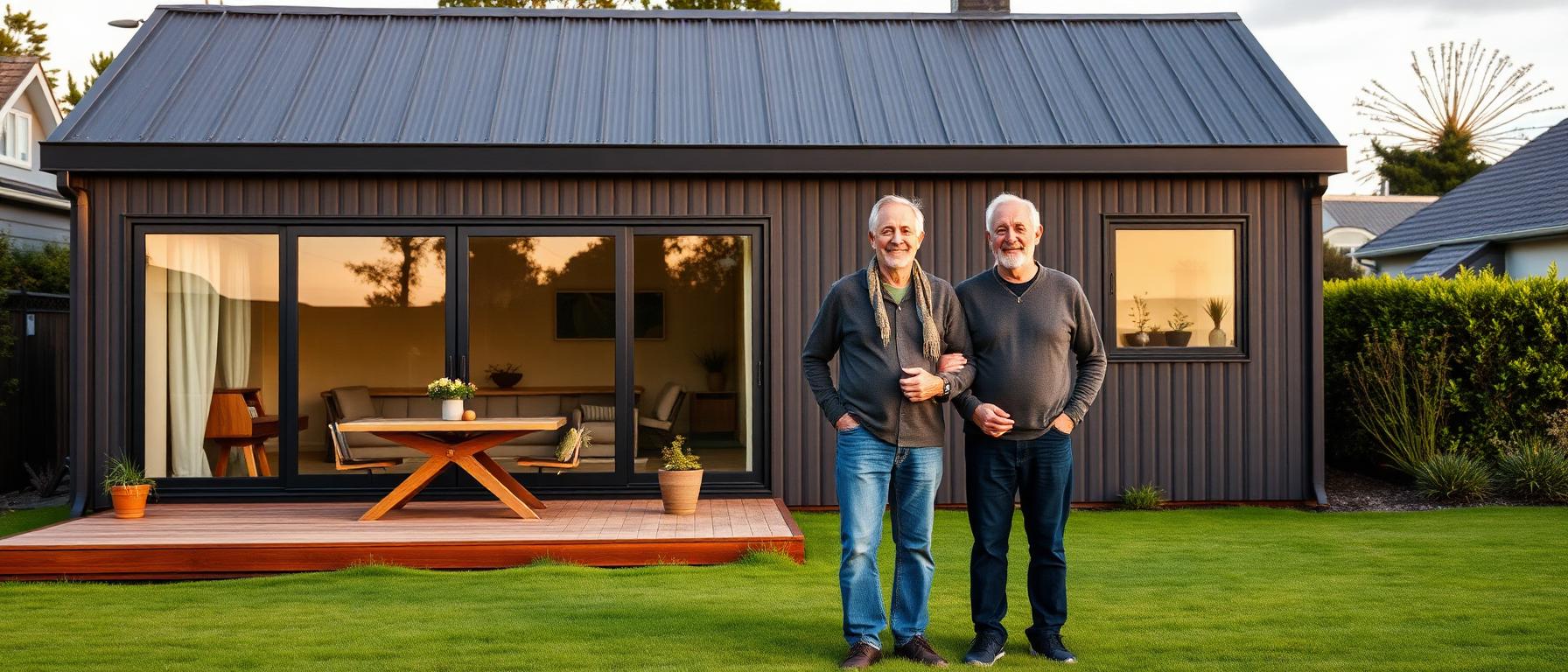
 $4,100/month
Sarah
Tauranga
“Paid itself off in 16 months. Now it's pure profit going straight into our mortgage.”
40ft Expander Luxe · Long term rental
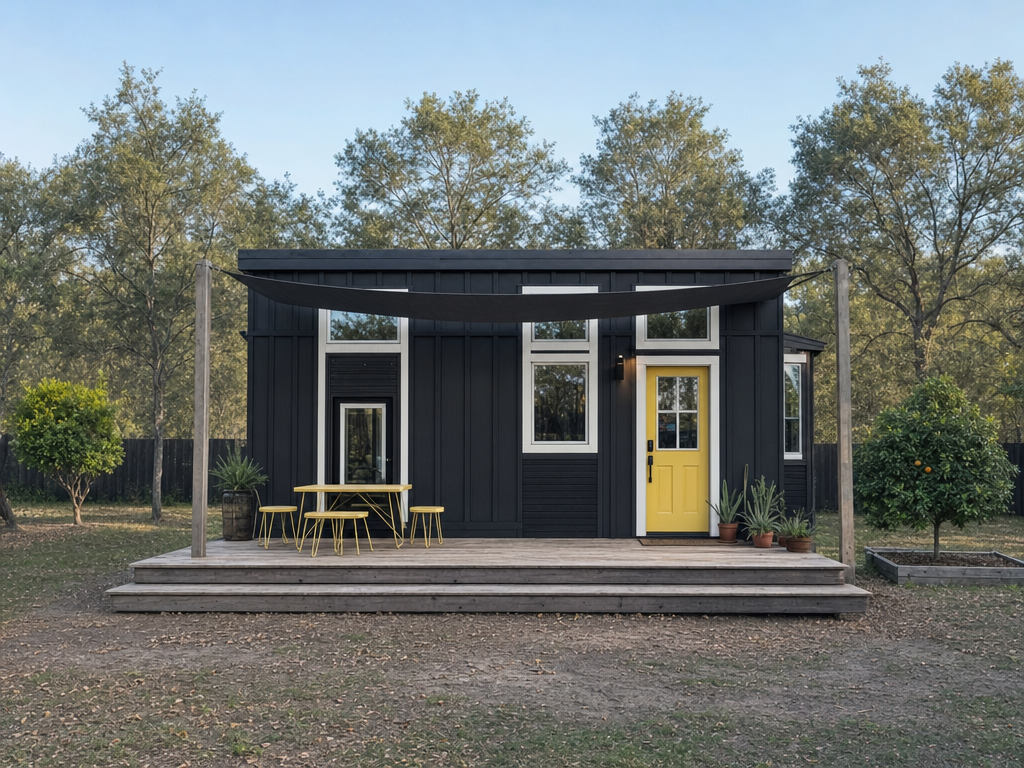 $2,800/month
James
Hamilton
“Mum lived in it first. Now she's moved into ours and we Airbnb it. Best decision we ever made.”
30ft Expander · Long term rental
Beyond the numbers
The income figures are real — but they're only half the story. Here's what else you're actually getting when you put an Expander on your section.
Adding a dwelling to your section can lift your overall property valuation by tens of thousands — on top of the rental income you're already earning. The Expander pays you twice: once a month in cash, and again in equity when you eventually sell.
Short-stay rental income comes with deductible expenses — utilities, cleaning, platform fees, insurance, and part of your rates. What you can claim depends on your circumstances and the current rules, so talk to your accountant before you count on any of it.
Airbnb today. Long-term rental tomorrow. Your mum's place in five years. Your downsized retirement home in fifteen. The Expander adapts to whatever life throws at you — most traditional builds don't get that flexibility.
Move regions? Take it with you. Sell the section? Lift the unit and put it somewhere else. Unlike a slab-and-frame build, you're not bolted to one piece of land for the next thirty years. The asset moves with the next chapter of your life.
At typical regional rates the calculator shows the unit paying itself off in a couple of years on rental income. That's not your salary funding it. That's not a 30-year loan eating your weekends. That's guests covering the whole thing while you sleep.
The unit is already built. Order to delivery is a matter of weeks, not the 12–18 month wait of a traditional build. You're earning income while your neighbour is still arguing with their architect about kitchen tiles.
Usually yes. A self-contained unit with a kitchen and bathroom generally requires building consent, and depending on your zone, site coverage and setbacks your council may want resource consent too. The rules for small standalone dwellings have been changing, so the honest answer is that it depends on your district and the current regulations. We'll tell you what applies to your site before you order, and we supply the documentation your application needs.
The unit arrives fully wired and plumbed internally. You connect it to your existing services — a licensed electrician for power, a licensed plumber for water and wastewater. On most suburban sections that's a straightforward tie-in to what's already there. Rural or unserviced sites may need a water tank and a septic or treatment system; we'll flag that when we look at your site.
The unit is delivered on a truck and craned or rolled into position. We assess access first — width, overhead lines, gateposts, ground conditions and whether your driveway will carry the load. Where access is tight we use a HIAB or a smaller transporter. Driveway damage is rare, and if we think your site is a risk we'll tell you before you commit, not after.
The unit is portable. You can sell it, relocate it, or keep it as a rental. Unlike a traditional build, you're not stuck. That's part of the point.

Get our free guide to compare your options — before you spend thousands.