News
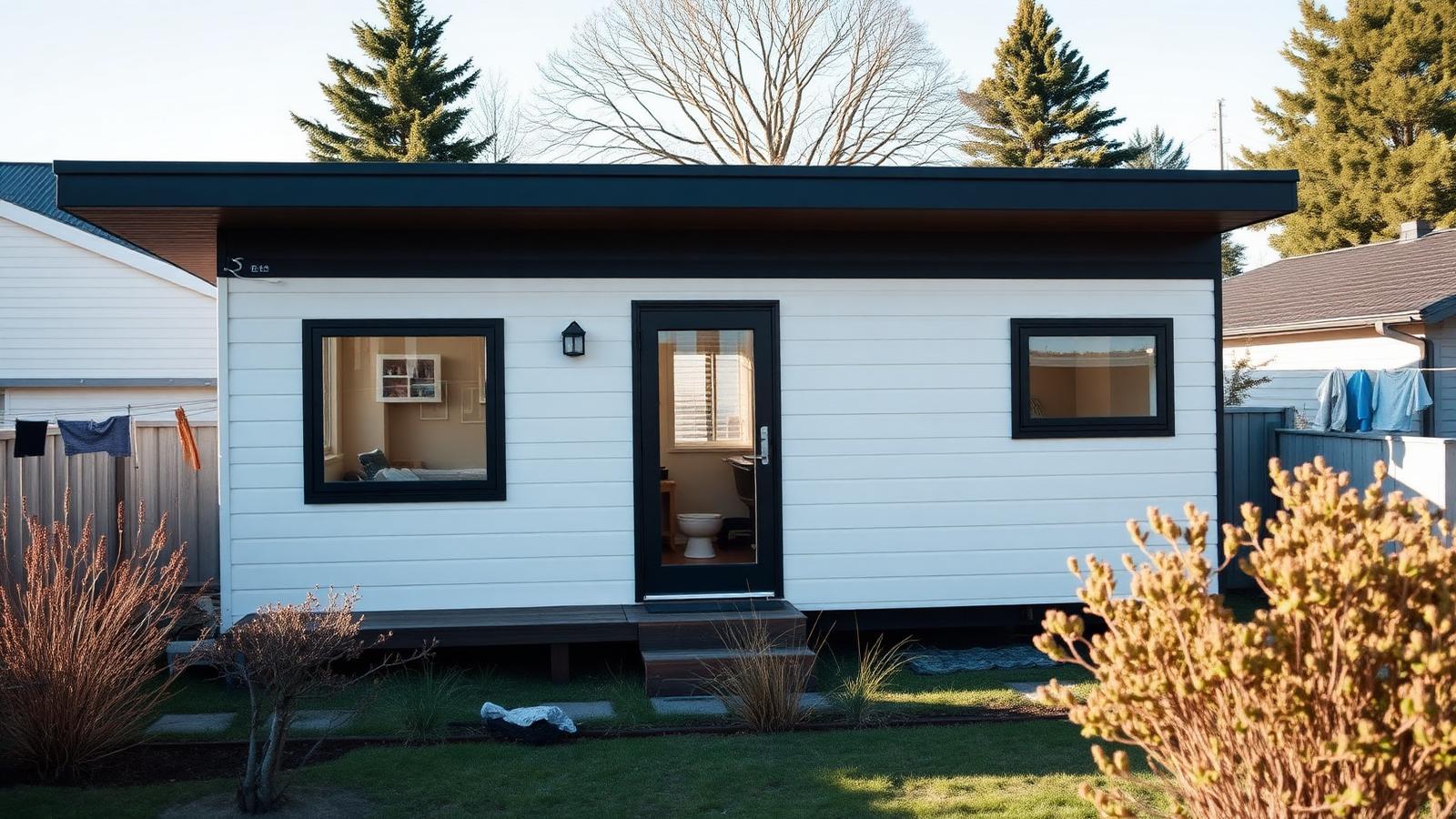
Six months of the 70m² exemption: what Kiwis have actually built
Half a year after consent-free small dwellings became legal, the pattern is clear — smaller footprints, faster starts, and a lot of backyards quietly gaining a second home.
A second small dwelling on land you already own — for family, for income, or for both.
The granny flat is quietly the most practical small-home option in the country: you already have the land, the services are close, and the rules have loosened.
Our coverage looks at what families are building, what it returns, and what councils expect.
Half a year after consent-free small dwellings became legal, the pattern is clear — smaller footprints, faster starts, and a lot of backyards quietly gaining a second home.
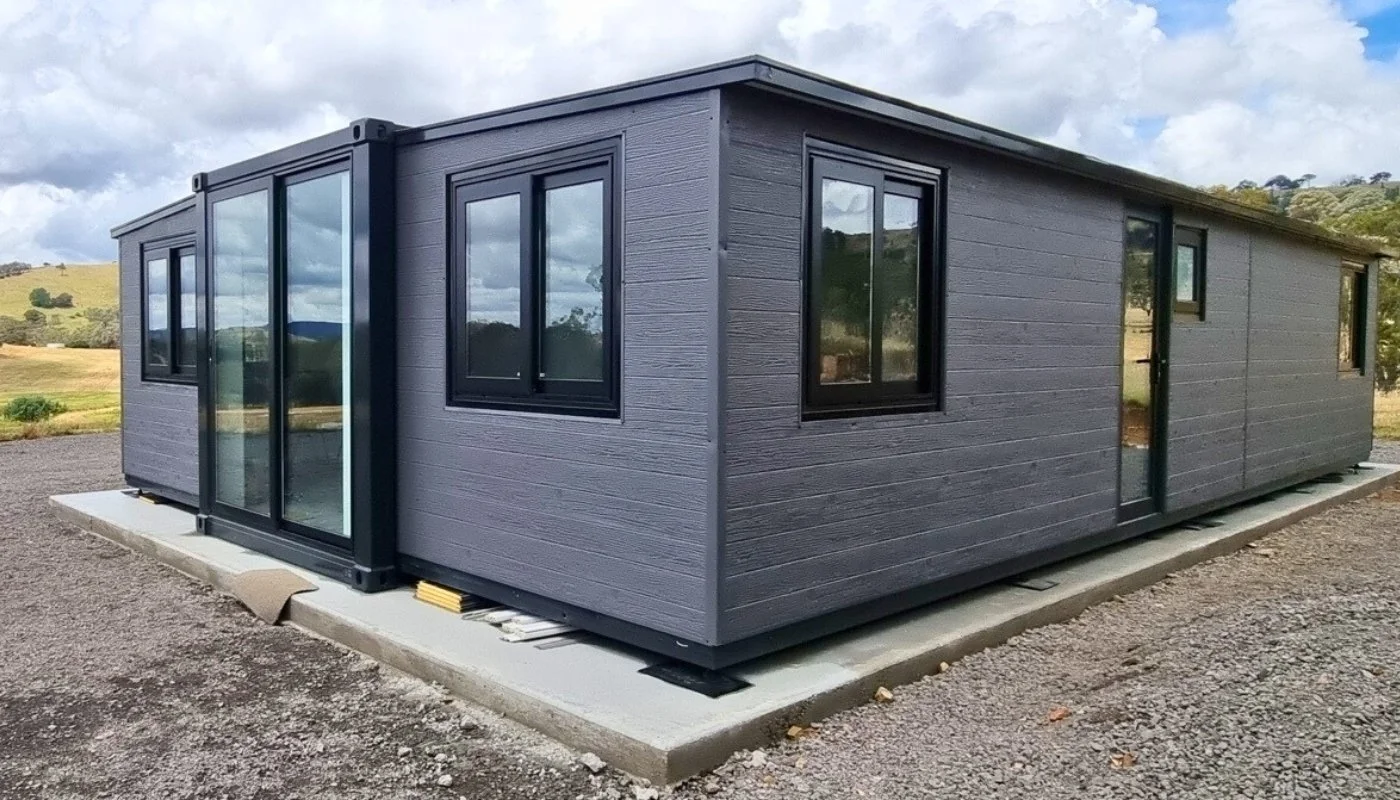
Build costs are high and builders are booked out — but none of that matters as much when you already own the land. Seven ways Kiwis are using sections they already have.
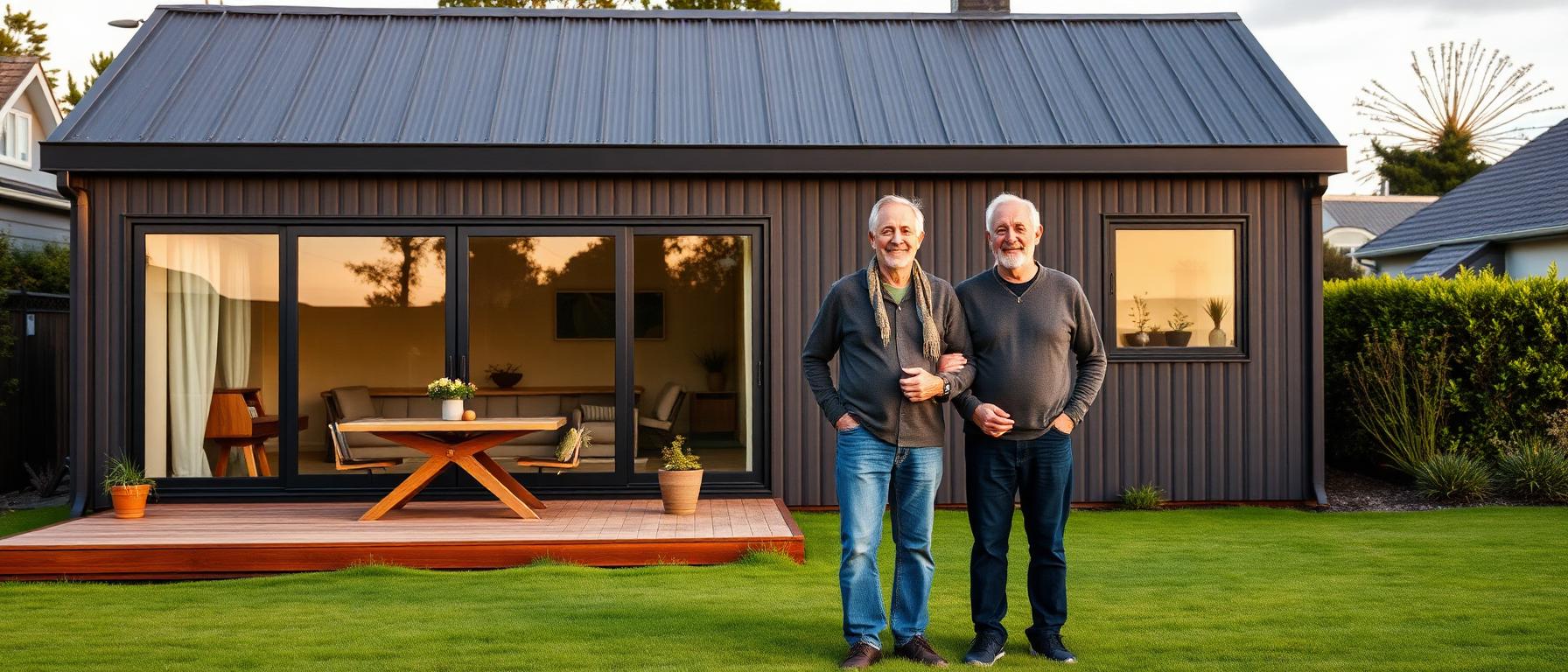
A calculator built on real NZ short-stay data across all 16 regions — monthly income, payoff time and the ten-year return on a pre-built expandable home.
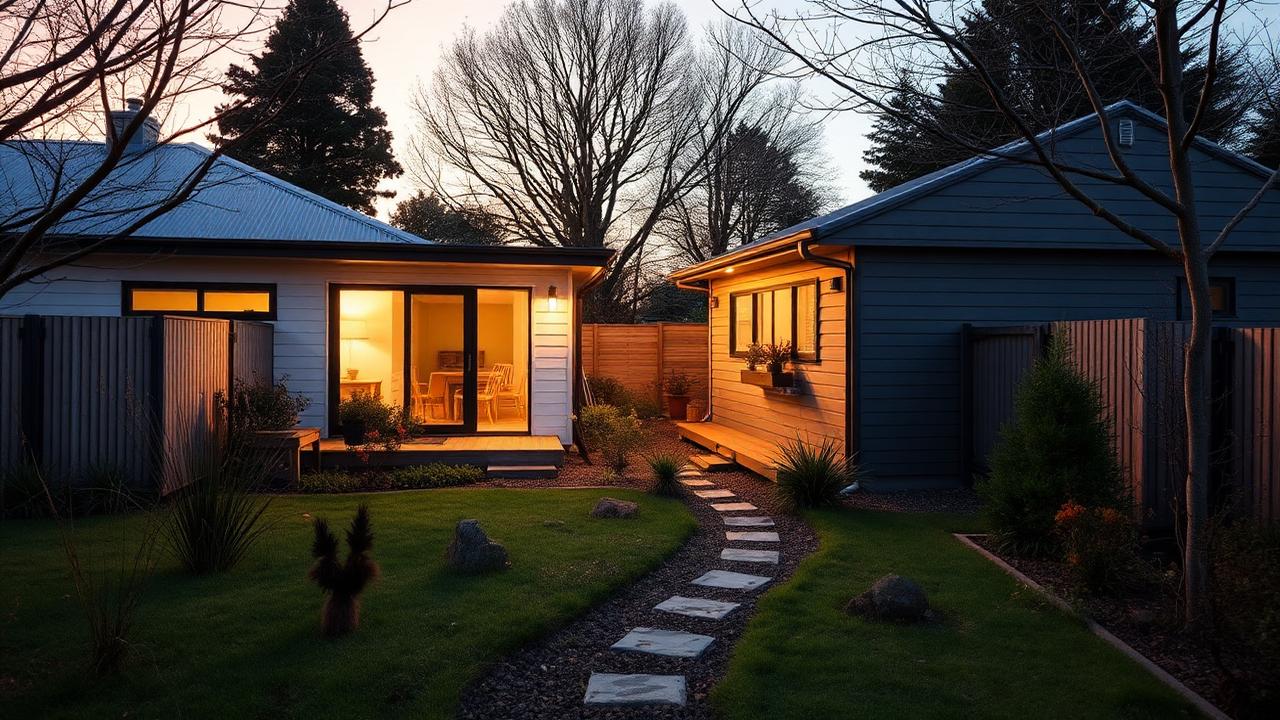
With residential aged care running into tens of thousands of dollars a year, more families are looking at a compact home in the backyard. The 2026 law change just made that far easier.
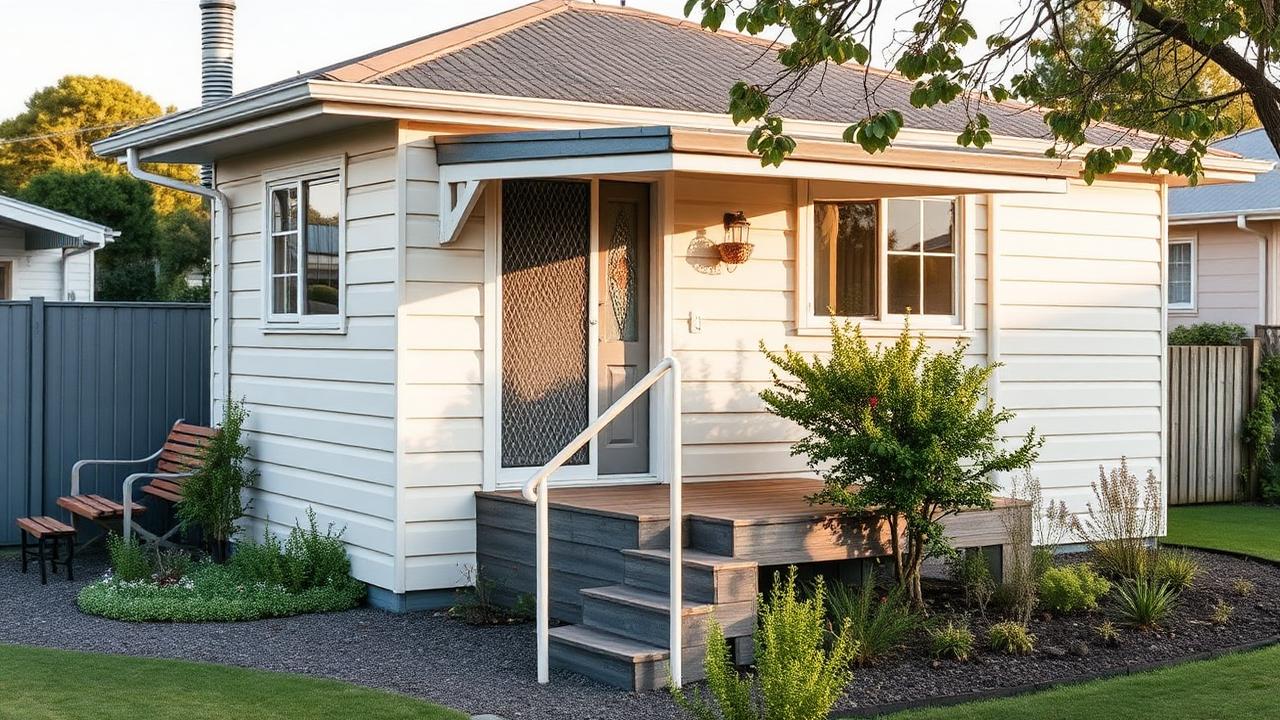
For a generation sitting on a mortgage-free family home and a garden they can no longer manage, going small isn't a sacrifice. For many, it's the first genuinely free decision in decades.
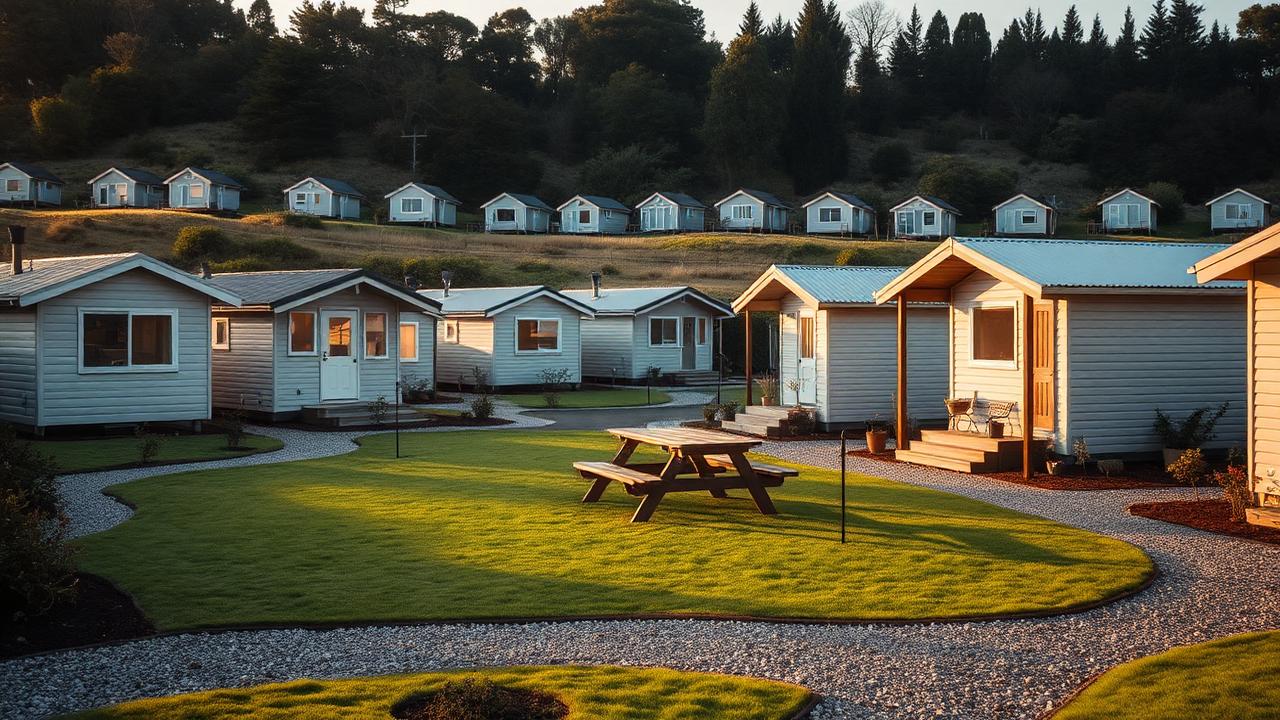
Clusters of small homes sharing land, services and a vegetable garden solve tiny living's hardest problem. They also introduce a new one: you now have neighbours with opinions.
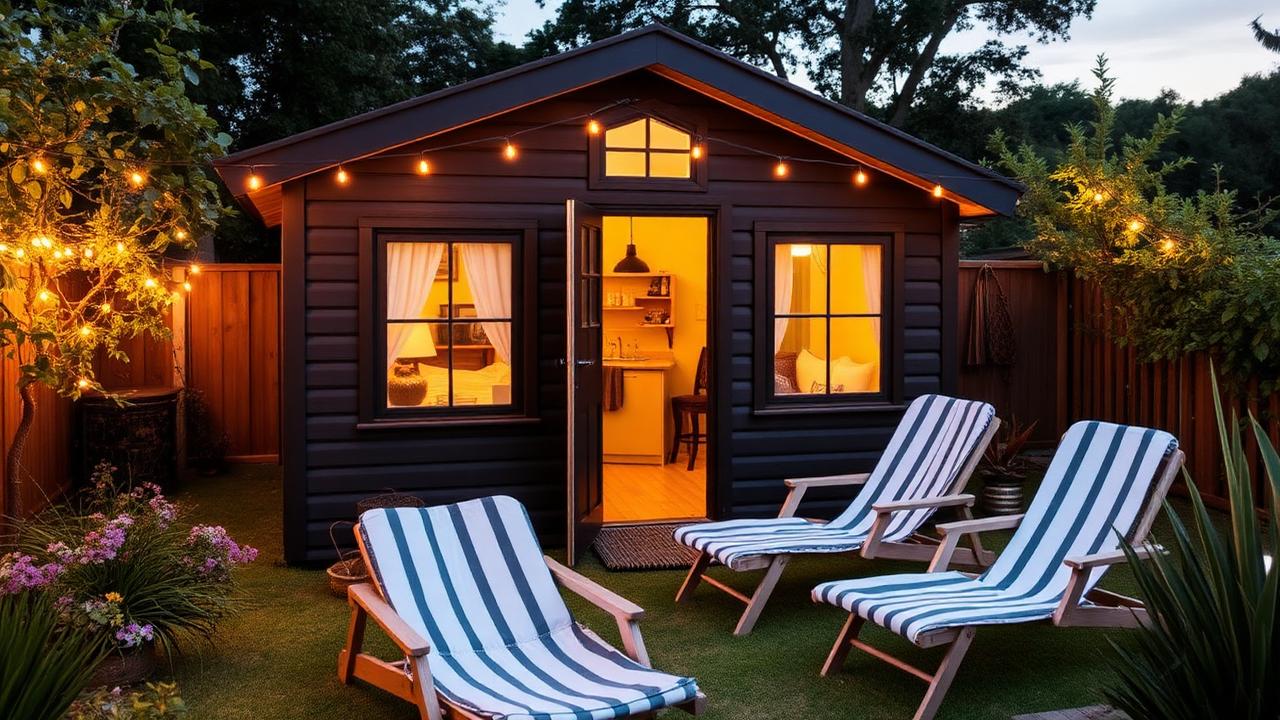
A small home in the back garden earning short-stay income is one of the more attractive numbers in the sector. It's also a business, and the brochures tend to leave that part out.

Get our free guide to compare your options — before you spend thousands.