16 July 2026 — Homes, Alternative Living
5 Practical Ways to Build on Family Land in the Pacific Islands (Without Delays or Overspending)
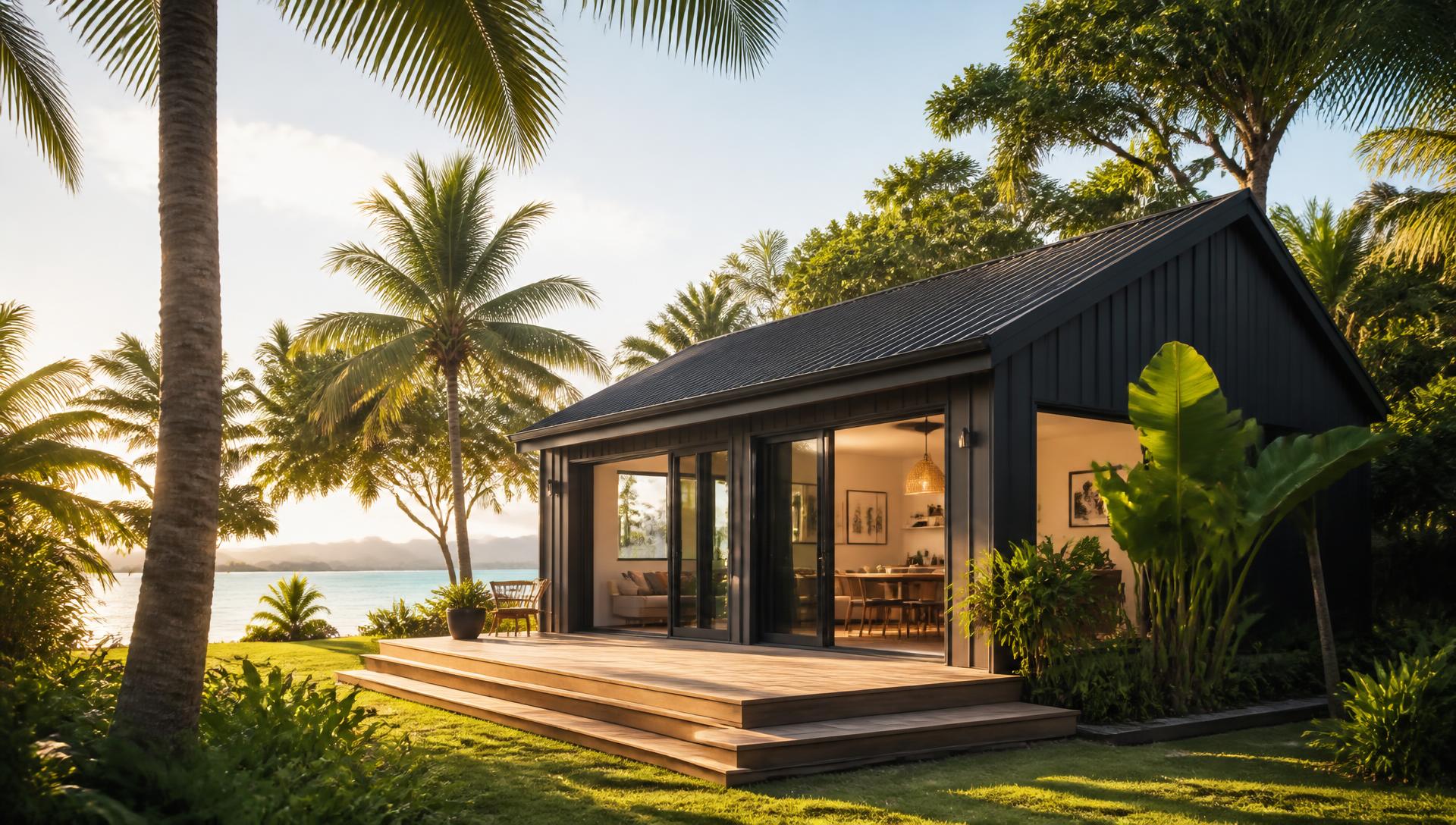
In many Pacific Island communities, land isn't the problem. Most families already have access to land — shared between generations, passed down, or pooled together to support each other. The real challenge is building something on it.
Most families already have access to land — shared between generations, passed down, or pooled together to support each other.
The real challenge is building something on it.
Materials take months to arrive. Shipping costs can blow out budgets. And skilled labour is limited, meaning builds can drag on far longer than expected. So the question becomes:
So the question becomes:
What's the most practical way to turn that land into something liveable — without delays, waste, or unnecessary cost? Here are 5 of the most common approaches — and what to consider before choosing one.
Here are 5 of the most common approaches — and what to consider before choosing one.
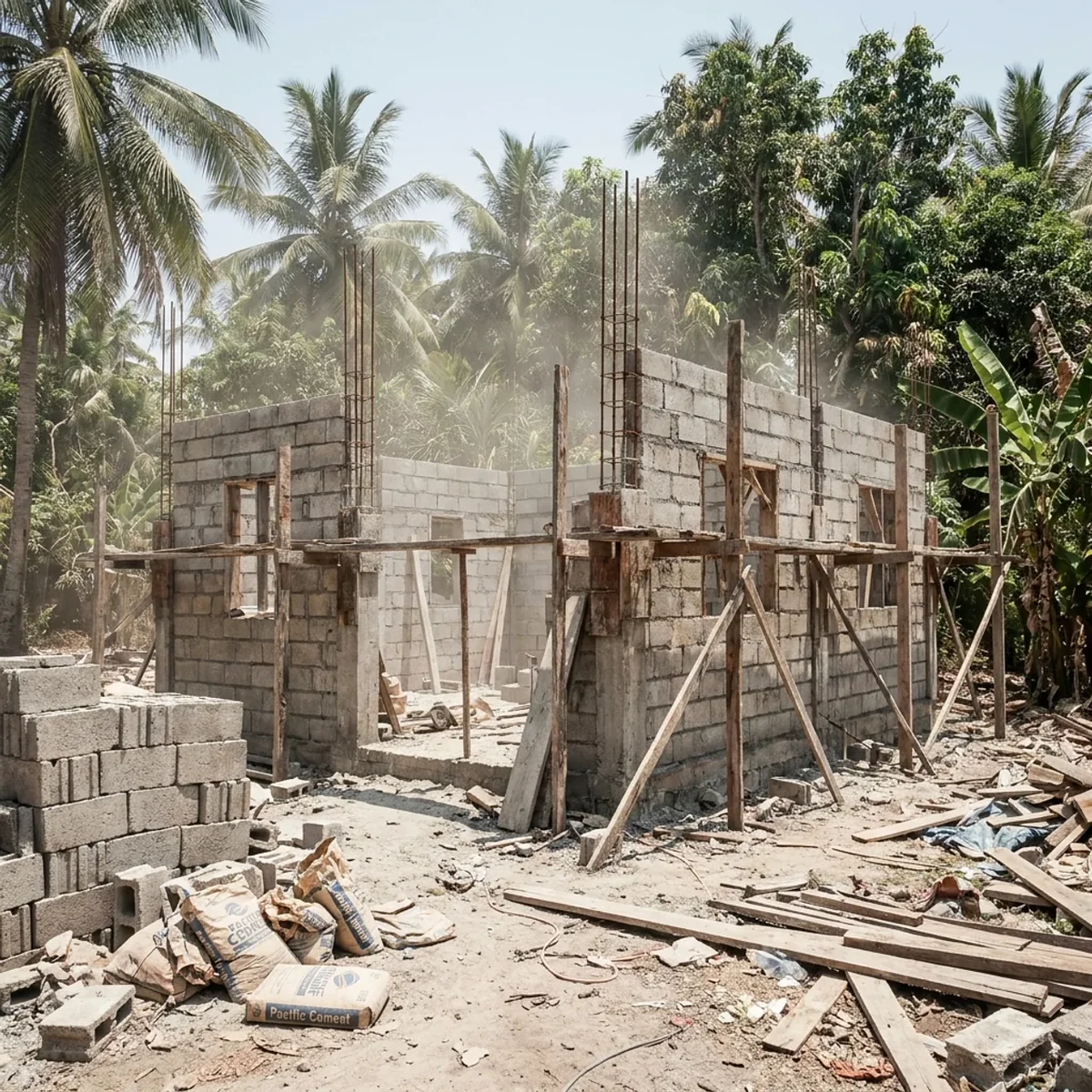
Traditional Block or Concrete Homes
The most common and familiar option across many islands.
Pros
- Strong and permanent
- Familiar building method
- Can be expanded over time
Cons
- Requires large amounts of imported materials
- High labour dependency
- Long build times, often months or years
- Costs can escalate quickly when delays hit
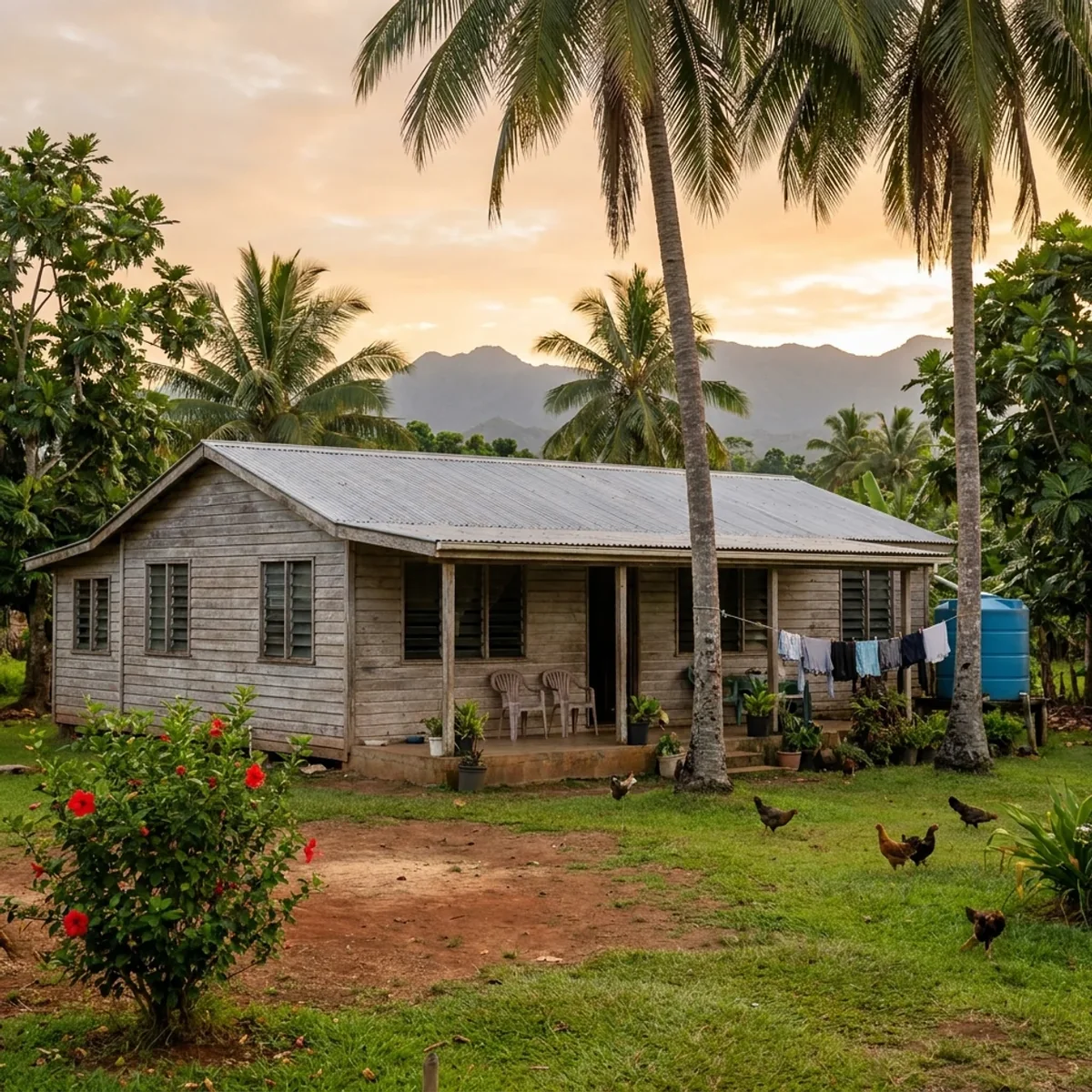
Timber or Local Material Builds
Using locally available materials like timber, or traditional construction styles.
Pros
- Lower material costs if sourced locally
- Good airflow when designed well
- Culturally familiar
Cons
- Durability varies with materials and workmanship
- Requires ongoing maintenance
- Still dependent on builder availability
- Limited modern amenities unless upgraded
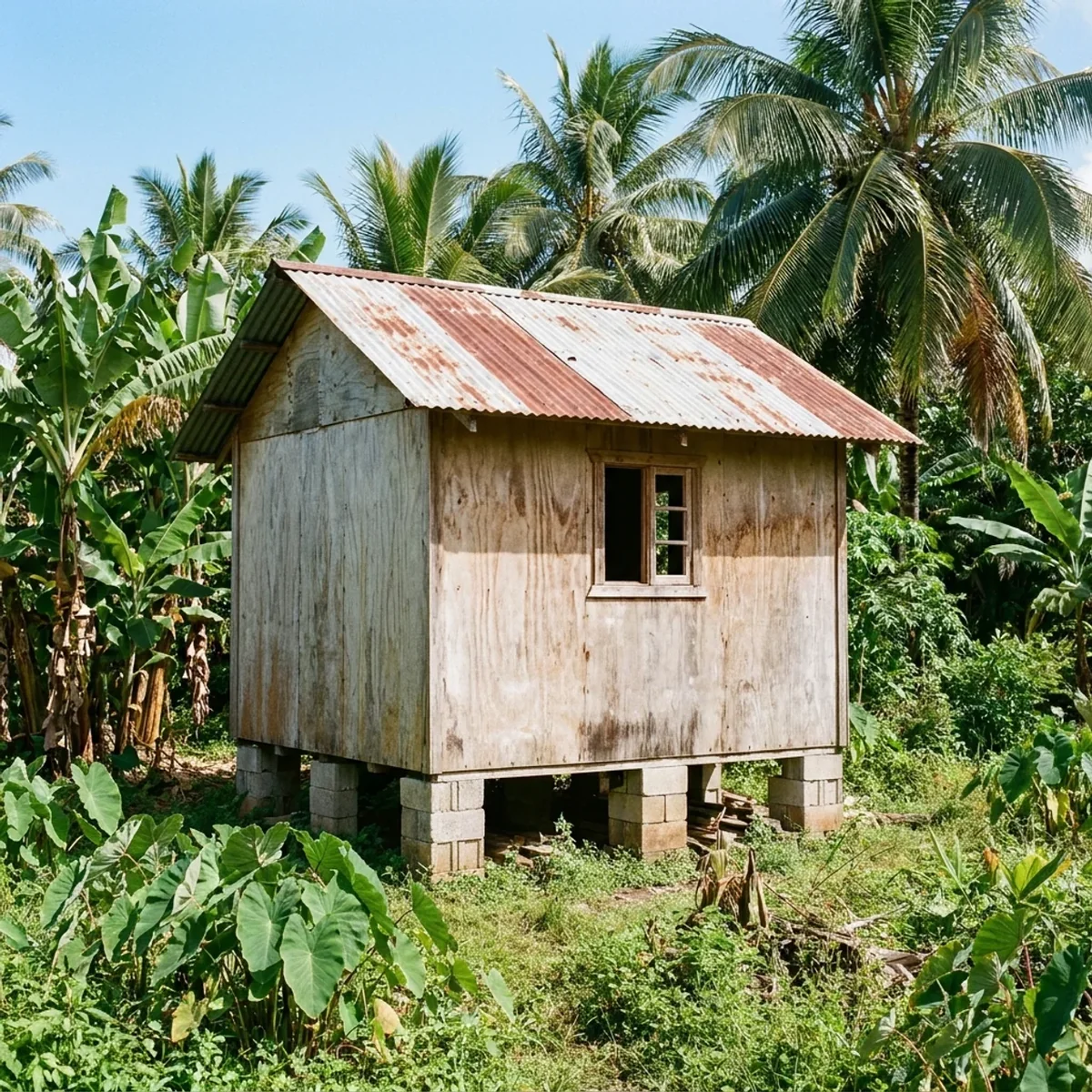
Small Cabins or Basic Structures
Simple builds used as a starting point for living on land.
Pros
- Low upfront cost
- Quick to put together
Cons
- Not fully self-contained
- Limited comfort — heat, insects, airflow
- Often built as temporary, then lived in for years
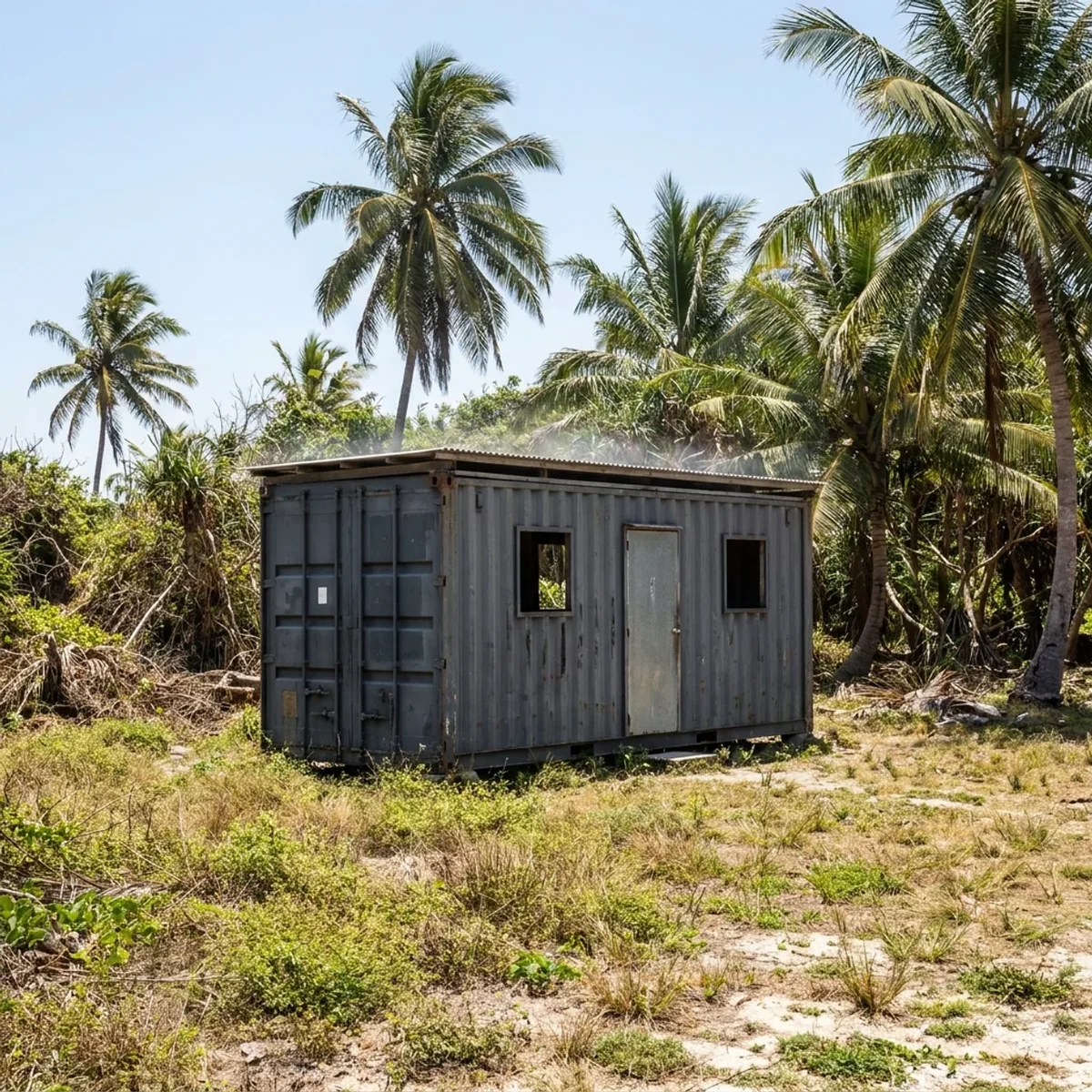
Shipping Container Homes
Imported containers converted into living spaces.
Pros
- Strong structure
- Can be shipped directly
Cons
- Poor airflow if not modified properly
- Very hot in tropical climates
- Requires significant modification
- Can feel cramped and enclosed
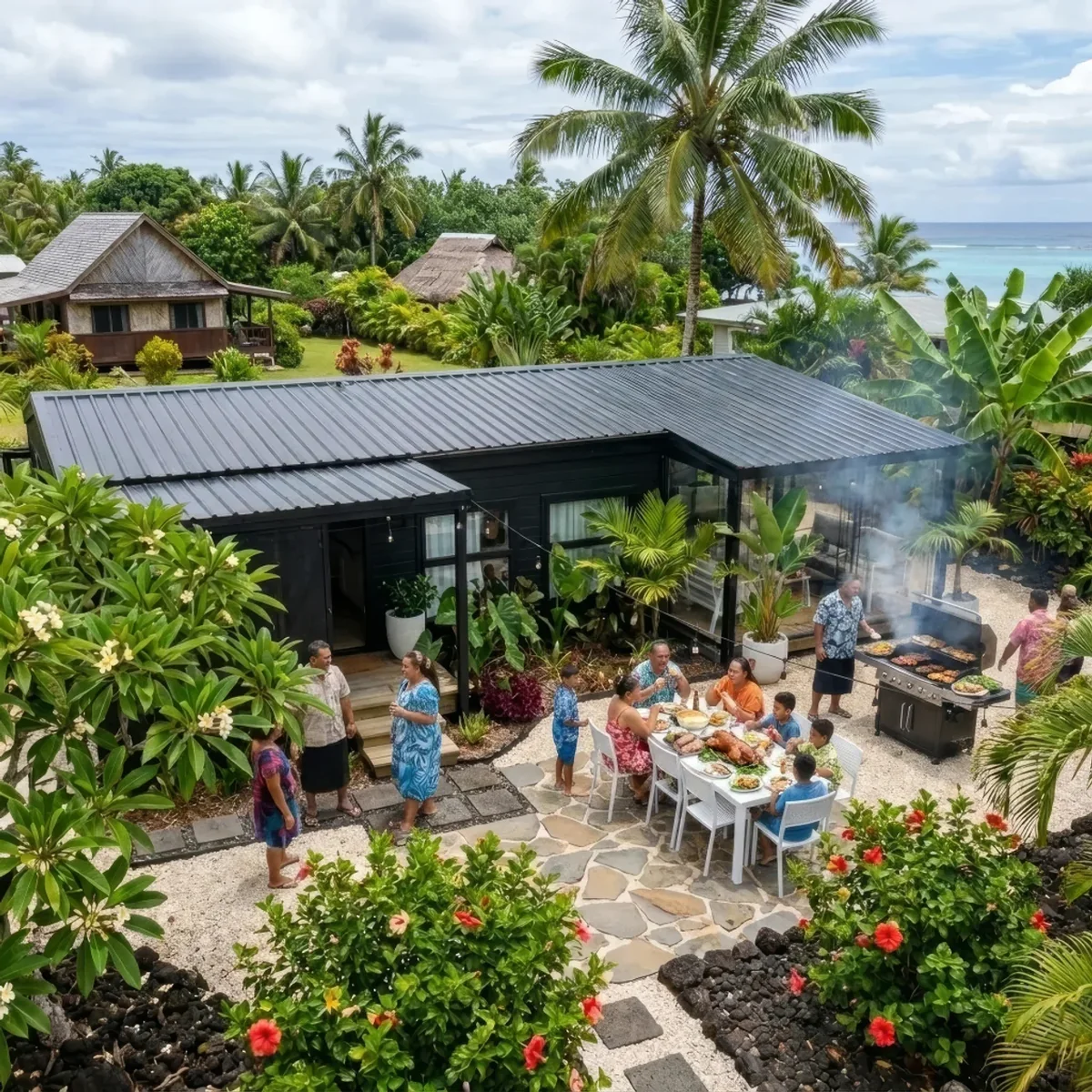
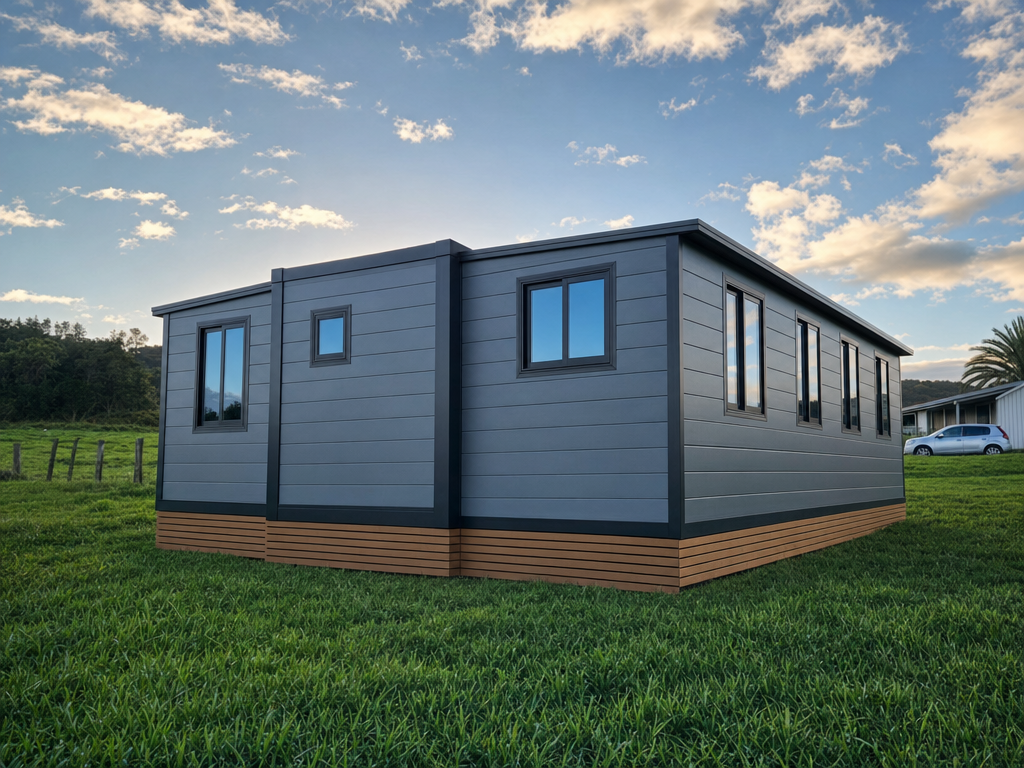
Pre-Built Tiny Homes
A more complete, ready-to-use housing solution.
Pros
- Delivered largely pre-built
- Minimal reliance on local labour
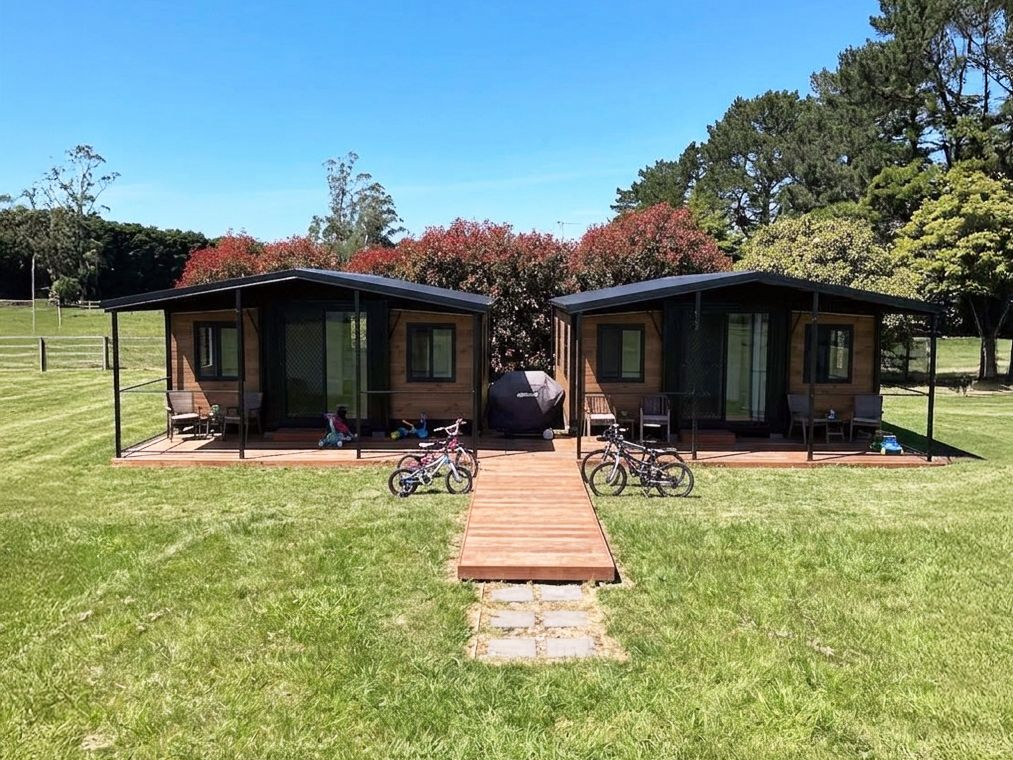
- Designed for airflow, shade, and comfort
- Fully self-contained with kitchen, bathroom and bedrooms
- Fast setup once delivered
Cons
- Requires planning for delivery and site setup
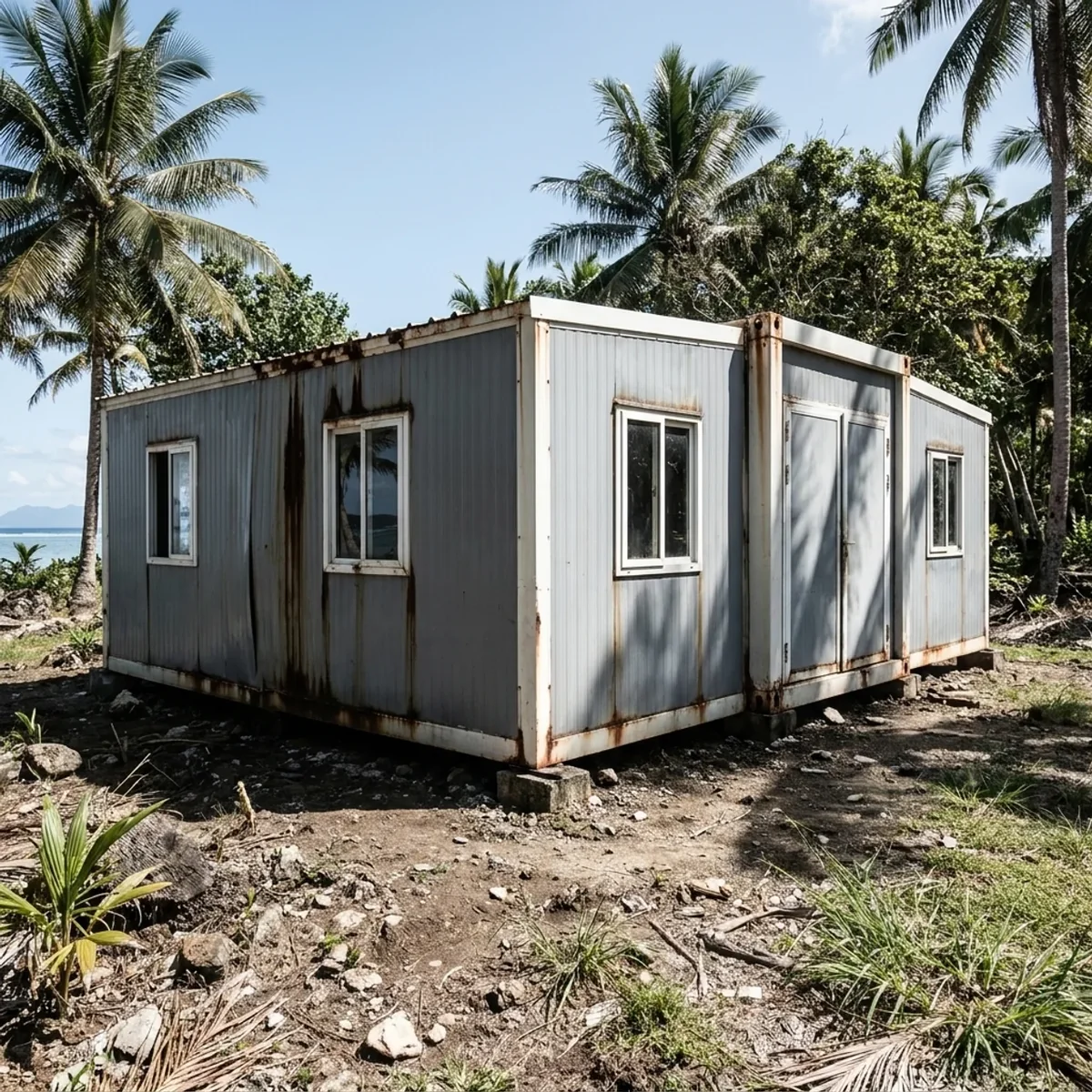
Important: Not All Pre-Build Tiny Homes Are the Same
As expandable homes have become more popular across the Pacific, more suppliers have entered the market.
But there's a significant difference between units built for general export and those specifically designed for island environments.
Common issues seen with lower-quality units
- Poor airflow and ventilation
- Materials not suited to humidity and salt exposure
- No proper roofing or water-collection compatibility
- Shorter lifespan in coastal conditions
These differences aren't always obvious upfront — but they become very clear over time.
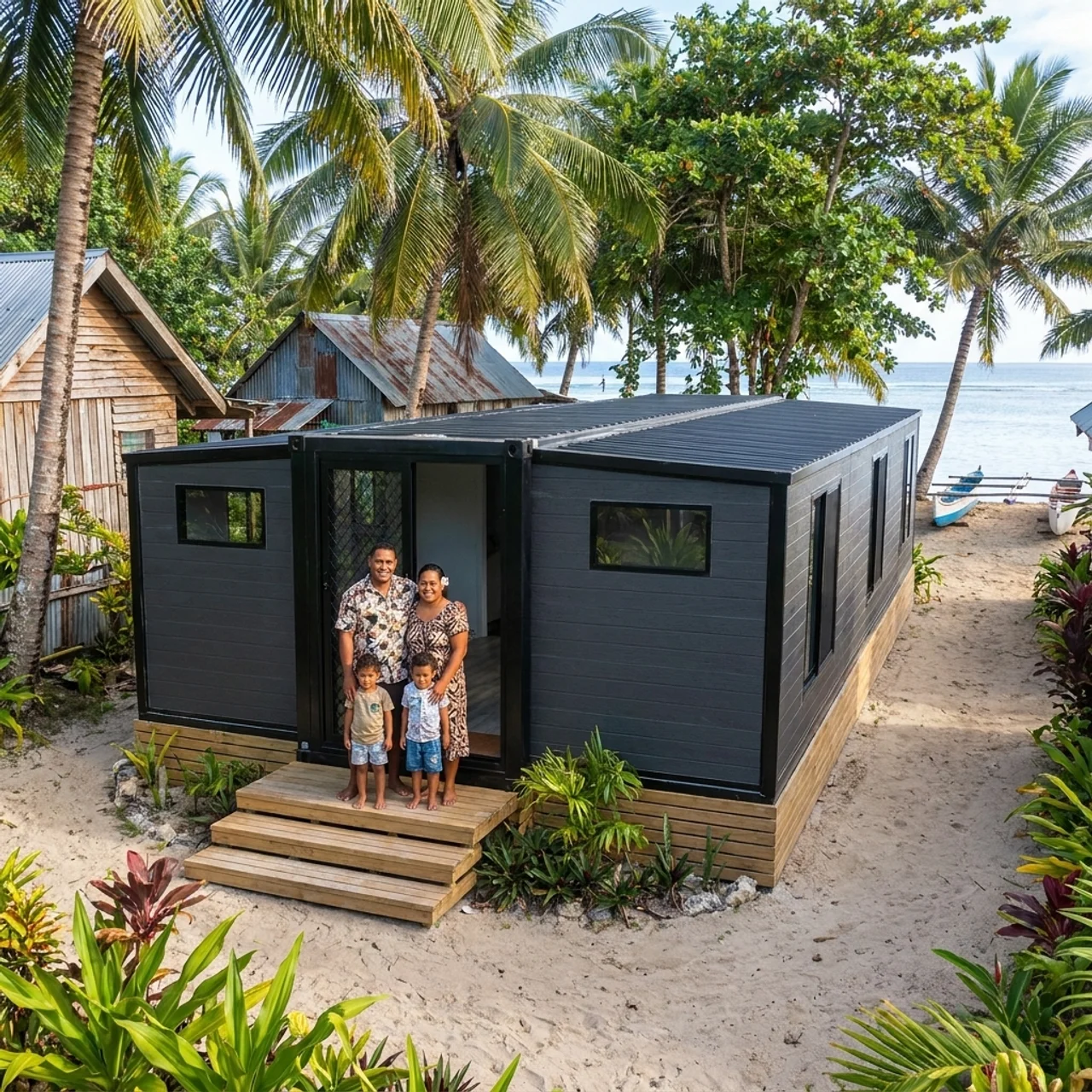
Why We Recommend Pre-Build Tiny Homes
Some pre-build tiny homes have been specifically developed with Pacific Island conditions in mind.
- Sourced from higher-grade, proven suppliers
- Configured for airflow, durability, and long-term use
- Designed to integrate roofing extensions, gutters, fans, and fly screens
Instead of guessing what works, this approach is based on what already has worked in island conditions.
Island ready
What Actually Matters in Island Living
When choosing a home for island environments, focus on:
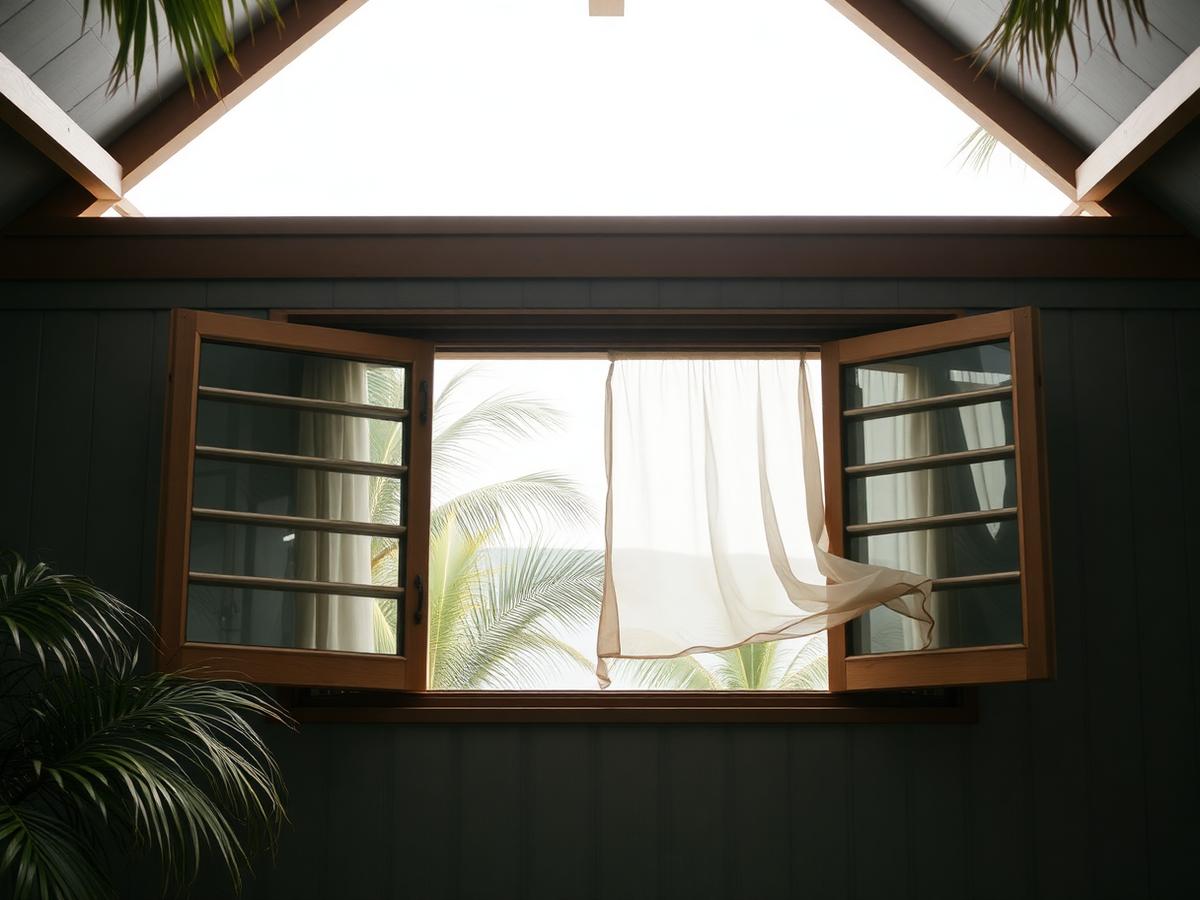
Airflow & ventilation
Essential for daily comfort
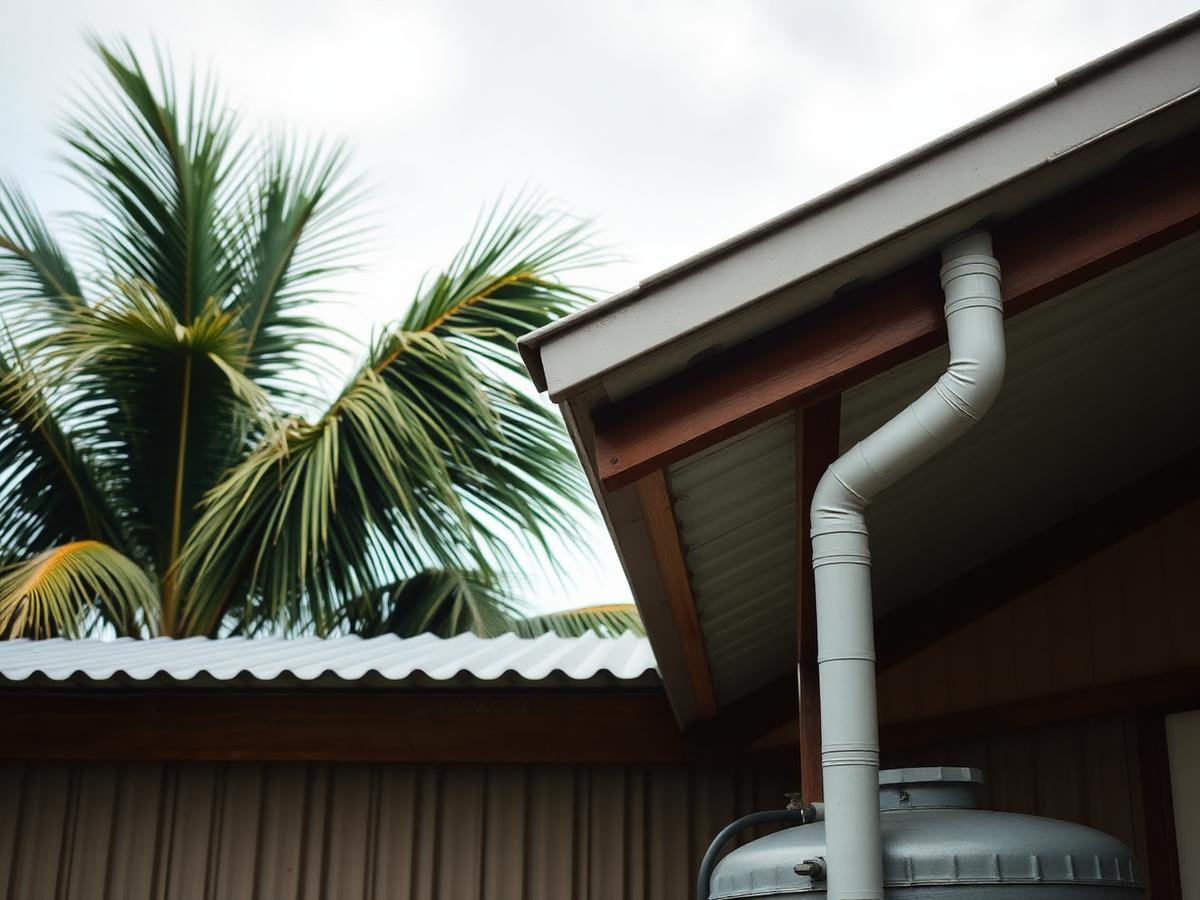
Roofing & gutters
For rain protection and water collection
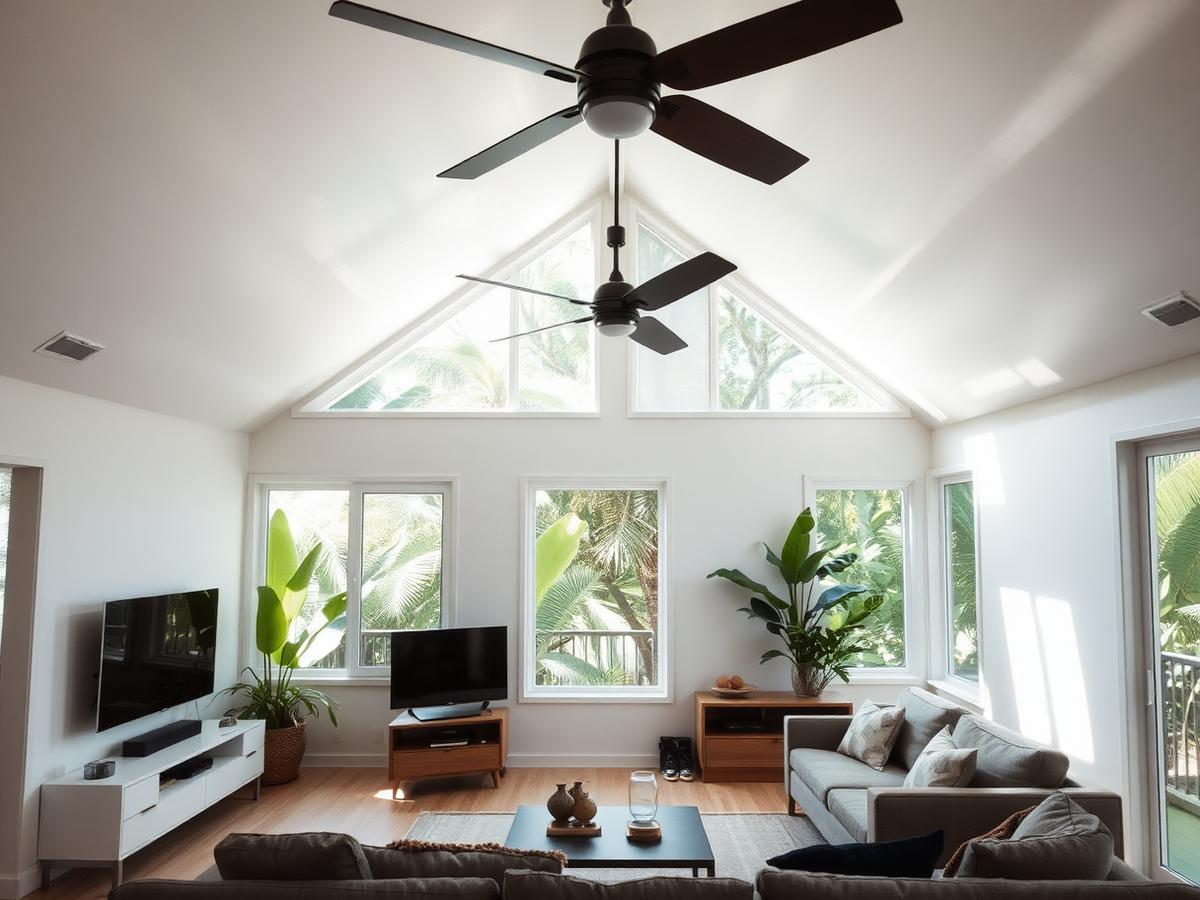
Ceiling fans & airflow design
To reduce heat build-up
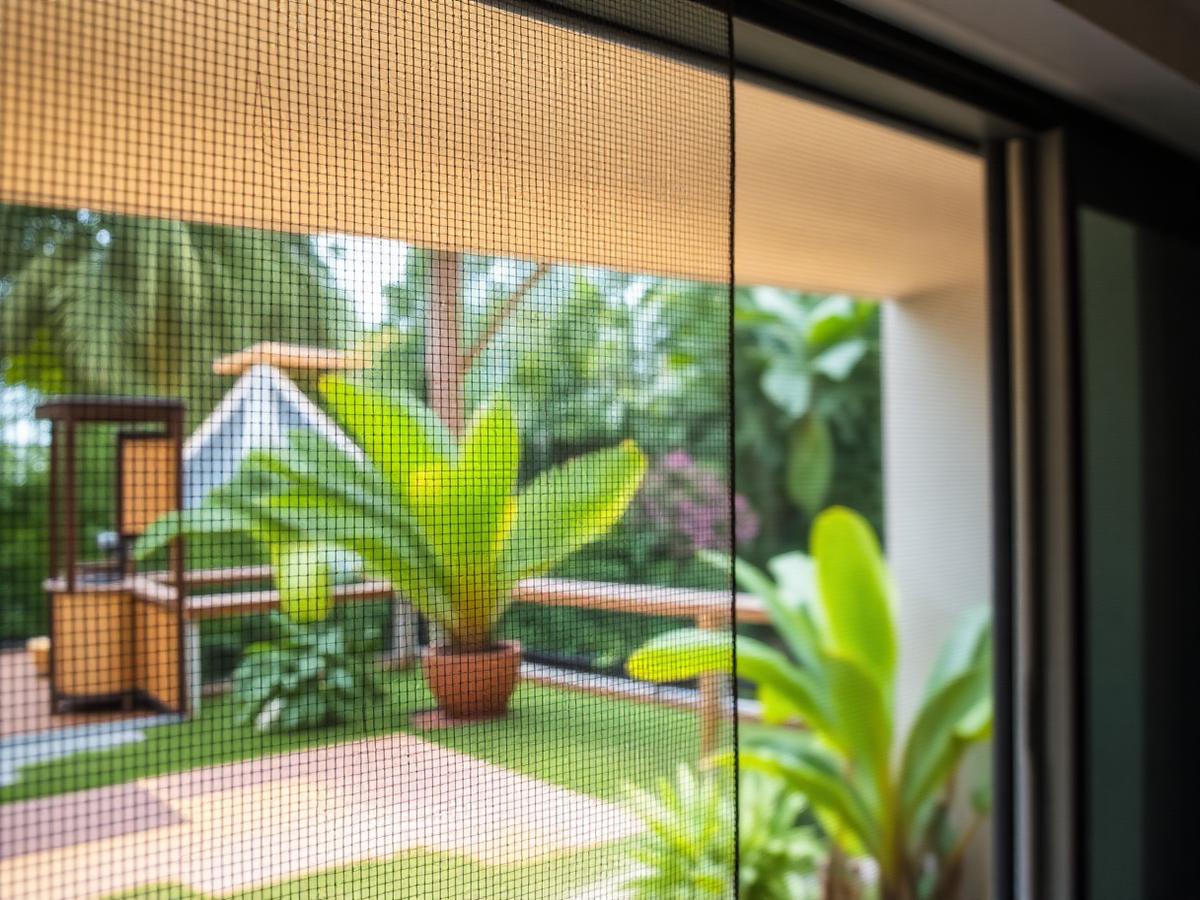
Fly screens
To keep insects out without blocking ventilation
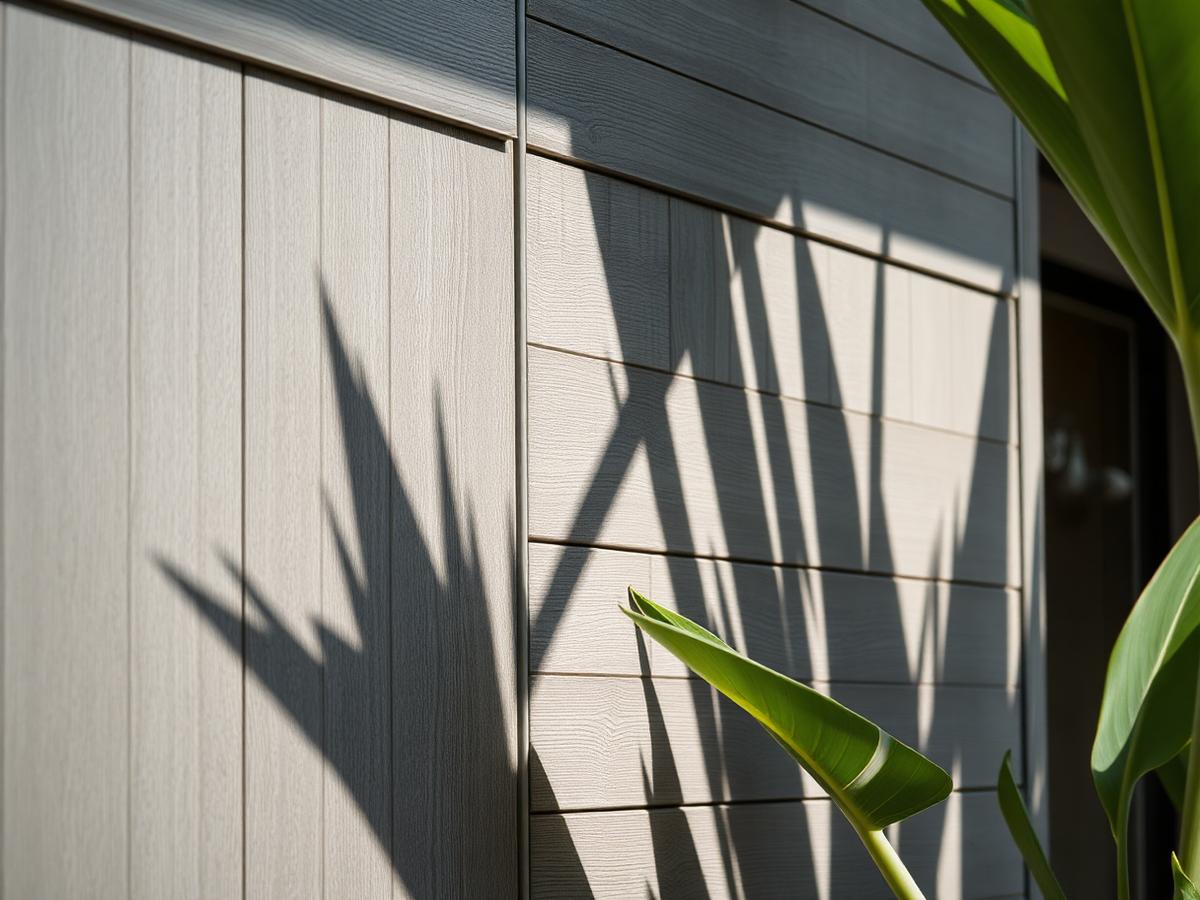
Low-maintenance materials
Because repair access is limited
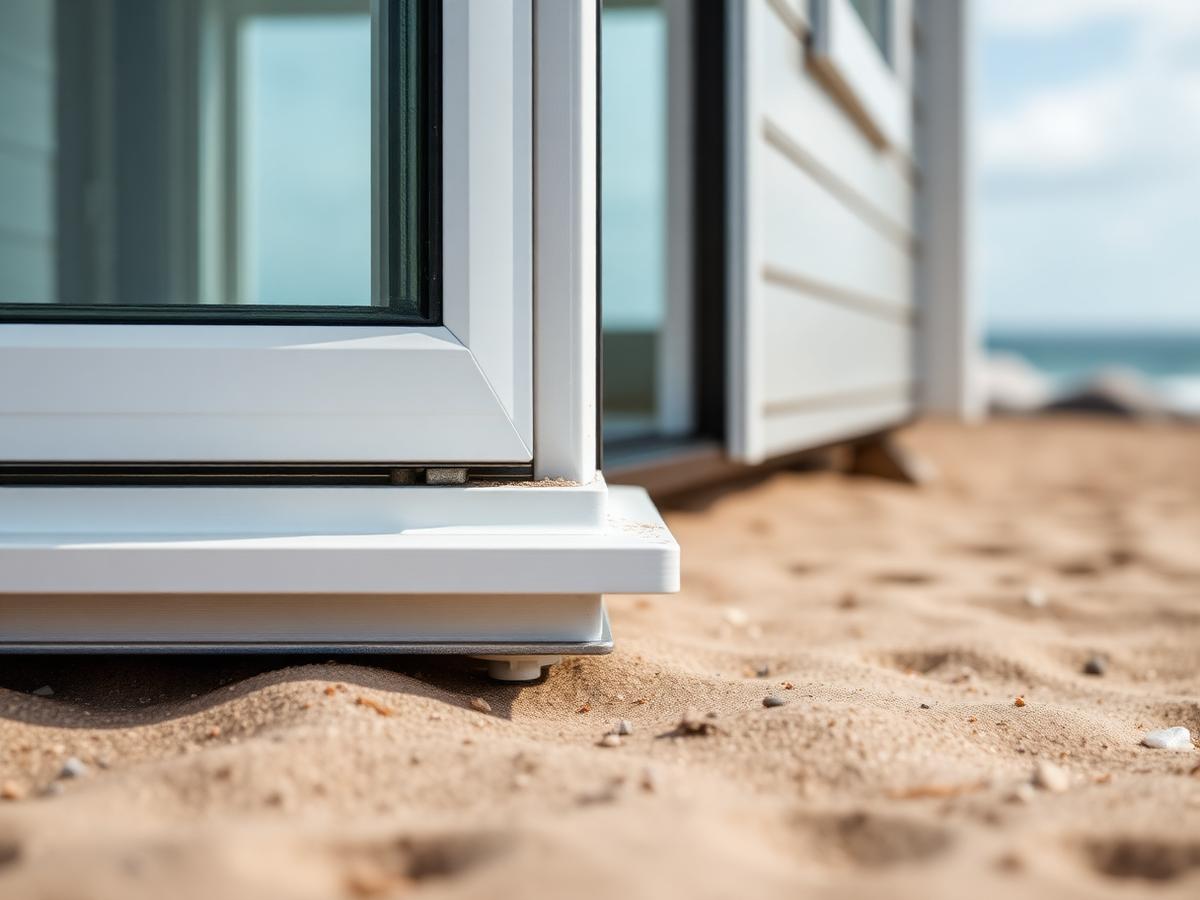
Corrosion-resistant materials
To handle salt air and coastal exposure
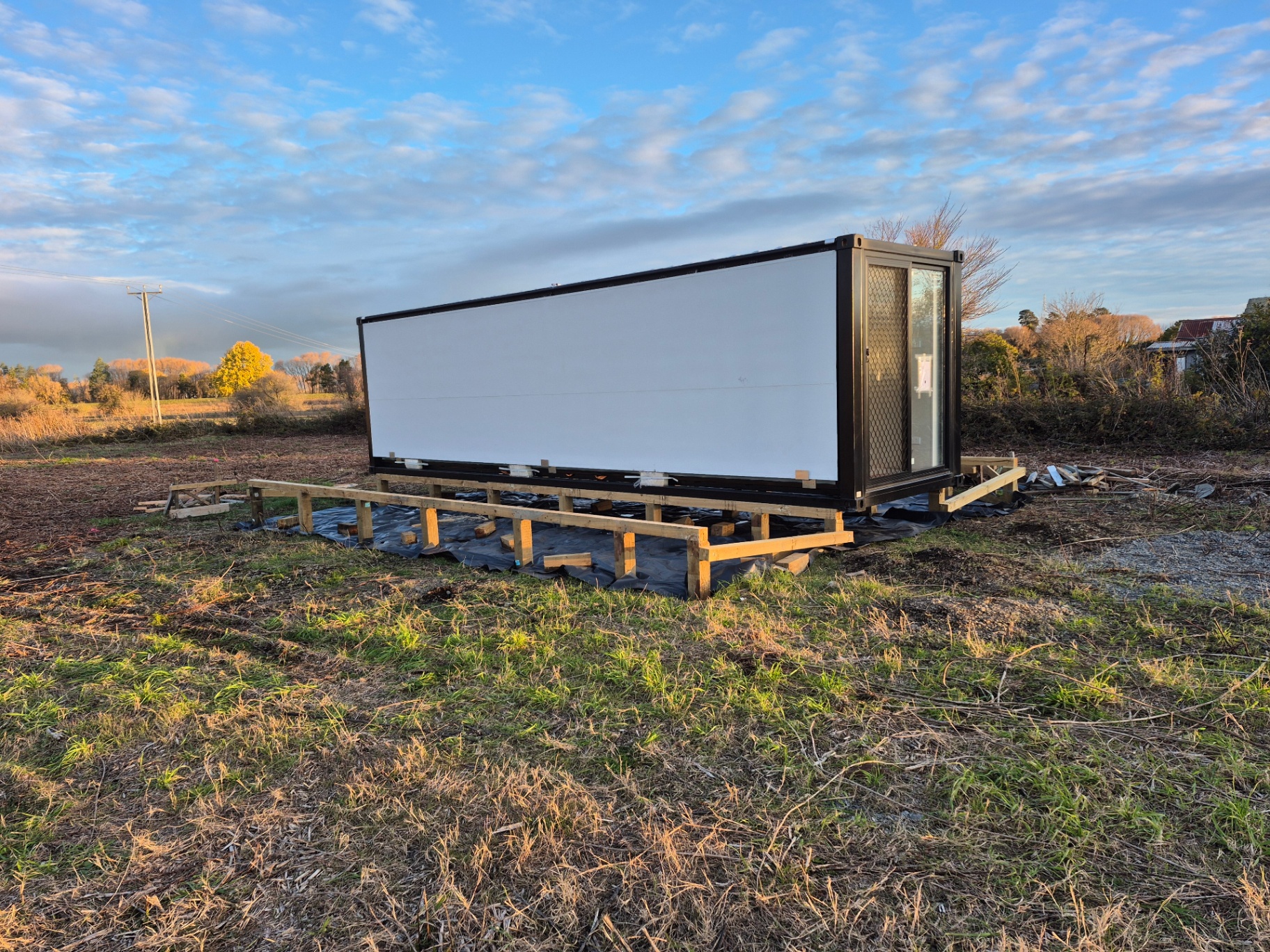
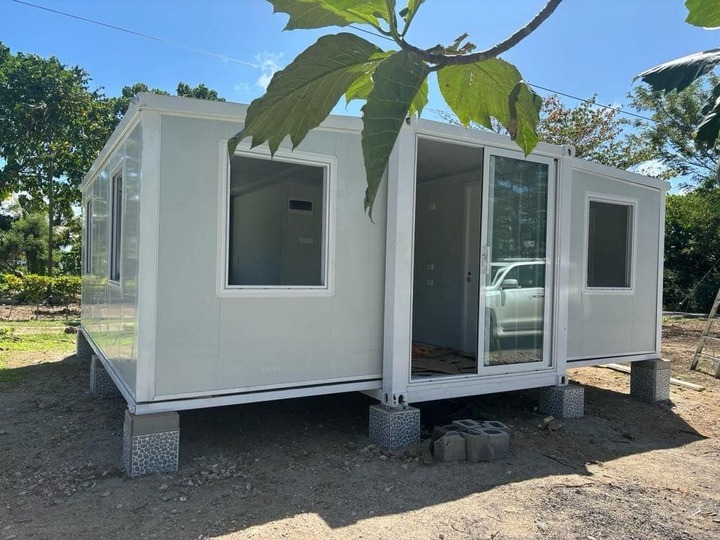
Real life examples
Quick Comparison
| Option | Cost | Setup Time | Liveability | Long-Term Viability |
|---|---|---|---|---|
| Block / Concrete | $$$$ | Slow | High | High |
| Timber / Local | $$ | Medium | Medium | Medium |
| Small Cabin | $ | Fast | Low | Low |
| Shipping Container | $$ | Medium | Low | Medium |
| Prebuilt tiny home | –$ | Fast | High | High |
Interested in learning more?
If you're planning to build on family land, the goal isn't just to build something — it's to build something that lasts, works, and suits your environment.
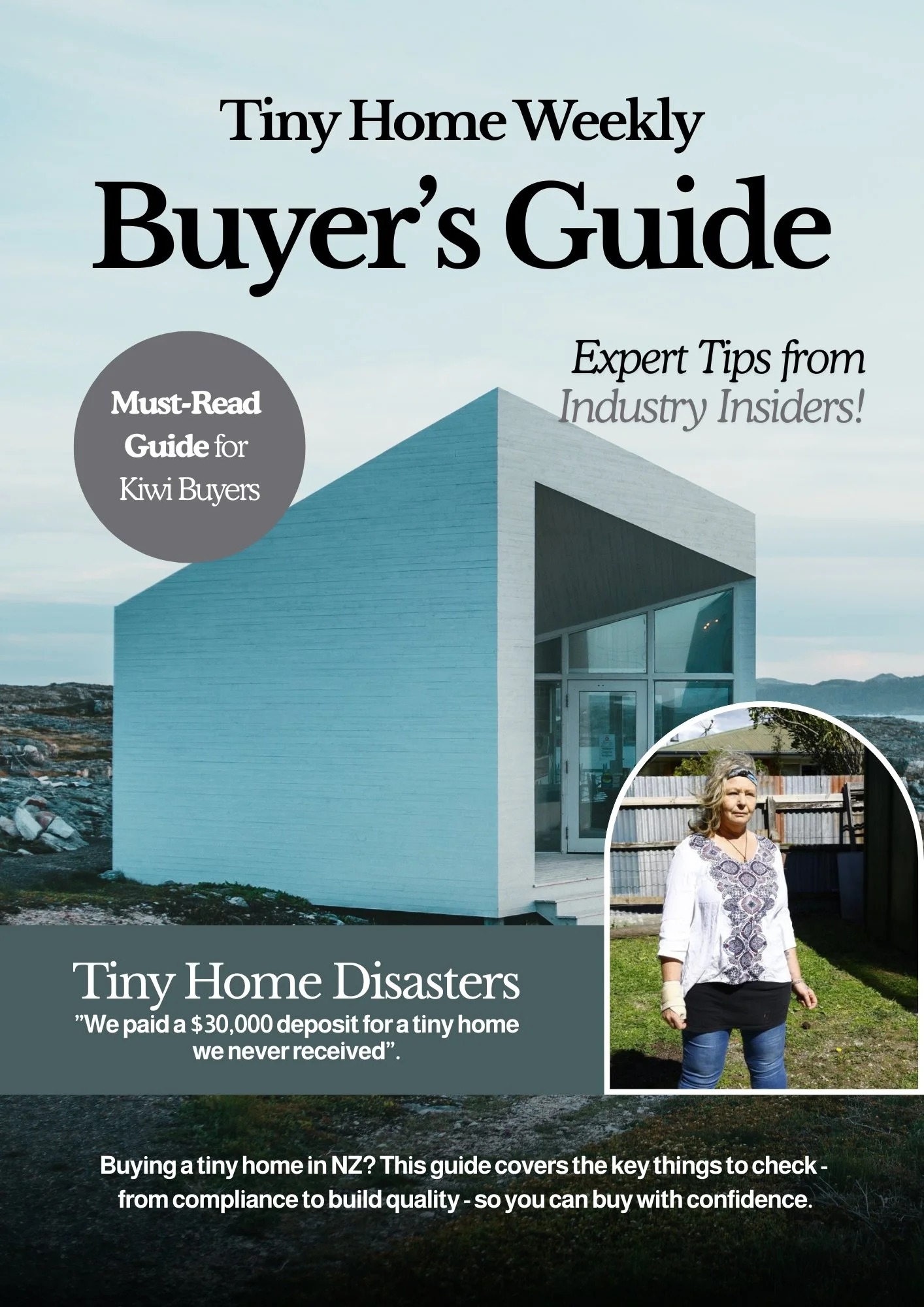
Thinking about a tiny home?
Get our free guide to compare your options — before you spend thousands.
- Expert tips from industry insiders
- Real delivery timelines
- 5 warning signs of a bad prefab seller