What owners actually paid to heat a small home this winter
We asked small-home owners across the country for their real winter power bills. The results show how far good insulation and a right-sized heat pump go.
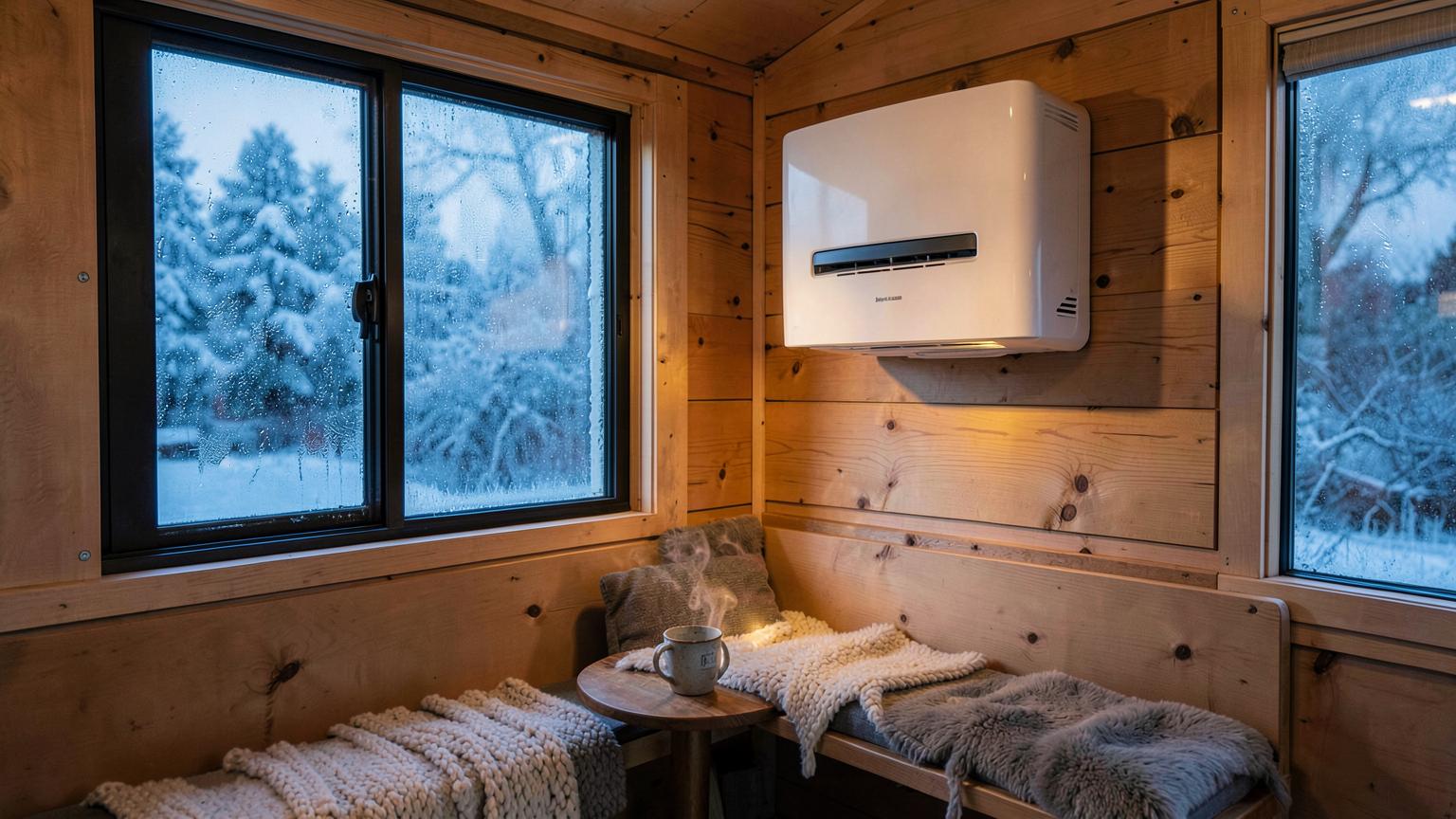
Every winter we ask the same question, and every winter the answer gets more interesting: what does it actually cost to keep a small home warm? This year we collected power bills from owners of well-insulated small homes across the country, from Northland to Southland, covering June through August.
The headline finding: a well-insulated small home with a right-sized heat pump is astonishingly cheap to heat. Most respondents reported winter power bills between $80 and $140 a month all-in — with heating the largest single component but rarely the majority.
Why the numbers are so low
The physics are simple. A small, well-sealed volume holds heat. Modern small homes built to current insulation standards lose so little warmth that a 2.5kW heat pump — the smallest most brands make — is often oversized for the space. Owners report running their units on low for a few hours in the morning and evening rather than all day.
“People don't believe the bill until they see it. My whole winter cost less than one month of heating the old villa.”
— Canterbury small-home owner
The pattern that separates cheap from expensive
- Real insulation values — walls, floor and ceiling — confirmed in writing before purchase.
- Double glazing as a minimum; the coldest-region owners with triple glazing reported the lowest bills of all.
- A bathroom fan ducted outside, not into the ceiling cavity, keeping moisture out of the thermal envelope.
- Curtains or blinds closed at dusk — the single cheapest heat-retention measure there is.
The outliers at the expensive end shared one trait: poorly specified imported units with thin walls and single glazing. The lesson mirrors what we hear from builders every week — the spec sheet you sign at purchase is the power bill you pay for years.
Spring is here and the heating debate is done for another year. But for anyone speccing a small home over summer, these numbers are the ones worth remembering.
Elise Park
Elise writes on off-grid systems, solar, and rural planning across the South Island. She's lived off-grid outside Wānaka since 2019.
Also worth reading
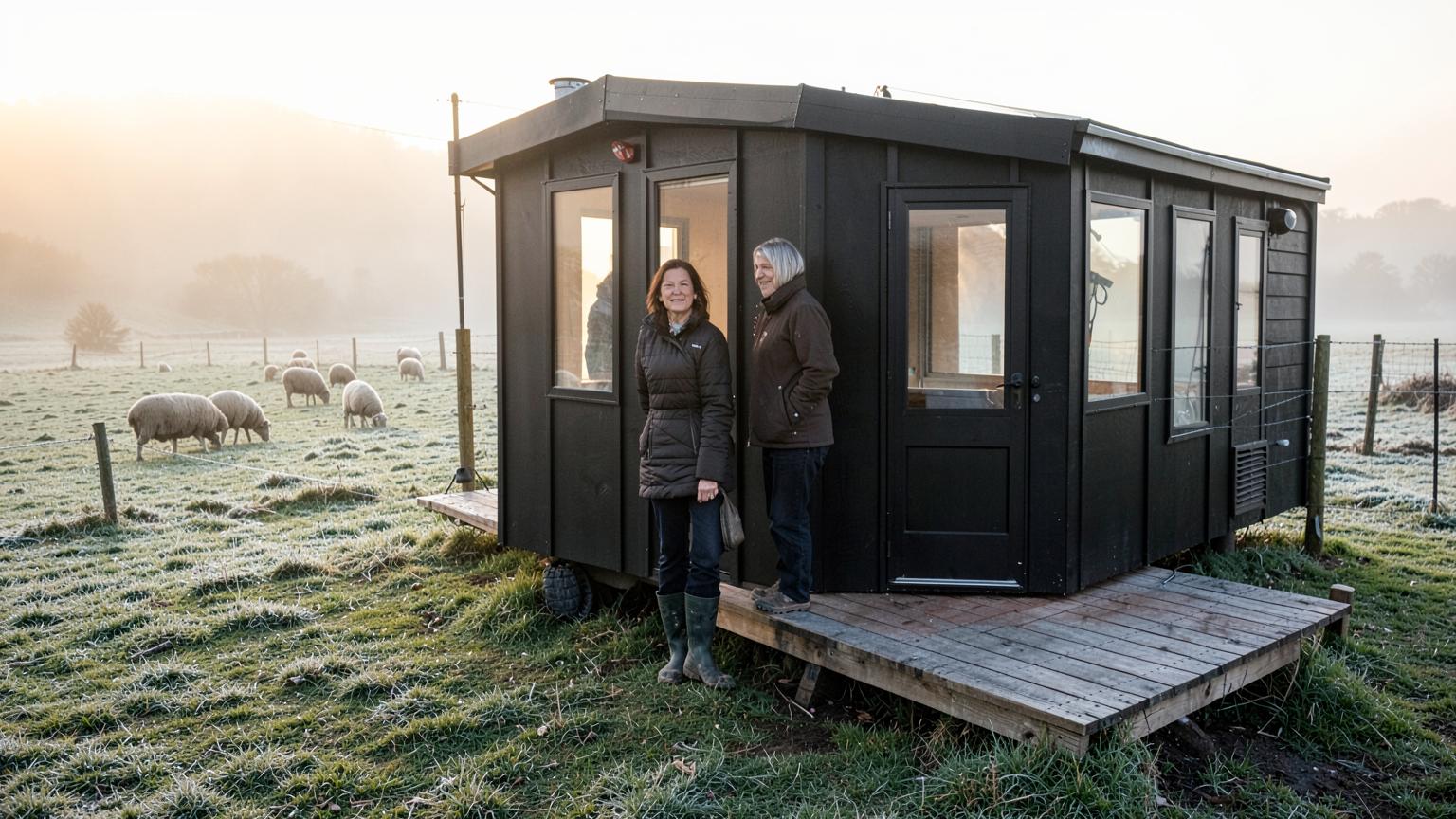
From a Shed to My Own Front Door: One Canterbury Woman's Story
She lost the house, the marriage and her security in a single text message. Six months later she owns her home outright — for $24,500.
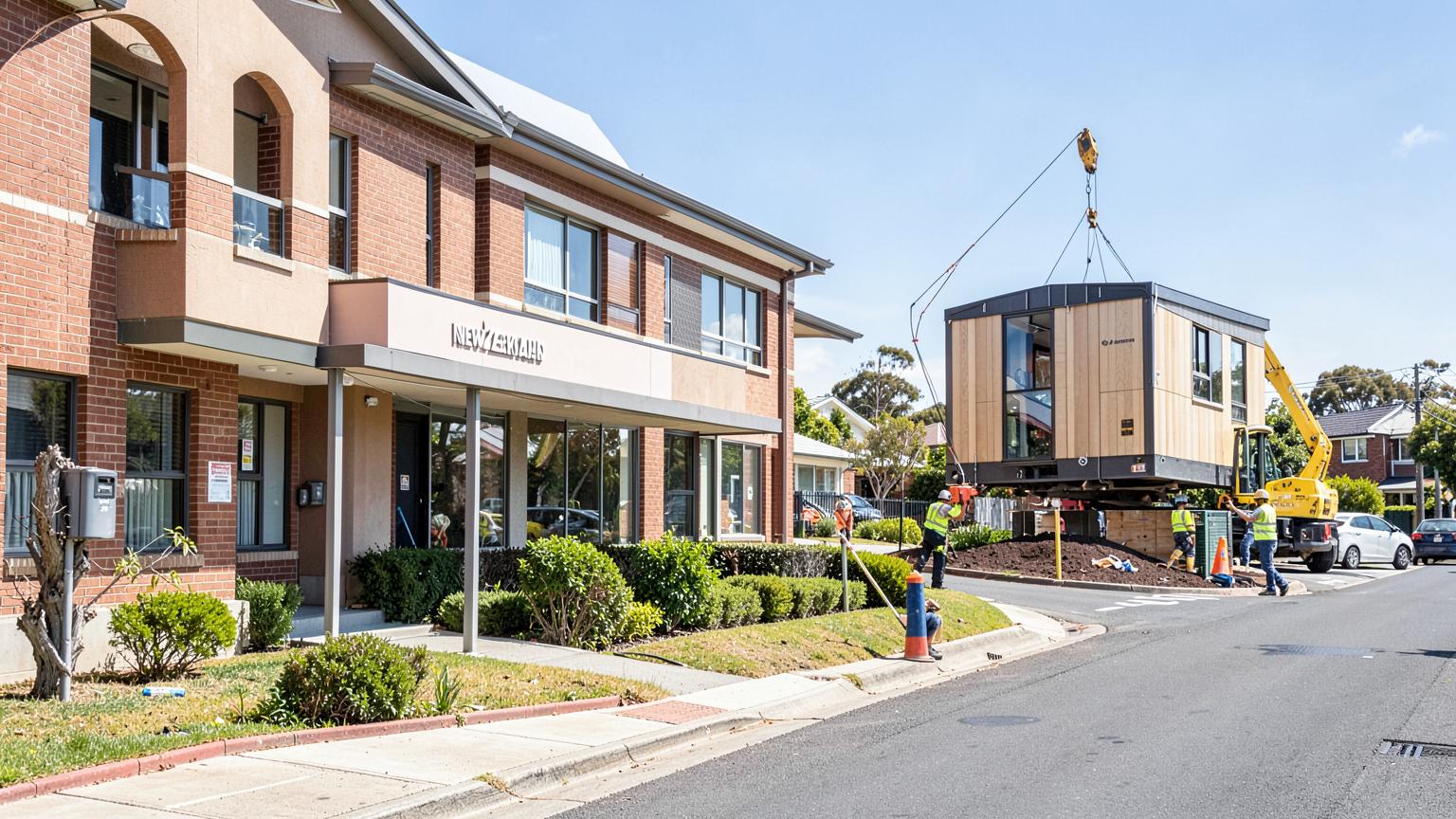
Spring 2026: small-home builds hit a record as the 70m² rule beds in
Nine months after the consent exemption took effect, councils are reporting their busiest spring on record for small stand-alone dwellings — and prefab suppliers are scaling up to meet demand.
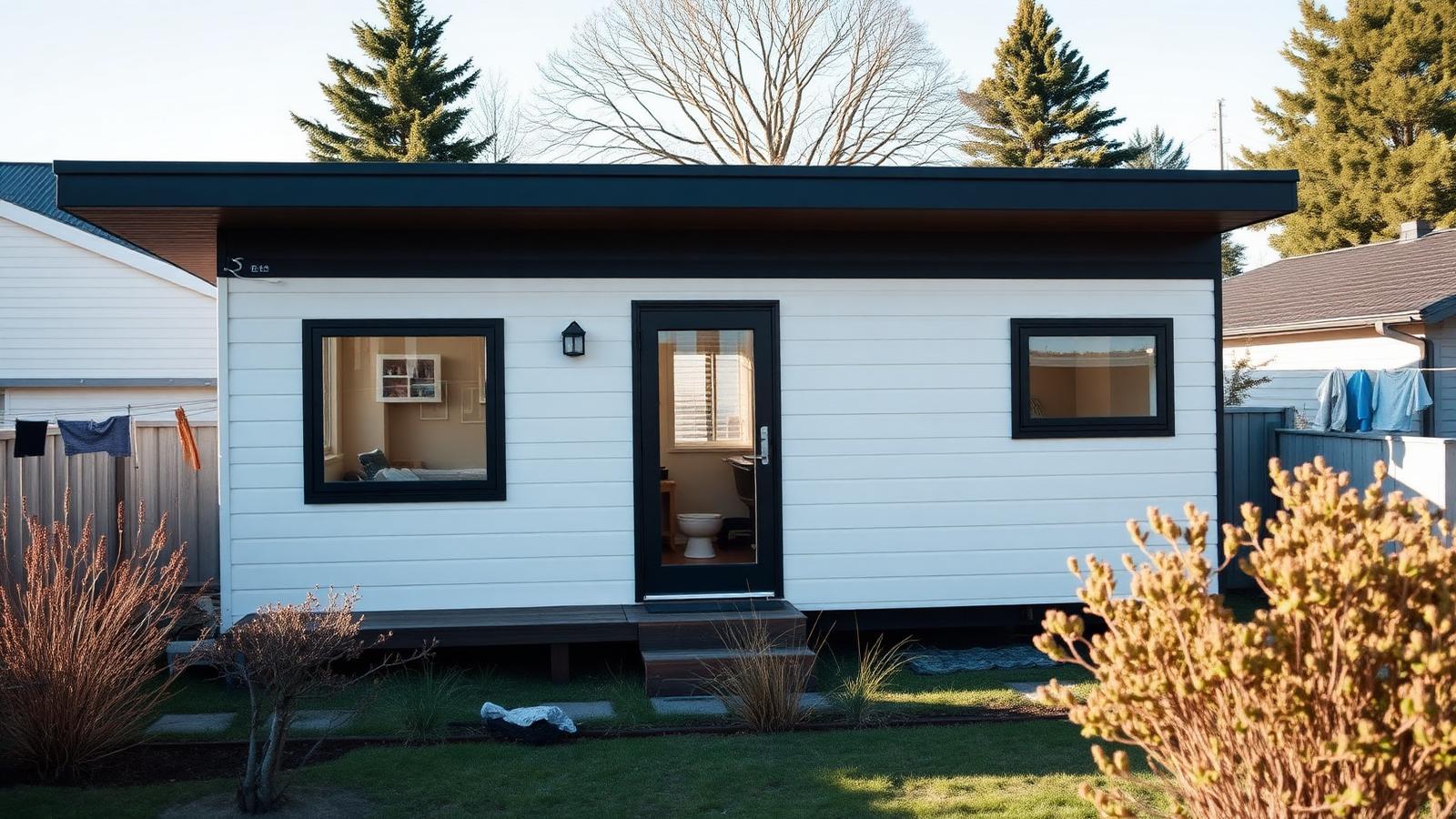
Six months of the 70m² exemption: what Kiwis have actually built
Half a year after consent-free small dwellings became legal, the pattern is clear — smaller footprints, faster starts, and a lot of backyards quietly gaining a second home.

Thinking about a tiny home?
Get our free guide to compare your options — before you spend thousands.
- Expert tips from industry insiders
- Real delivery timelines
- 5 warning signs of a bad prefab seller