Six months of the 70m² exemption: what Kiwis have actually built
Half a year after consent-free small dwellings became legal, the pattern is clear — smaller footprints, faster starts, and a lot of backyards quietly gaining a second home.
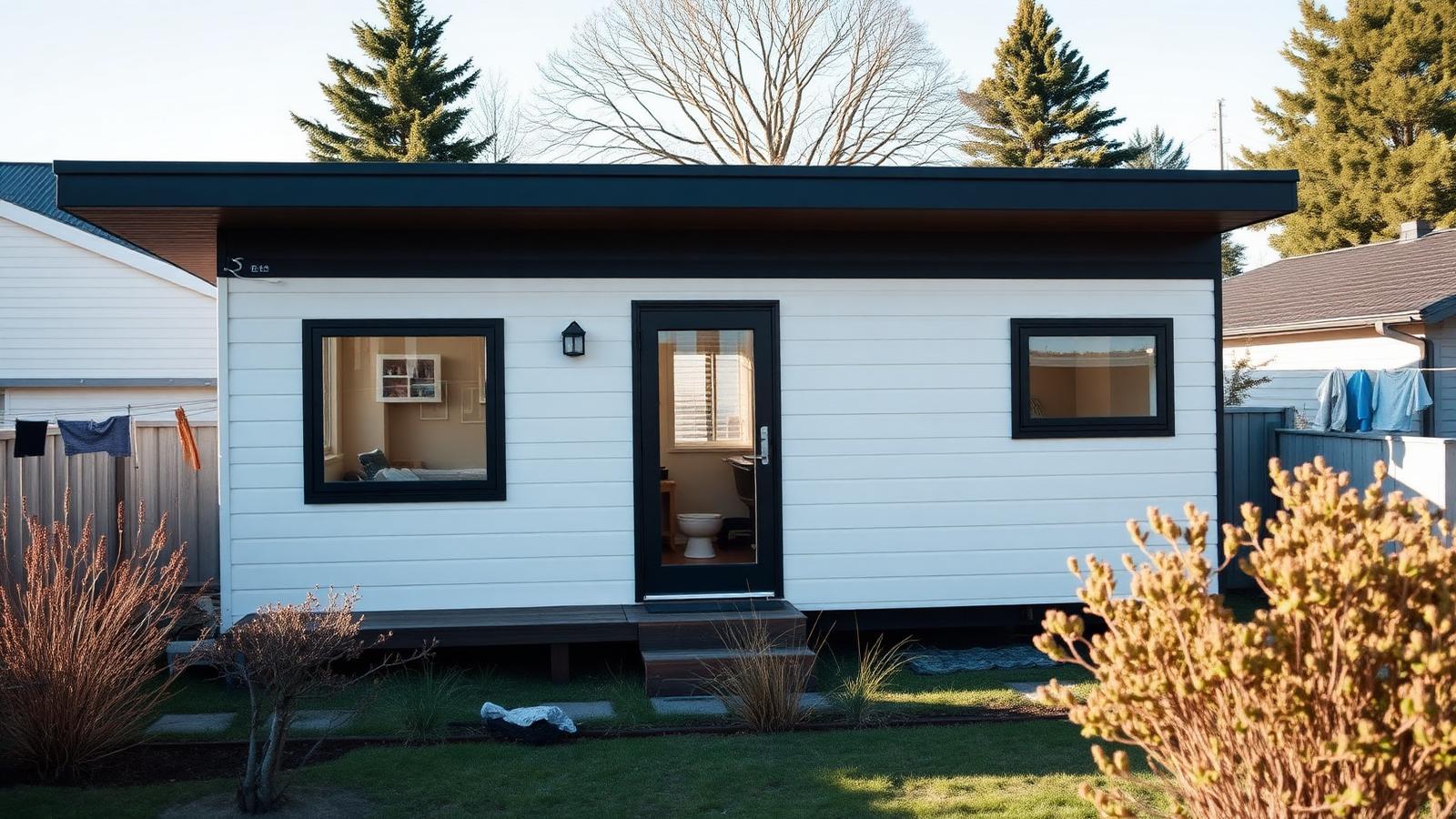
When the small stand-alone dwelling exemption came into force in January, the open question was whether it would change what people build or simply change the paperwork. Six months on, builders around the country are describing the same shift: more enquiries, smaller plans, and far shorter gaps between signing and starting.
The footprint most people are choosing
The exemption allows up to 70 square metres. Very few buyers are using all of it. The most common brief is a one-bedroom unit between 35 and 50 square metres, usually because that is what fits comfortably behind an existing house while leaving a usable yard and vehicle access for delivery.
That is a practical decision as much as a budget one. Smaller modules travel on standard transport, need less craneage, and sit inside site-coverage limits that still apply regardless of the consent exemption.
Where the time is really going
Removing the building consent has taken weeks out of the front end, but it has not removed the sequencing work. Owners still need a site plan, services connections, and a delivery route. In several regions the longest single wait is now getting a drainlayer or electrician booked rather than anything to do with council.
“The consent used to be the bottleneck. Now it is the trades and the truck.”
— Tiny Home Weekly
What still catches people out
- Site coverage and boundary setbacks in the district plan still apply.
- Development contributions can still be charged through the project information memorandum.
- The build must stay inside the simple-design criteria — one storey, no departures.
- You still need Building Code compliance and records for insurance and resale.
None of it is difficult, but all of it is easier to sort before a module is craned into place than after.
The read for buyers this spring
If you own land and have been waiting to see whether the exemption works in practice, the first six months suggest it does. The advice from builders is consistent: design inside the rules from the first sketch, book your trades early, and treat the delivery route as part of the design brief rather than an afterthought.

Hana Mitchell
Hana has covered housing and small-space design in Aotearoa for over a decade. She founded Tiny Home Weekly to bring proper journalism to a sector Kiwis are increasingly excited about.
Also worth reading
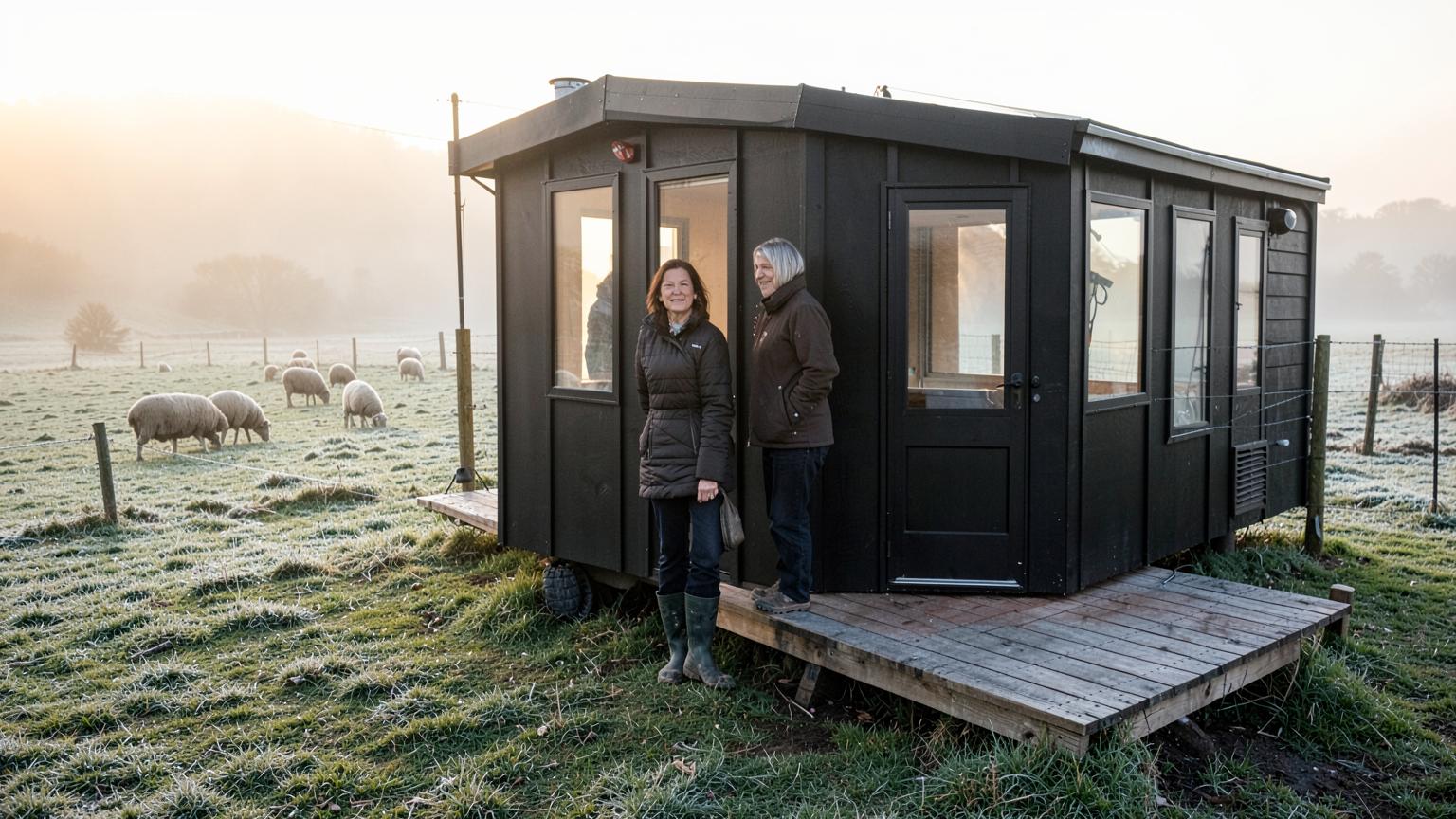
From a Shed to My Own Front Door: One Canterbury Woman's Story
She lost the house, the marriage and her security in a single text message. Six months later she owns her home outright — for $24,500.
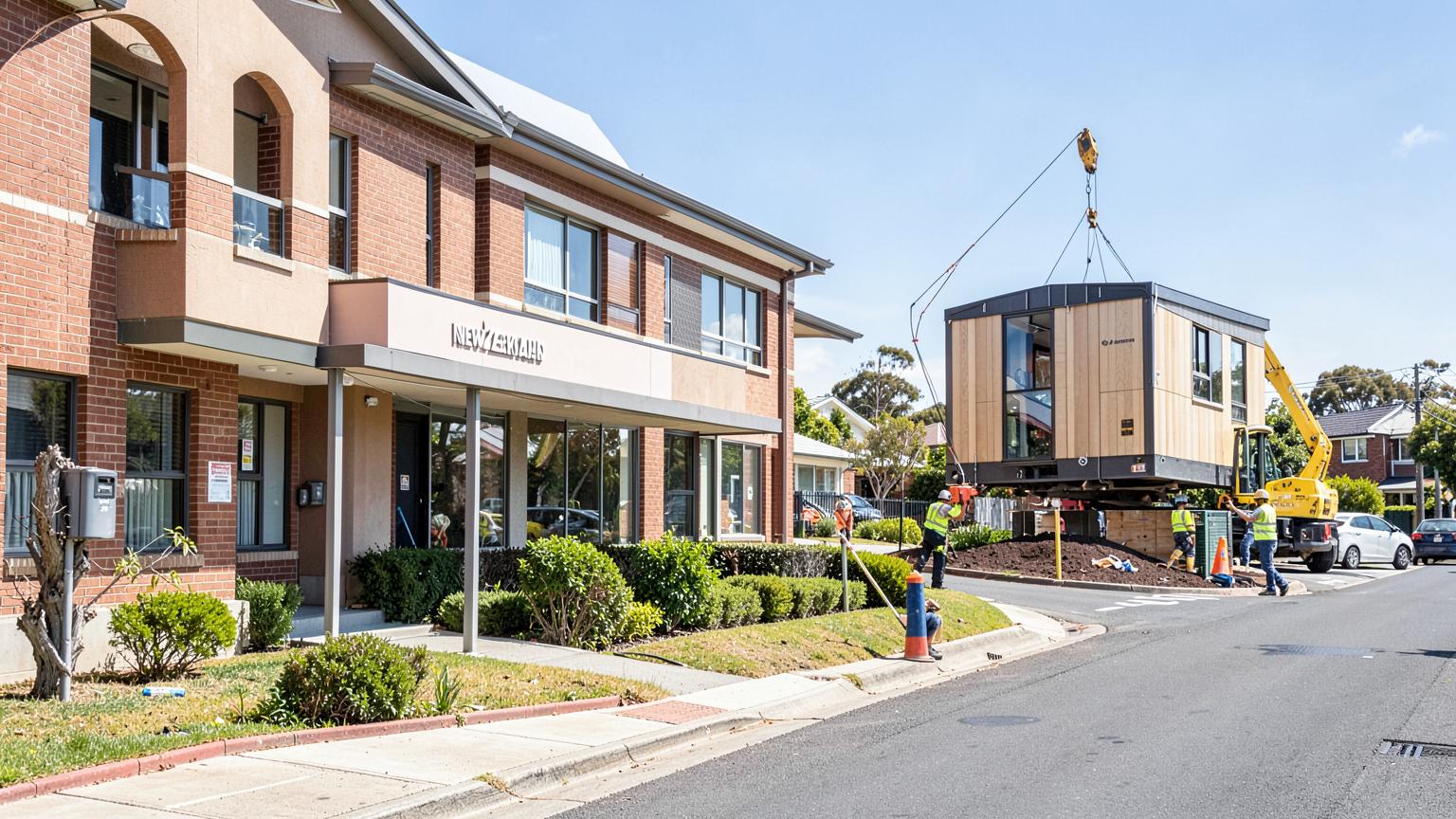
Spring 2026: small-home builds hit a record as the 70m² rule beds in
Nine months after the consent exemption took effect, councils are reporting their busiest spring on record for small stand-alone dwellings — and prefab suppliers are scaling up to meet demand.
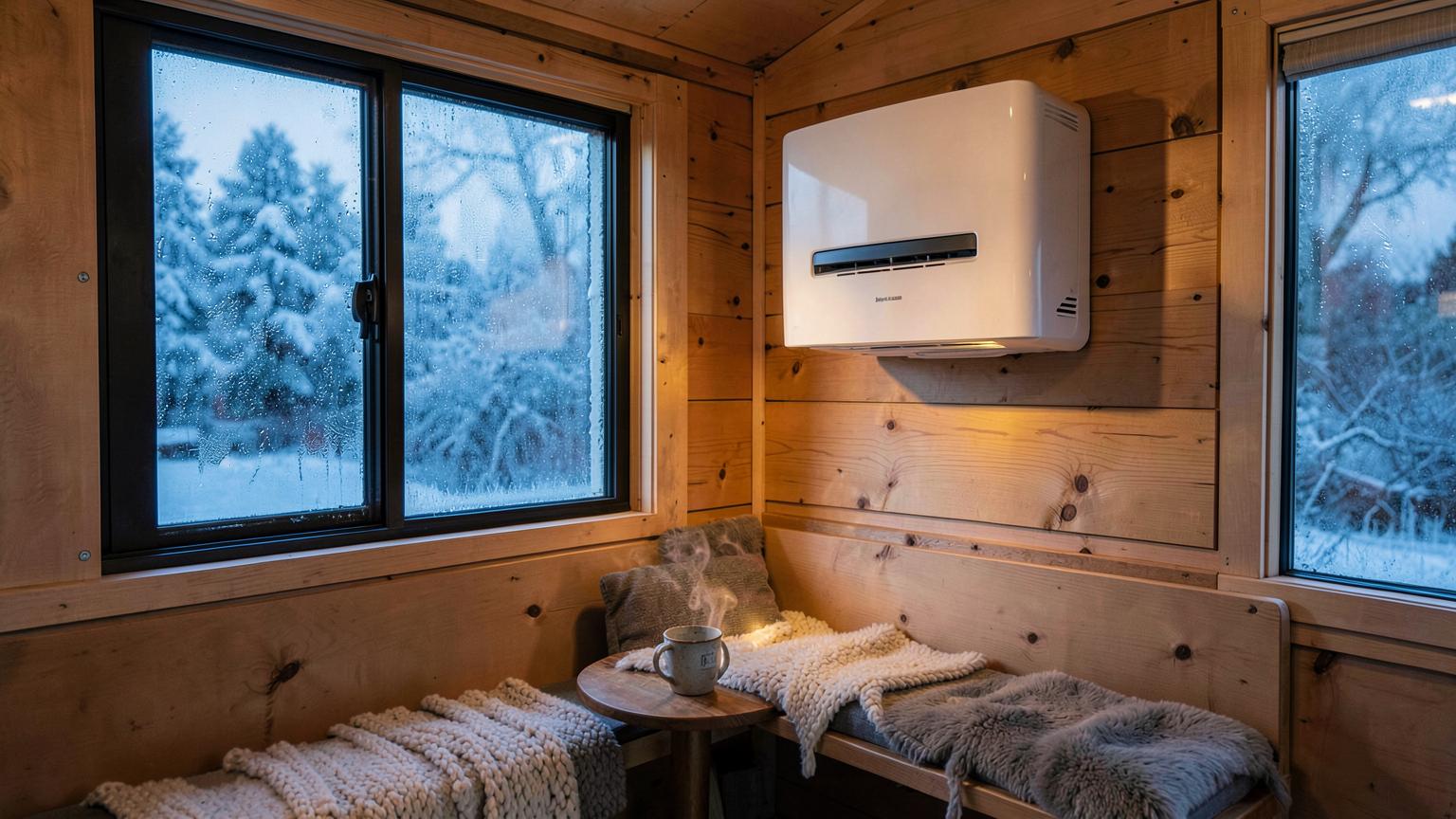
What owners actually paid to heat a small home this winter
We asked small-home owners across the country for their real winter power bills. The results show how far good insulation and a right-sized heat pump go.

Thinking about a tiny home?
Get our free guide to compare your options — before you spend thousands.
- Expert tips from industry insiders
- Real delivery timelines
- 5 warning signs of a bad prefab seller