Spring 2026: small-home builds hit a record as the 70m² rule beds in
Nine months after the consent exemption took effect, councils are reporting their busiest spring on record for small stand-alone dwellings — and prefab suppliers are scaling up to meet demand.
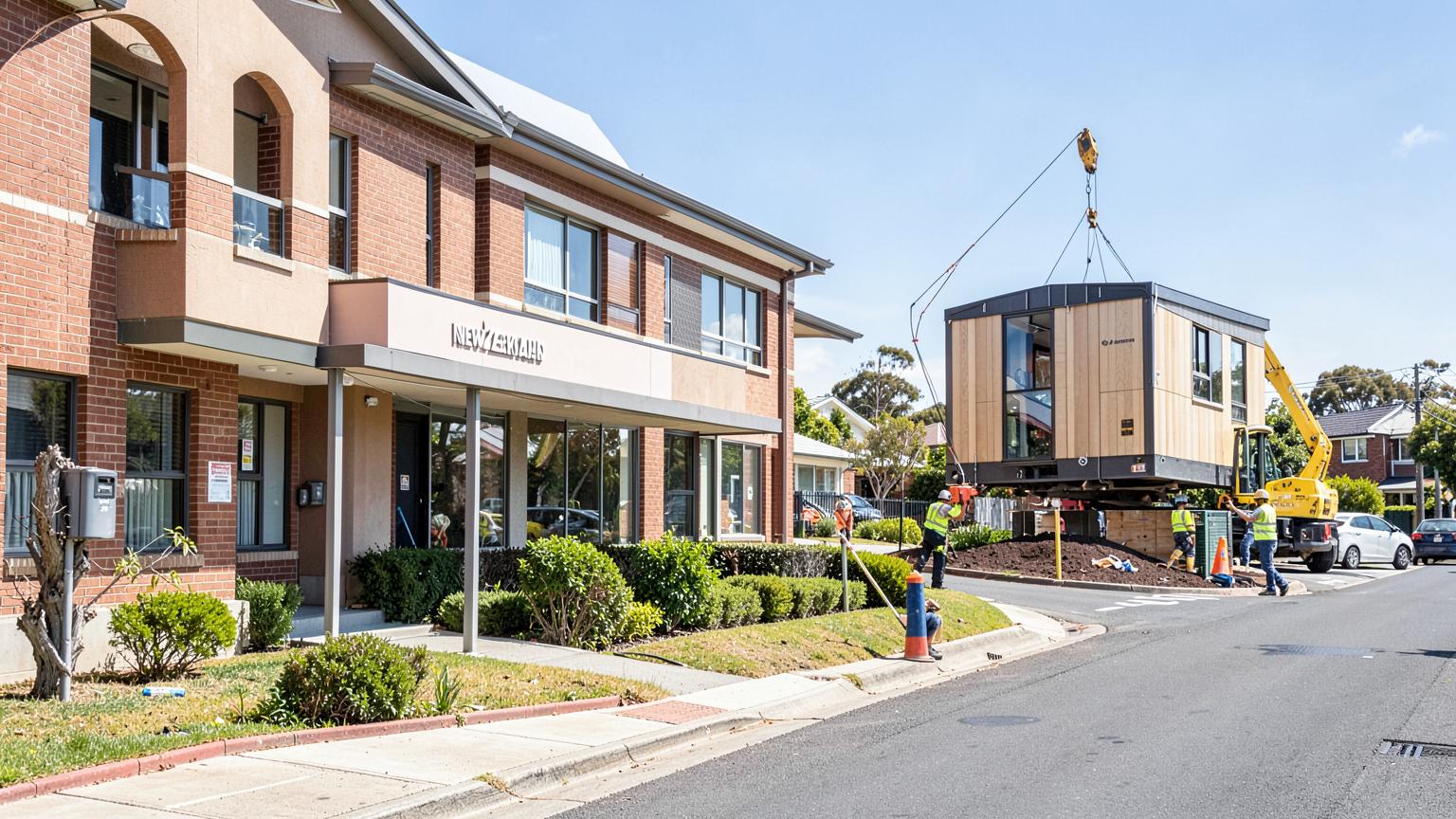
Nine months after New Zealand's small stand-alone dwelling exemption took effect, the numbers are in for the first full building season — and they have beaten every projection. Councils across the country are reporting record volumes of small-dwelling projects lodging paperwork this spring, with prefab and factory-built homes making up a clear majority.
The 70m² exemption, which came into force on 15 January, removed the building consent requirement for single-storey, self-contained homes that meet the prescribed simple-design standard. At the time, industry estimates suggested a modest uptake in year one. That now looks conservative.
What councils are seeing
Planning teams spoken to by Tiny Home Weekly describe a steady climb through winter turning into a surge since late August. The pattern is consistent from Northland to Southland: backyard units for family, rental-ready minor dwellings, and a growing share of factory-built homes that arrive largely complete and skip most of the traditional build timeline.
“The exemption did not create the demand. The demand was always there — it just finally has a legal path to the ground.”
— Auckland-based building surveyor
Prefab is the big winner
Because the exemption rewards simple, standardised design, factory-built homes are uniquely positioned. Suppliers hold pre-engineered designs that sit inside the rules, which means buyers can go from order to delivery in weeks rather than months. Several manufacturers report their spring production slots filling earlier than in any previous year.
The advice from councils remains the same as it was in January: check your district plan's site-coverage and boundary rules before you order, and budget for development contributions where they apply. The red tape is thinner — it is not gone.
But for a sector that spent a decade building on wheels to stay legal, a record spring on permanent foundations is a milestone worth marking.

Hana Mitchell
Hana has covered housing and small-space design in Aotearoa for over a decade. She founded Tiny Home Weekly to bring proper journalism to a sector Kiwis are increasingly excited about.
Also worth reading
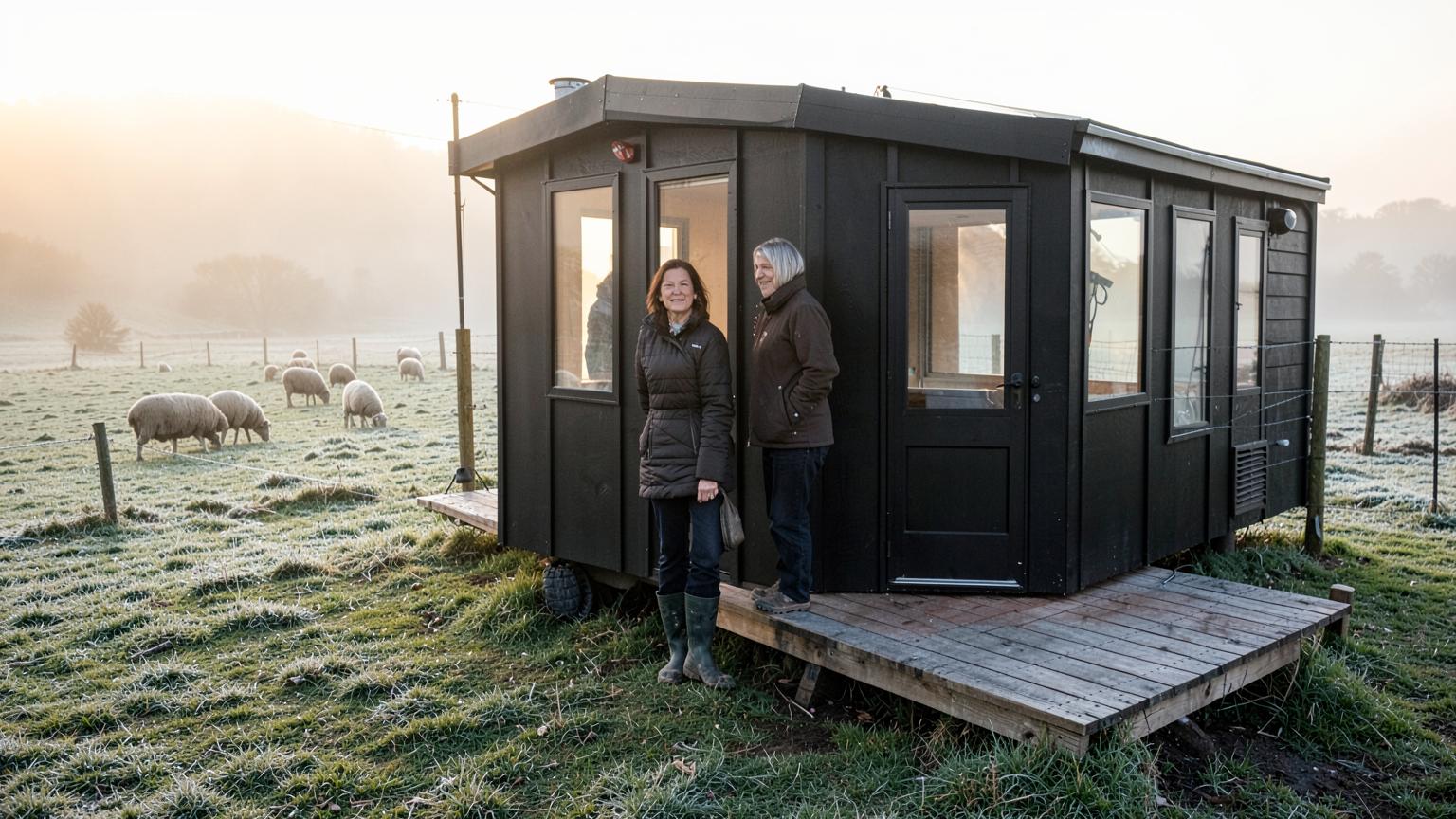
From a Shed to My Own Front Door: One Canterbury Woman's Story
She lost the house, the marriage and her security in a single text message. Six months later she owns her home outright — for $24,500.
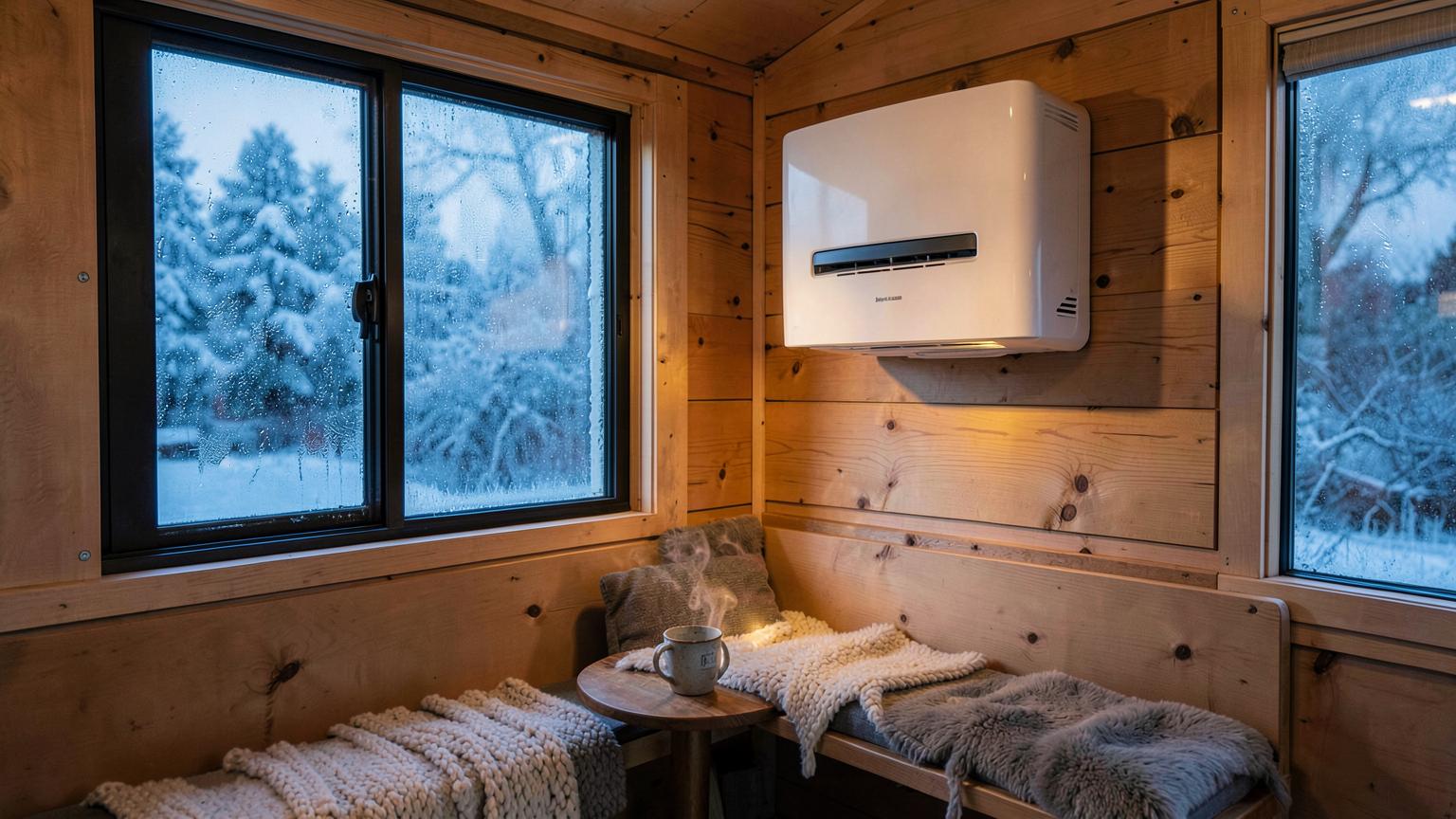
What owners actually paid to heat a small home this winter
We asked small-home owners across the country for their real winter power bills. The results show how far good insulation and a right-sized heat pump go.
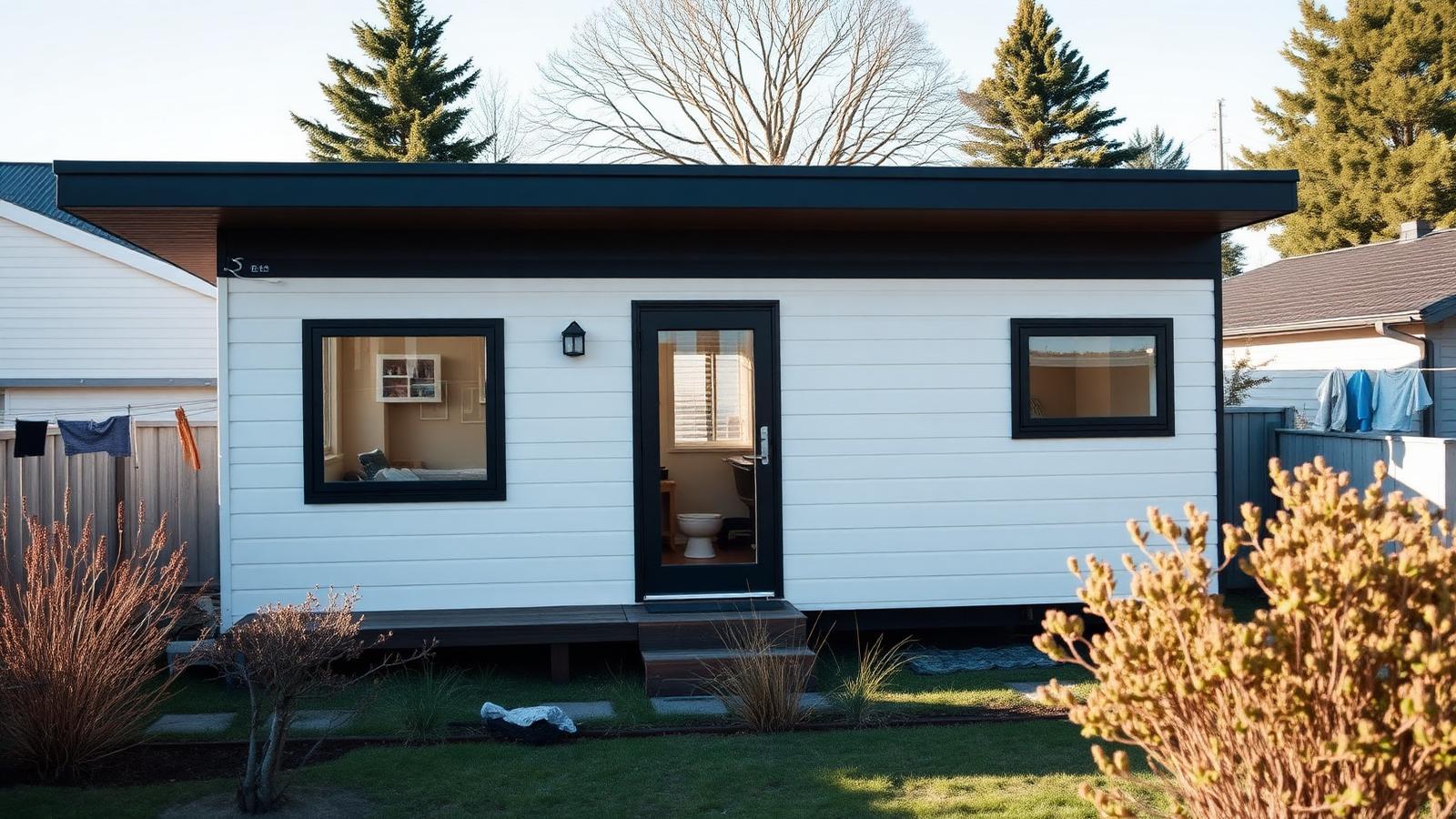
Six months of the 70m² exemption: what Kiwis have actually built
Half a year after consent-free small dwellings became legal, the pattern is clear — smaller footprints, faster starts, and a lot of backyards quietly gaining a second home.

Thinking about a tiny home?
Get our free guide to compare your options — before you spend thousands.
- Expert tips from industry insiders
- Real delivery timelines
- 5 warning signs of a bad prefab seller