Off the grid, on your own terms: the quiet rise of the self-sufficient tiny home
Solar, rainwater and a smaller footprint were once a fringe choice. In 2026, with rural building rules loosening, self-sufficient tiny living is going mainstream — and it makes more sense than ever.
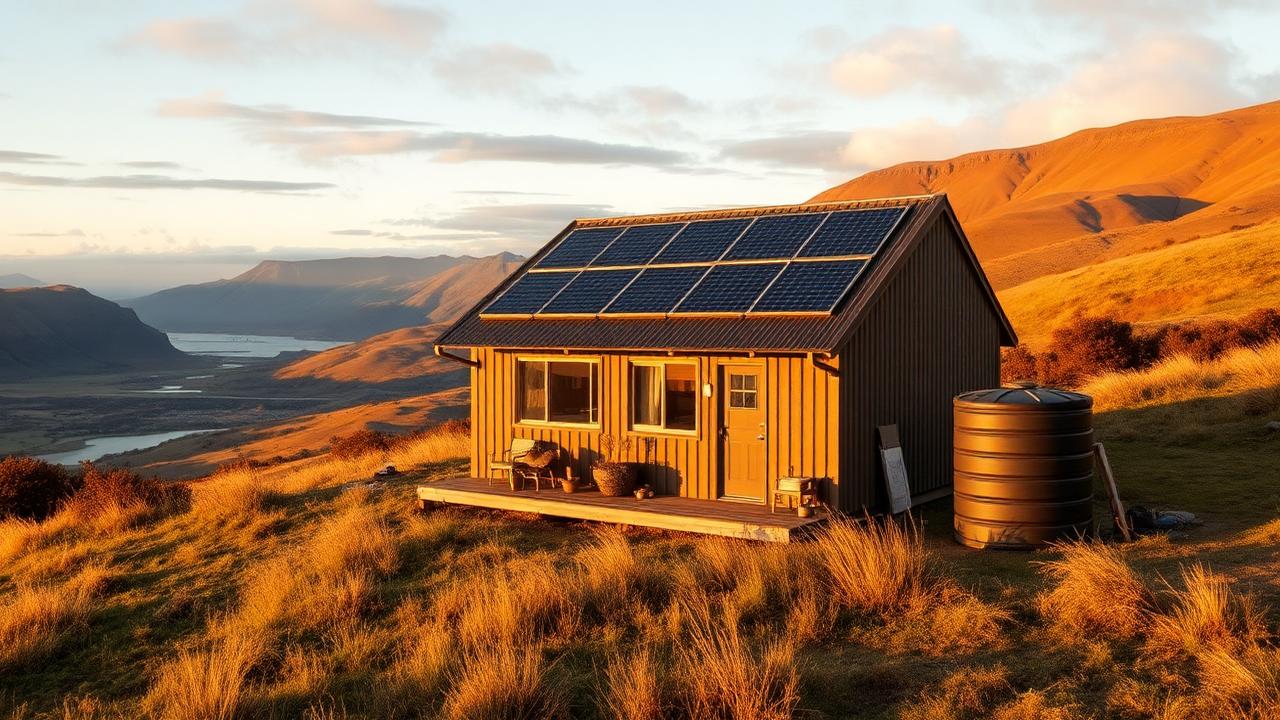
There has always been a romance to living off the grid in New Zealand: a small home, a solar array, a water tank, and a piece of land far enough out that the nearest streetlight is a memory. What has changed is that the romance now comes with a spreadsheet that works — and, from 2026, a rulebook that helps rather than hinders.
Why small and self-sufficient go together
A tiny home is, by nature, a self-sufficiency head start. Less roof, less floor, and less volume to heat mean the energy load is small enough that solar and battery storage can realistically carry it. Pair that with rainwater collection and a properly designed greywater and wastewater system, and a compact home can run largely independent of mains services — turning a rural or lifestyle block that was once "too hard to connect" into a genuinely liveable site.
That is the practical magic: the smaller the home, the easier every off-grid system becomes to size, afford and maintain.
The rules are finally on side
For years, the barrier to rural self-sufficient living wasn't the solar panels — it was the paperwork. The 2026 changes matter here too. On many rural-zoned properties, a self-contained dwelling up to 70 square metres can now be built without a building consent, provided it meets the simple-design standard, with the resource consent hurdle for these dwellings removed at the end of 2025.
For lifestyle-block owners and would-be smallholders, that removes one of the biggest friction points in the whole equation. The land, the sun and the rain were always there. Now the consent process isn't standing between them and a home.
“The panels were never the hard part. The paperwork was.”
— Off-grid tiny-home owner, Otago
Doing it properly
Self-sufficiency rewards planning, not improvisation. The systems that make or break an off-grid tiny home — battery capacity for the darker months, water storage sized to your rainfall, a compliant wastewater solution — are worth specifying carefully and, in the case of anything to do with wastewater, worth getting professional and council input on even where a building consent isn't required. The Building Code still applies, and water and effluent are exactly where a cheap shortcut becomes an expensive mistake.
Done well, the payoff is a way of living that a lot of Kiwis quietly want: lower bills, a lighter footprint, and a home that answers to the weather rather than the meter. It used to be a fringe choice. In 2026, it is starting to look like a sensible one.
Elise Park
Elise writes on off-grid systems, solar, and rural planning across the South Island. She's lived off-grid outside Wānaka since 2019.
Also worth reading
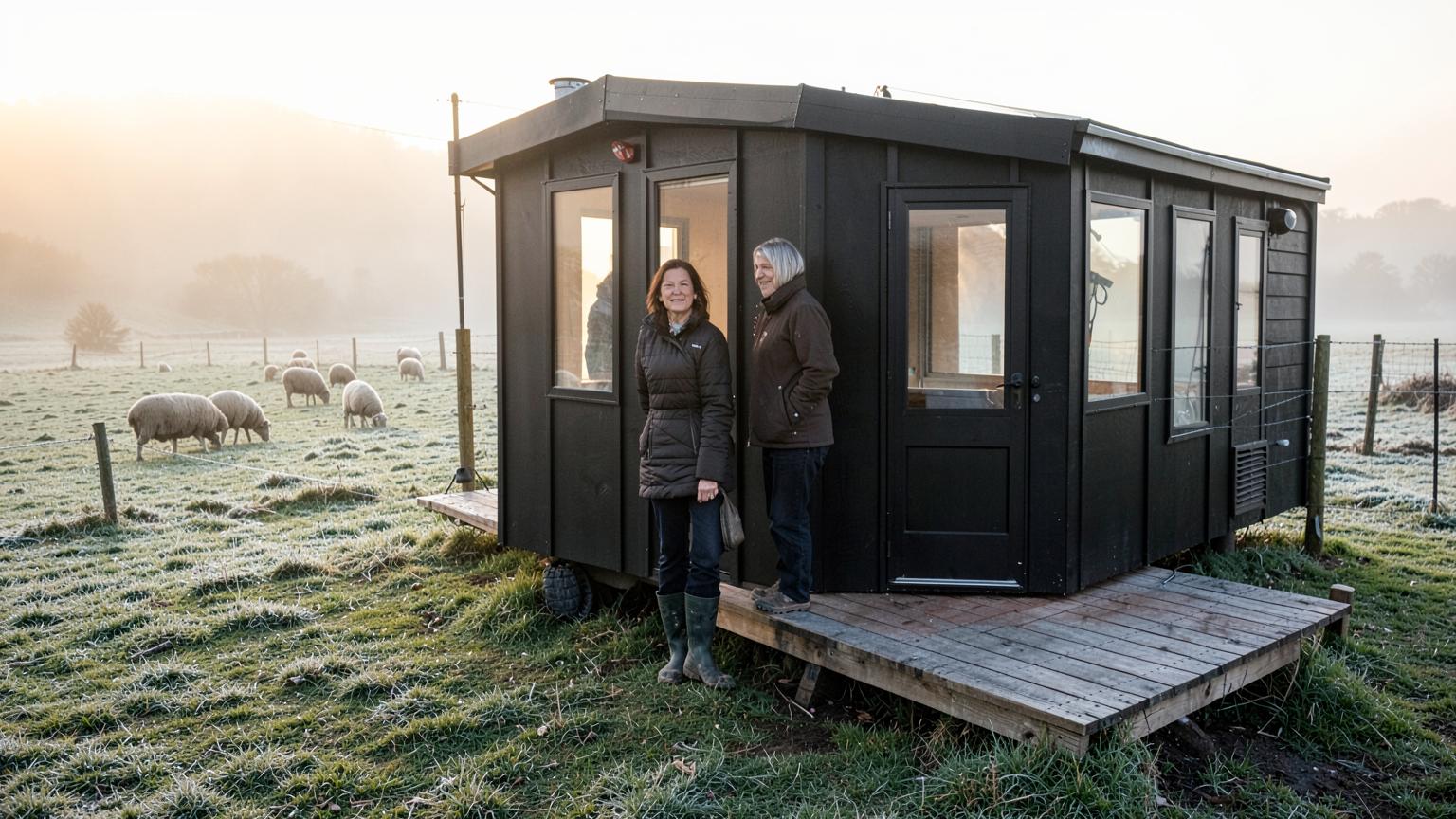
From a Shed to My Own Front Door: One Canterbury Woman's Story
She lost the house, the marriage and her security in a single text message. Six months later she owns her home outright — for $24,500.
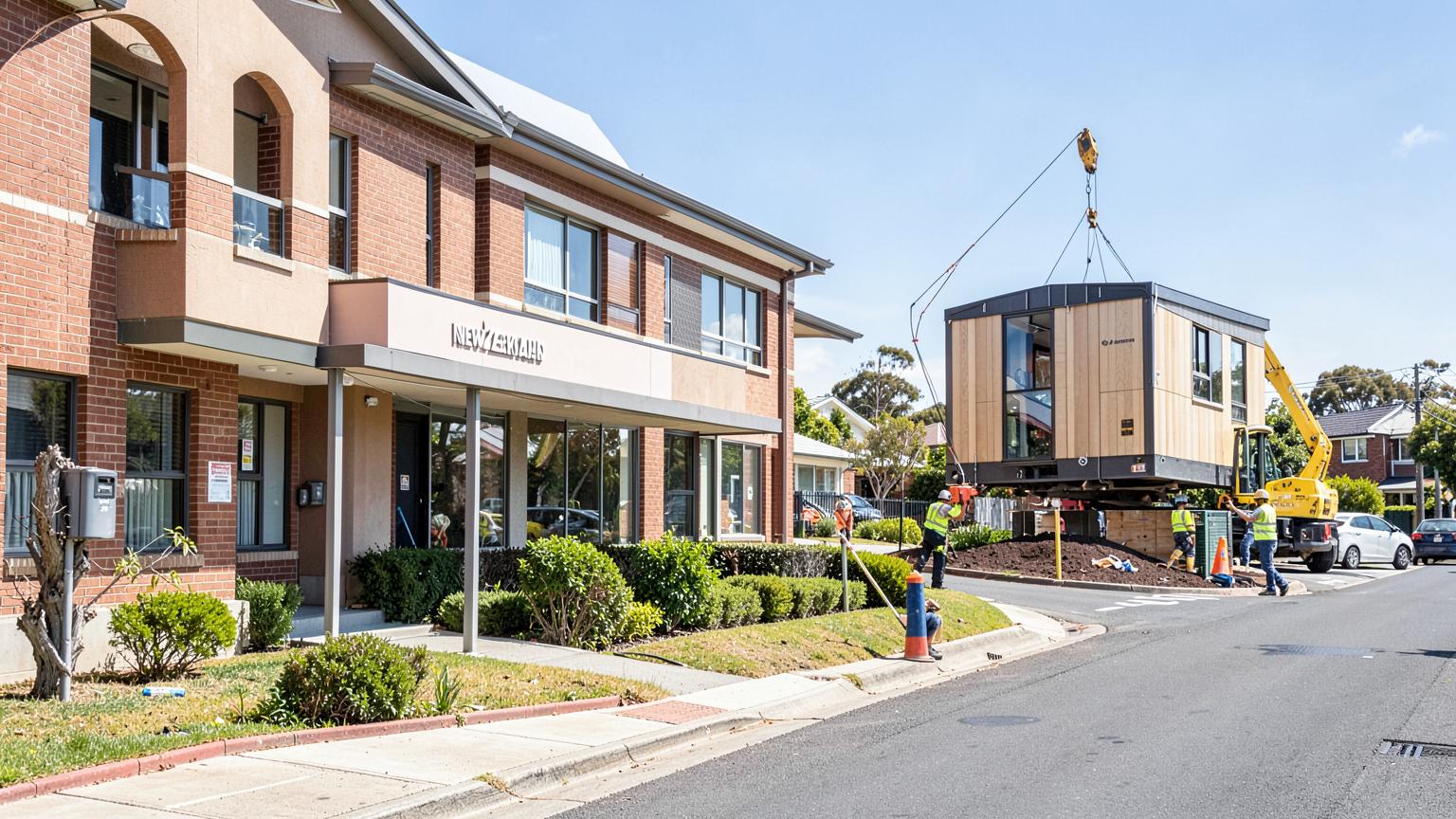
Spring 2026: small-home builds hit a record as the 70m² rule beds in
Nine months after the consent exemption took effect, councils are reporting their busiest spring on record for small stand-alone dwellings — and prefab suppliers are scaling up to meet demand.
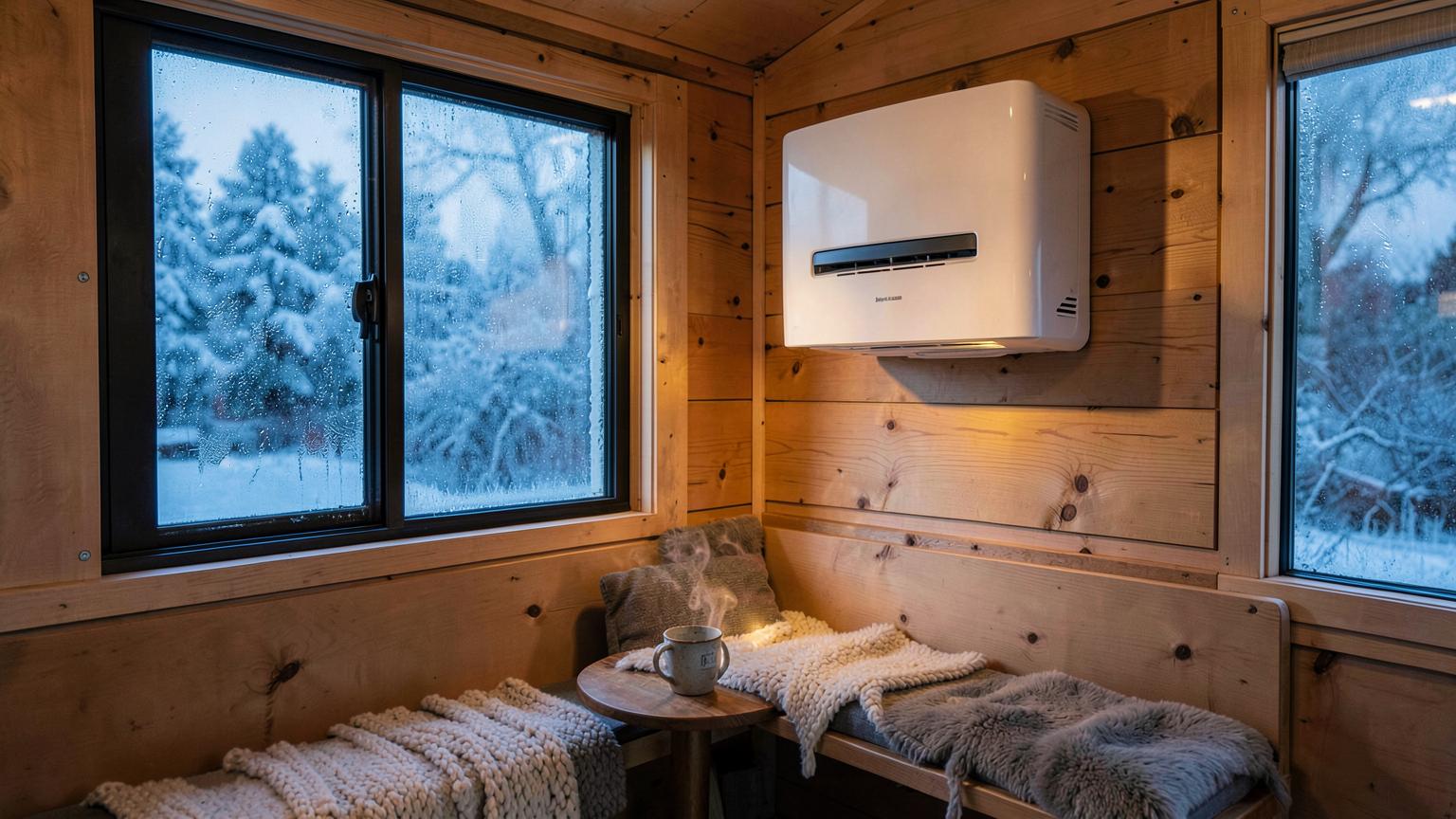
What owners actually paid to heat a small home this winter
We asked small-home owners across the country for their real winter power bills. The results show how far good insulation and a right-sized heat pump go.

Thinking about a tiny home?
Get our free guide to compare your options — before you spend thousands.
- Expert tips from industry insiders
- Real delivery timelines
- 5 warning signs of a bad prefab seller