What off-grid actually costs through a Southland winter
A year of data from a Wānaka cabin shows exactly where the money goes — and why a well-designed off-grid setup performs better than most people expect.
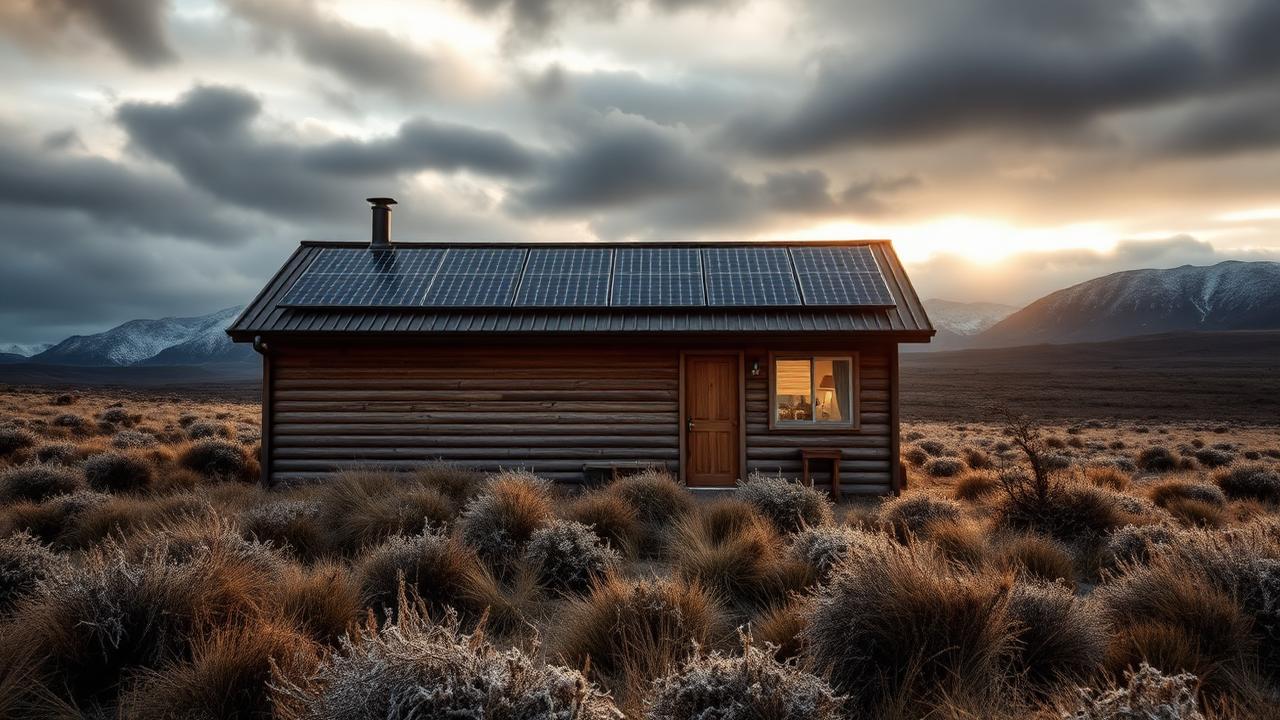
More Kiwis than ever are choosing off-grid as a real path to a warm, well-built home. Prices have settled, build quality across the sector keeps climbing, and buyers now have a genuine range of options to compare — from established local builders to a growing pool of specialist prefab suppliers.
Tiny Home Weekly follows the sector every week so you can make a confident, informed choice. This is the reporting we would have wanted when we started looking ourselves.
What we're seeing
The market is genuinely maturing. Insulation, joinery, and post-sale support have all lifted, and the best builders are setting a standard the rest of the industry is racing to meet. Buyers benefit at every level.
“Ask for the spec sheet in writing, ask for the timber grade, and ask who signs the producer statement. Any good builder will happily walk you through it.”
— Tiny Home Weekly
Five things worth confirming
- Insulation values (R-value) for wall, floor, and ceiling.
- Whether the frame meets New Zealand timber standards.
- Who holds the deposit and the milestone schedule.
- The producer statement and consent pathway for your site.
- The written delivery date and installation plan.
None of this is complicated. It is simply the basic paperwork any Kiwi buyer is entitled to — and the strong builders in the sector are more than happy to hand it over.
Where this is heading
Expect councils to keep clarifying the rules, expect strong builders to keep raising the bar, and expect prefab and tiny homes to keep taking their rightful place in New Zealand's housing mix.
Elise Park
Elise writes on off-grid systems, solar, and rural planning across the South Island. She's lived off-grid outside Wānaka since 2019.
Also worth reading
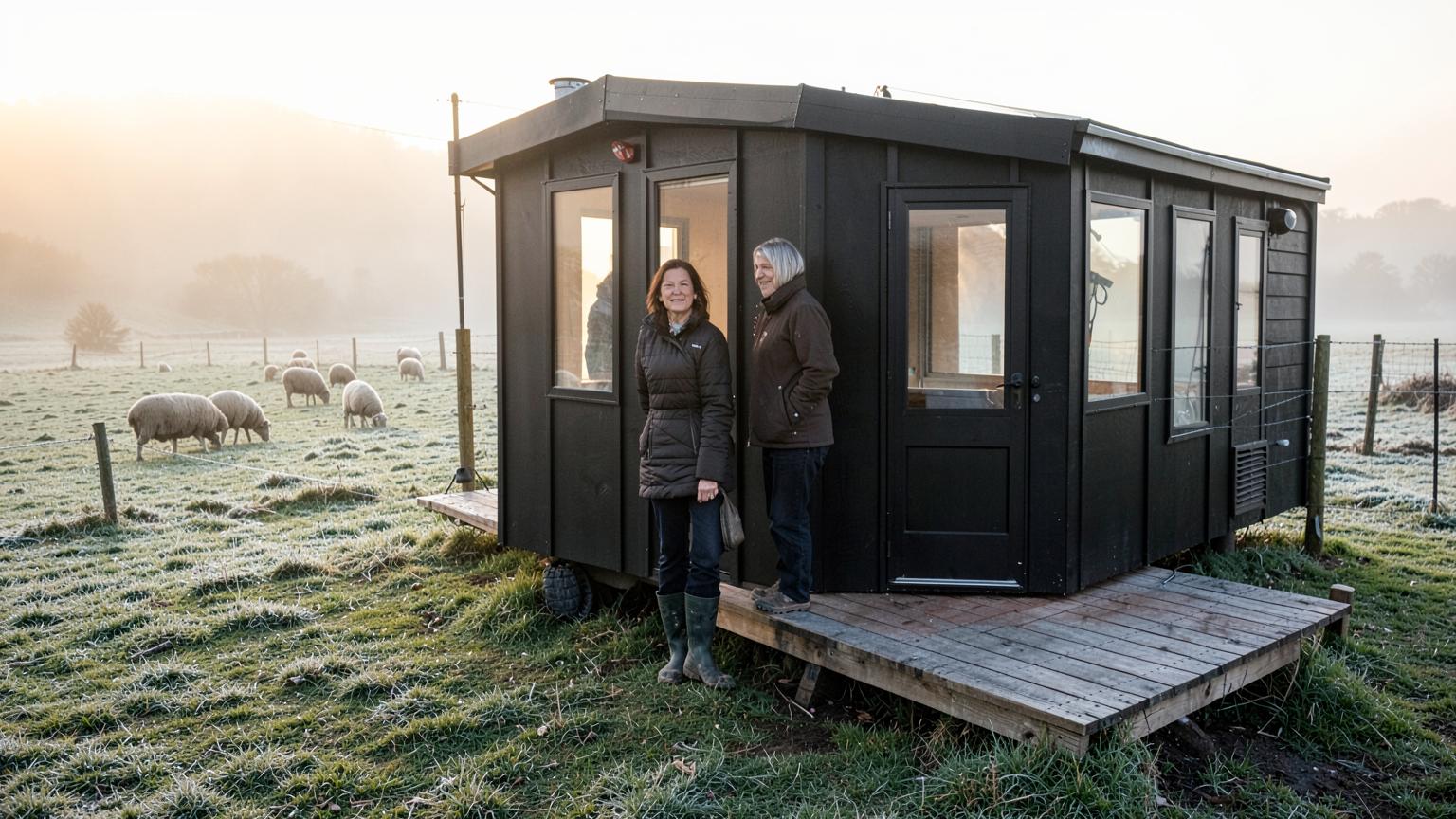
From a Shed to My Own Front Door: One Canterbury Woman's Story
She lost the house, the marriage and her security in a single text message. Six months later she owns her home outright — for $24,500.
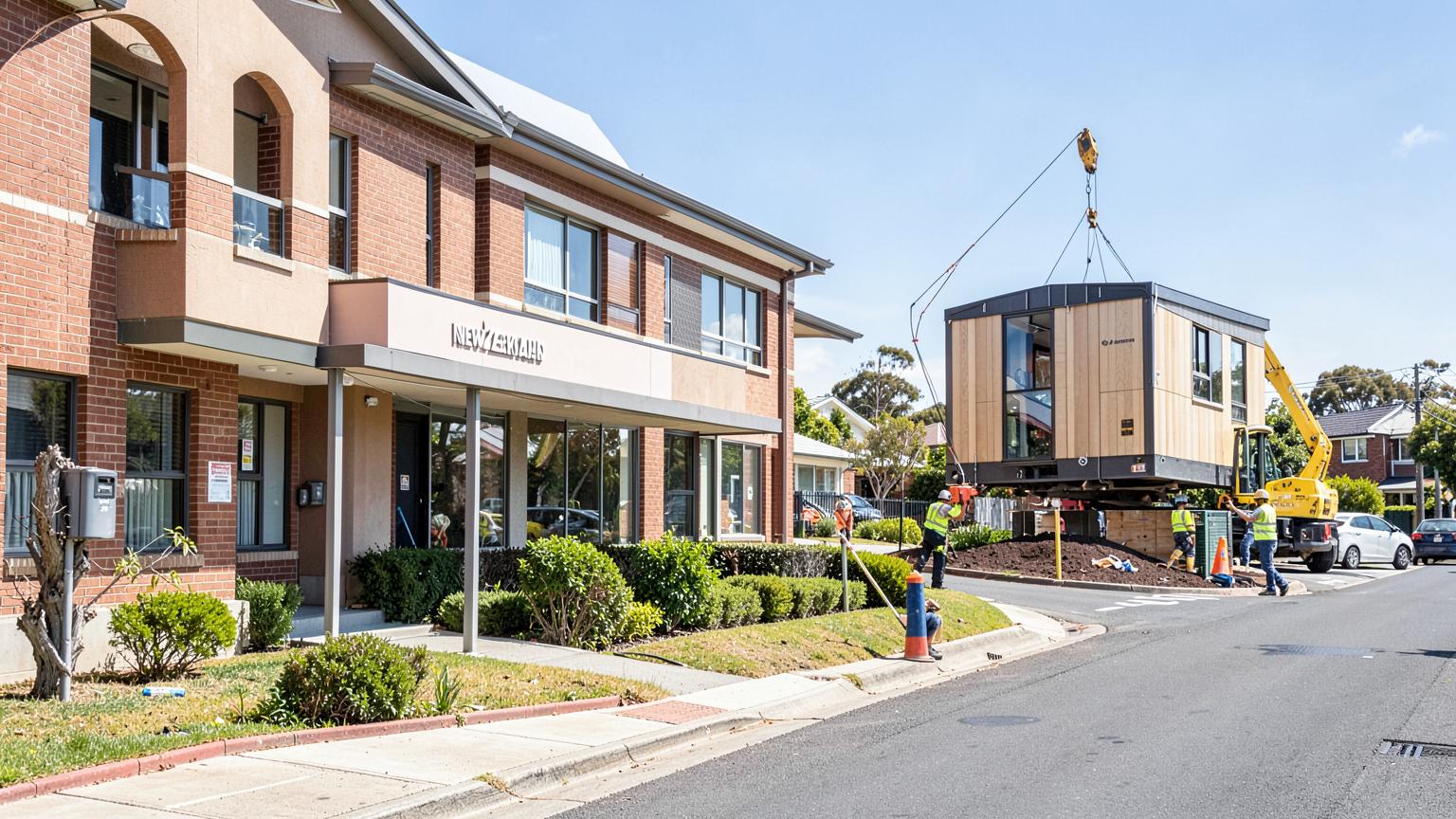
Spring 2026: small-home builds hit a record as the 70m² rule beds in
Nine months after the consent exemption took effect, councils are reporting their busiest spring on record for small stand-alone dwellings — and prefab suppliers are scaling up to meet demand.
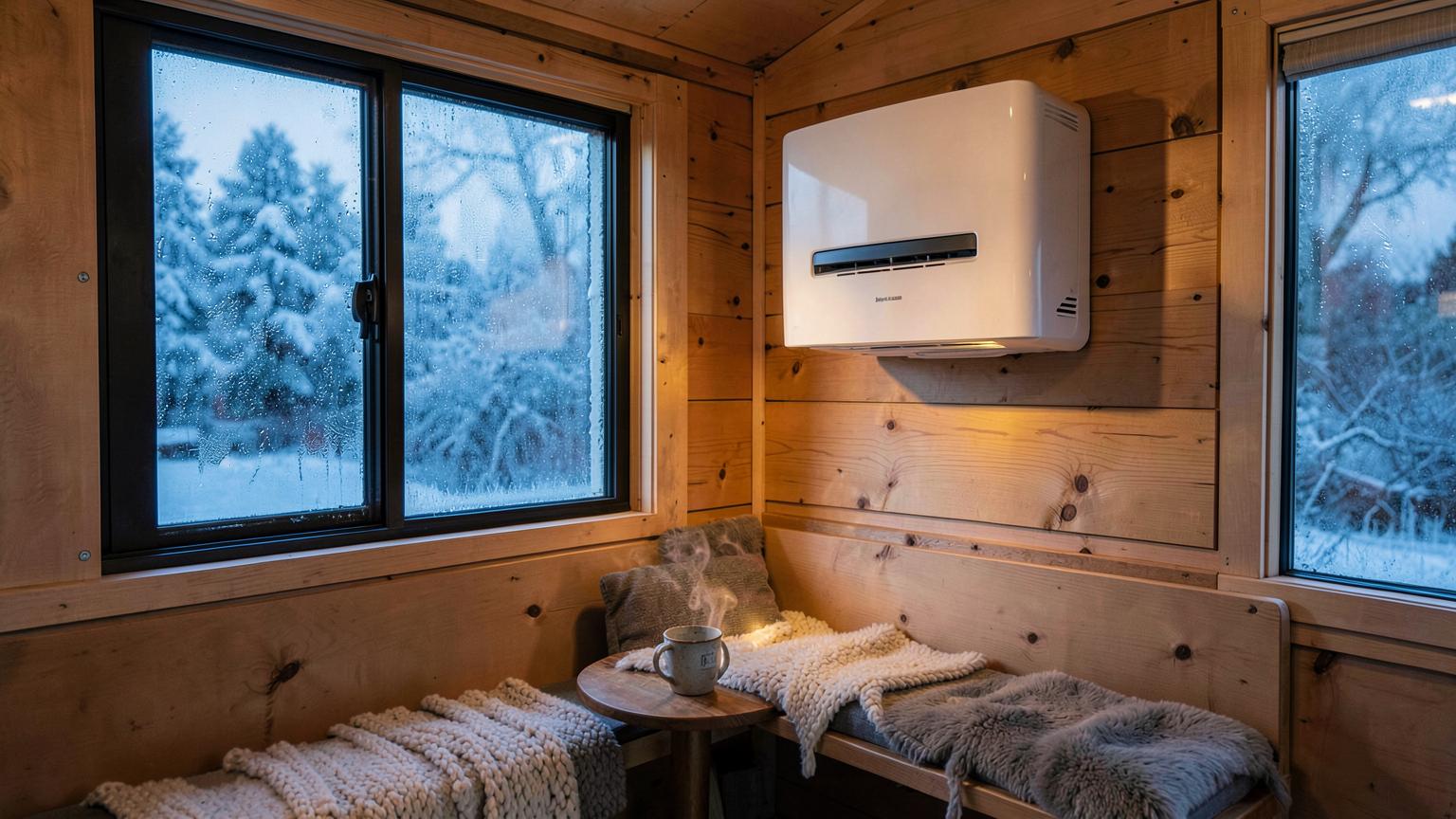
What owners actually paid to heat a small home this winter
We asked small-home owners across the country for their real winter power bills. The results show how far good insulation and a right-sized heat pump go.

Thinking about a tiny home?
Get our free guide to compare your options — before you spend thousands.
- Expert tips from industry insiders
- Real delivery timelines
- 5 warning signs of a bad prefab seller