The Best Commute in the Country: Small Buildings as Home Offices
Working from the kitchen table stopped being charming around 2021. A purpose-built studio at the end of the garden is the version that actually works — and it's the fastest-growing use of small buildings in New Zealand.
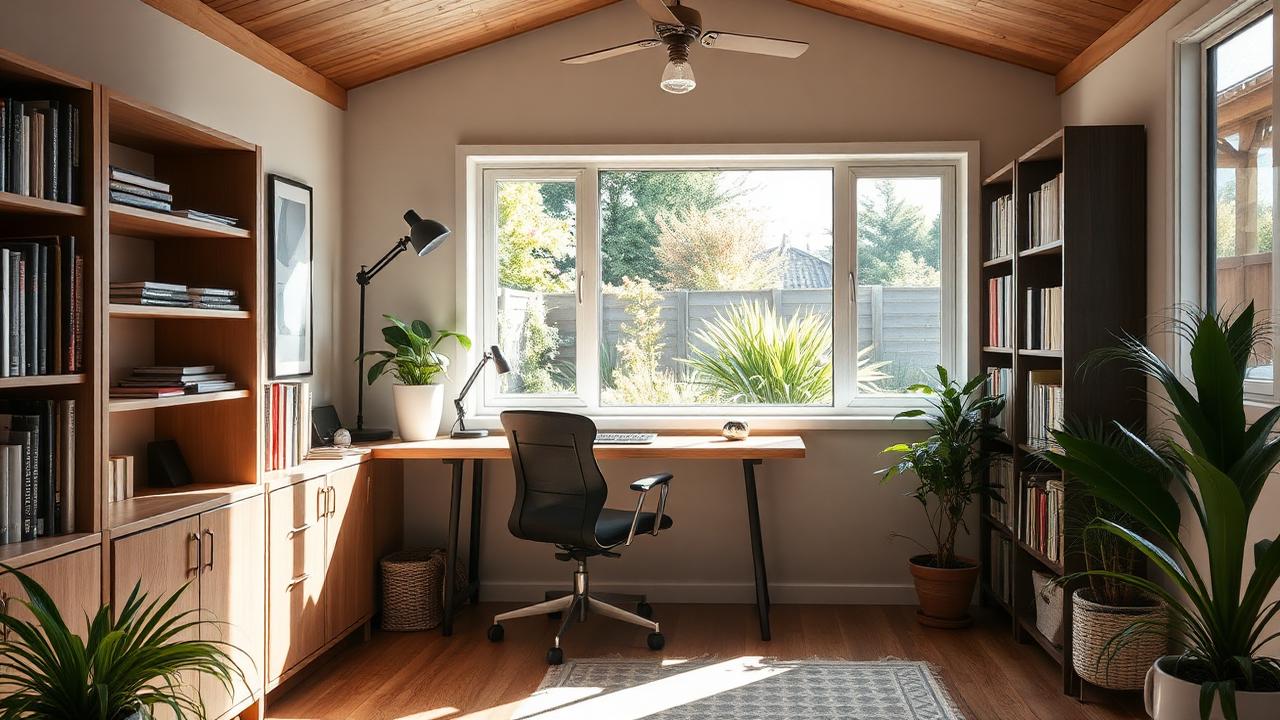
The remote-work shift produced a housing problem nobody had planned for: a lot of New Zealanders now need a place to work, and the spare room was already doing three other jobs.
Sharing the dining table with a work laptop wears thin fast. Converting a bedroom costs you the bedroom. So a growing number of households are putting a small building in the back garden instead — and discovering it solves more than the space problem.
Why separation is the point
The genuine benefit isn't the extra square metres, it's the boundary. Twenty steps across the lawn turns out to be a surprisingly effective psychological commute. You arrive, you work, you leave, and the work stays there.
For anyone who has struggled to stop working because the laptop is right there on the bench, that separation is the whole product. It also works in reverse: a door that closes is what makes a video call possible in a house with children in it.
Twenty steps across the lawn is a short commute and a real one. The boundary is what people are actually buying.
The specification that separates good from regrettable
A garden office gets used all day, every working day, which is a harder brief than a spare room and a much harder brief than a garden shed. The buildings that disappoint are the ones specified as storage and used as workplaces.
Insulation and glazing. You'll be sitting still for eight hours. An uninsulated shed is unbearable in July and unusable in February. This is the single most important line item.
Power that's adequate and legal. Multiple properly installed outlets, done by an electrician — not an extension lead run out the laundry window. Think about where the desk, monitor and heater actually go.
Connectivity. Wi-Fi from the house often doesn't reach usefully through two walls and a garden. Plan for a mesh node or a hardwired connection rather than discovering the problem on your first Monday.
Light and ventilation. North-facing glazing is lovely and will put the sun directly on your screen; think about orientation and shading together. An opening window matters more than you'd guess in a small sealed room with one person and a computer in it.
Acoustics. Hard surfaces in a small room make calls sound terrible. A rug, some soft furnishing and lined walls fix it cheaply.
The dual-purpose bonus
The reason this category has grown beyond office use is flexibility. The same building serves as a studio, a music room, a teenage retreat, a guest room or a gym, and specifying it slightly better than a pure office costs little. A number of buyers add plumbing provision at build time even if they don't fit a bathroom immediately, on the reasonable theory that a small building's next life may need it.
Of all the ways New Zealanders are using small buildings, this is the least dramatic and possibly the most useful. It doesn't solve the housing crisis. It just makes a lot of ordinary working days considerably better.

Hana Mitchell
Hana has covered housing and small-space design in Aotearoa for over a decade. She founded Tiny Home Weekly to bring proper journalism to a sector Kiwis are increasingly excited about.
Also worth reading
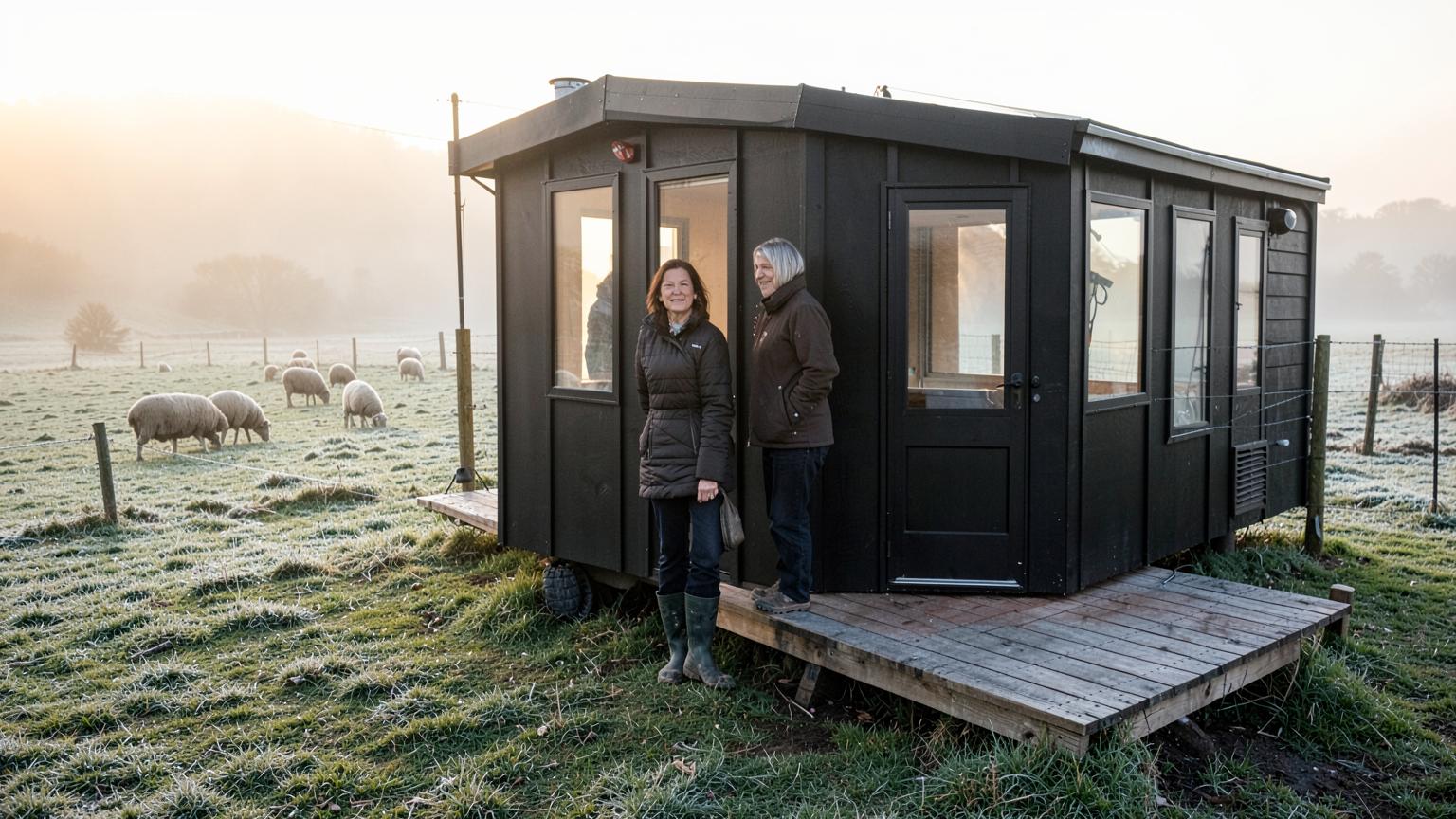
From a Shed to My Own Front Door: One Canterbury Woman's Story
She lost the house, the marriage and her security in a single text message. Six months later she owns her home outright — for $24,500.
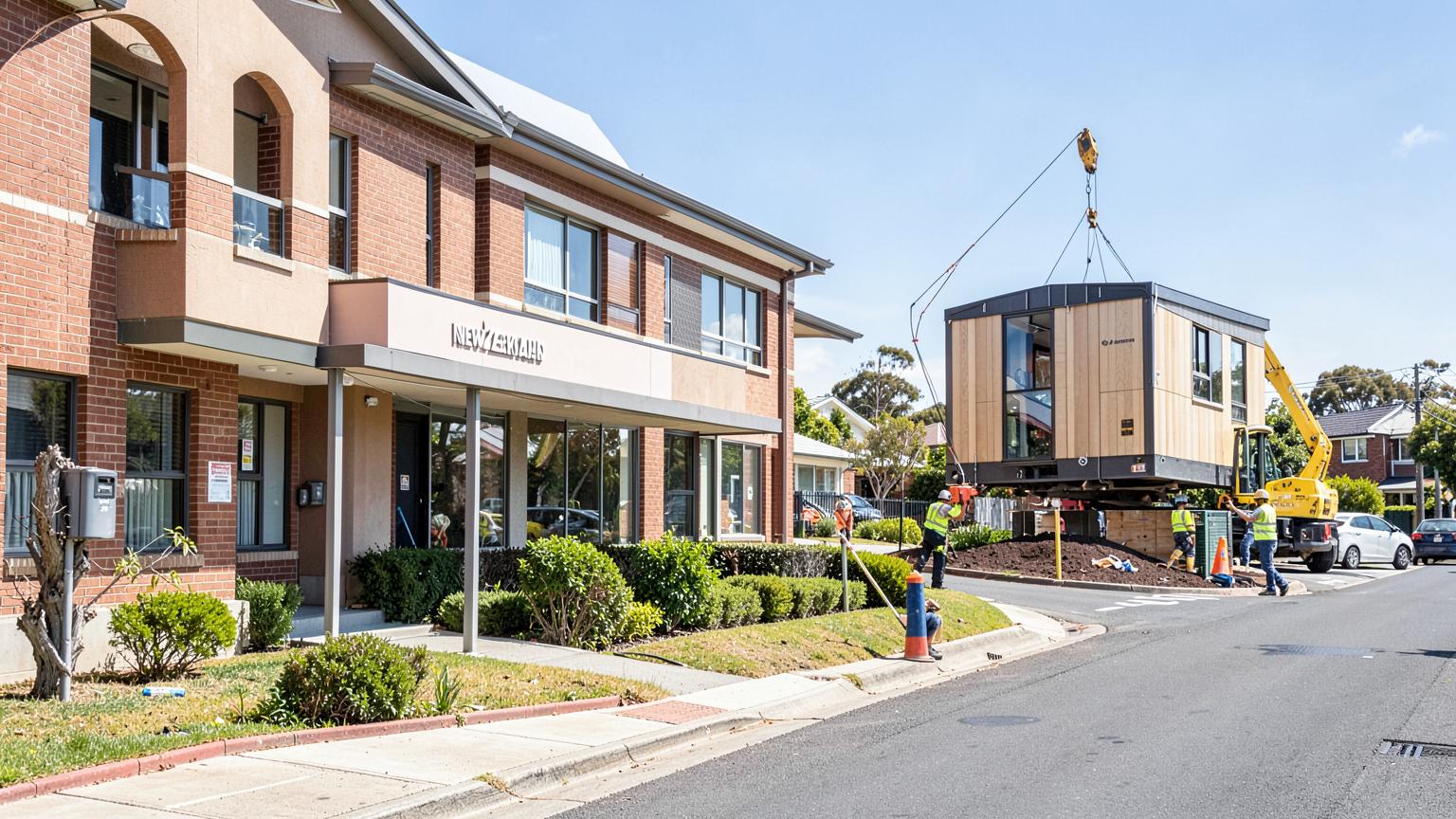
Spring 2026: small-home builds hit a record as the 70m² rule beds in
Nine months after the consent exemption took effect, councils are reporting their busiest spring on record for small stand-alone dwellings — and prefab suppliers are scaling up to meet demand.
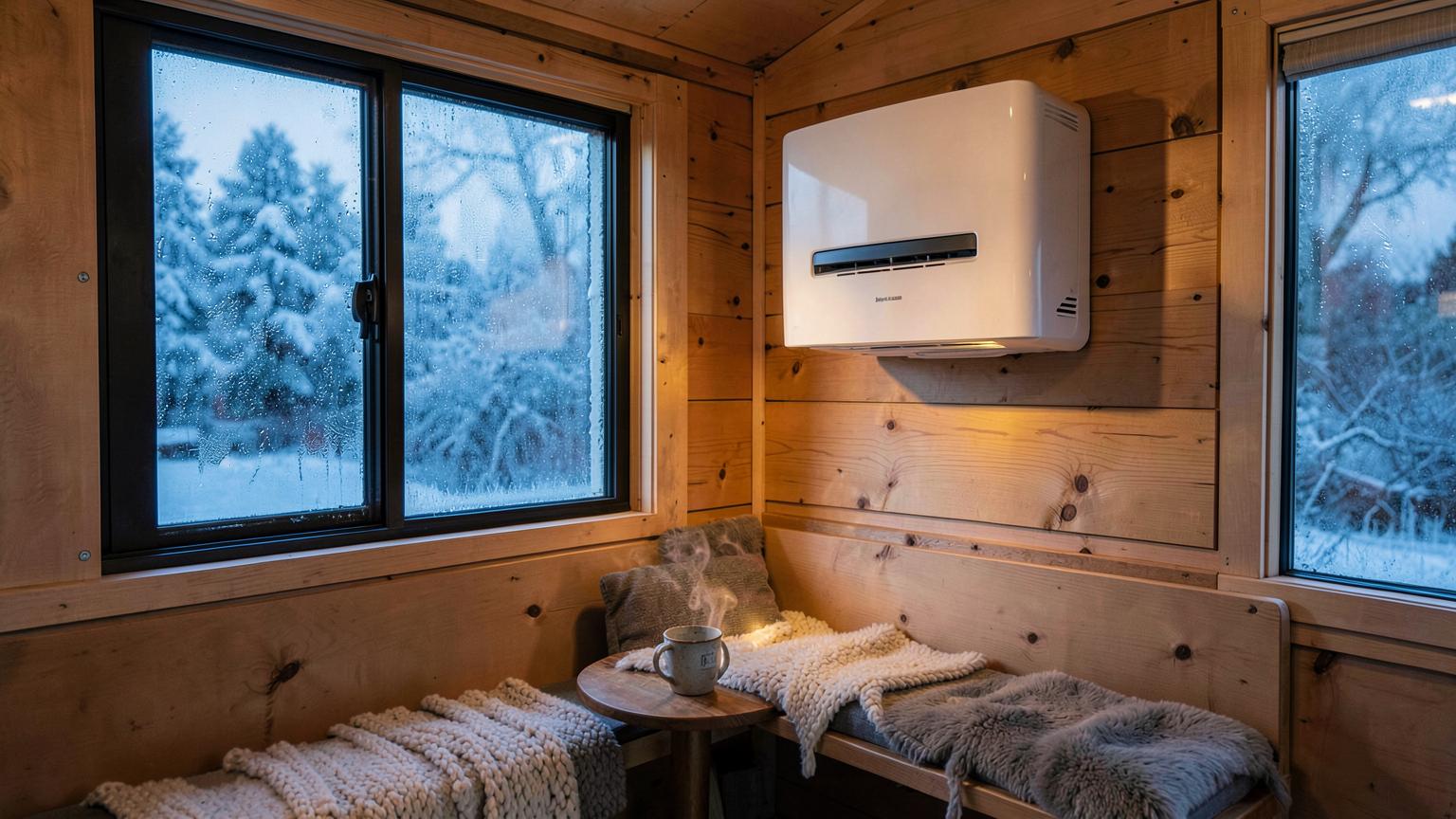
What owners actually paid to heat a small home this winter
We asked small-home owners across the country for their real winter power bills. The results show how far good insulation and a right-sized heat pump go.

Thinking about a tiny home?
Get our free guide to compare your options — before you spend thousands.
- Expert tips from industry insiders
- Real delivery timelines
- 5 warning signs of a bad prefab seller