Housing the People Who Do the Work: Small Homes on Farms
Getting good staff onto a farm has become a housing problem as much as a wages problem. A growing number of farm owners are solving it with transportable homes.
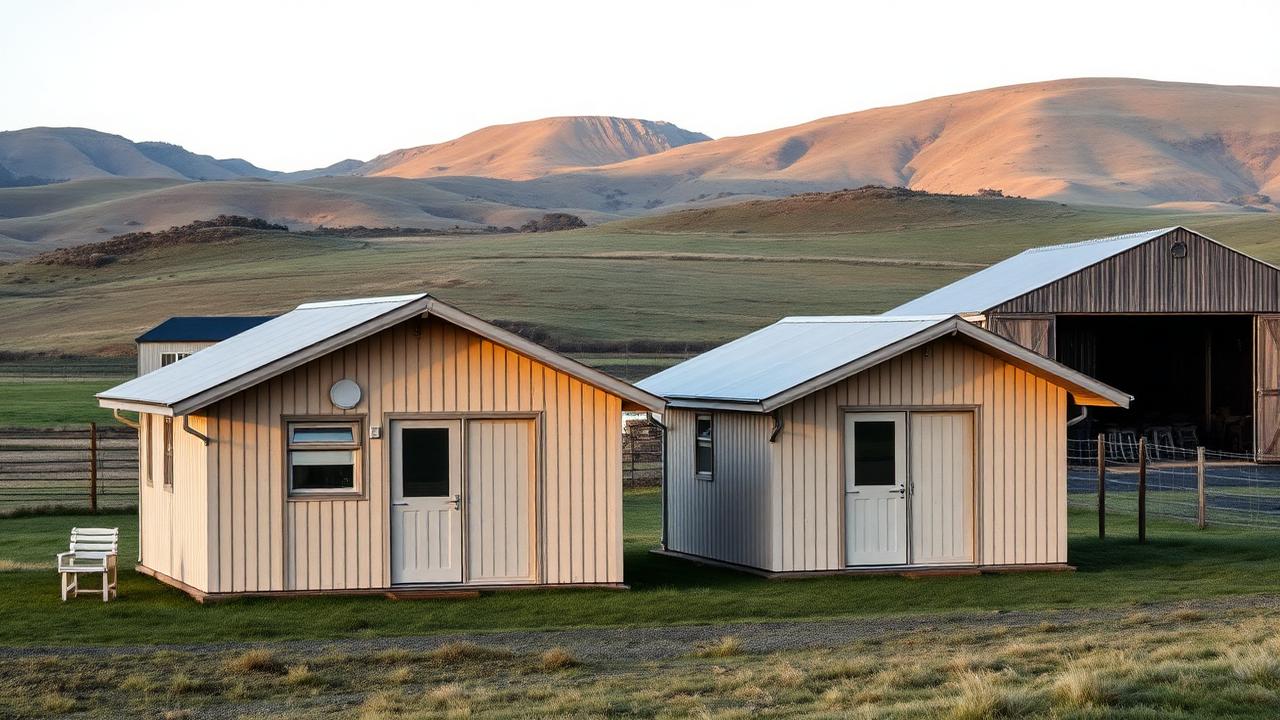
Wages are part of why farm roles are hard to fill. Housing is a bigger part.
Farm work is where the job and the address are bound together — staff generally need to live on or near the property, and the accommodation available is often a cottage built decades ago that has aged the way uninsulated rural housing does. For a workforce that increasingly includes people with partners, children and options, a cold house is a reason to work somewhere else.
Why transportable homes suit the problem
Compact transportable homes have become a common answer, and the fit is genuinely good.
They arrive complete and can be sited relatively quickly, which matters when the recruitment need is now rather than next season. They can be placed where the work is — near the shed, or at the far end of a property that's a long way from anywhere. And they're moveable, so a home can be relocated as staffing patterns change, or taken with the owner if the farm sells.
The specification is a step change from what it replaces. A new insulated, double-glazed, properly heated small home is a fundamentally different place to live than a 1950s farm cottage, and staff notice.
Accommodation has quietly become a recruitment tool. The farms offering a warm, modern place to live are the ones getting a choice of applicants.
The economics
For farm owners, the calculation weighs the cost of a new unit against the cost of renovating existing accommodation — and against the cost of not filling a position. Retrofitting an old cottage to a comparable standard is often not cheaper, and can uncover expensive surprises in the process.
There's also a diversification angle: accommodation that suits a farm worker also suits seasonal staff, shearers, a shepherd's family, or short-stay guests in the off-season, which spreads the value of the asset.
What matters in the spec
Farm accommodation has a particular brief, and the units that work well reflect it.
Warmth and dryness come first — staff who are cold don't stay. Durability matters more than in a suburban setting: mud, boots, dogs and hard use are the operating conditions, so hard-wearing floors, a decent entry area and somewhere to deal with wet gear earn their keep. Where staff work early shifts, a bedroom positioned away from the road or the shed matters. And for anyone housing a family, the difference between one bedroom and two decides whether the person stays a season or five years.
Off-grid capability is worth considering for units going to remote parts of a property where running services is expensive.
The wider picture
Rural workforce shortages have been a persistent story in New Zealand agriculture, and housing is one of the few levers a farm owner directly controls. The farms treating accommodation as part of the employment offer rather than an afterthought are reporting that it works — which is, in its own way, a decent argument for the whole category.

Hana Mitchell
Hana has covered housing and small-space design in Aotearoa for over a decade. She founded Tiny Home Weekly to bring proper journalism to a sector Kiwis are increasingly excited about.
Also worth reading
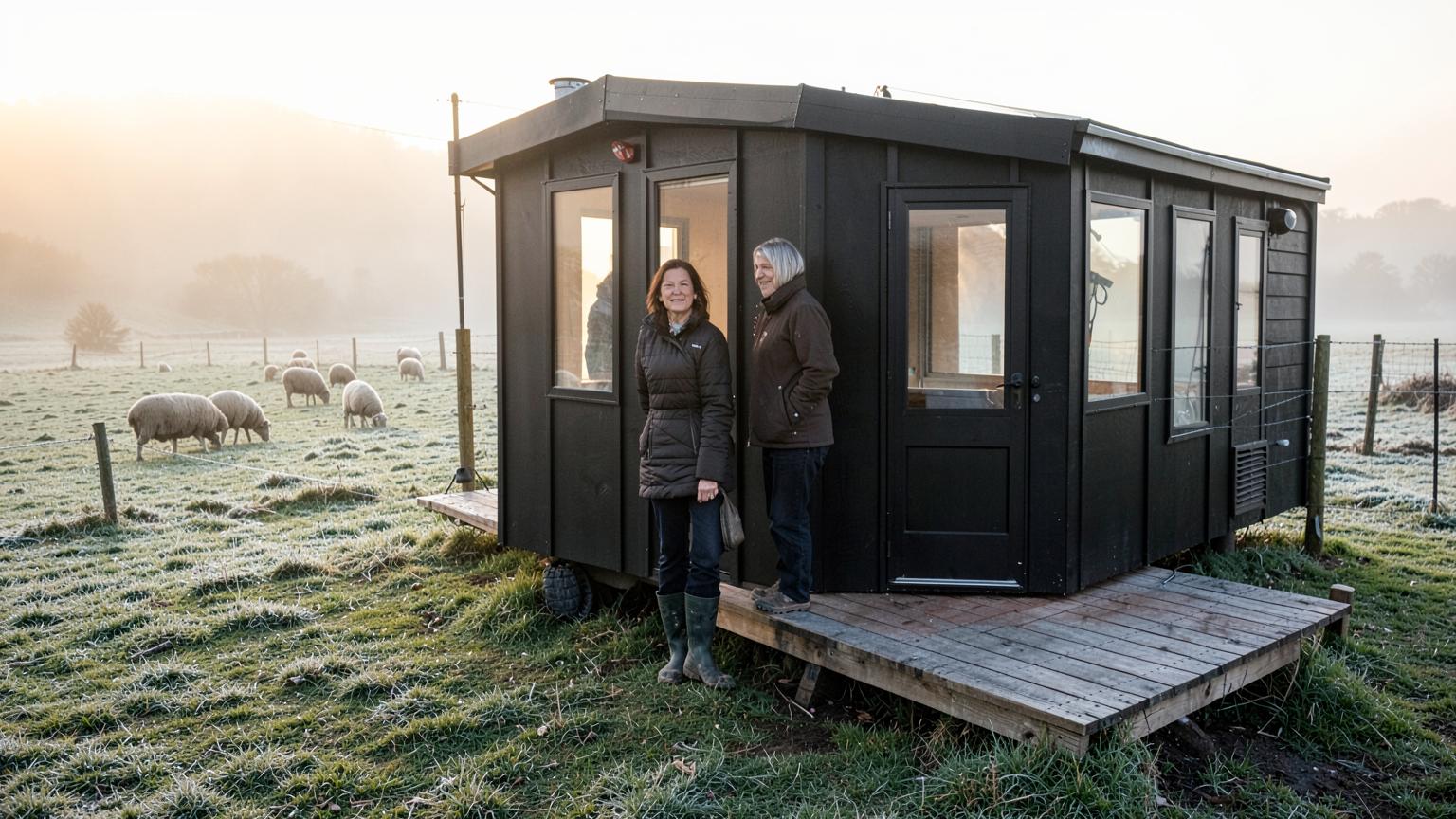
From a Shed to My Own Front Door: One Canterbury Woman's Story
She lost the house, the marriage and her security in a single text message. Six months later she owns her home outright — for $24,500.
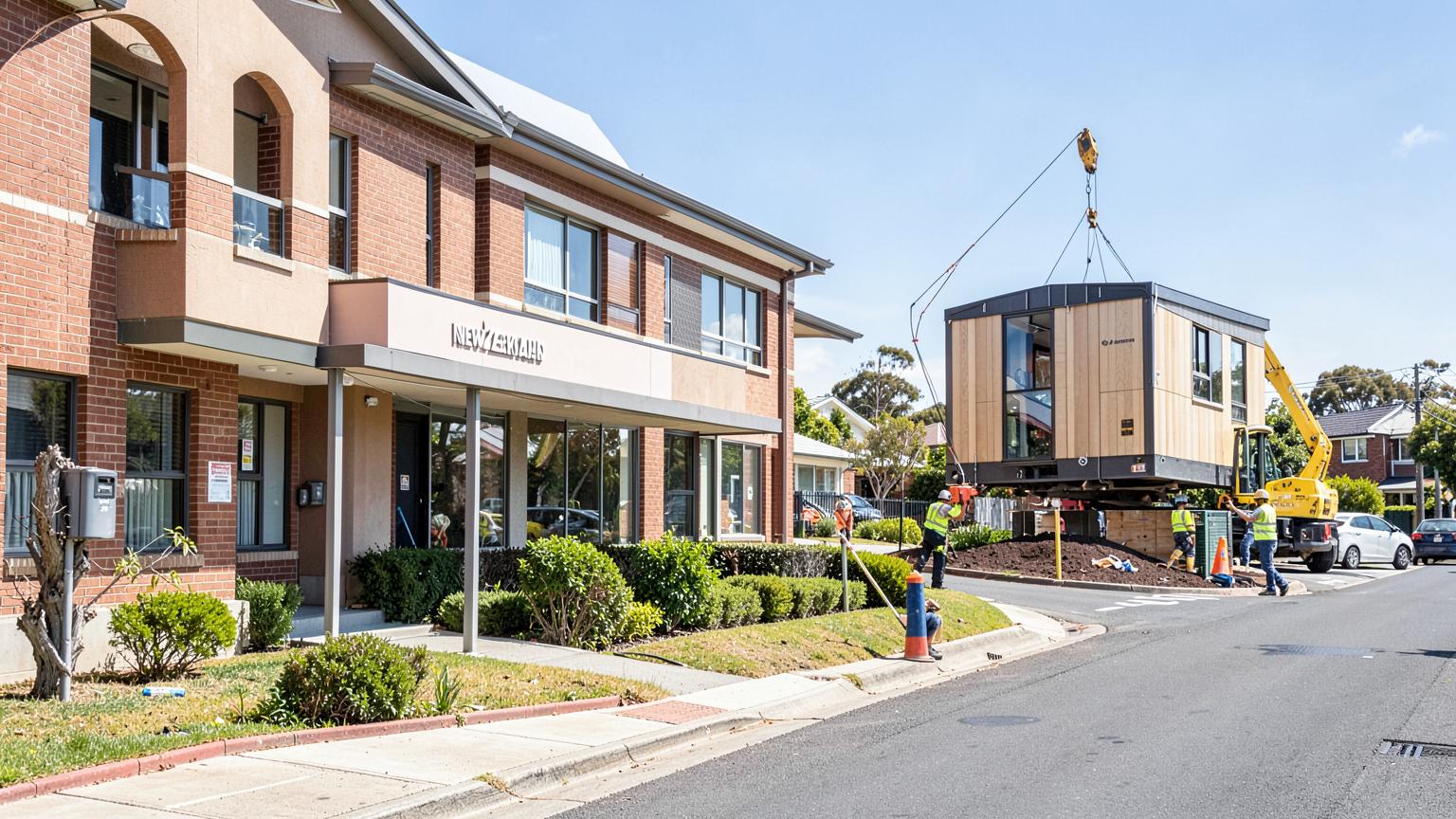
Spring 2026: small-home builds hit a record as the 70m² rule beds in
Nine months after the consent exemption took effect, councils are reporting their busiest spring on record for small stand-alone dwellings — and prefab suppliers are scaling up to meet demand.
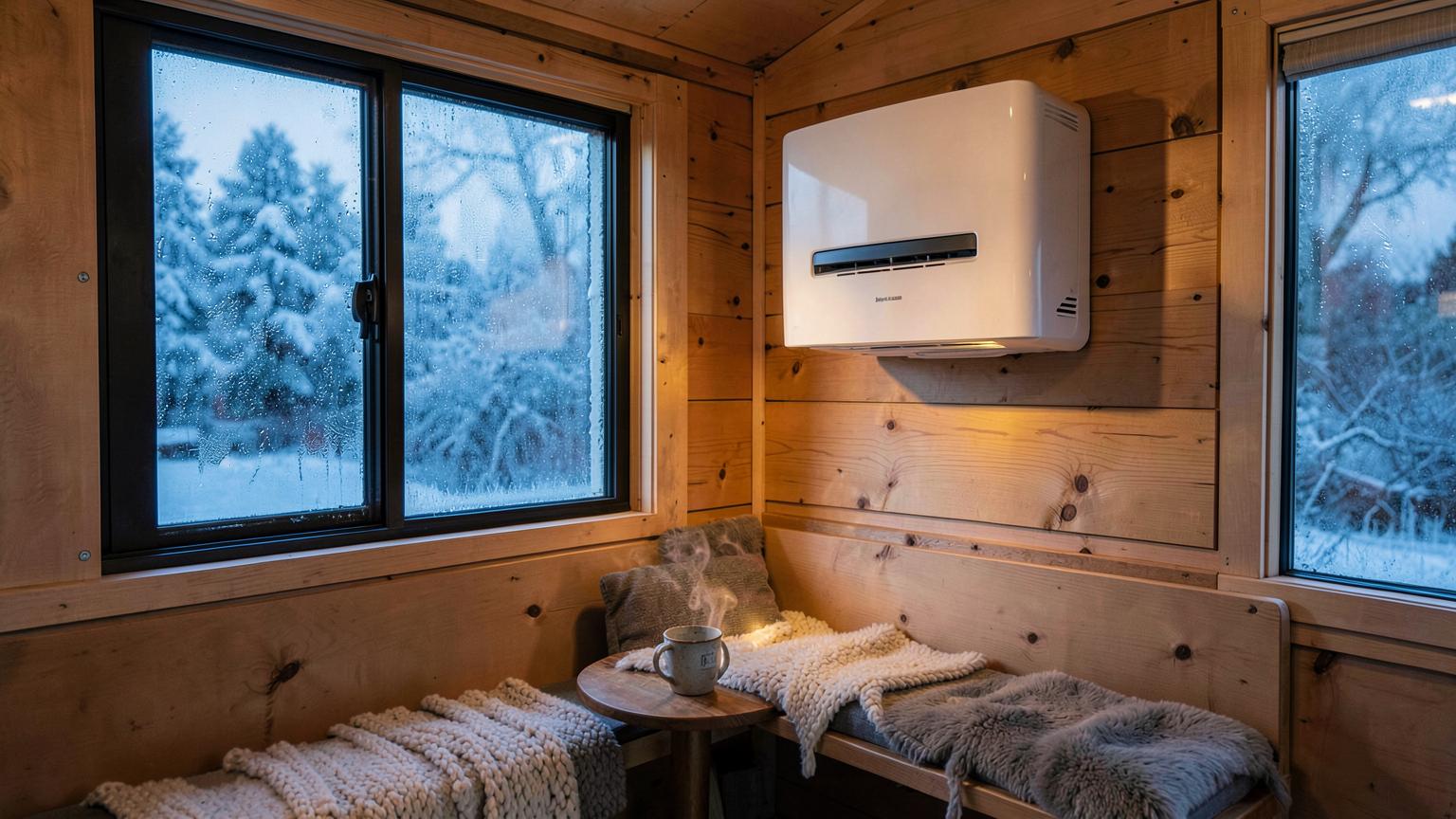
What owners actually paid to heat a small home this winter
We asked small-home owners across the country for their real winter power bills. The results show how far good insulation and a right-sized heat pump go.

Thinking about a tiny home?
Get our free guide to compare your options — before you spend thousands.
- Expert tips from industry insiders
- Real delivery timelines
- 5 warning signs of a bad prefab seller