A real foot on the ladder: are tiny homes first-home buyers' best shot in 2026?
With the median well out of reach for many, a compact home offers a genuine way in — but only if you go in with your eyes open. Here's the honest case, and the catches.
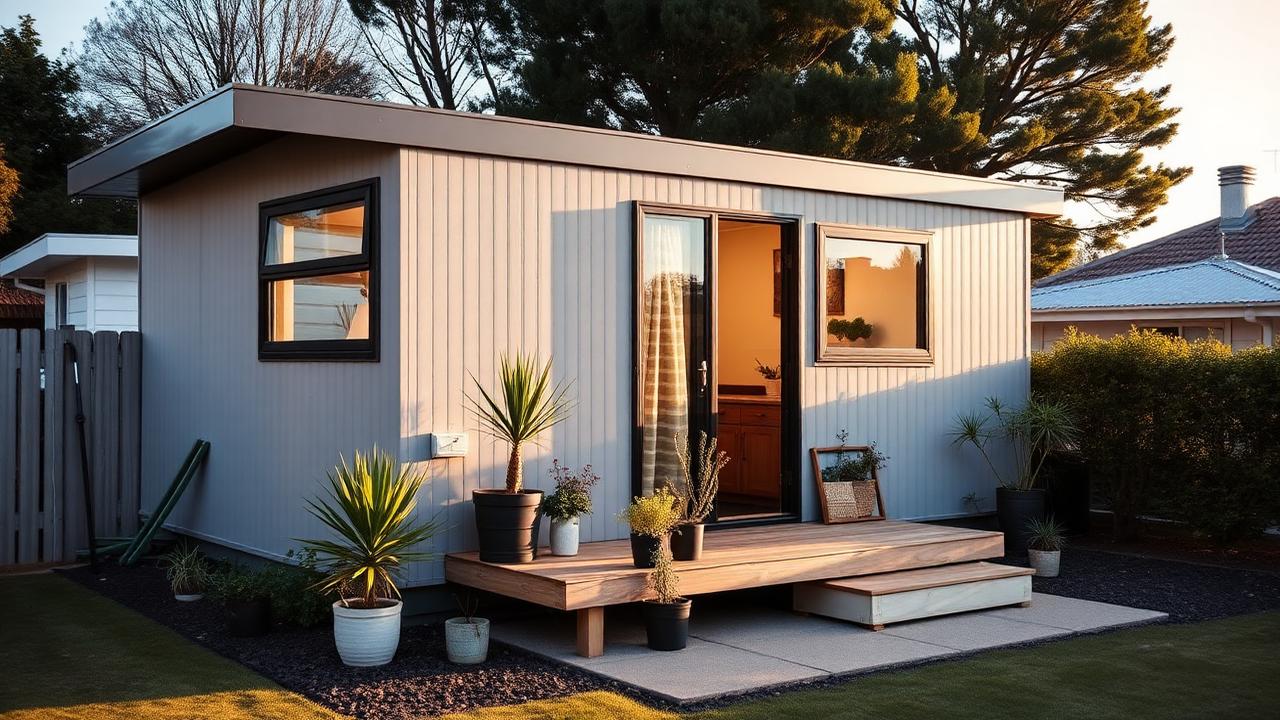
For a generation locked out of the traditional market, the maths of a first home has stopped adding up. Against that backdrop, the tiny home has gone from curiosity to credible strategy — and in 2026, with consent barriers falling, the case is stronger than it has ever been. But this is a decision to make with clear eyes, so here is both the promise and the fine print.
The affordability case
The headline is cost. Tiny and transportable homes in New Zealand typically land somewhere between roughly NZ$55,000 and NZ$250,000, depending on size, spec, and whether you go DIY or turnkey — a different universe from a standard build or an established house. For many buyers, that is the gap between "someday" and "this year".
The appeal isn't only the sticker price. A smaller footprint means lower running costs, less to maintain, and far less pressure to overborrow. For people who have watched half their income disappear into rent, owning something modest and paid-down can be its own kind of freedom.
The 2026 consent changes strengthen the case again: if you have access to land — your own, or family land — a compact home up to 70m² can now go up without a building consent, cutting both cost and the months of waiting that used to blow out budgets.
The catch nobody should skip
Here is the part the glossy brochures gloss over. Financing a tiny home is not the same as getting a mortgage. Banks will generally lend against a home only where it is secured on land or an existing property; a home on wheels with no land attached is a much harder sell, and lenders are cautious. Specialist lenders focused on tiny homes exist and can help, but terms and rates differ from a standard home loan, and some loan periods are short.
There is also the question of what your money buys long-term. A home fixed to land can appreciate with the land beneath it. A transportable unit on someone else's property is a different asset — potentially more like a vehicle than a house when it comes to holding value. Neither is wrong; they are just different bets, and you should know which one you are making.
“Cheaper to buy is not the same as easier to finance. Know the difference before you sign.”
— Tiny Home Weekly
How to go in smart
The buyers who do well tend to share a few habits: they sort the land question before the home; they get finance pre-approved rather than assuming it; they budget for the invisible costs — groundworks, water tanks, wastewater, power connection or solar; and they choose a builder with a track record, given several companies in the sector have folded in recent years. Doing that due diligence is exactly the kind of thing this publication exists to help with.
A tiny home won't suit everyone, and it isn't a magic key to the property market. But for the right buyer, in 2026, it is a genuine foot on the ladder — and for a lot of people, the only one within reach.

Hana Mitchell
Hana has covered housing and small-space design in Aotearoa for over a decade. She founded Tiny Home Weekly to bring proper journalism to a sector Kiwis are increasingly excited about.
Also worth reading
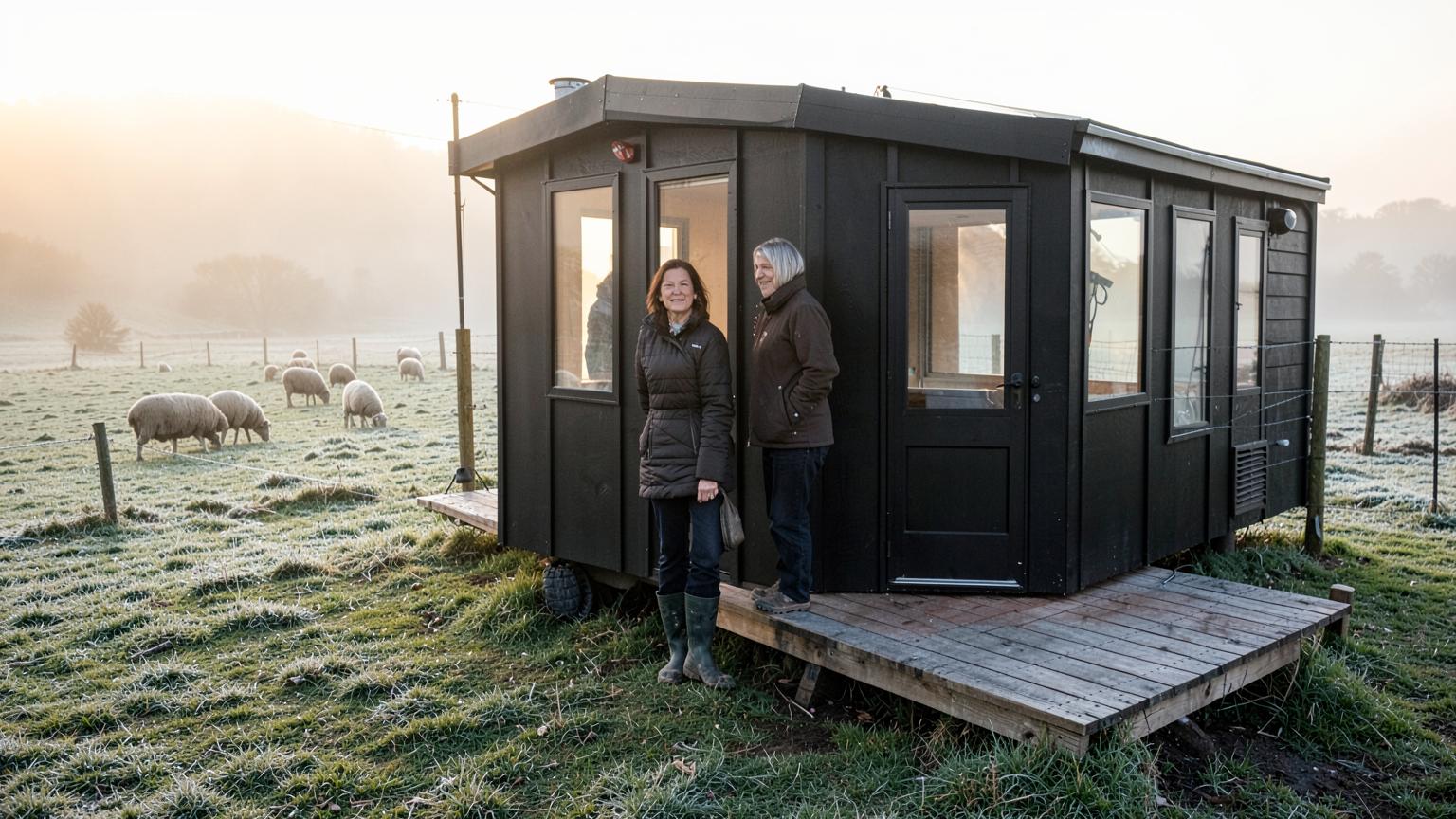
From a Shed to My Own Front Door: One Canterbury Woman's Story
She lost the house, the marriage and her security in a single text message. Six months later she owns her home outright — for $24,500.
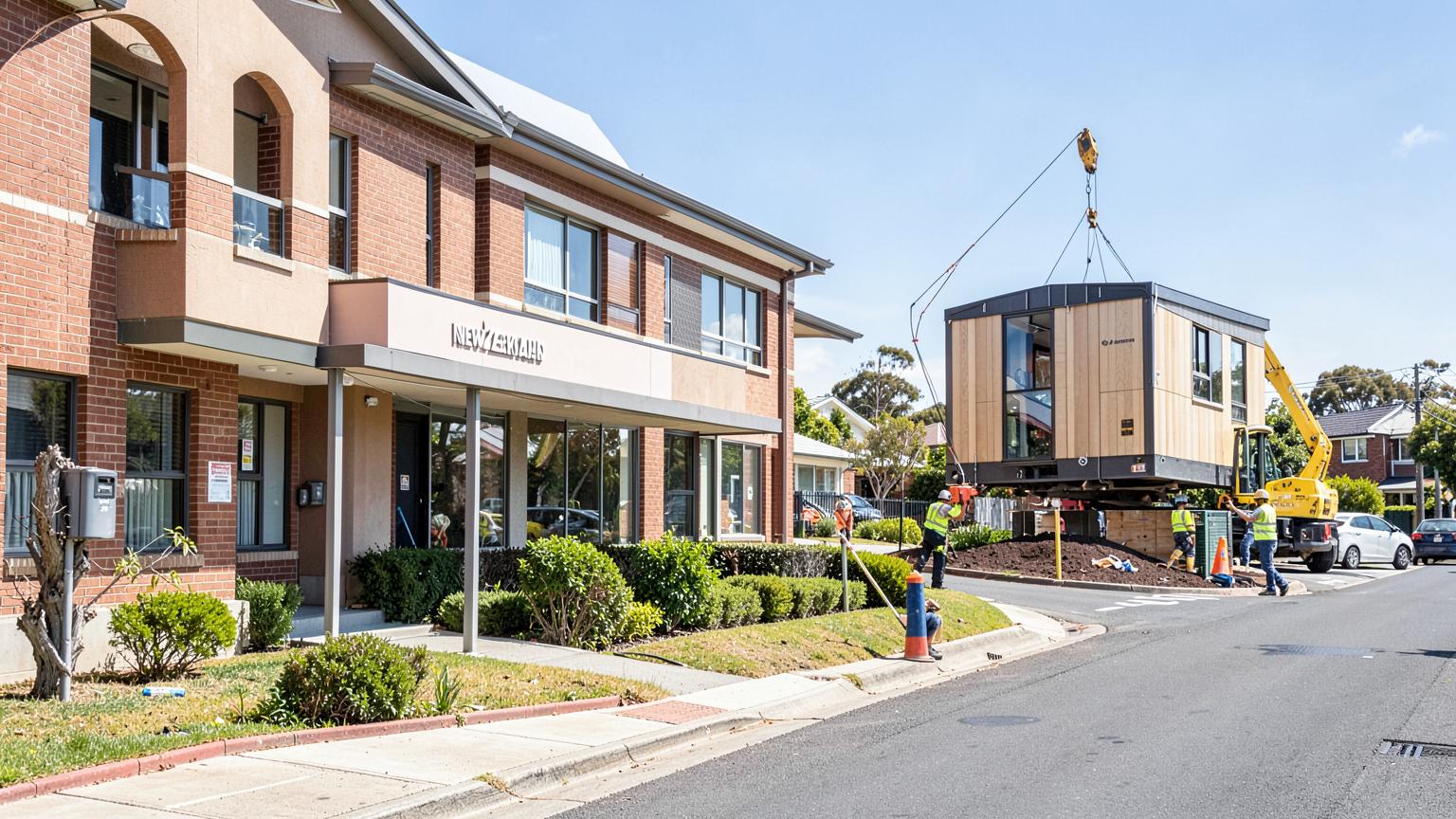
Spring 2026: small-home builds hit a record as the 70m² rule beds in
Nine months after the consent exemption took effect, councils are reporting their busiest spring on record for small stand-alone dwellings — and prefab suppliers are scaling up to meet demand.
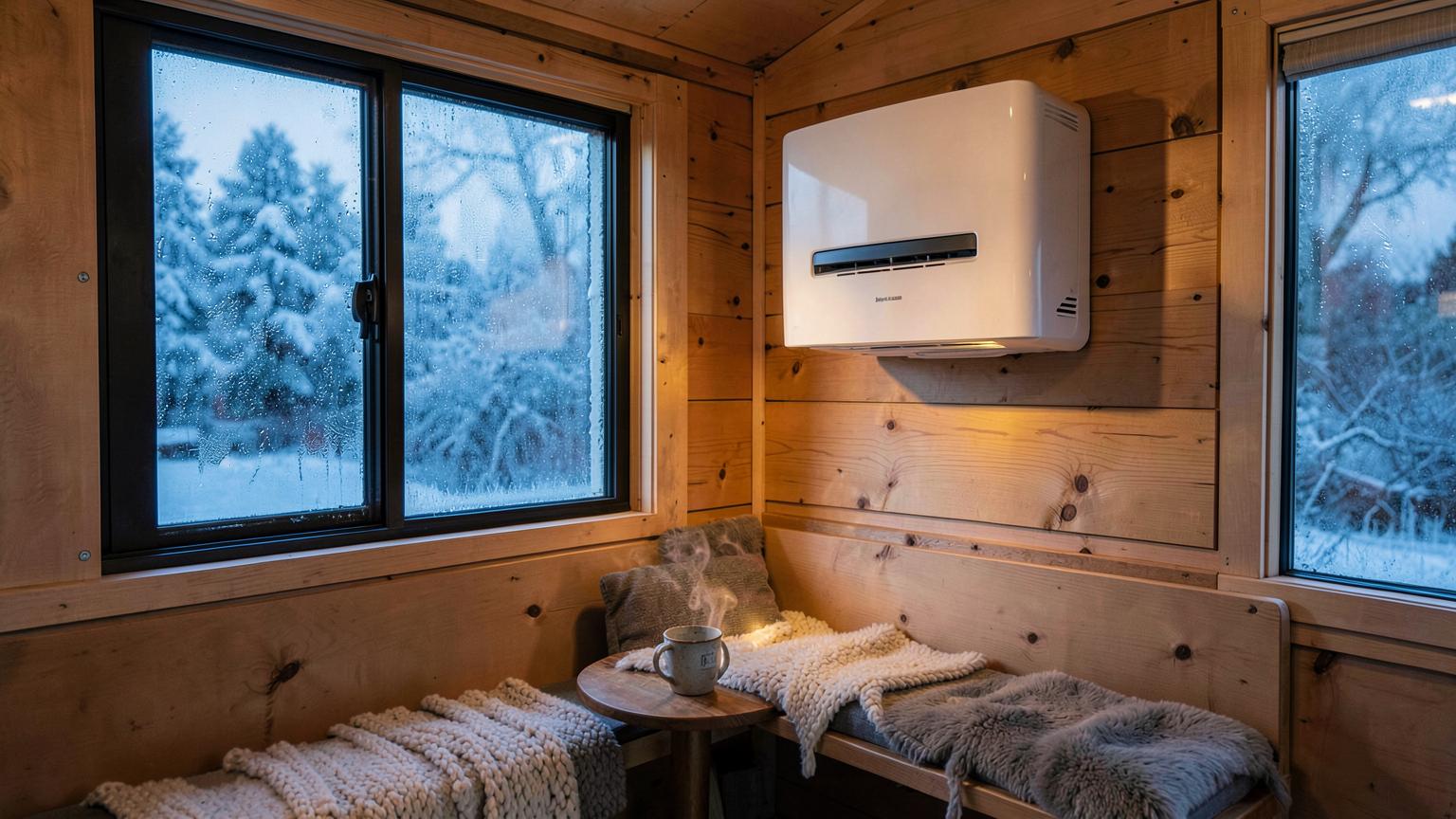
What owners actually paid to heat a small home this winter
We asked small-home owners across the country for their real winter power bills. The results show how far good insulation and a right-sized heat pump go.

Thinking about a tiny home?
Get our free guide to compare your options — before you spend thousands.
- Expert tips from industry insiders
- Real delivery timelines
- 5 warning signs of a bad prefab seller