Imported or Built Here? What You're Actually Comparing
Imported cabins can cost a fraction of a locally built home. The gap is real, and so are the reasons for it — most of which only become visible after delivery.
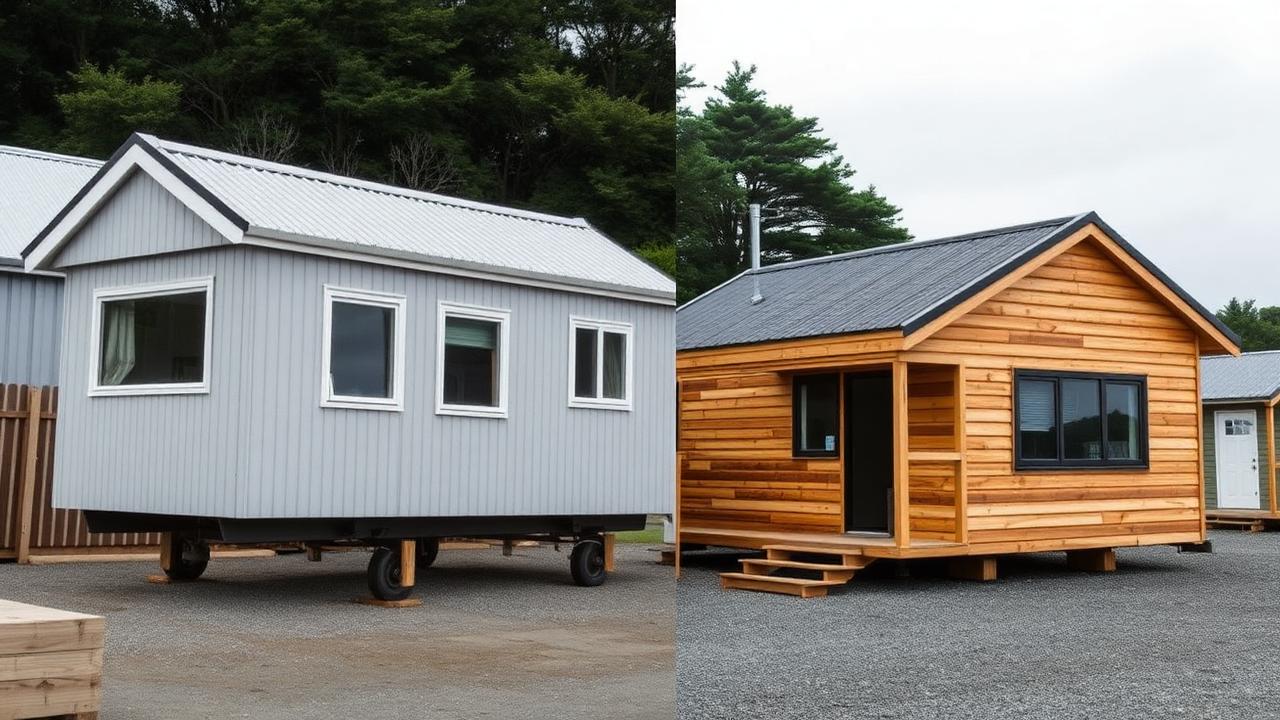
The price difference between an imported cabin and a New Zealand-built small home is large enough that it dominates the decision for a lot of buyers. It should be examined rather than simply accepted, because the two products are solving slightly different problems.
Some imported units are perfectly decent. Some are not. The variable that matters isn't the country of origin — it's whether the home was designed for the conditions it's about to spend thirty years in.
The specification questions that actually matter
New Zealand's climate is harder on buildings than its mild reputation suggests: high humidity, driving rain, strong UV, and in coastal areas salt-laden wind. A home built to a specification suited to a drier or colder climate can behave badly here.
The questions worth asking of any home, imported or local, are the same — but they matter more when you can't visit the factory.
Insulation and glazing
What are the actual values in floor, walls and ceiling, and is the glazing double? A unit specified for a mild climate may be lightly insulated, which shows up immediately in a Southland winter.
Moisture management
How does the wall assembly handle moisture, and is there a drained cavity behind the cladding? This is the detail that separates a home that lasts from one that quietly rots.
Framing and treatment
What is the frame made of, how is it protected, and how does it handle condensation where it meets the exterior?
Cladding and roofing
What's the expected service life in a coastal or high-UV setting?
The after-sales question
This is where the price gap does most of its explaining, and it's the part buyers underestimate.
When something goes wrong with a locally built home, there's a company down the road with a workshop and a reputation in a small market. When something goes wrong with a unit shipped from overseas, the practical questions are harder: who fixes it, who pays, how long does a part take to arrive, and is the warranty enforceable in any useful sense from here?
Parts availability is the recurring practical problem. Non-standard window sizes, proprietary fittings and unfamiliar plumbing components are cheap on the invoice and expensive in year four when one fails.
The purchase price is visible. The support, the parts and the moisture detailing are the parts you pay for later.
Shipping, and what arrives
A home that travels by sea has been through a lot before you see it. Transit damage happens, and resolving it across an international supply chain is slower and more complicated than resolving it with a local builder. Lead times can be long and are exposed to shipping disruption in a way a domestic build isn't.
Inspect thoroughly on arrival, before signing anything, and photograph everything. The moment of delivery is when your position is strongest.
The honest summary
For a buyer who wants a basic, functional unit at the lowest possible cost — a sleepout, a studio, a room for a teenager — a well-chosen import can be genuinely good value.
For a home someone will live in year-round through a New Zealand winter, the specification questions above stop being technicalities. Ask them of every supplier, get the answers in writing, and compare like with like. A local builder quoting more may be quoting for a different building.

Hana Mitchell
Hana has covered housing and small-space design in Aotearoa for over a decade. She founded Tiny Home Weekly to bring proper journalism to a sector Kiwis are increasingly excited about.
Also worth reading
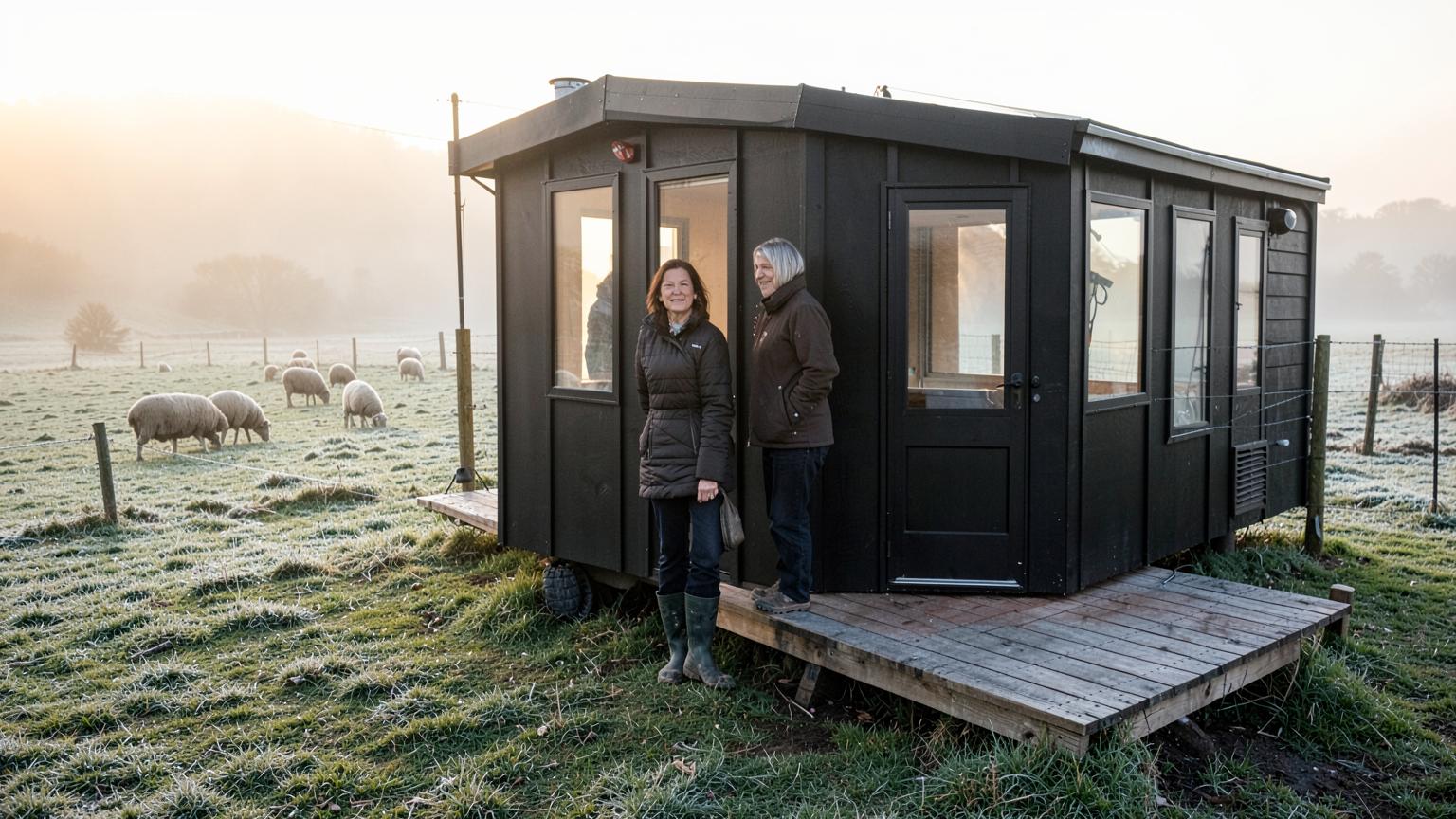
From a Shed to My Own Front Door: One Canterbury Woman's Story
She lost the house, the marriage and her security in a single text message. Six months later she owns her home outright — for $24,500.
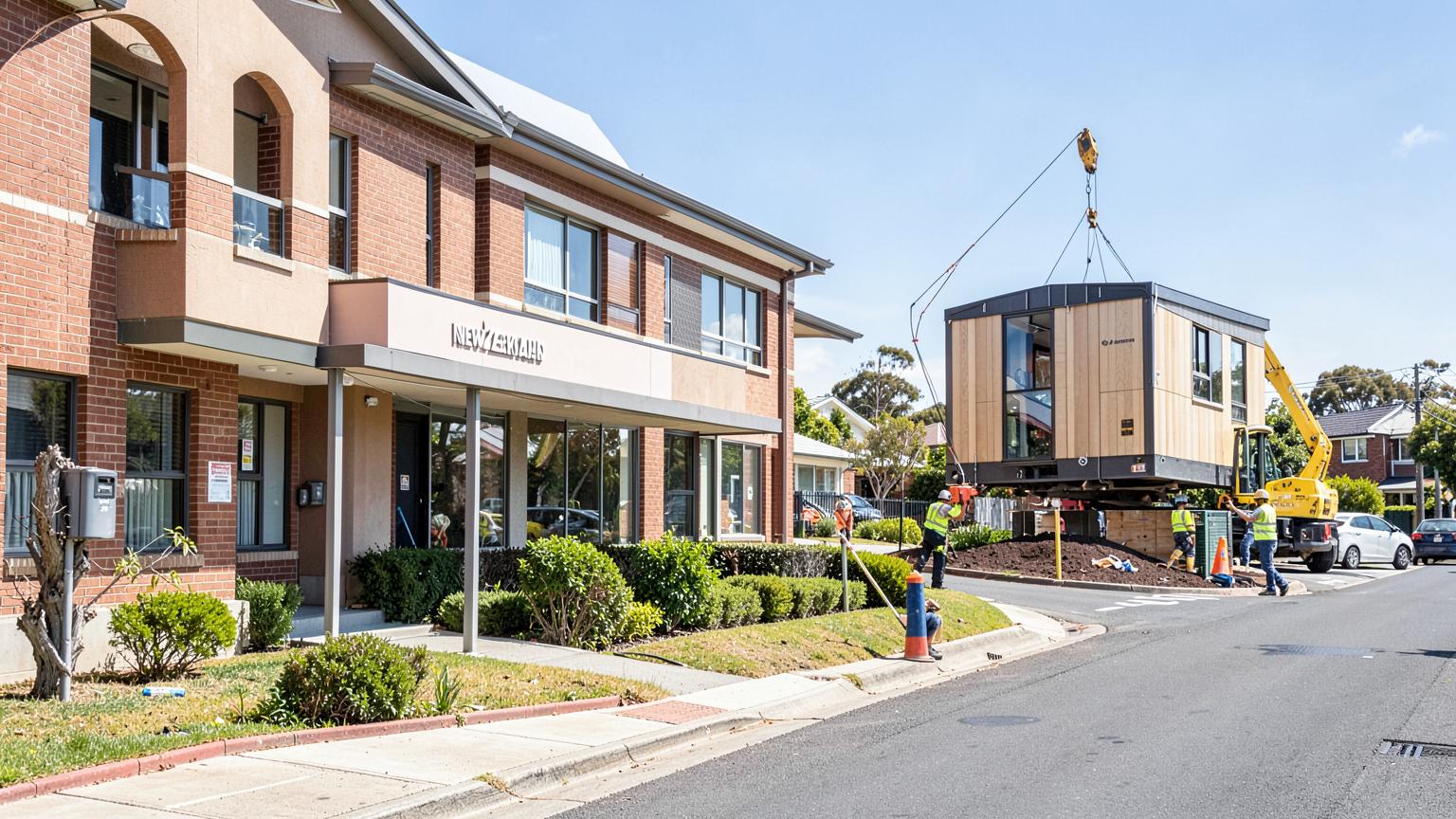
Spring 2026: small-home builds hit a record as the 70m² rule beds in
Nine months after the consent exemption took effect, councils are reporting their busiest spring on record for small stand-alone dwellings — and prefab suppliers are scaling up to meet demand.
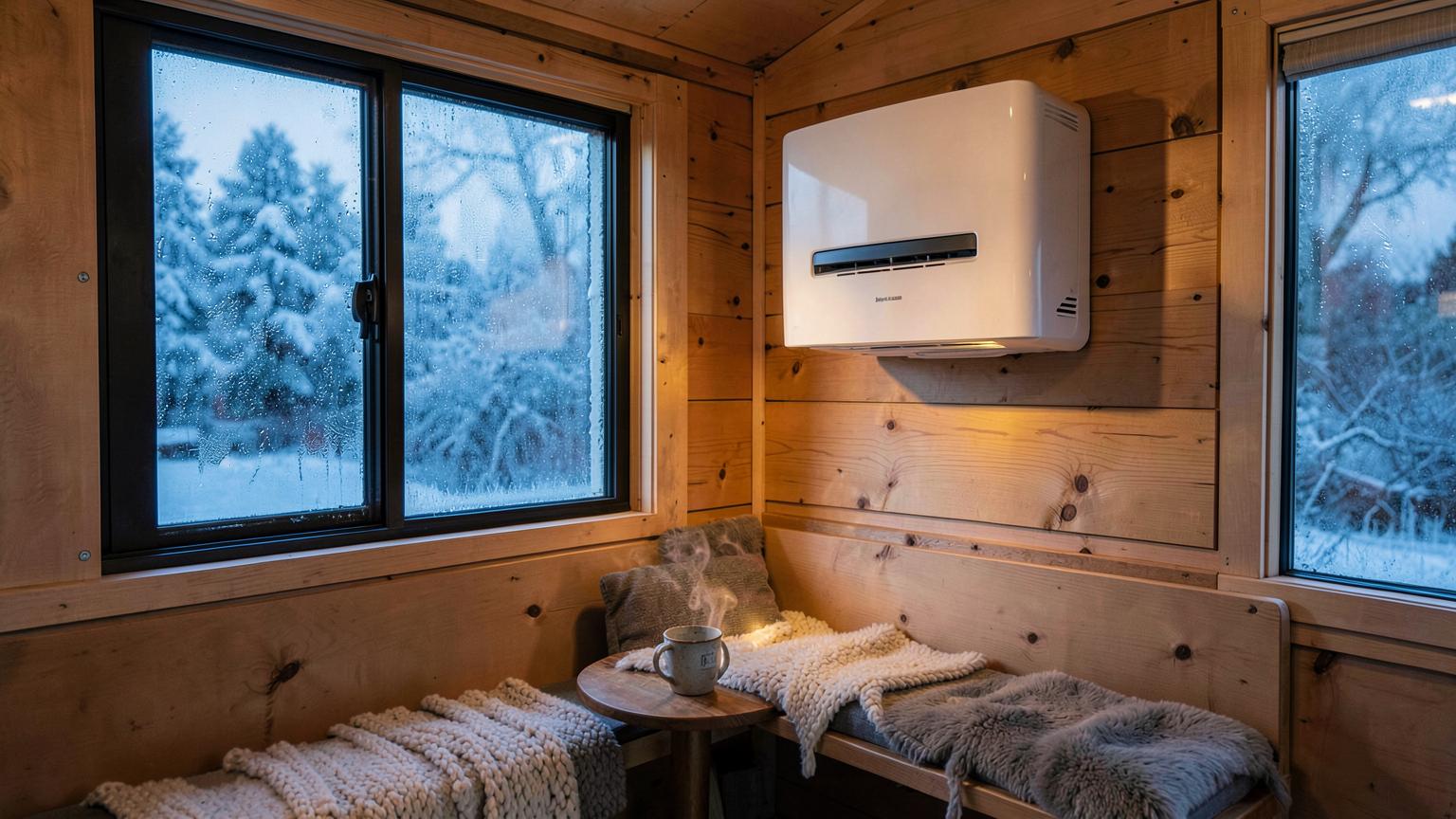
What owners actually paid to heat a small home this winter
We asked small-home owners across the country for their real winter power bills. The results show how far good insulation and a right-sized heat pump go.

Thinking about a tiny home?
Get our free guide to compare your options — before you spend thousands.
- Expert tips from industry insiders
- Real delivery timelines
- 5 warning signs of a bad prefab seller