Insuring a Tiny Home: The Cover Most Owners Get Wrong
Standard house insurance often doesn't fit a tiny home, and standard contents cover doesn't either. Sorting out which policy you actually need is a job for before delivery day, not after.
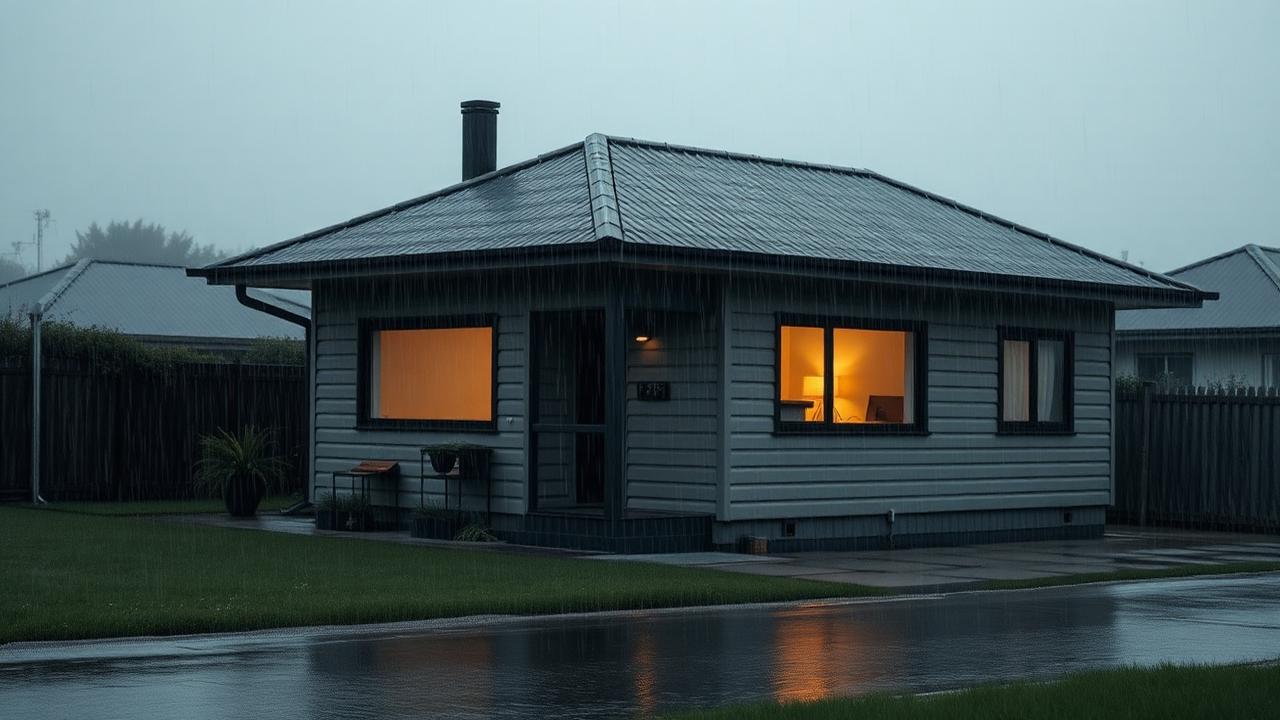
Insurance is the least glamorous part of tiny living and the part most likely to produce an unpleasant surprise. The core issue is a category problem: insurers build products around houses that stay put, and a tiny home may not fit that description.
Which box does your home go in?
The first question any insurer will ask is whether the home is permanently fixed to land or capable of being moved. That single answer determines the product.
A dwelling permanently sited and fixed on land you own can often be insured much like a conventional house, sometimes as an additional structure on an existing property policy. A home on wheels, or one designed to be relocated, frequently sits outside standard house cover and needs either a specialist tiny-home policy or something closer to a caravan product. [VERIFY]
Don't assume. Ask the question in writing before you buy, and get the answer in writing too.
The gaps that catch people out
Transport. The moment your home leaves the factory or moves to a new site, it's exposed in a way a house never is. Cover during transit is often a separate arrangement, and whether the transport company's insurance or yours applies is a question worth resolving before the truck moves. Delivery day is a bad time to discover the answer.
Off-site or leased land. If your home sits on land you don't own — leased land, a relative's paddock, a tiny-home village — tell the insurer. Cover can hinge on the arrangement, and an undisclosed situation is the kind of detail that surfaces at claim time.
Solid-fuel heating. Insurers generally want to know about a wood burner and will expect it to be properly installed. This is another reason to have that work done and documented rather than improvised.
Under-insurance. Small homes are often better-specified than their footprint suggests, and owners tend to underestimate replacement cost. The relevant figure isn't what you paid — it's what replacing the home would cost today, including transport and site works.
Insurance for a tiny home is a category question before it's a price question. Establish which product applies before you commit to the build.
Getting it sorted properly
Talk to a broker who has placed tiny-home cover before rather than working through a call centre from scratch. Have your build documentation ready — specifications, electrical certification, heater installation details — because good documentation is what turns an awkward risk into a straightforward one.
And do it early. The best time to discover your home doesn't fit a standard policy is while it's still a drawing.

Hana Mitchell
Hana has covered housing and small-space design in Aotearoa for over a decade. She founded Tiny Home Weekly to bring proper journalism to a sector Kiwis are increasingly excited about.
Also worth reading
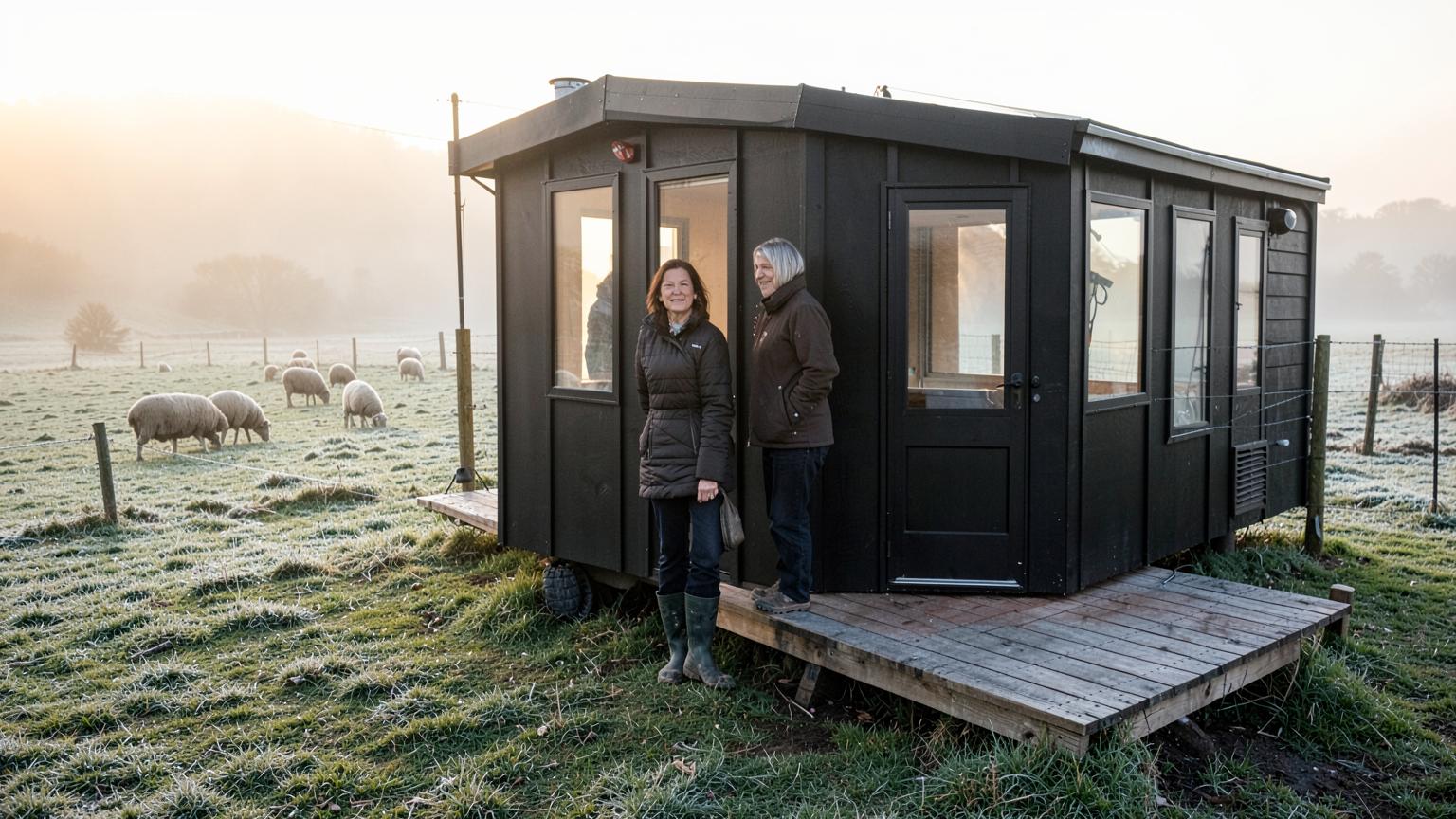
From a Shed to My Own Front Door: One Canterbury Woman's Story
She lost the house, the marriage and her security in a single text message. Six months later she owns her home outright — for $24,500.
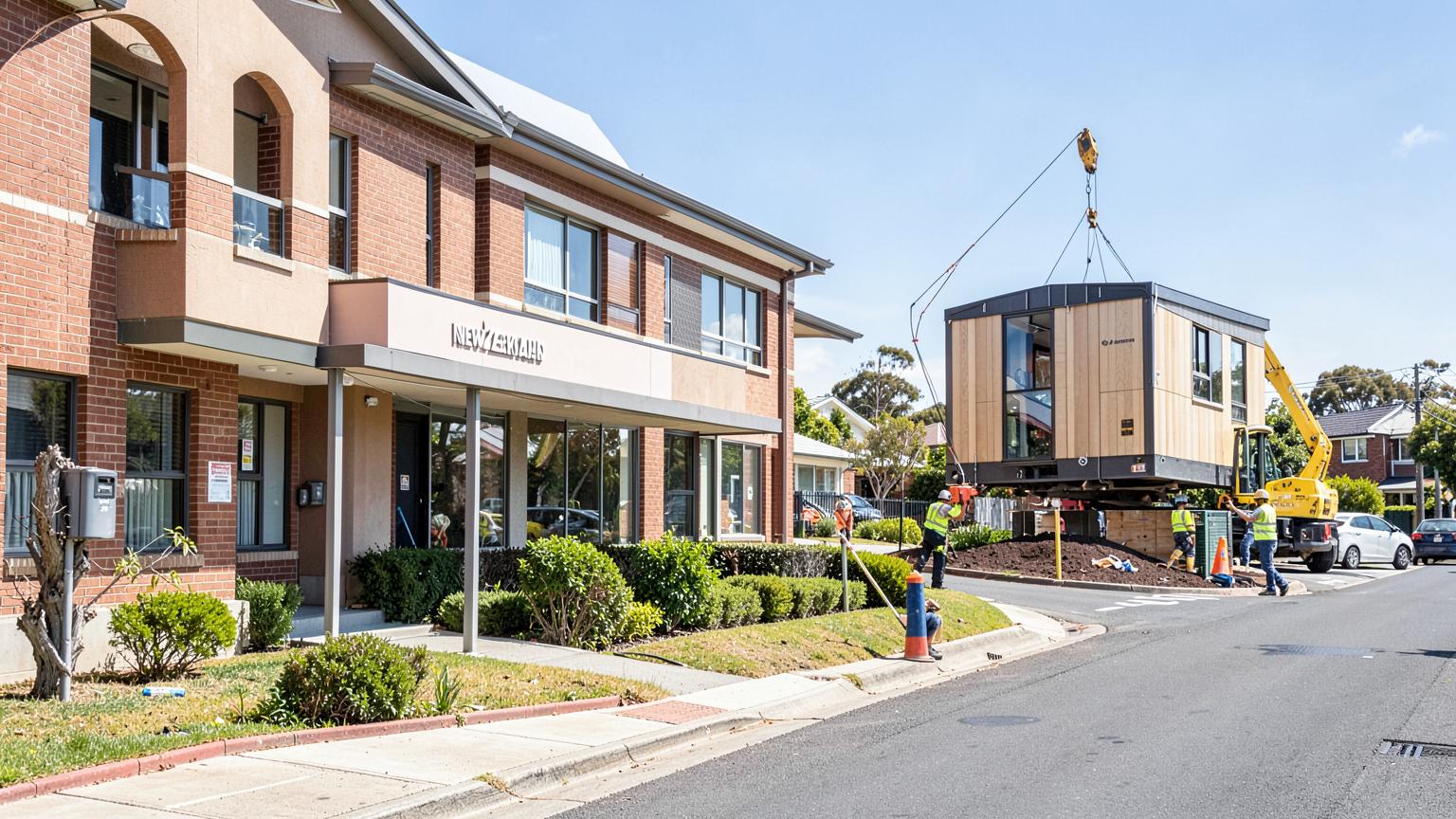
Spring 2026: small-home builds hit a record as the 70m² rule beds in
Nine months after the consent exemption took effect, councils are reporting their busiest spring on record for small stand-alone dwellings — and prefab suppliers are scaling up to meet demand.
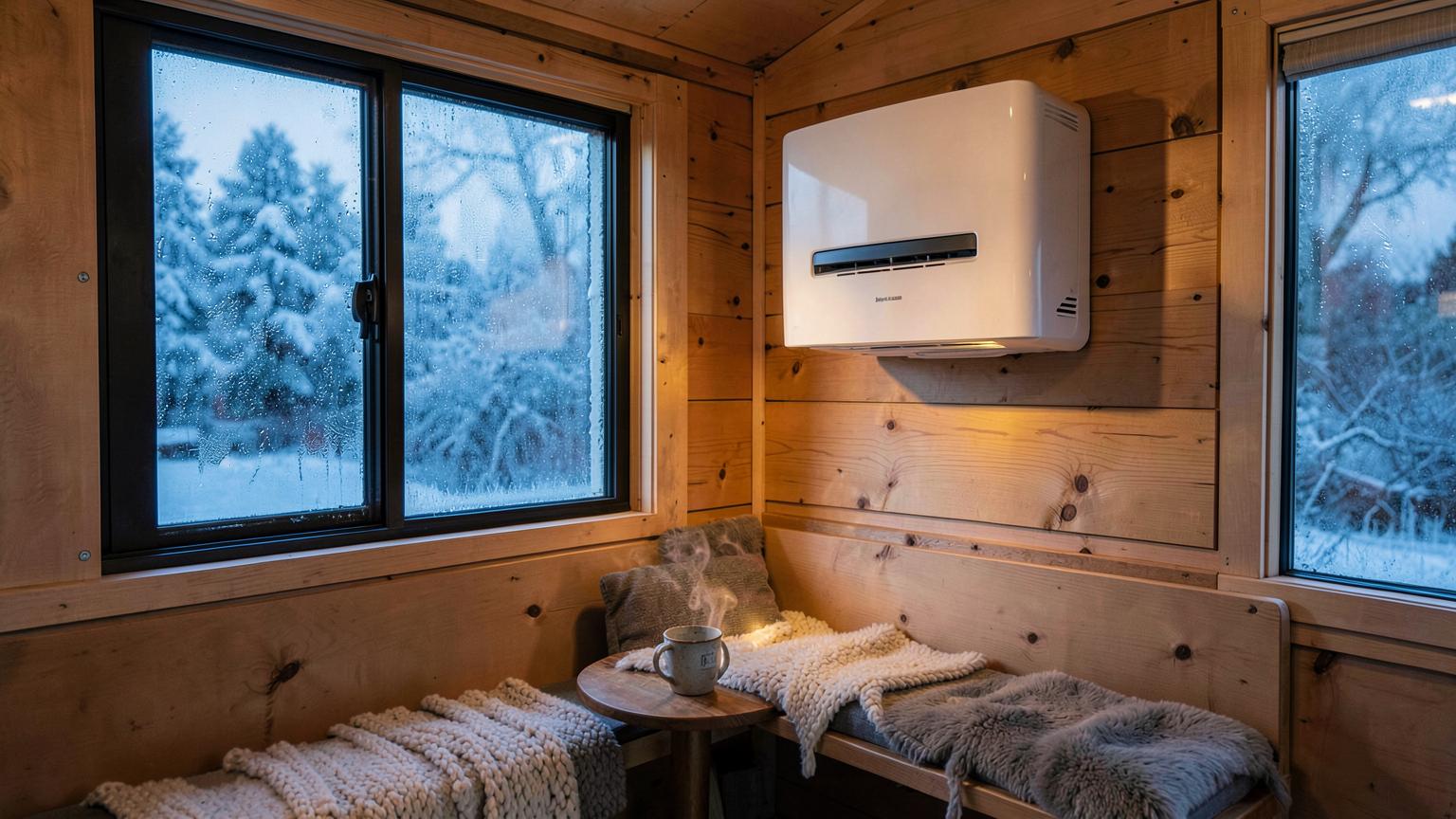
What owners actually paid to heat a small home this winter
We asked small-home owners across the country for their real winter power bills. The results show how far good insulation and a right-sized heat pump go.

Thinking about a tiny home?
Get our free guide to compare your options — before you spend thousands.
- Expert tips from industry insiders
- Real delivery timelines
- 5 warning signs of a bad prefab seller