Building It Yourself: The Honest Case for Kitset and Flat-Pack
A kitset can save you a meaningful share of the build cost. It can also consume two years of weekends and cost more than a finished home. Which one happens is fairly predictable.
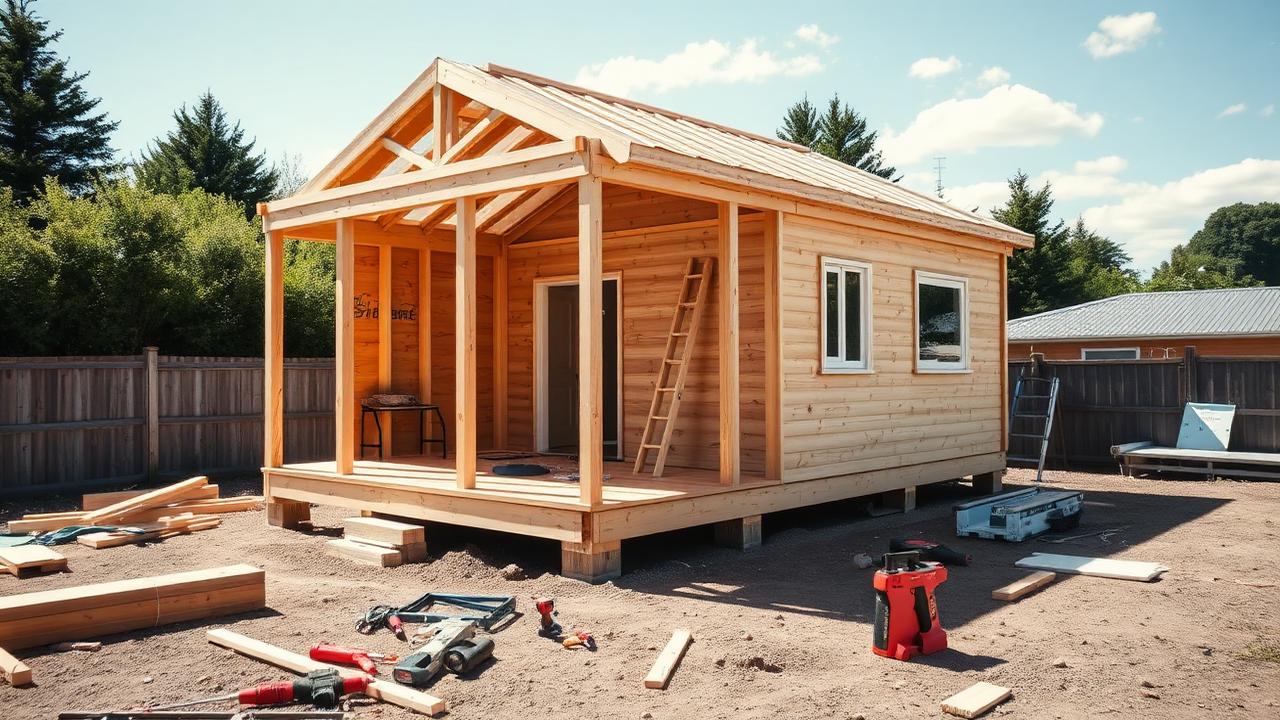
The appeal of a kitset is straightforward: pay for materials and a plan rather than materials, a plan and someone's labour, and keep the difference. For the right person it's the best value in the market. For the wrong person it's an unfinished shell and a difficult conversation.
The difference isn't really about skill. It's about time, honesty and knowing which parts you can't do yourself.
What you're actually buying
"Kitset" covers a wide range, and knowing where a product sits on that range is the first thing to establish.
At one end, a full precision kitset arrives with framing cut and labelled, cladding, roofing, joinery, fixings and detailed assembly documentation. At the other, a "kit" may be a set of plans and a materials list, leaving you to source and cut everything. Both are legitimate; they're wildly different products at wildly different prices.
Ask specifically: is the framing pre-cut and pre-labelled? Are joinery, cladding and roofing included? What documentation comes with it, and is there support if something doesn't make sense at 4pm on a Sunday? Is a materials list included, and what's excluded from it?
The saving is real, and it is paid for in weekends. Cost the hours honestly before you commit.
The realistic saving, and the realistic cost
Labour is a large share of a build, so removing it saves real money. But the saving is smaller than the headline suggests once you account for the things a DIY builder still has to buy.
Tools you don't own. Scaffolding or a platform for working at height. Delivery of materials. The wastage that comes from learning on your own project. And the two jobs that almost always go to professionals: electrical work and plumbing, which need to be done by qualified people, both for safety and because your insurer will care.
Then there's time. A kitset small home is typically a matter of months of weekends rather than weeks, and the honest question isn't whether you can do the work — it's whether you'll still be doing it in month nine. Half-finished self-builds are not rare, and a shell that's been open to the weather for a winter is a worse asset than the money that bought it.
Who it genuinely suits
Kitset building rewards a particular set of circumstances: some construction experience or a very methodical temperament, access to a helper for the parts that need two people, a dry place to store materials, a site that's easy to work on, and — critically — a realistic timeframe with no pressure to move in by a particular date.
It also suits people for whom the building is part of the point. Plenty of kitset owners would have paid for a finished home and chose not to, because they wanted to have built it.
The hybrid worth considering
The option that gets overlooked: buy the kitset and contract out the stages you're weakest at. Have a builder do the frame and get it closed in and weathertight quickly, then do the interior fit-out yourself at your own pace. It captures much of the saving while removing the risk that matters most — a structure sitting open through a wet winter.
For a lot of people, that's the version that actually works.

Hana Mitchell
Hana has covered housing and small-space design in Aotearoa for over a decade. She founded Tiny Home Weekly to bring proper journalism to a sector Kiwis are increasingly excited about.
Also worth reading
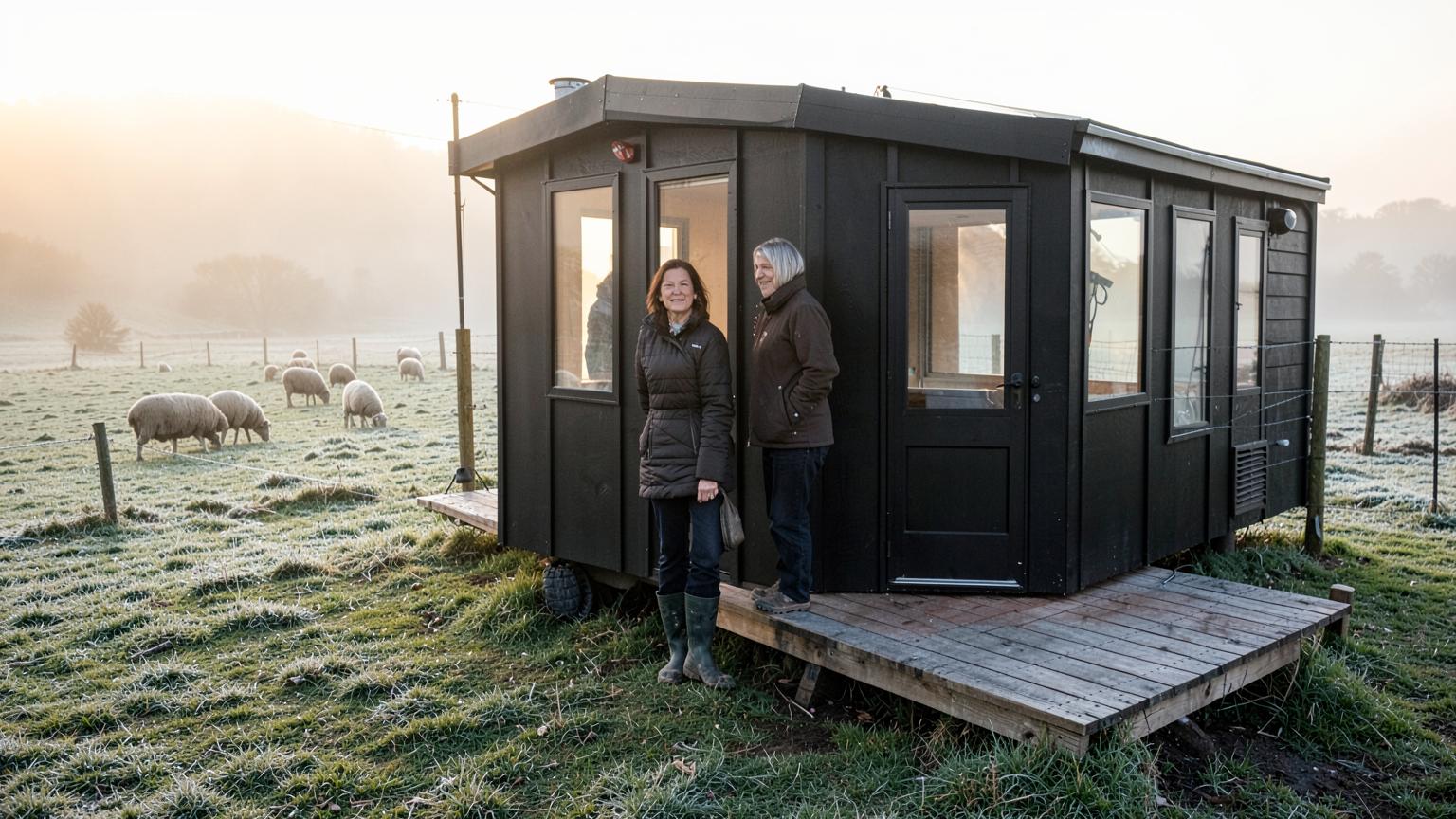
From a Shed to My Own Front Door: One Canterbury Woman's Story
She lost the house, the marriage and her security in a single text message. Six months later she owns her home outright — for $24,500.
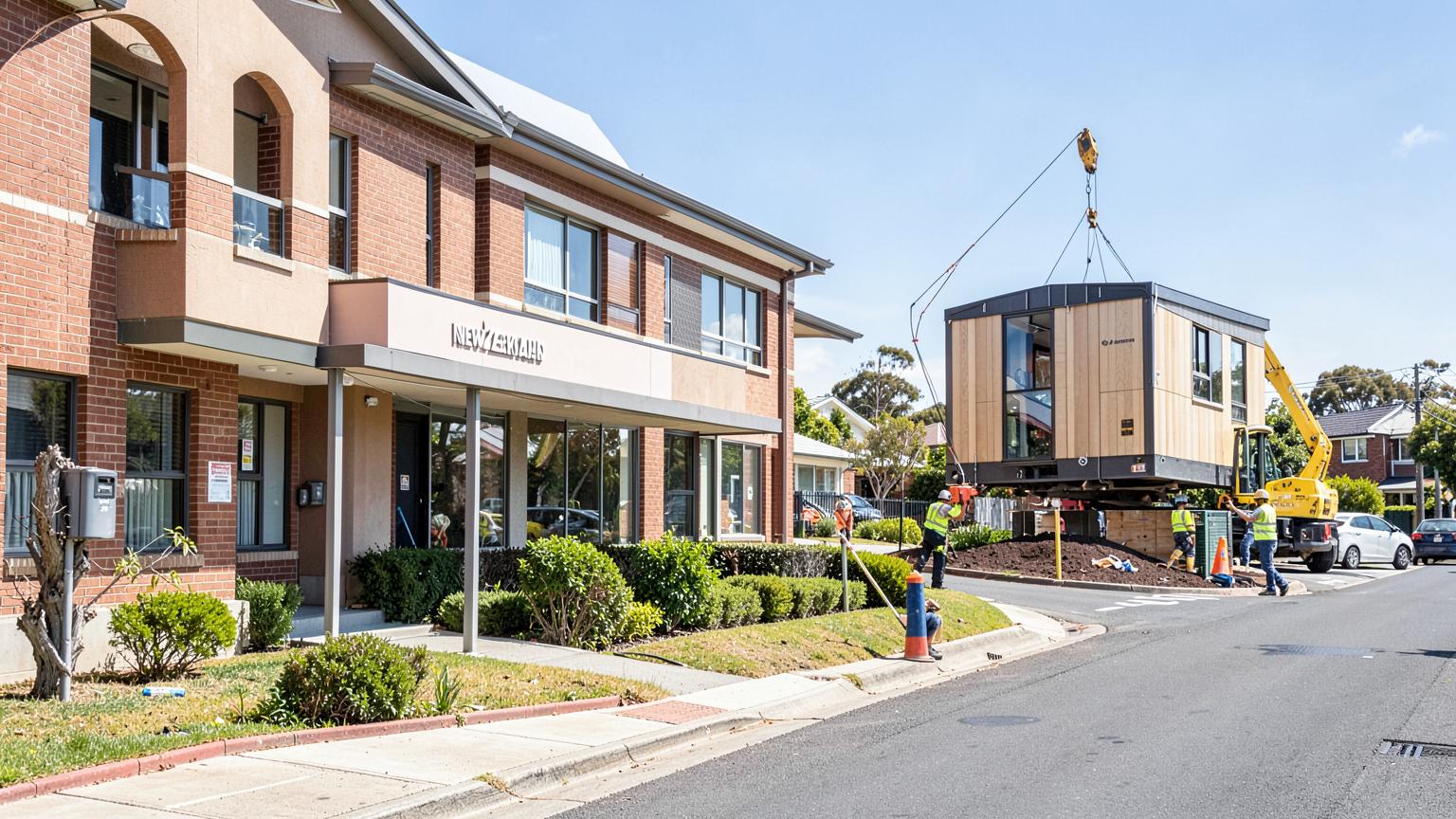
Spring 2026: small-home builds hit a record as the 70m² rule beds in
Nine months after the consent exemption took effect, councils are reporting their busiest spring on record for small stand-alone dwellings — and prefab suppliers are scaling up to meet demand.
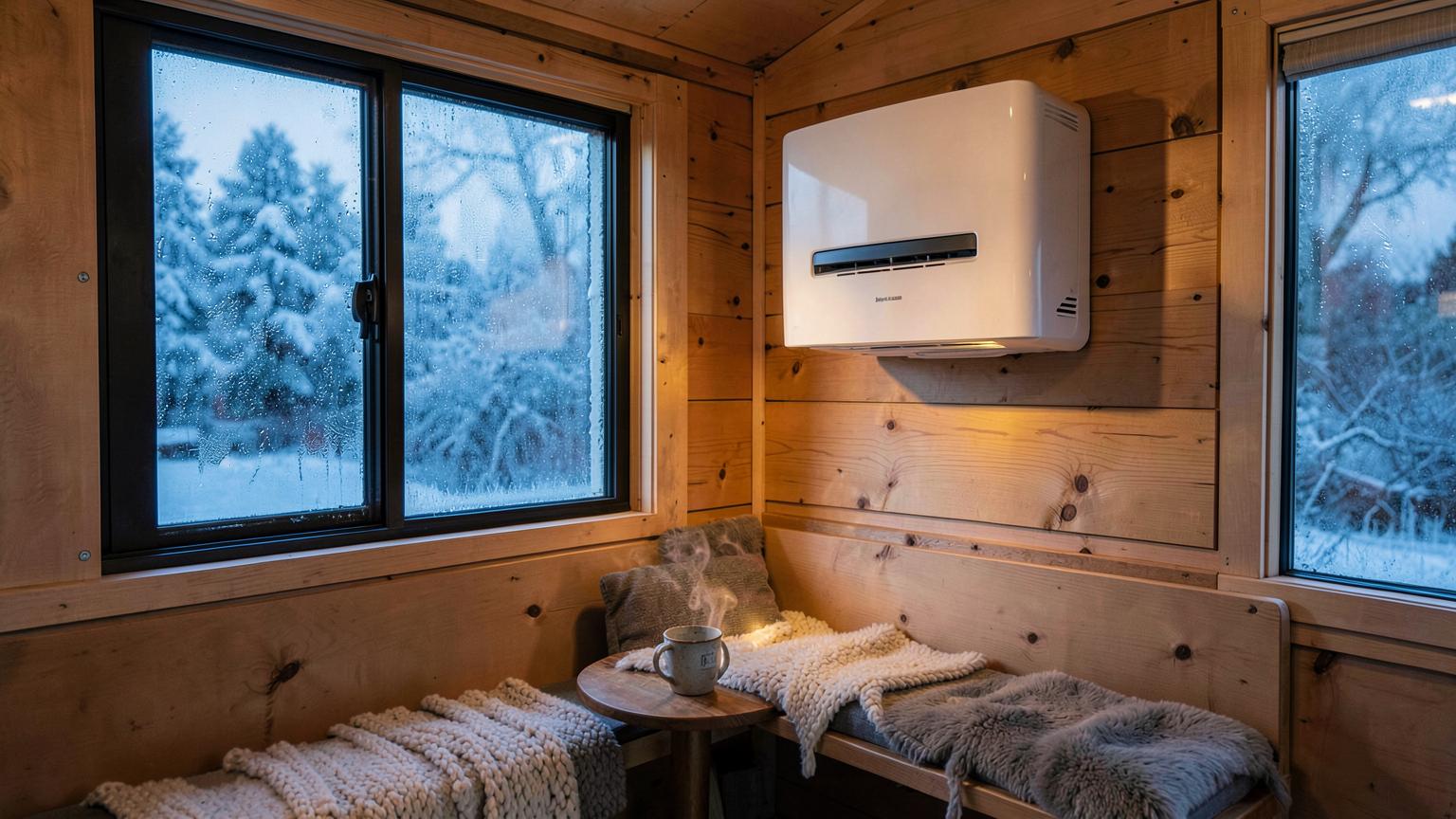
What owners actually paid to heat a small home this winter
We asked small-home owners across the country for their real winter power bills. The results show how far good insulation and a right-sized heat pump go.
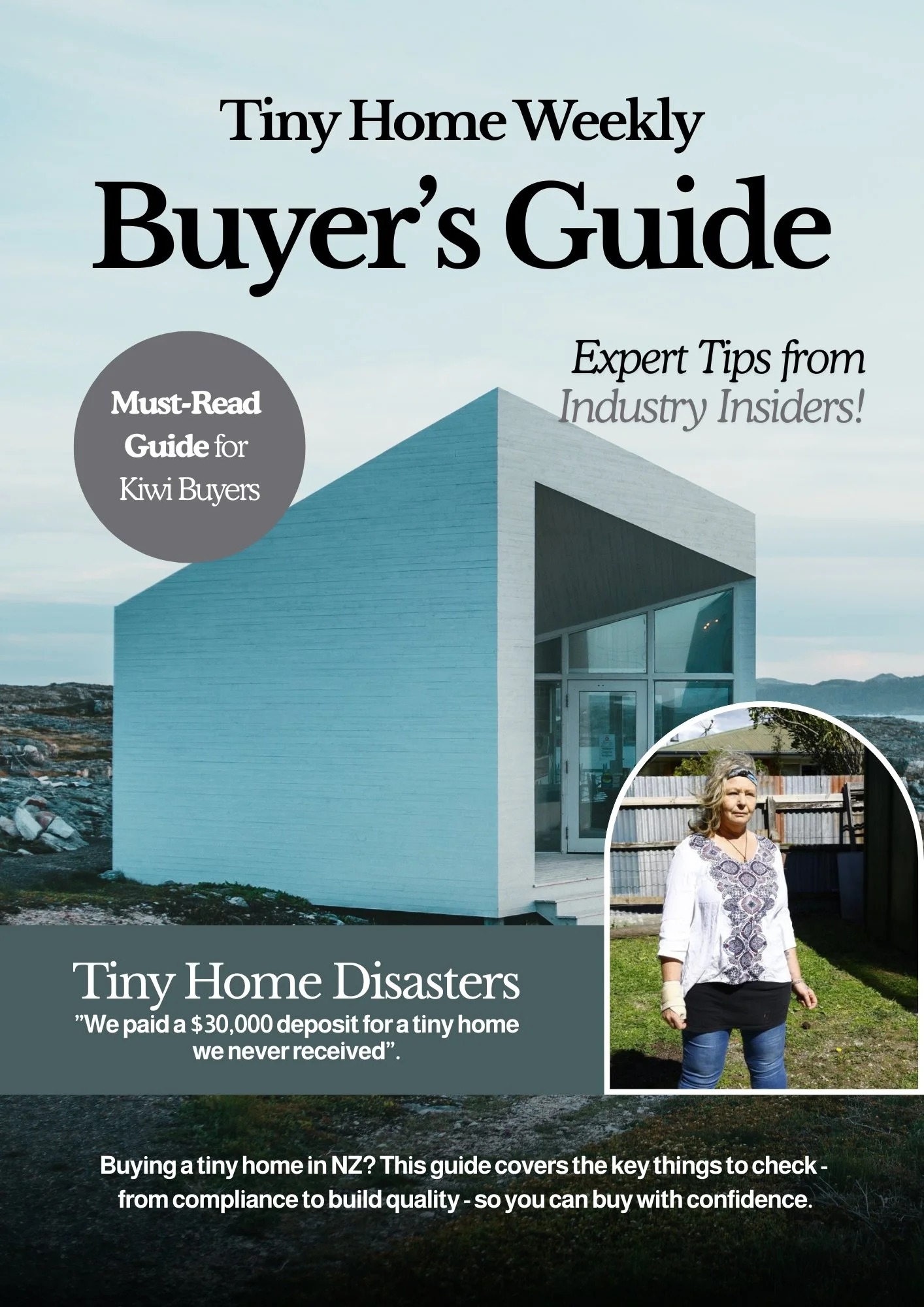
Thinking about a tiny home?
Get our free guide to compare your options — before you spend thousands.
- Expert tips from industry insiders
- Real delivery timelines
- 5 warning signs of a bad prefab seller