Sizing an Off-Grid System: What It Really Takes to Run a Small Home on Sun
A tiny home is small enough that solar can realistically carry it. The trick is sizing the system for June, not for January.
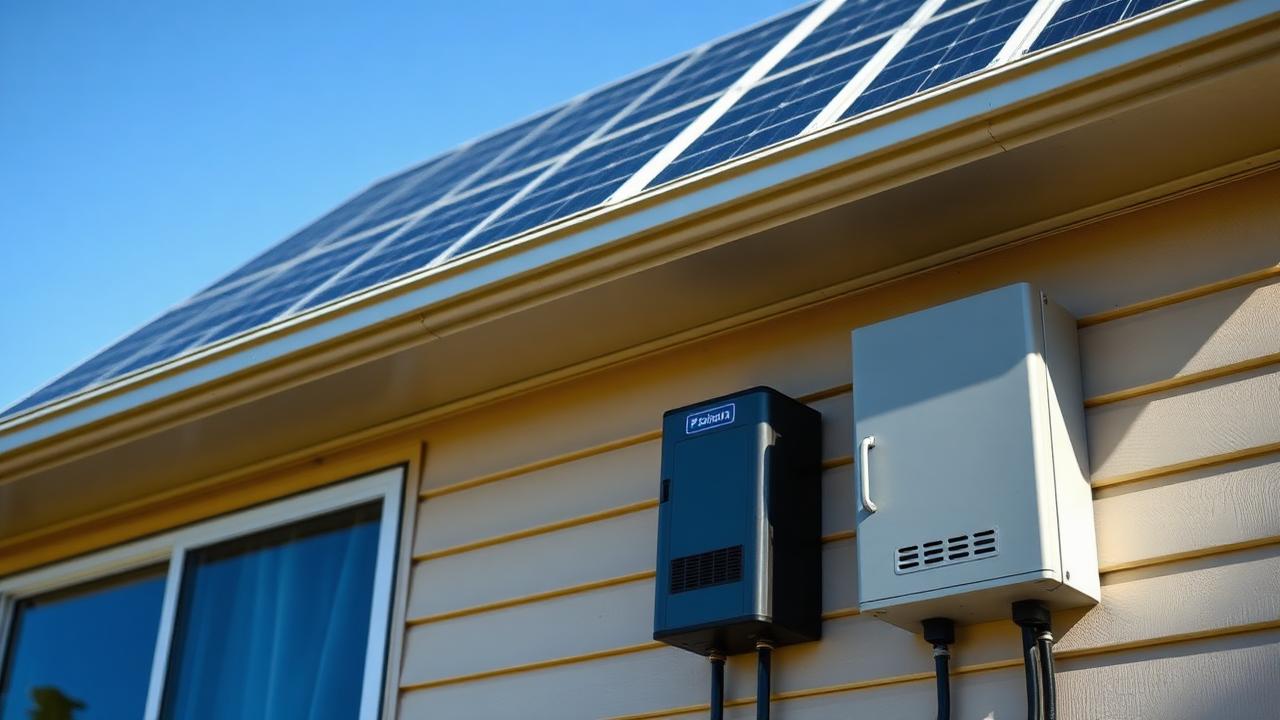
The appeal of running a small home on sunlight is obvious, and the physics are genuinely on your side: less space to heat and light means a load small enough for a modest array to cover. Plenty of New Zealanders are living this way comfortably.
The ones who struggle almost all made the same mistake — they sized the system for a good day.
Design for your worst month
New Zealand's solar output varies enormously between summer and winter, and the gap widens the further south you go. A system that produces a comfortable surplus in January can fall well short in June, when the days are shortest, the sky is greyest and — inconveniently — your heating and lighting demand is at its peak. [VERIFY]
That mismatch is the central design problem of off-grid living here, and it has three honest solutions: build the system for winter and accept summer surplus, keep a generator for the worst stretches, or genuinely reduce what you use in winter. Most successful setups use some combination of all three.
Work out your load first
The instinct is to start by asking how many panels you need. The right starting point is what you actually consume.
List the loads honestly: lighting, fridge, water pump, phone and laptop charging, and then the big ones. The big ones are anything that makes heat. An electric jug, a toaster, a hair dryer, an electric heater and a conventional oven draw enormous amounts of power relative to a small off-grid system, and they're the reason many off-grid homes use gas for cooking and wood or diesel for heat, keeping electricity for the light, quiet loads it's good at.
An honest load calculation makes the rest of the design straightforward. A guessed one makes it a lottery.
The panels are the cheap part of the decision. The battery, and your honesty about winter, are what determine whether it works.
Batteries, and the bit people underestimate
Panels only produce during daylight, so the battery is what actually delivers a liveable home. Modern lithium systems have largely displaced lead-acid for good reasons — usable depth of discharge, cycle life and compactness all matter more in a small home. They also cost more upfront, and battery capacity is where budgets get trimmed and regret sets in.
Size the battery for a run of dull days, not a single night. Two or three overcast winter days in a row is a normal New Zealand week, not an edge case.
Get it designed, then get it installed properly
Off-grid systems are one area where the DIY instinct should be resisted. High-voltage DC, batteries and inverters are unforgiving of improvisation, and the work needs to be done by someone qualified — both for safety and because your insurer will care.
Pay for a proper design based on your location, your loads and your tolerance for running a generator. It costs less than the oversized system you'd otherwise buy, or the undersized one you'd otherwise regret.

Hana Mitchell
Hana has covered housing and small-space design in Aotearoa for over a decade. She founded Tiny Home Weekly to bring proper journalism to a sector Kiwis are increasingly excited about.
Also worth reading
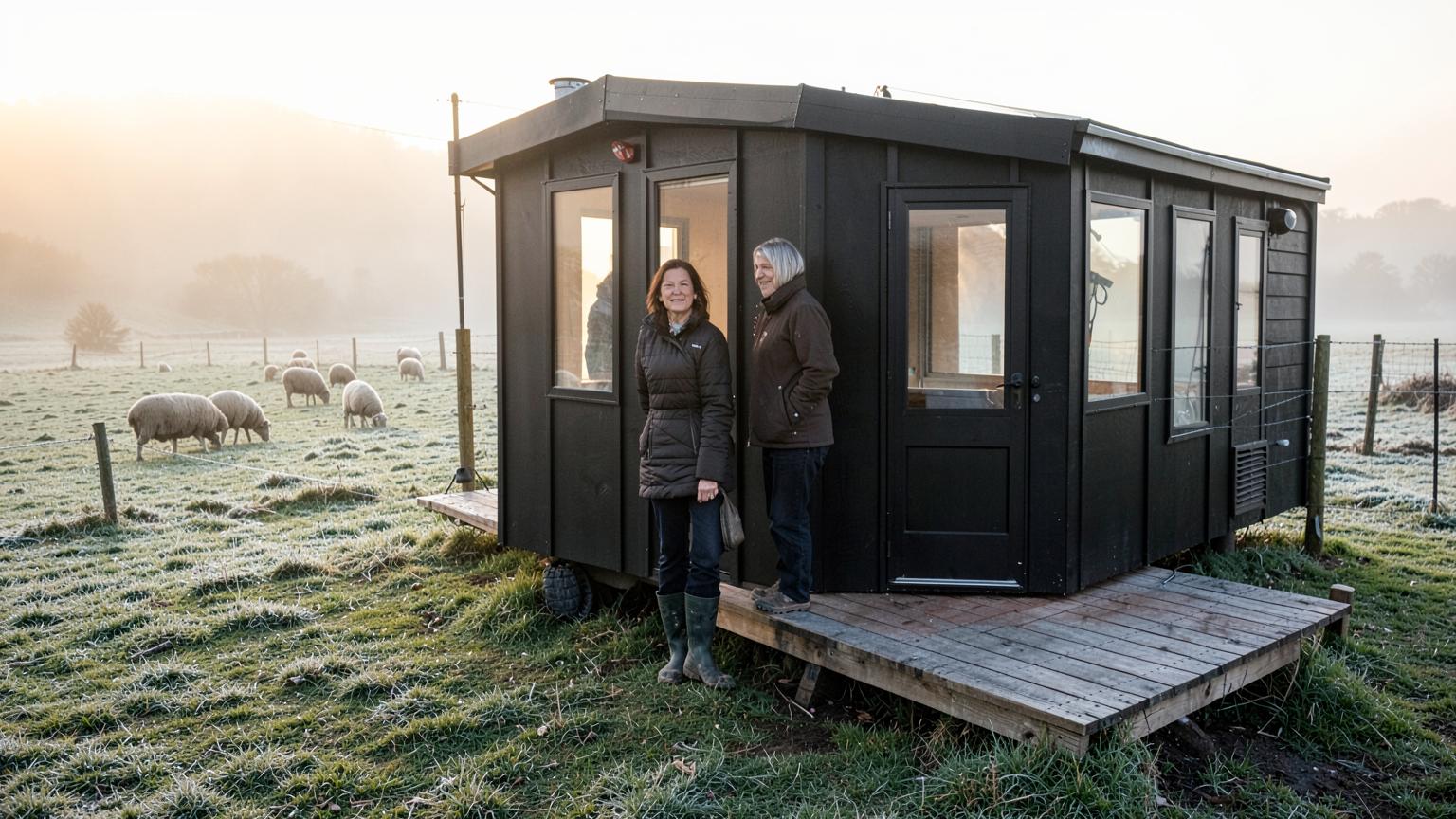
From a Shed to My Own Front Door: One Canterbury Woman's Story
She lost the house, the marriage and her security in a single text message. Six months later she owns her home outright — for $24,500.
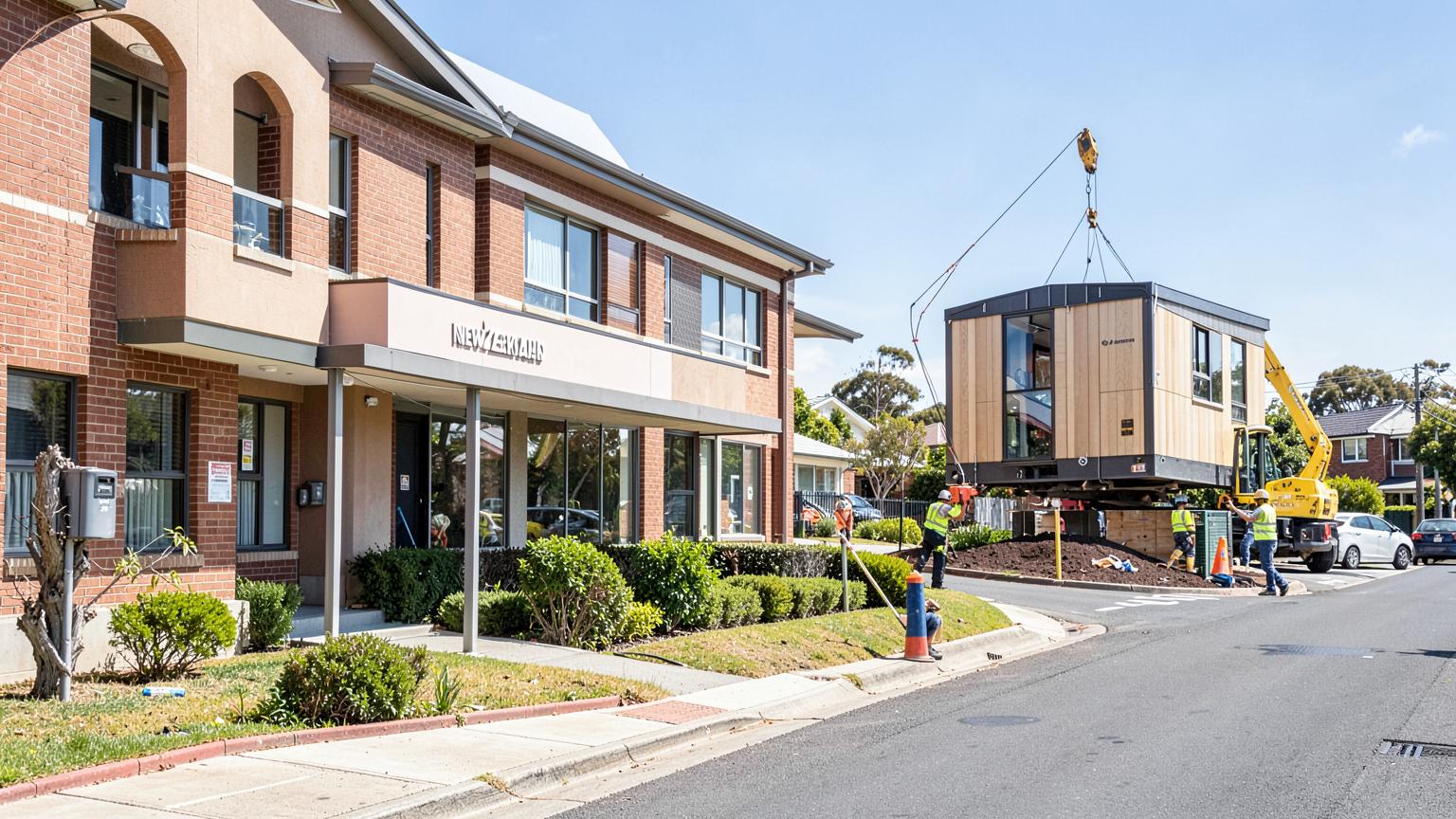
Spring 2026: small-home builds hit a record as the 70m² rule beds in
Nine months after the consent exemption took effect, councils are reporting their busiest spring on record for small stand-alone dwellings — and prefab suppliers are scaling up to meet demand.
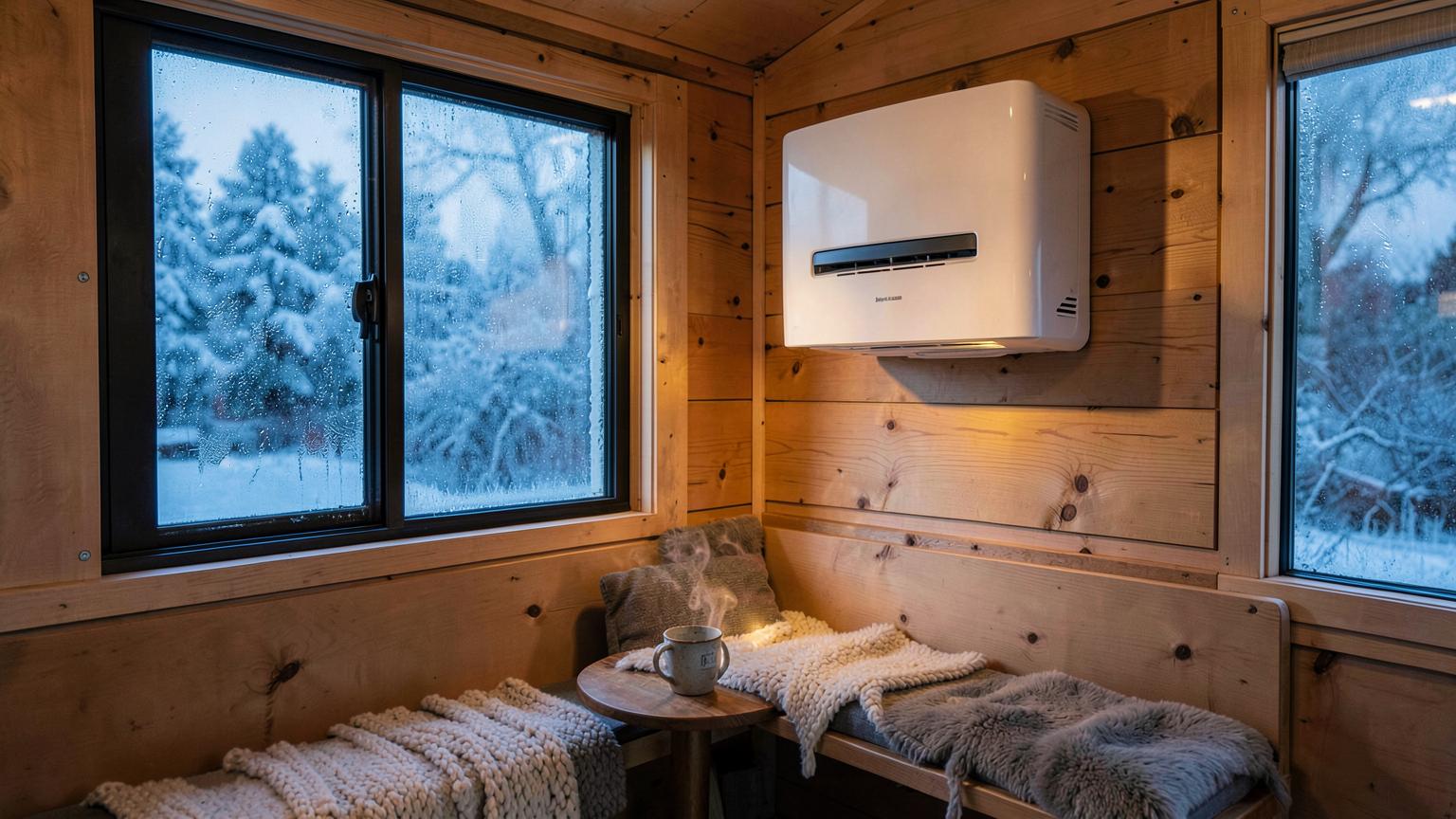
What owners actually paid to heat a small home this winter
We asked small-home owners across the country for their real winter power bills. The results show how far good insulation and a right-sized heat pump go.

Thinking about a tiny home?
Get our free guide to compare your options — before you spend thousands.
- Expert tips from industry insiders
- Real delivery timelines
- 5 warning signs of a bad prefab seller