The home is ready. Is the site? Planning a smooth prefab delivery
Factory-built homes bring much of the work off site. A clear delivery and installation plan connects that advantage to your actual section.
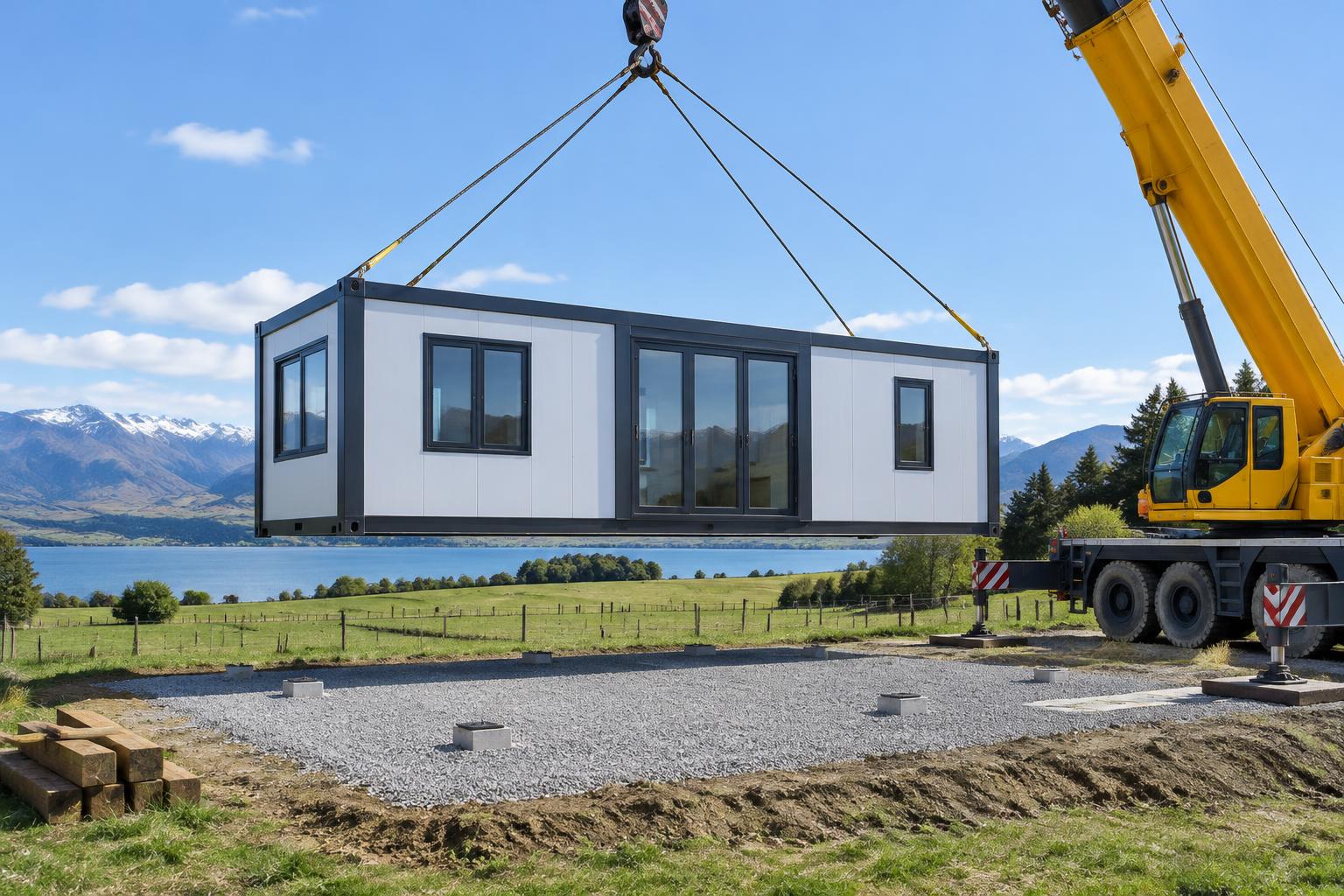
One of prefab's strengths is that much of the building work can take place away from the section. MBIE's off-site construction guidance encourages considering this approach early, so the design works with the manufacturing process and is robust and transportable. The same early thinking helps the journey from factory to finished home.
Plan the destination as carefully as the building
Give the supplier and delivery team the site's actual information: access, the proposed position, neighbouring structures and the services that need to reach the home. A photograph is a useful starting point, but the professionals organising transport and lifting should confirm what they need to assess.
Ask who is responsible for checking access, arranging any lifting equipment and preparing the support system. A finished module and a finished site are separate parts of the project unless the agreement says otherwise.
Transportable is not a legal classification
MBIE's tiny-house guidance distinguishes whether a tiny house is a building, a vehicle, or both. Being capable of moving does not, by itself, settle the rules that apply. Discuss the intended use and installation with your council and the relevant building professionals.
The useful question is how this particular home will be installed and used on this particular property. Keep the answers with the drawings and supplier documentation so everyone works from the same assumptions.
Connect services to the plan
MBIE notes that connections to existing water, stormwater or wastewater networks may require building consent, and development contributions may apply. Ask the council what your project needs and identify who arranges each connection. An exemption for a dwelling does not automatically resolve every separate task on the site.
- Confirm access and lifting arrangements with the delivery team.
- Agree who prepares the foundations or support system.
- Identify approvals for service connections.
- Set out handover and inspection responsibilities.
- Keep the final delivery scope in writing.
Make arrival a coordinated handover
A shared plan lets the factory, delivery crew and site contractors line up their work. Rather than promising a universal installation time, ask for the sequence and dependencies of your own project. That is how a factory-built home's convenience becomes a smooth experience on the ground.
Sources & further reading

Hana Mitchell
Hana has covered housing and small-space design in Aotearoa for over a decade. She founded Tiny Home Weekly to bring proper journalism to a sector Kiwis are increasingly excited about.
Also worth reading

A cooler small home starts before summer: shade, windows and airflow
November is a good time to plan summer comfort. A few thoughtful design choices can make a compact home feel better without relying on cooling alone.
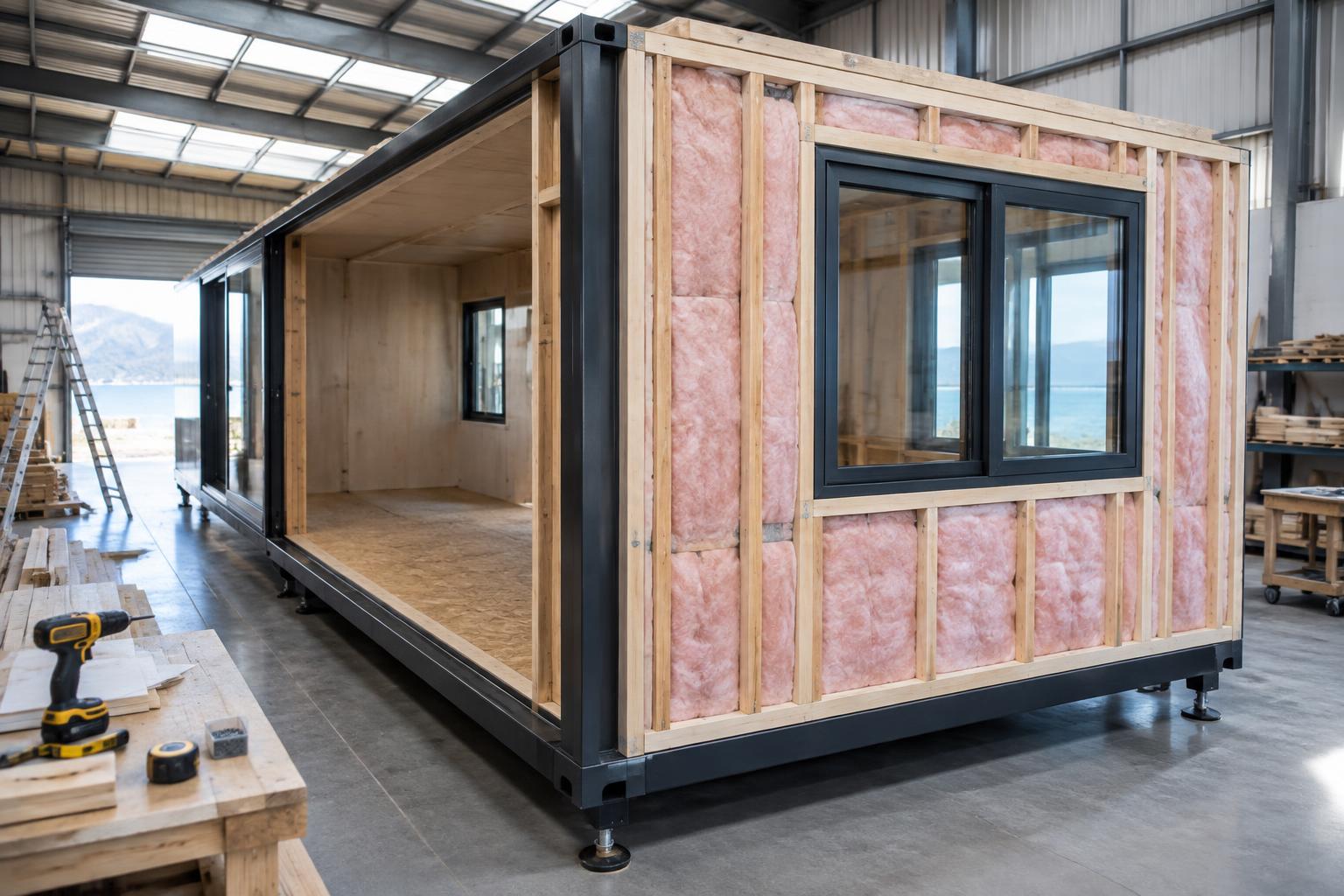
The insulation details that make a small home feel properly finished
Good insulation is about more than the number on the spec sheet. Fit, coverage and the way the whole building is designed deserve attention too.
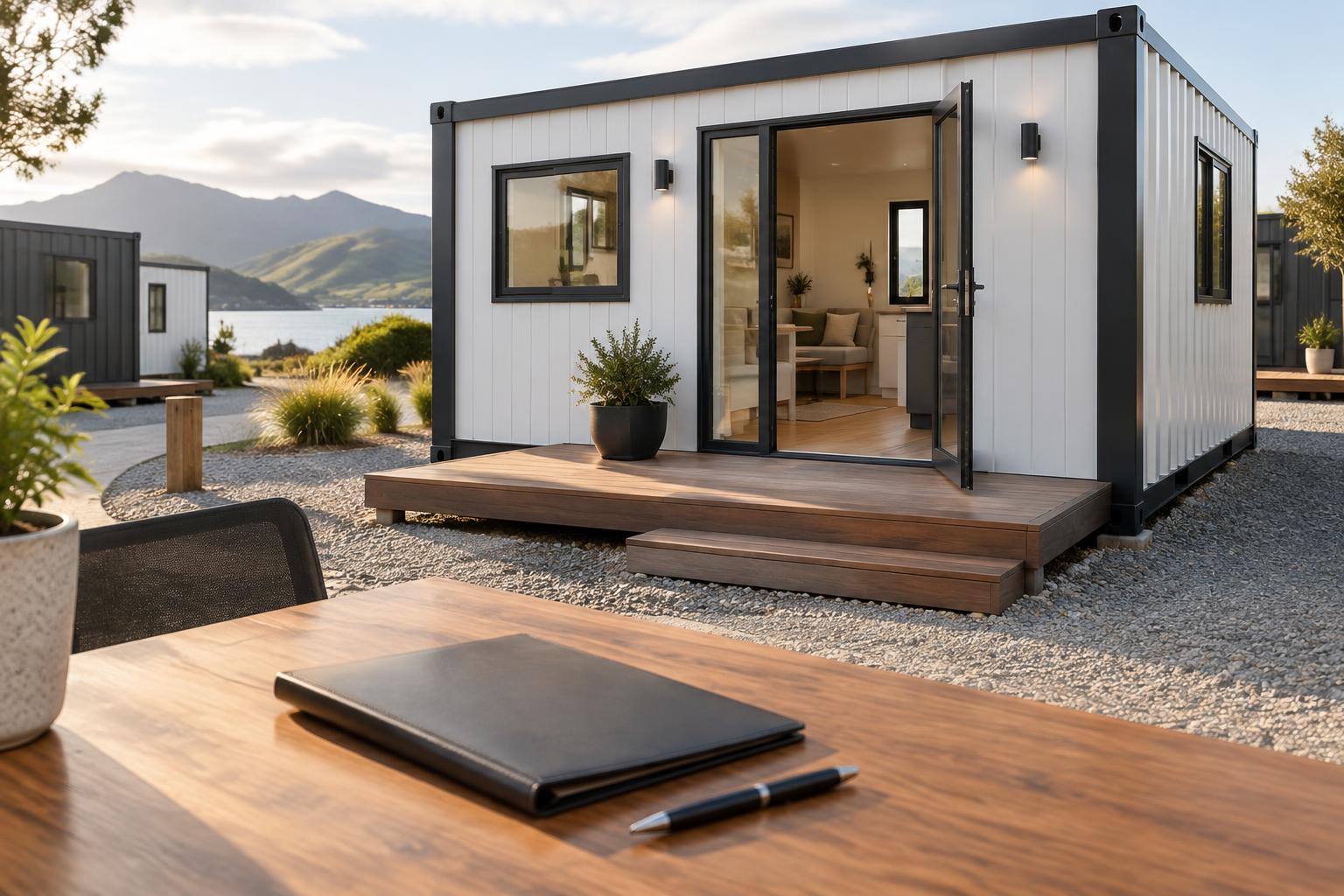
From a good quote to a clear agreement: buying a tiny home with confidence
A useful agreement connects the home, the delivery and the site work. Here are the details worth settling before you sign.

Thinking about a tiny home?
Get our free guide to compare your options — before you spend thousands.
- Expert tips from industry insiders
- Real delivery timelines
- 5 warning signs of a bad prefab seller