The insulation details that make a small home feel properly finished
Good insulation is about more than the number on the spec sheet. Fit, coverage and the way the whole building is designed deserve attention too.
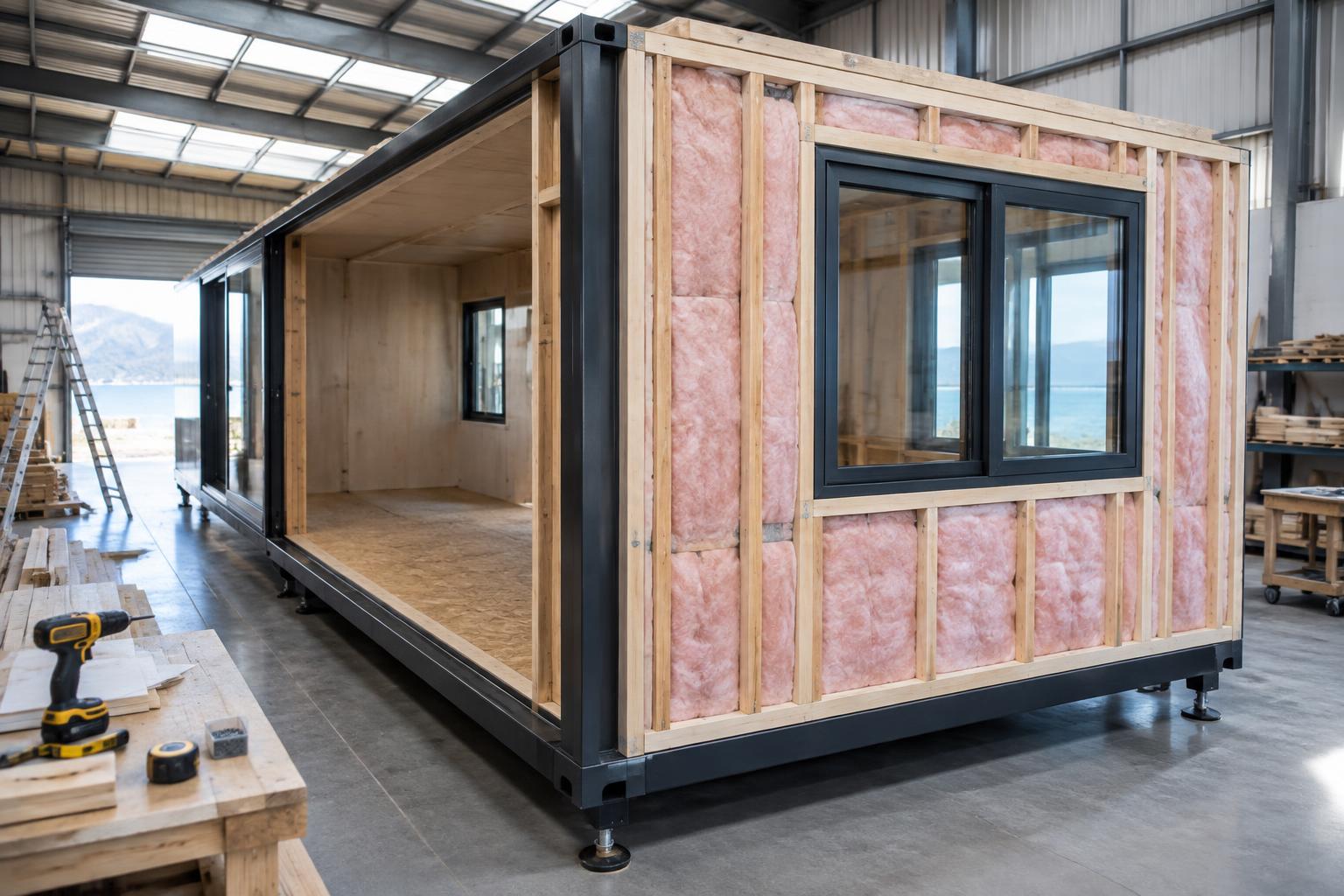
Buying a compact home gives you an opportunity to specify comfort from the outset. Insulation is one of the most useful subjects to discuss while drawings are still flexible and wall assemblies are accessible. The conversation should include both the design's thermal performance and how the specified materials will be installed.
Ask about the building, not just the batt
An insulation product's R-value is useful information, but the home includes framing, windows, junctions and other details. Ask the supplier or designer how the complete construction meets the applicable Building Code energy-efficiency requirements for your project. A small floor area does not answer that question on its own.
Request the floor, wall and roof specifications in writing. It is easier to compare two homes when each supplier describes the same parts of the building rather than using an overall label such as 'fully insulated'.
Installation changes the result
MBIE's insulation guidance explains that gaps reduce effectiveness and compressing insulation below its intended thickness reduces its insulating value. A well-selected product needs a well-planned installation. Ask how awkward corners, service penetrations and transitions between building elements are handled.
A factory-built home offers a useful opportunity to document work before it is covered. Request relevant construction photos or quality records as part of the handover discussion. Photos are supporting information, not a substitute for the project's compliance documents.
Use the moment while things are open
MBIE notes that building or renovating while ceilings and walls are exposed can be a practical opportunity to install insulation. For buyers choosing a factory specification, this makes the pre-order stage valuable: you can discuss options before finishes are installed rather than arrange changes later.
- Get floor, wall and roof specifications separately.
- Ask how the whole home meets the applicable requirements.
- Confirm that installation follows the product instructions.
- Keep the specification and handover records with your home documents.
Pair insulation with ventilation
Comfort also depends on how moisture leaves the home and how heating and cooling are used. Treat insulation as one part of a coordinated design. There is no single insulation number in this article that guarantees a particular bill or temperature; the useful next step is a site-specific discussion with your designer or supplier.
Sources & further reading

Hana Mitchell
Hana has covered housing and small-space design in Aotearoa for over a decade. She founded Tiny Home Weekly to bring proper journalism to a sector Kiwis are increasingly excited about.
Also worth reading

A cooler small home starts before summer: shade, windows and airflow
November is a good time to plan summer comfort. A few thoughtful design choices can make a compact home feel better without relying on cooling alone.
From a good quote to a clear agreement: buying a tiny home with confidence
A useful agreement connects the home, the delivery and the site work. Here are the details worth settling before you sign.
Solar for a small home: start with your daily routine, not a panel count
Panels, batteries and electricity use need to work together. A practical brief helps an installer design a system around the way you actually live.

Thinking about a tiny home?
Get our free guide to compare your options — before you spend thousands.
- Expert tips from industry insiders
- Real delivery timelines
- 5 warning signs of a bad prefab seller