Trading Four Bedrooms for Thirty Square Metres: Why Retirees Are Going Tiny
For a generation sitting on a mortgage-free family home and a garden they can no longer manage, going small isn't a sacrifice. For many, it's the first genuinely free decision in decades.
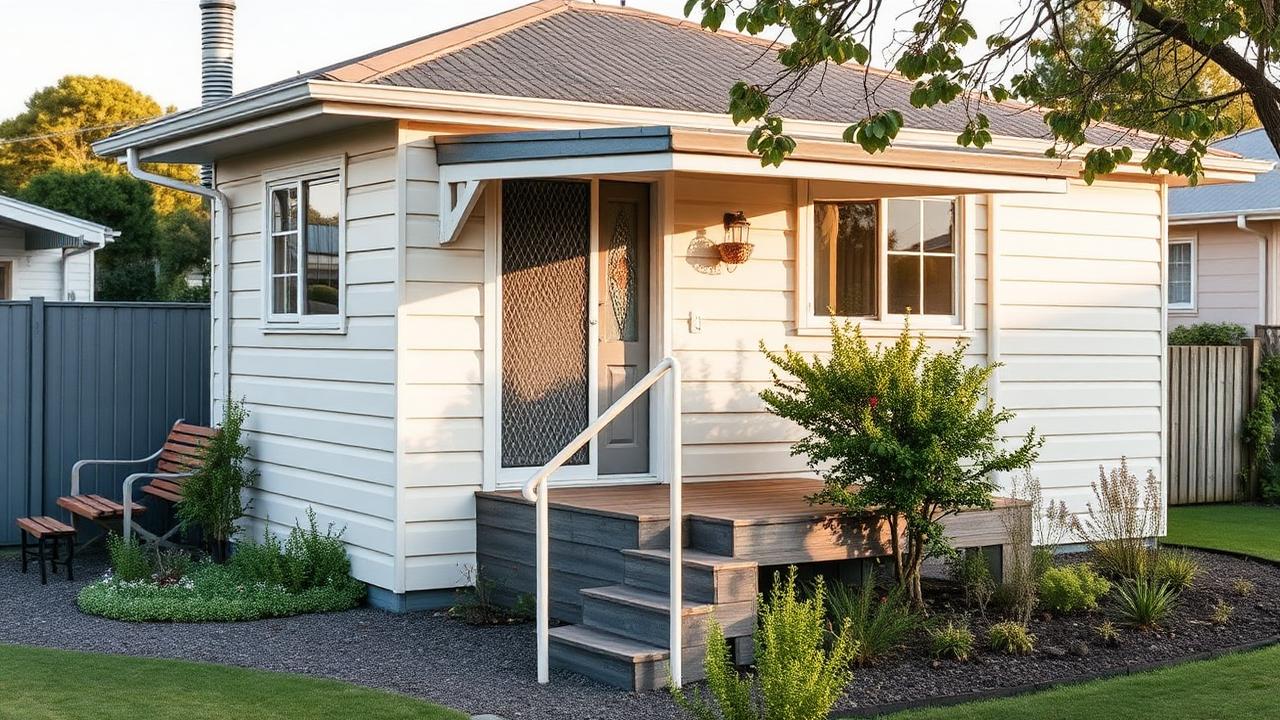
The tiny-home story in New Zealand is usually told as a young person's story — priced out, getting creative, finding a way in. There's another group moving into these homes in quiet numbers, and their reasons are entirely different.
They aren't short of housing. They're carrying too much of it.
The problem with the family home
The four-bedroom house on a full section made complete sense for thirty years. Then the children left, and what remains is a building where most of the rooms are closed, a roof that needs work, rates that climb annually, and a lawn that has quietly become the dominant feature of every weekend.
The obvious answer is to sell and buy something smaller. In practice, "something smaller" in a good area often costs nearly as much as what you're leaving, and moving away from the community, the doctor and the grandchildren isn't a small ask.
A well-built small home offers a third path: less house, lower running costs, and — depending on the plan — the ability to stay on land you already know.
Two different strategies
Downsizers tend to take one of two routes, and they lead to quite different places.
Sell and simplify. Sell the family home, buy or commission a compact home, and free up the difference. The released equity is the point — it becomes retirement income, help for the children, or the travel that never happened. The trade-off is losing the property asset and, potentially, the address.
Stay and shrink. Put a small home on the property, either alongside the existing house or replacing it, and keep the land. Some families do a version of this where the parents move into the compact home and the main house is rented or occupied by an adult child. It keeps the asset and the neighbourhood, at the cost of a more complicated family arrangement.
The appeal isn't a smaller house. It's less house to look after, and the money and time that comes back.
Design for the next twenty years
This is the part worth getting right, and it's where a purpose-built small home beats a converted cabin decisively. The features that matter aren't luxuries — they're the things that determine whether you can stay put.
A level or gently ramped entry with no step. A bathroom you can move around in, with a level-access shower rather than a lip to step over. Doorways wide enough for a walker or a wheelchair if it comes to that. Lever handles rather than knobs. Good, generous lighting, particularly in the kitchen and bathroom. Single storey — a loft bed reached by a ladder is a young person's floorplan.
Because these homes are built in a factory, specifying all of it upfront costs far less than retrofitting any of it later. Ask for it by name.
The honest trade-offs
Storage is the real constraint. Fifty years of accumulated possessions do not fit into thirty square metres, and the process of deciding what goes is emotionally harder than the move itself. Hosting changes shape — Christmas with twelve people around a table isn't happening. And if the plan involves land you don't own, the security of that arrangement deserves proper legal attention.
Set against that, the practical gains are substantial: far less to do on a Saturday, lower running costs, and considerably more money in the account.

Hana Mitchell
Hana has covered housing and small-space design in Aotearoa for over a decade. She founded Tiny Home Weekly to bring proper journalism to a sector Kiwis are increasingly excited about.
Also worth reading
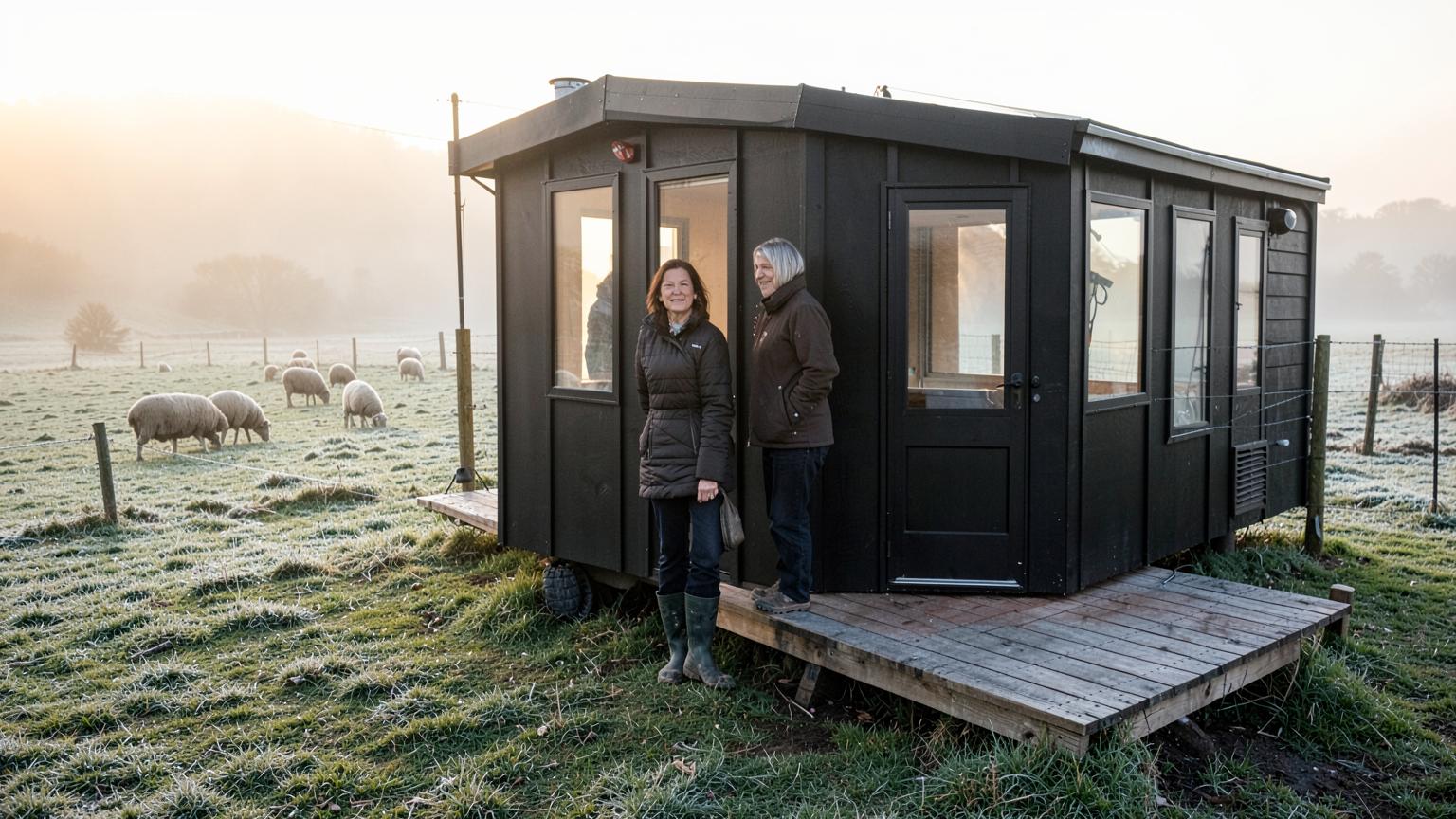
From a Shed to My Own Front Door: One Canterbury Woman's Story
She lost the house, the marriage and her security in a single text message. Six months later she owns her home outright — for $24,500.
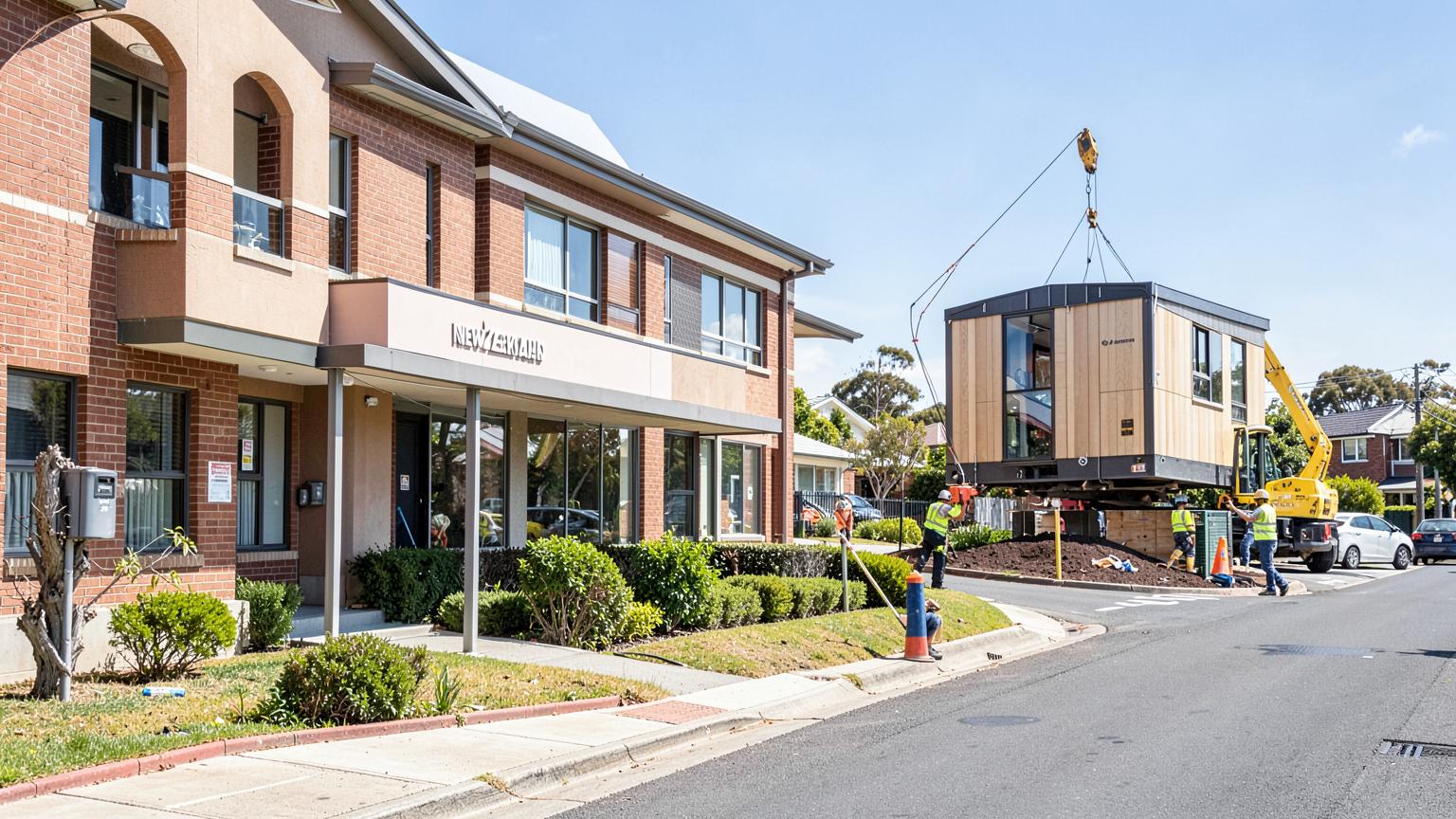
Spring 2026: small-home builds hit a record as the 70m² rule beds in
Nine months after the consent exemption took effect, councils are reporting their busiest spring on record for small stand-alone dwellings — and prefab suppliers are scaling up to meet demand.
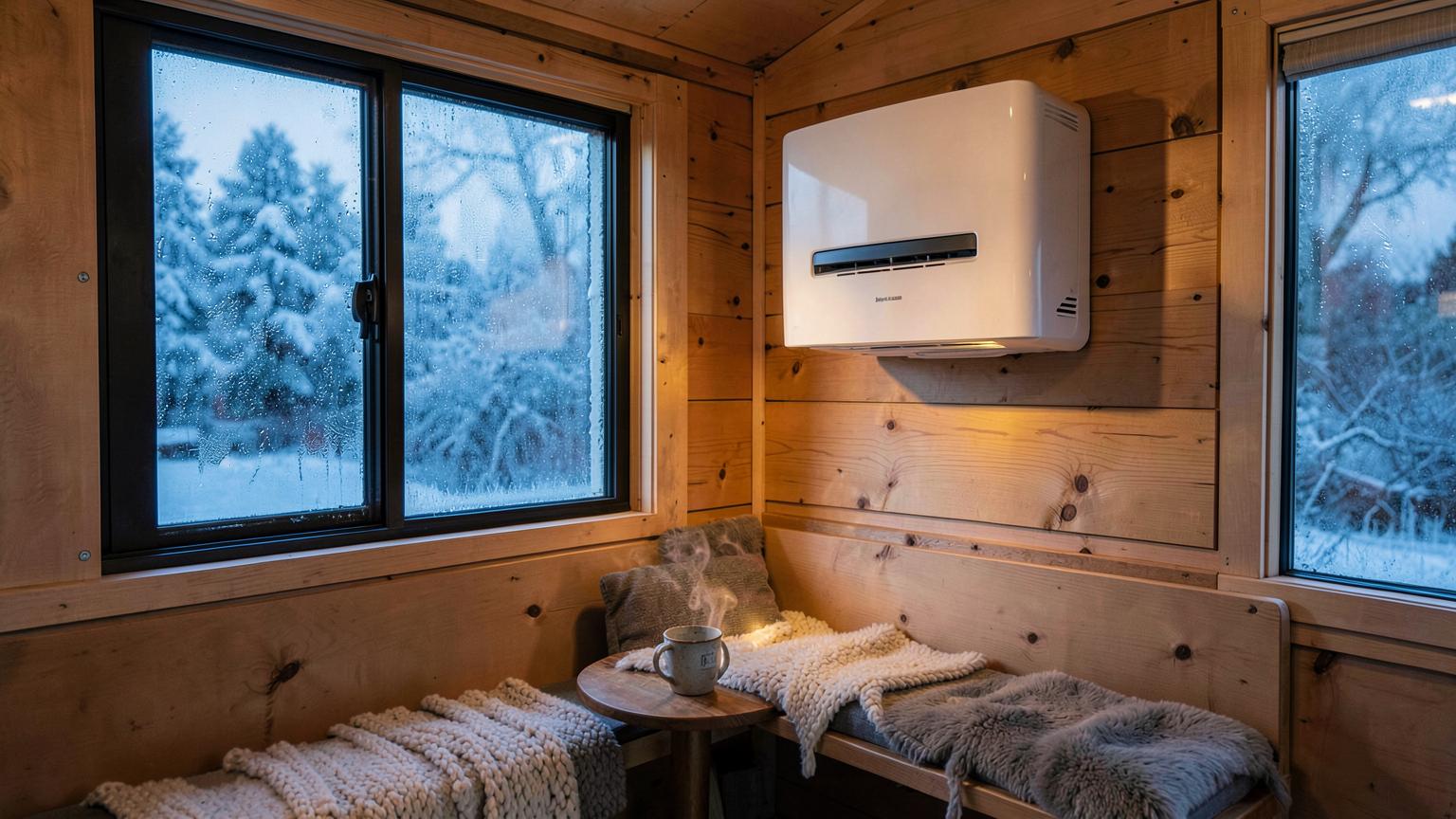
What owners actually paid to heat a small home this winter
We asked small-home owners across the country for their real winter power bills. The results show how far good insulation and a right-sized heat pump go.
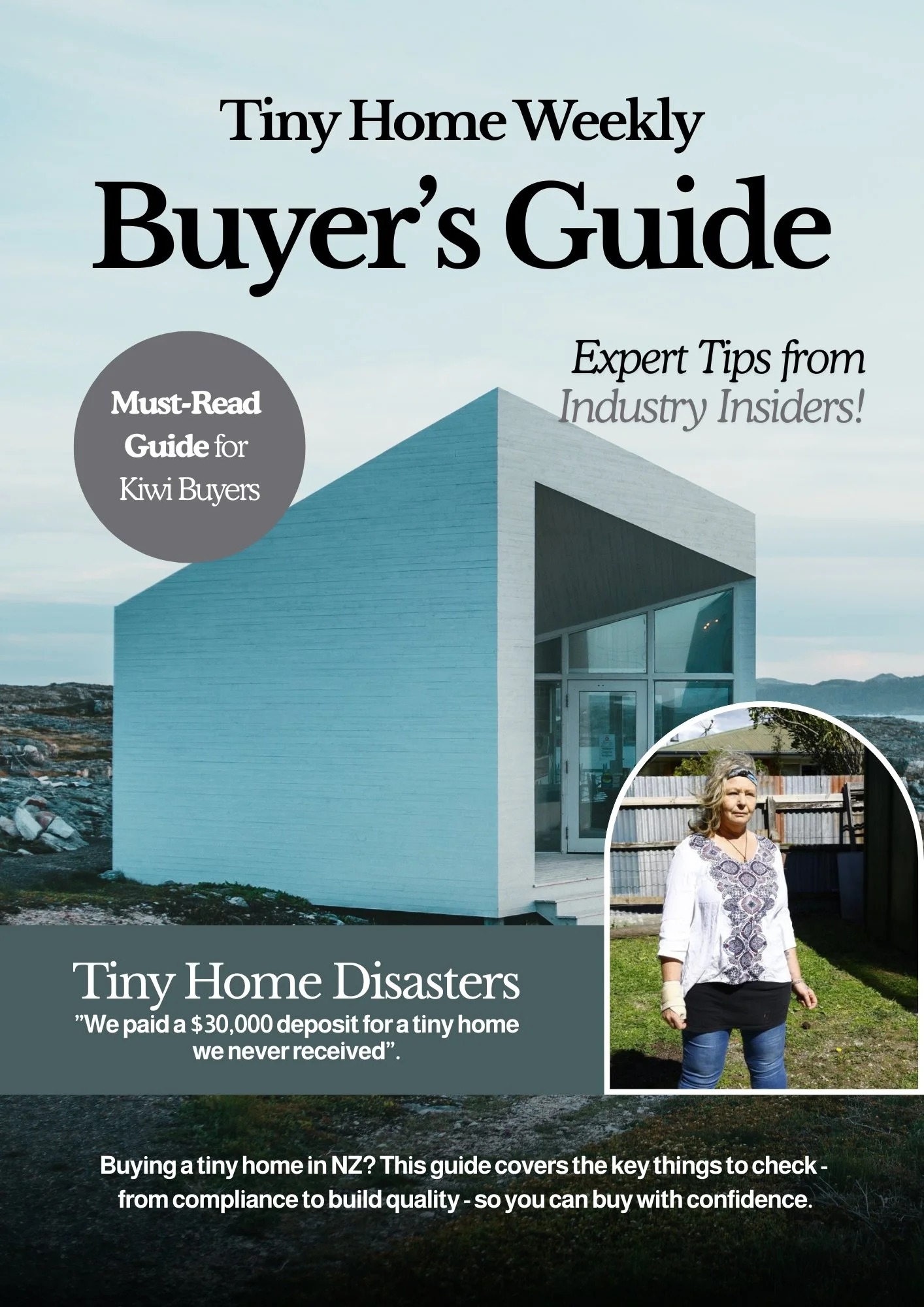
Thinking about a tiny home?
Get our free guide to compare your options — before you spend thousands.
- Expert tips from industry insiders
- Real delivery timelines
- 5 warning signs of a bad prefab seller