What's It Worth Later? Inside New Zealand's Second-Hand Tiny-Home Market
Good used tiny homes sell fast in New Zealand — often within days. What happens to their value over time is a more nuanced story than either the boosters or the sceptics admit.
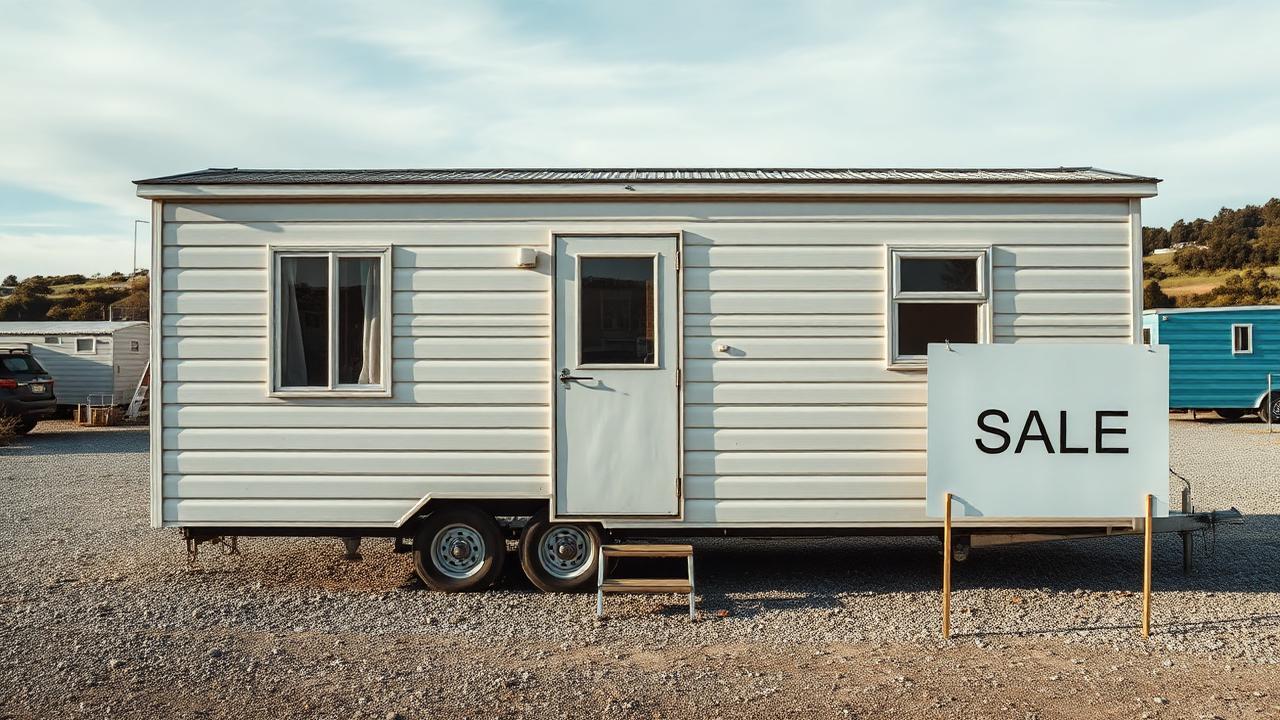
There's a persistent argument that tiny homes are a poor investment because they depreciate like vehicles. There's an equally persistent counter-argument that they hold value beautifully because demand outstrips supply. Both camps are describing something real, and the difference between them comes down to a single question: is the home attached to land?
Two different assets wearing the same name
A small dwelling permanently fixed to land you own behaves, broadly, like part of that property. Its value moves with the land beneath it, and a well-built minor dwelling that adds a usable bedroom and bathroom to a section generally adds value to the whole.
A home on wheels or skids, sold separately from any land, is a standalone asset. Its value depends on build quality, condition, specification and how much someone wants one right now — the same forces that price a good caravan or a boat, not the forces that price a house.
Neither is inherently better. They're different purchases, and the mistake is assuming you're making one when you're making the other.
Why used units move so quickly
Good second-hand tiny homes tend to sell quickly, sometimes within days of listing. [VERIFY] The reason is straightforward: demand from people priced out of conventional housing is strong, and supply of well-built used units is thin, because people who own good ones tend to keep them.
For buyers, that has two consequences. You need to be ready to move quickly, with finance sorted and an inspection plan in place. And you should be suspicious of anything that has sat unsold for months in a market this tight — there's usually a reason.
The market prices build quality ruthlessly. A well-made home holds its value. A cheap one tells on itself within a few winters.
What actually holds value
A handful of factors do most of the work in a private sale. Genuine build quality — proper framing, good insulation, double glazing — reads clearly to a second buyer. Documentation matters enormously: a build file with specifications, an electrical certificate, and a service history transforms a private sale from a gamble into a transaction. Condition of the weathertight envelope and any sign of past moisture problems will make or break a sale. And a sensible, liveable layout beats a novel one; clever ideas that only suited the original owner narrow the buyer pool.
Conversely, the things that destroy resale value are predictable: water damage, undocumented DIY electrical work, and a build so cheap that its problems have surfaced.
Buying used, sensibly
Get an independent inspection from someone who understands small builds, not just a general house inspector. Ask for the original build documentation. Check the trailer or chassis if there is one. And be realistic about transport — moving your bargain across the island is a real cost that should be in your offer.
The second-hand market is one of the genuinely encouraging things about tiny living in New Zealand. It's proof the category has depth: people want these homes enough to buy them from each other.

Hana Mitchell
Hana has covered housing and small-space design in Aotearoa for over a decade. She founded Tiny Home Weekly to bring proper journalism to a sector Kiwis are increasingly excited about.
Also worth reading
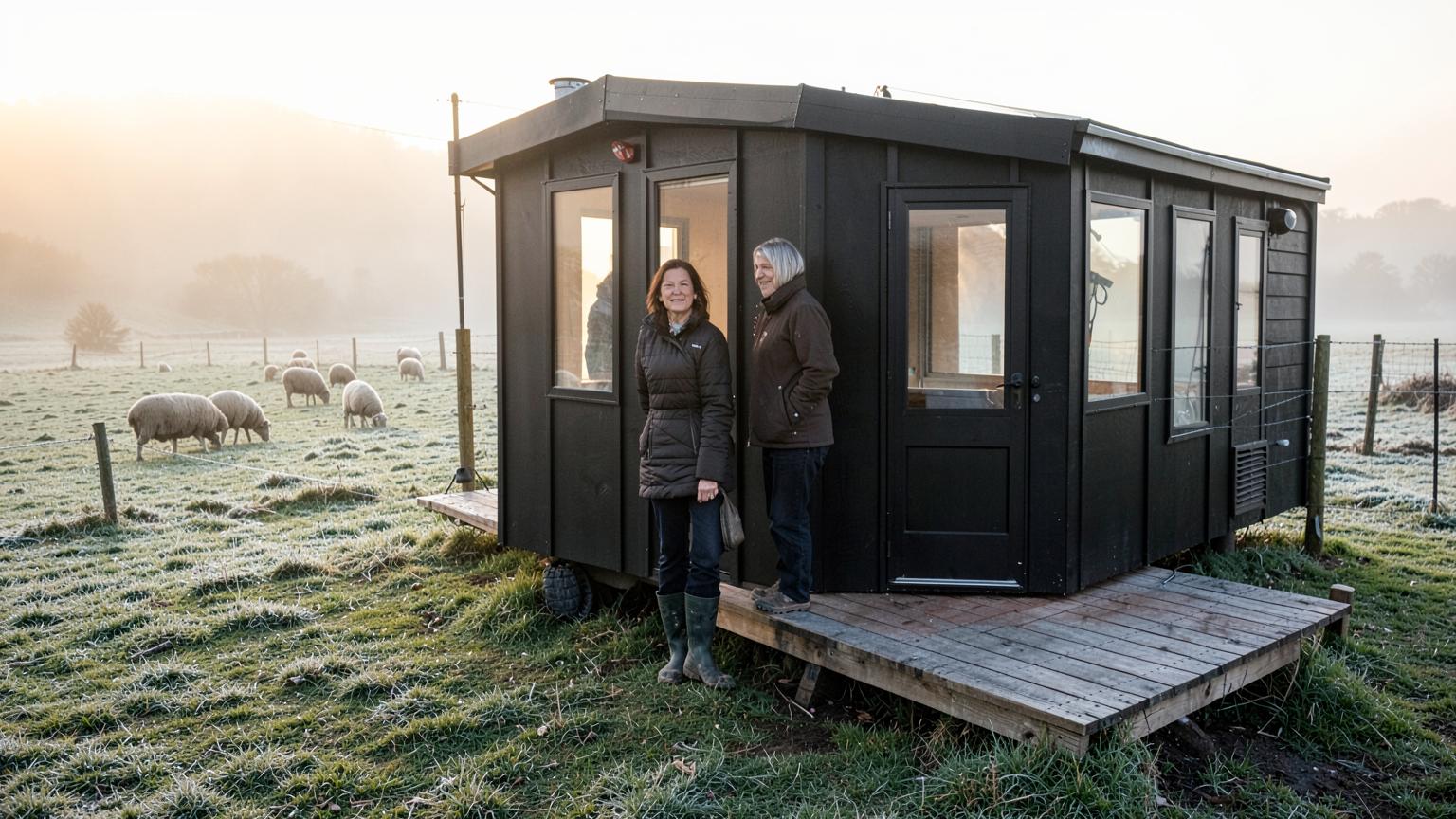
From a Shed to My Own Front Door: One Canterbury Woman's Story
She lost the house, the marriage and her security in a single text message. Six months later she owns her home outright — for $24,500.
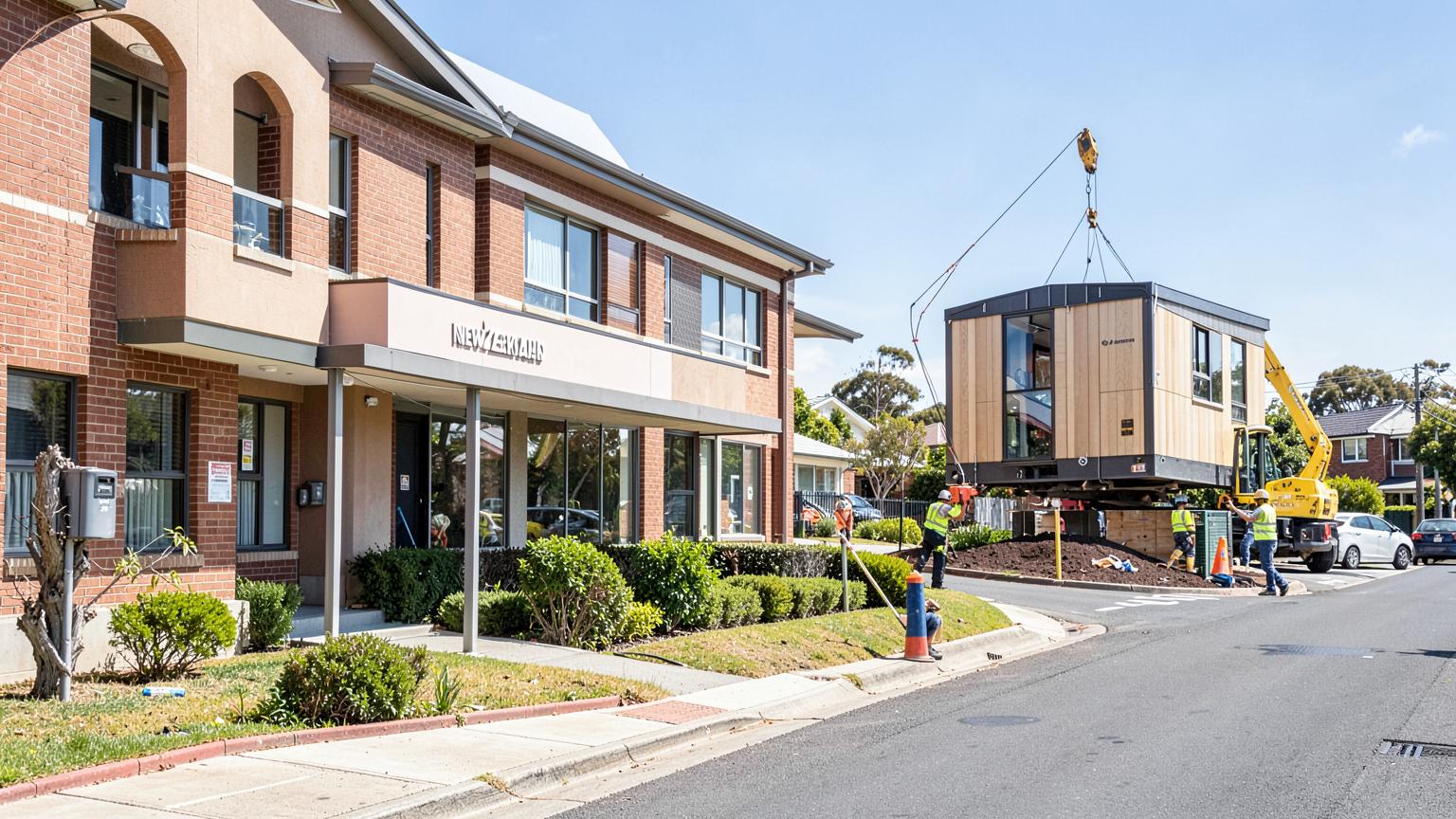
Spring 2026: small-home builds hit a record as the 70m² rule beds in
Nine months after the consent exemption took effect, councils are reporting their busiest spring on record for small stand-alone dwellings — and prefab suppliers are scaling up to meet demand.
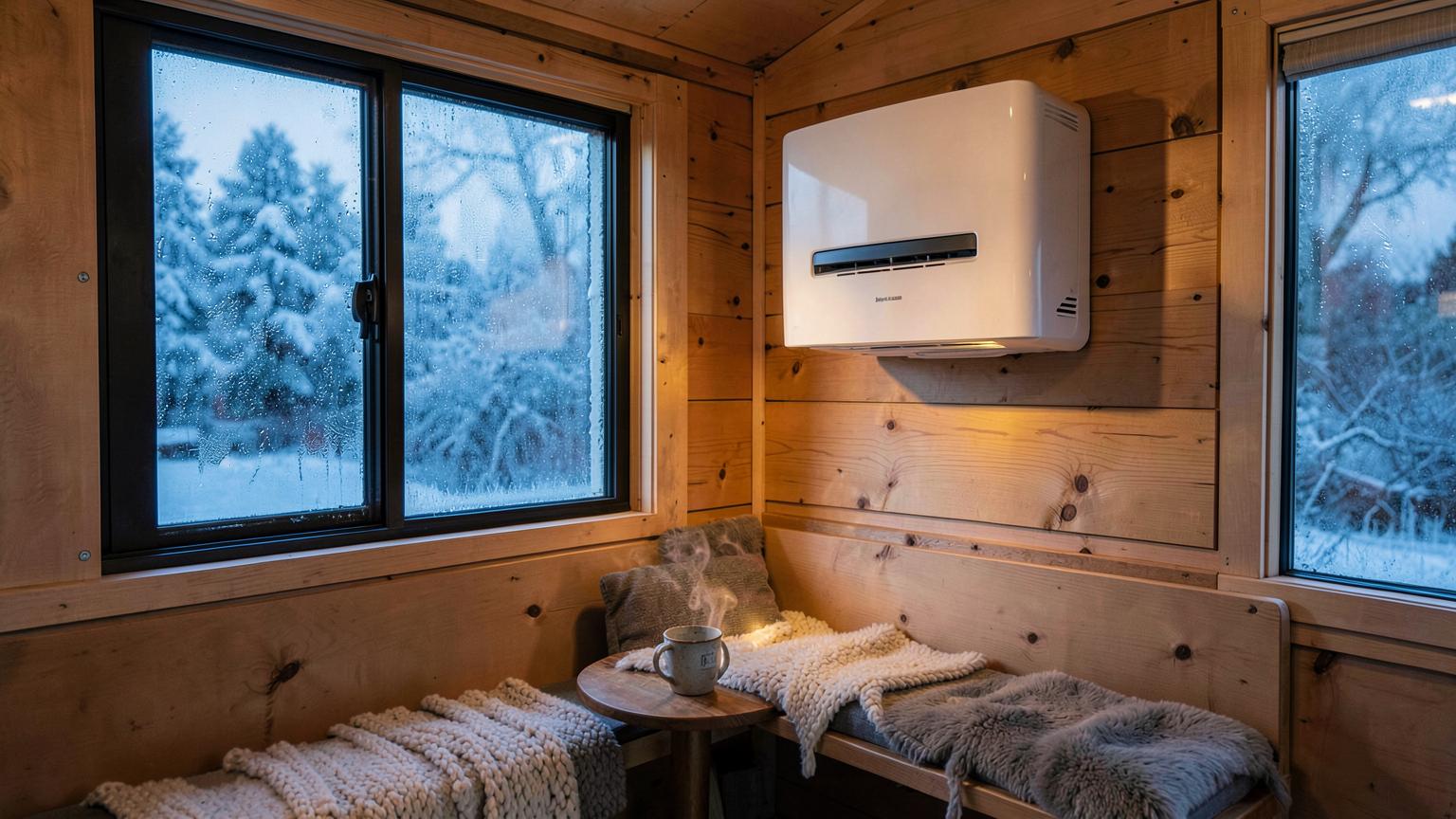
What owners actually paid to heat a small home this winter
We asked small-home owners across the country for their real winter power bills. The results show how far good insulation and a right-sized heat pump go.
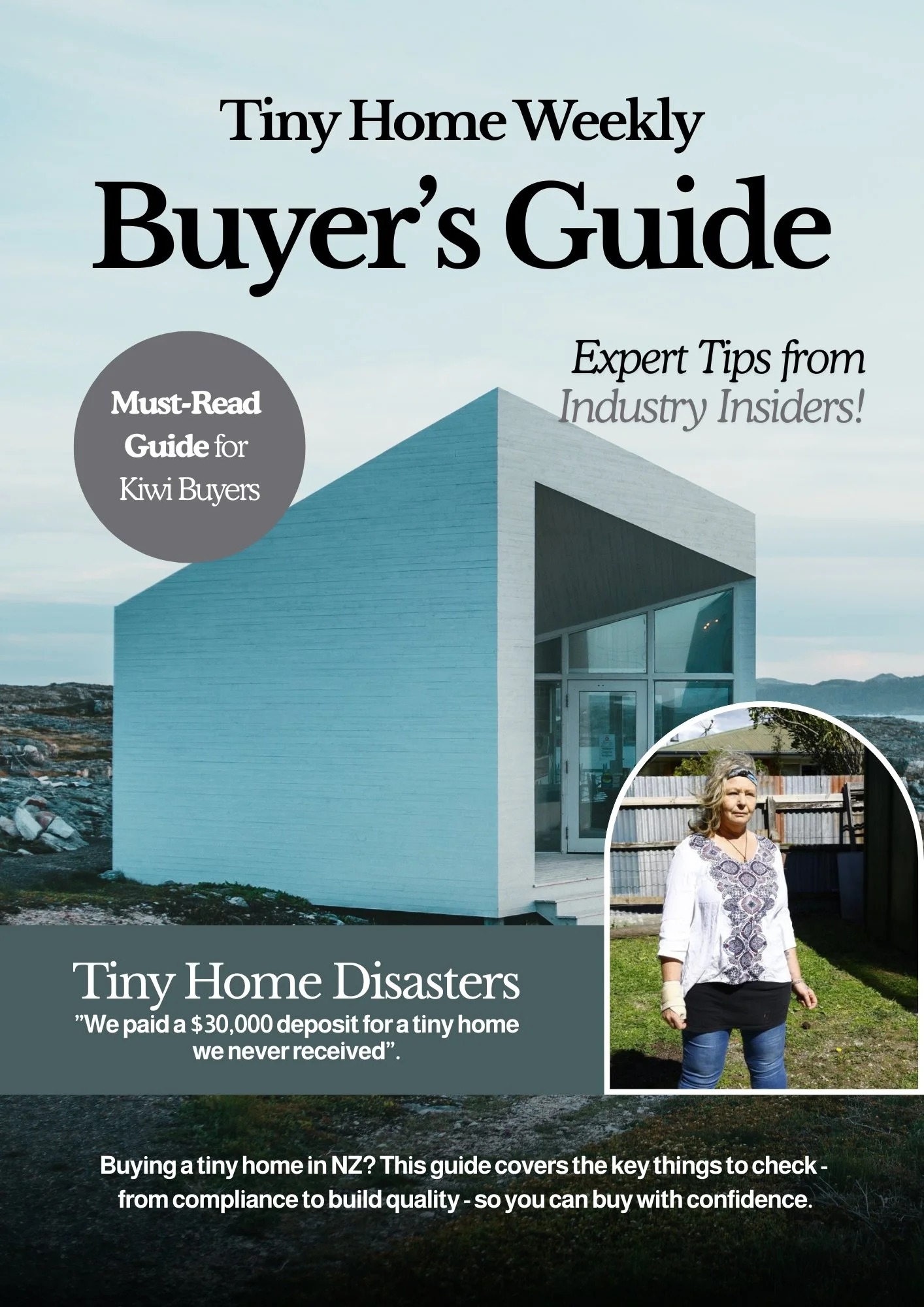
Thinking about a tiny home?
Get our free guide to compare your options — before you spend thousands.
- Expert tips from industry insiders
- Real delivery timelines
- 5 warning signs of a bad prefab seller