The Second Dwelling That Pays for Itself: Short-Stay Income, Realistically
A small home in the back garden earning short-stay income is one of the more attractive numbers in the sector. It's also a business, and the brochures tend to leave that part out.
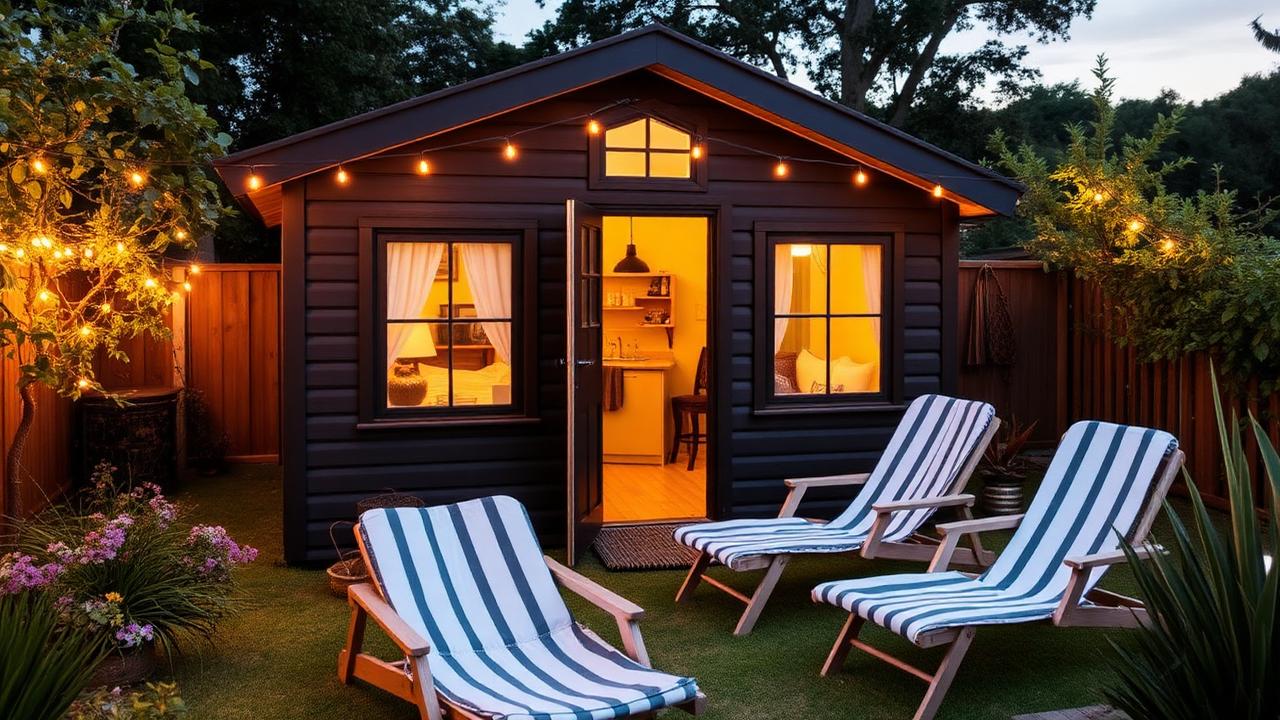
The pitch is appealing enough that a lot of people arrive at tiny homes through it: put a compact dwelling on land you already own, let it to short-stay guests, and let the guests cover the cost of the build.
It genuinely works for a lot of hosts. It works considerably better for the ones who went in understanding they were starting a small hospitality business rather than acquiring a passive asset.
Why small dwellings do well as short-stay
A standalone compact home is close to the ideal short-stay product. Guests get their own front door, privacy and no shared hallway — a meaningfully better proposition than a room in someone's house, and often better value than a motel.
There's a novelty premium too. A well-designed small home is something people actively want to stay in, particularly with a view, a deck and some distance from the neighbours. Hosts with distinctive, well-photographed cabins in good locations do notably better than the specification alone would suggest.
And the flexibility is real: the same building can host guests this year, house a family member next year, and be a rental after that. Few investments in the sector are that adaptable.
The numbers, honestly
This is where enthusiasm outruns arithmetic. The figure that matters isn't the nightly rate — it's what's left after everything.
Occupancy is the first reality check. Almost nowhere in New Zealand is full year-round, and seasonality is severe in most of the places people want to stay. A strong summer can be followed by a very quiet winter, and the annual average is the only number worth planning around. [VERIFY]
Then the deductions: platform commission, cleaning between stays, linen, consumables, power and water, wifi, insurance appropriate to short-stay use, maintenance running faster than in a private home, and your own time or a manager's fee. Local council rates or charges may differ for short-stay use — worth checking for your area. Tax treatment matters too, and it's worth getting advice specific to your situation rather than assuming.
The nightly rate is the number people quote. The annual figure after costs, cleaning and a quiet winter is the number that matters.
It's a business, and it behaves like one
The workload is the usual surprise. Guest communication runs at all hours. Changeovers are a physical job on a schedule. Reviews require consistency, and a single bad experience is disproportionately expensive. Someone has to deal with the broken shower on a Sunday.
Paying a manager solves much of this and takes a share of the return, which is a legitimate trade — but it needs to be in the model from the start, not discovered later.
What lifts a listing
A few things separate a strong listing from a mediocre one: genuine privacy from the main house, a proper outdoor space, excellent photography, warmth and quiet as non-negotiables, and one distinctive feature — a view, an outdoor bath, a location — that gives people a reason to choose it.
Done well, a small second dwelling can be one of the better uses of a back section in New Zealand. Just cost it as a business, and you'll be pleased rather than surprised.

Hana Mitchell
Hana has covered housing and small-space design in Aotearoa for over a decade. She founded Tiny Home Weekly to bring proper journalism to a sector Kiwis are increasingly excited about.
Also worth reading
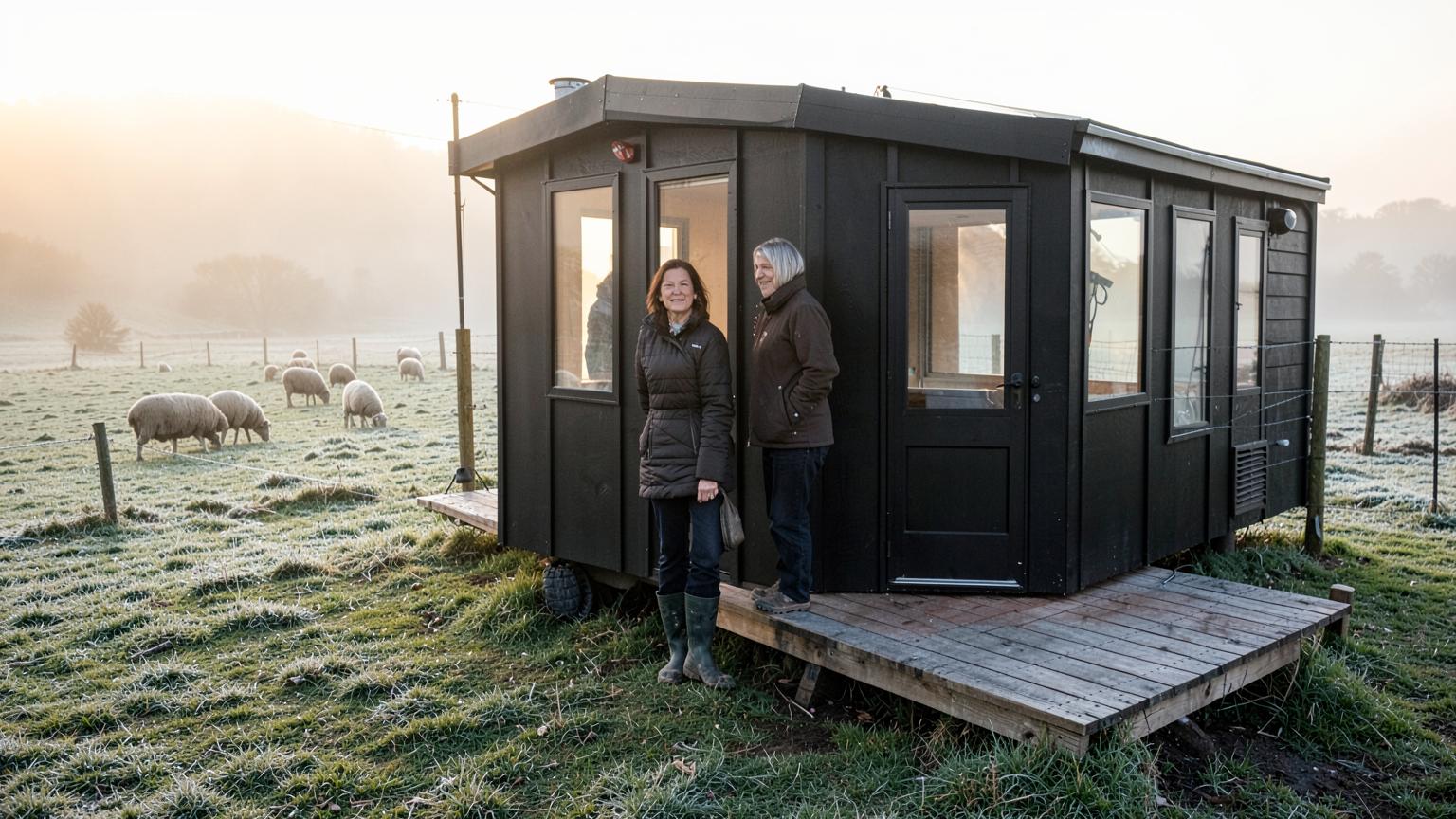
From a Shed to My Own Front Door: One Canterbury Woman's Story
She lost the house, the marriage and her security in a single text message. Six months later she owns her home outright — for $24,500.
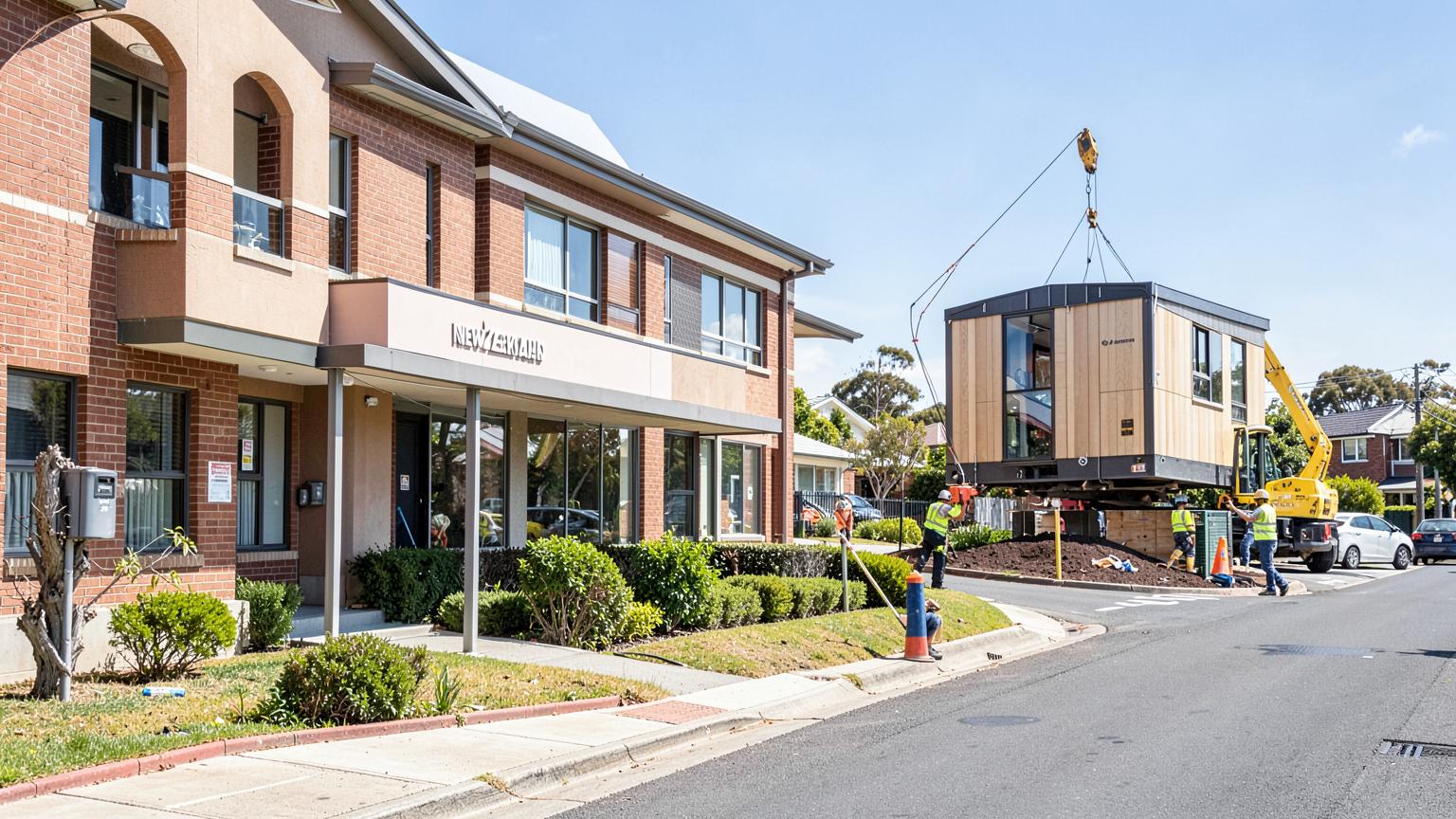
Spring 2026: small-home builds hit a record as the 70m² rule beds in
Nine months after the consent exemption took effect, councils are reporting their busiest spring on record for small stand-alone dwellings — and prefab suppliers are scaling up to meet demand.
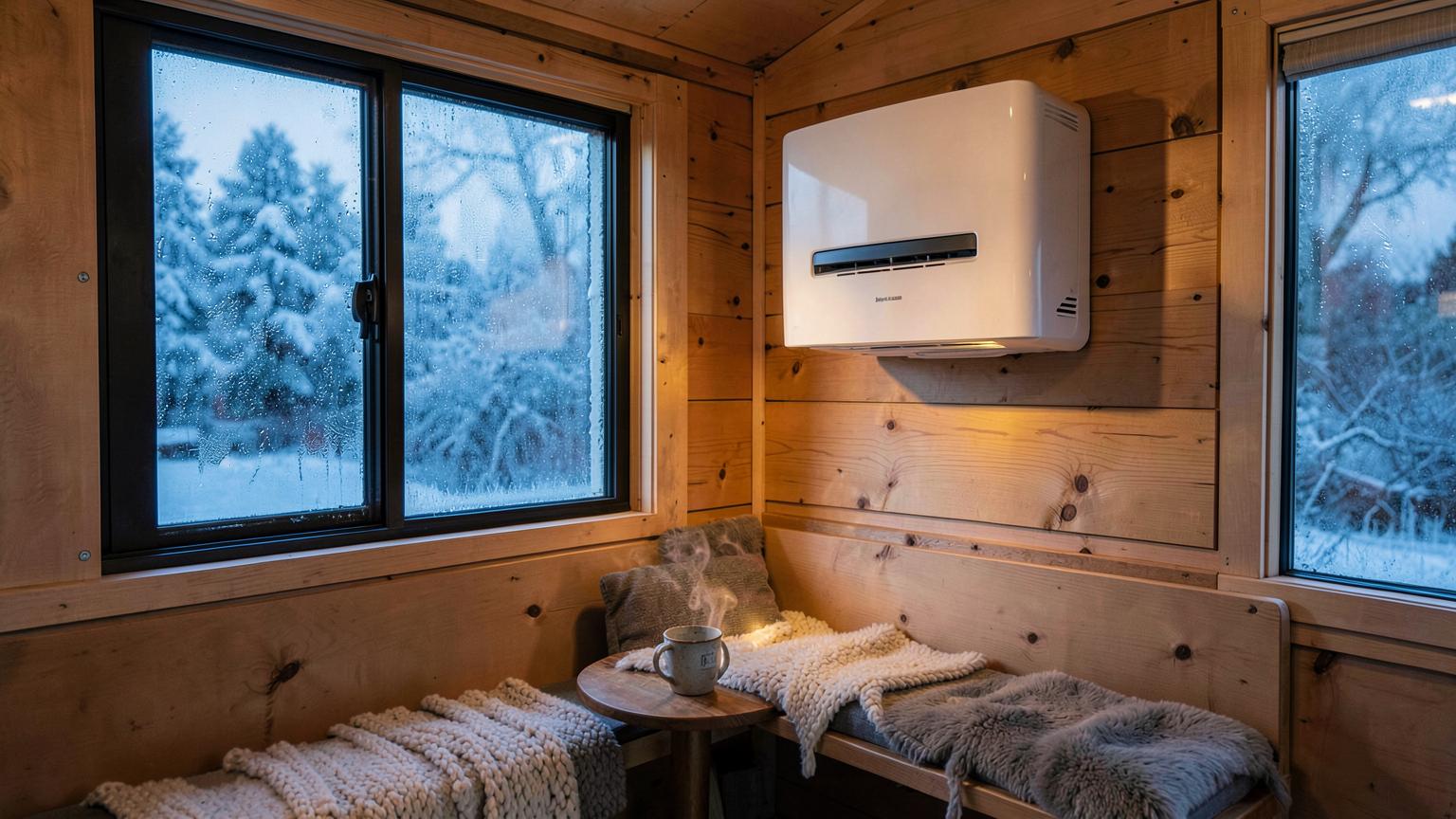
What owners actually paid to heat a small home this winter
We asked small-home owners across the country for their real winter power bills. The results show how far good insulation and a right-sized heat pump go.

Thinking about a tiny home?
Get our free guide to compare your options — before you spend thousands.
- Expert tips from industry insiders
- Real delivery timelines
- 5 warning signs of a bad prefab seller