Thirty Square Metres, Done Beautifully: Small-Space Design in 2026
Small-home interiors have moved on from the fold-everything-away gymnastics of a decade ago. The current thinking is calmer, more built-in, and considerably more liveable.
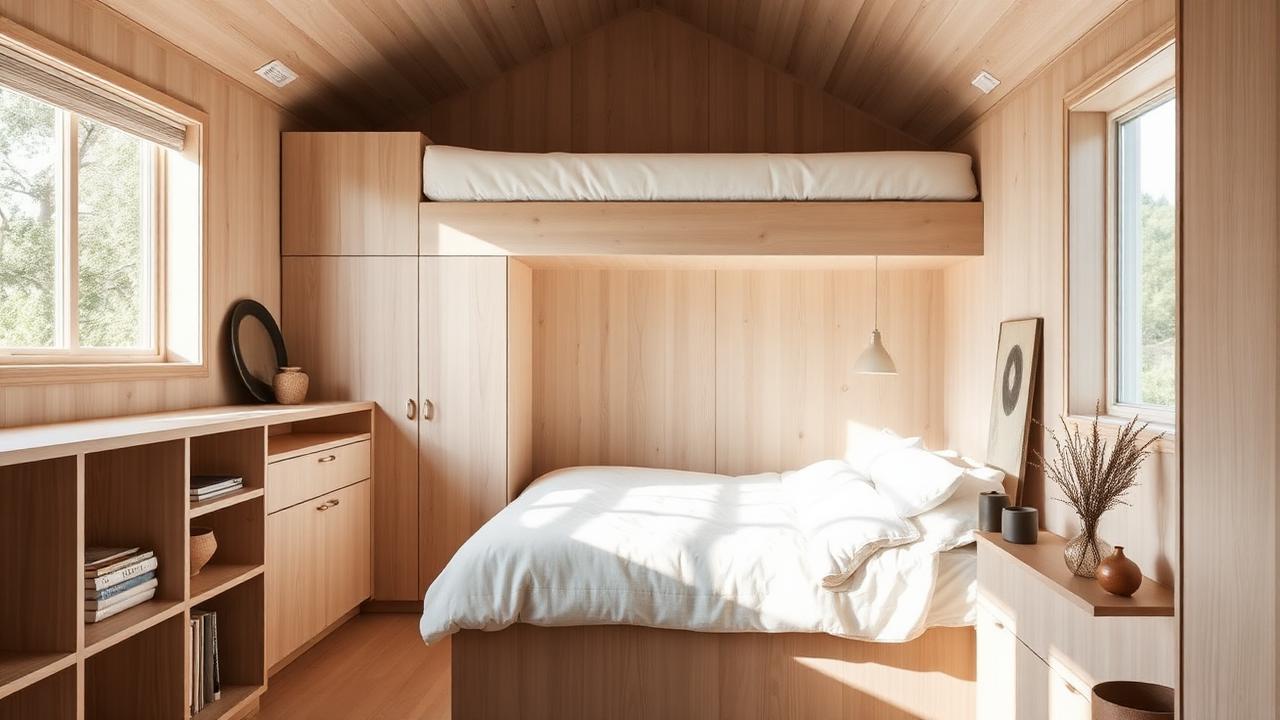
The early tiny-home aesthetic was defined by cleverness. Tables that vanished into walls, stairs that became drawers, beds that lowered from ceilings. It photographed brilliantly and, for a lot of owners, was exhausting to live in — a home where every action requires a transformation is a home you get tired of.
The design direction now is quieter and more confident, and it's producing better places to live.
Fewer transformations, better fixtures
The dominant shift is away from convertible furniture and toward well-designed built-in elements that don't move.
A single generous fixed dining table that also serves as a desk beats a fold-down one you resent unfolding. Deep drawers under a fixed bed beat a bed that lifts. A properly designed seat with storage underneath beats a sofa bed used nightly. The principle is that things you do every day shouldn't require a manoeuvre; things you do occasionally can.
The other quiet victory is the loft's retreat. Ladder-accessed sleeping lofts are appearing less often in homes designed for permanent living, particularly for older owners, in favour of a ground-level bedroom even at the cost of floor area elsewhere — a trade most owners of permanent small homes would make again.
The clever tiny home photographs well. The calm one is the one people are still happy in after three years.
Light, and the illusion of space
Small homes live or die on natural light, and the current approach is fewer, larger, better-placed openings rather than many small ones. A single well-positioned large window that frames a view does more for a room than three modest ones, and it gives you usable wall elsewhere.
Two details recur in the homes that feel bigger than they are. Sightlines: an unbroken view from the entry through to a window at the far end makes a small space read as generous. And the connection to outside — a deck at floor level continuing the interior line — effectively borrows the garden as a room. In a New Zealand climate that's usable for a good part of the year.
Materials warming up
The stark white minimalism of the last decade has softened. Timber-lined walls and ceilings, warm neutrals over cool greys, and natural textures — wool, linen, unfinished timber — are doing better in small spaces, partly because they photograph less coldly and mostly because they feel better to be in.
Practically, timber lining has an advantage beyond looks: it's more forgiving of the knocks a small home inevitably takes than painted plasterboard, and it ages into something rather than just getting scuffed.
Storage, honestly
Every small-home owner's advice converges here. Vertical space is underused: full-height storage to the ceiling adds capacity without touching the footprint. Under-bed, under-seat and stair-integrated storage genuinely works. And the single most effective storage intervention is owning less — which is uncomfortable advice, and true.
The through-line in all of it is a shift in ambition: from proving what's possible in a small space to making a small space genuinely pleasant. That's a better goal, and the homes coming out of it are better homes.

Hana Mitchell
Hana has covered housing and small-space design in Aotearoa for over a decade. She founded Tiny Home Weekly to bring proper journalism to a sector Kiwis are increasingly excited about.
Also worth reading
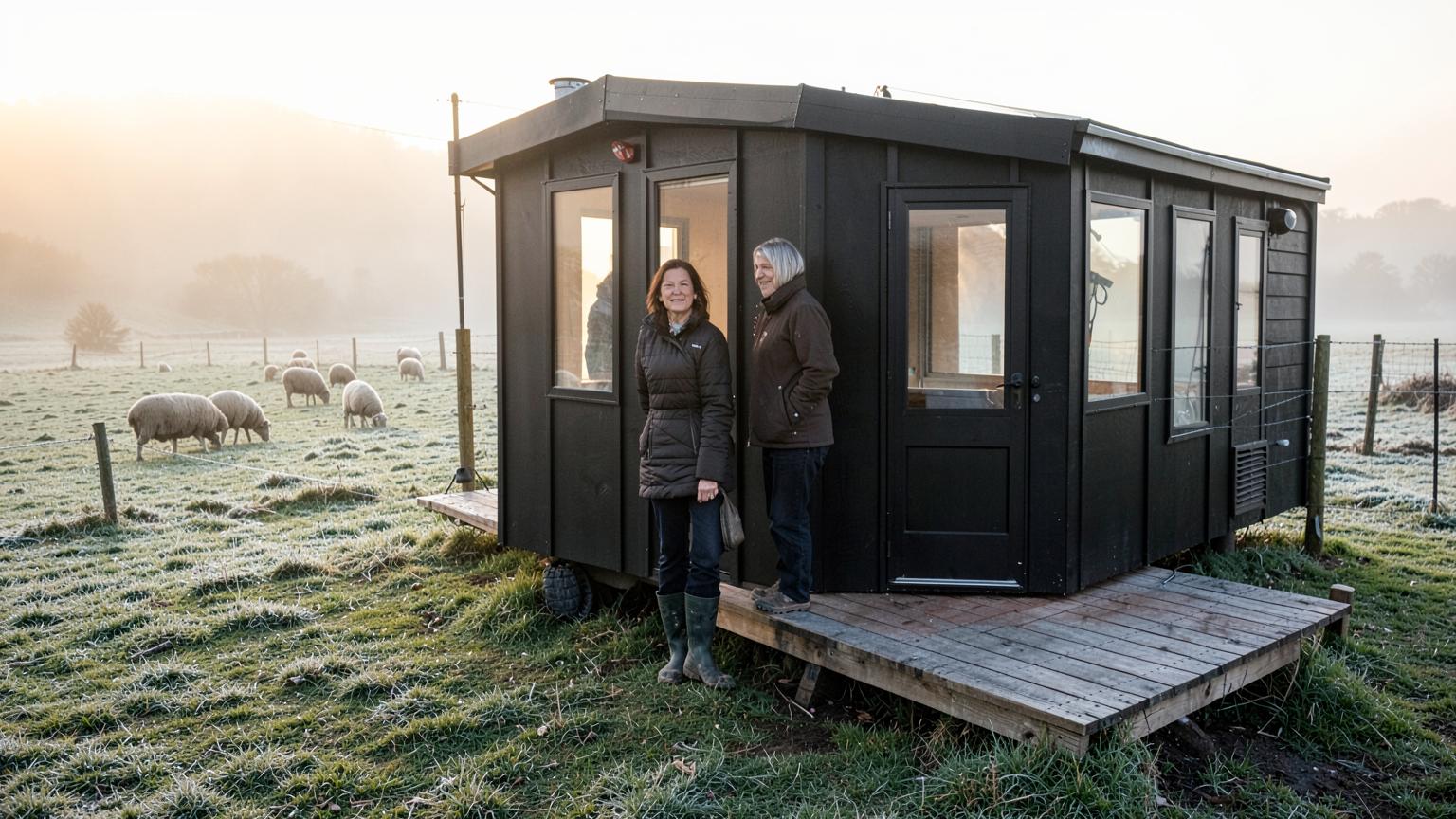
From a Shed to My Own Front Door: One Canterbury Woman's Story
She lost the house, the marriage and her security in a single text message. Six months later she owns her home outright — for $24,500.
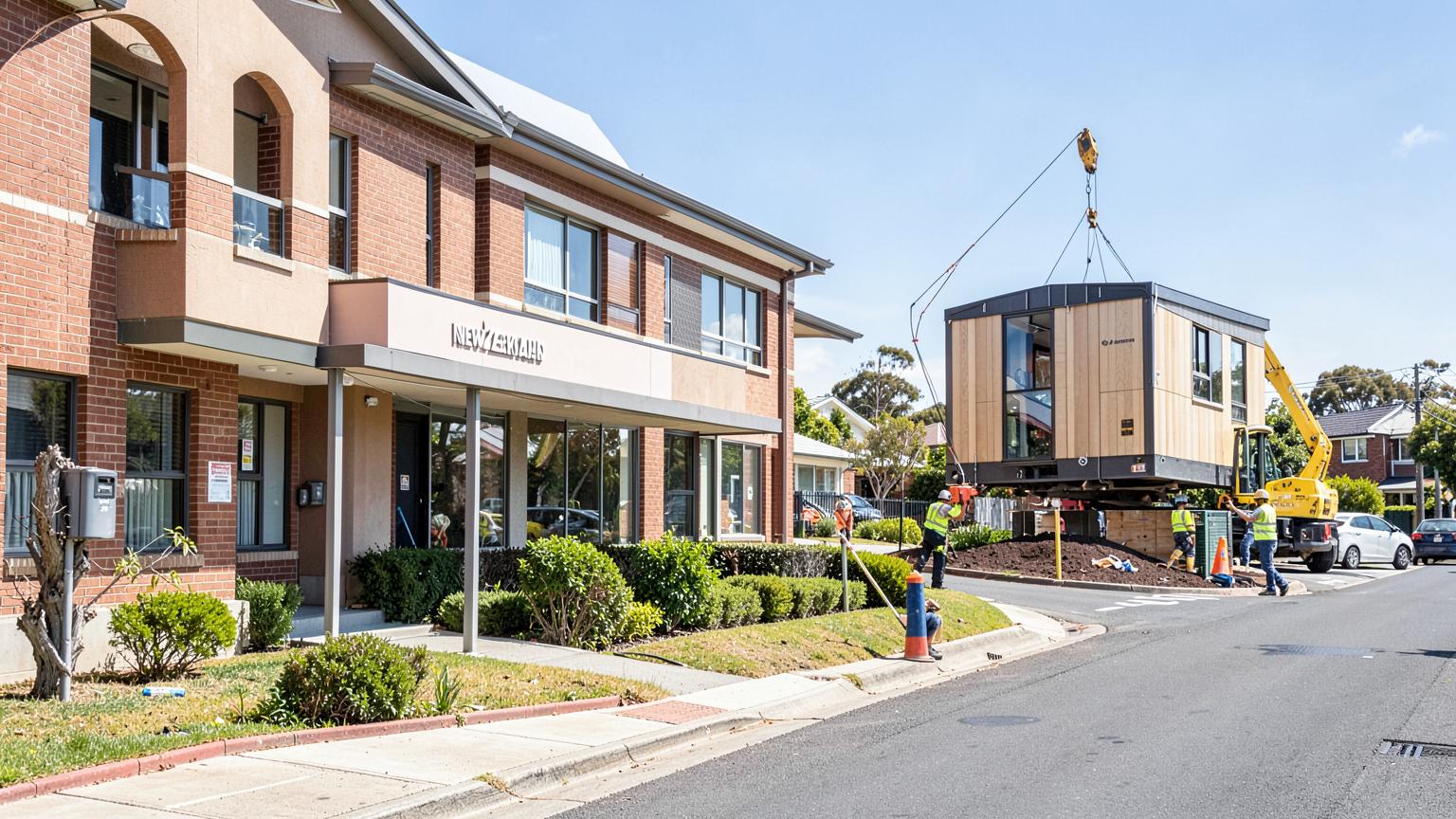
Spring 2026: small-home builds hit a record as the 70m² rule beds in
Nine months after the consent exemption took effect, councils are reporting their busiest spring on record for small stand-alone dwellings — and prefab suppliers are scaling up to meet demand.
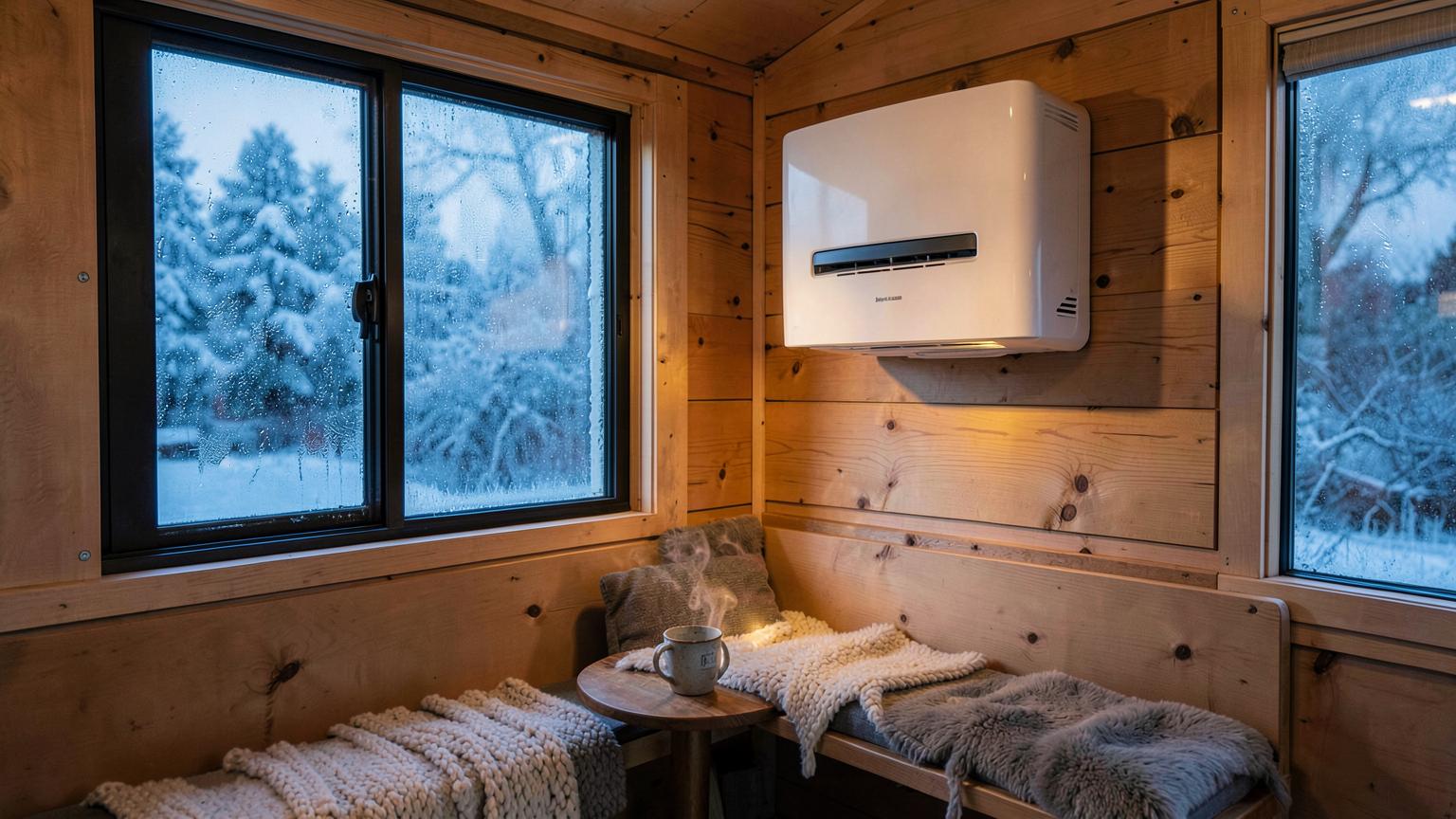
What owners actually paid to heat a small home this winter
We asked small-home owners across the country for their real winter power bills. The results show how far good insulation and a right-sized heat pump go.

Thinking about a tiny home?
Get our free guide to compare your options — before you spend thousands.
- Expert tips from industry insiders
- Real delivery timelines
- 5 warning signs of a bad prefab seller