Spring order books are filling: what lead times look like heading into summer
Factories are quoting later start dates than they were in autumn. If you want a home on the ground before Christmas, this is the month the decision gets made.

Every year the same thing happens in the New Zealand prefab sector: enquiries climb through August, deposits land in September, and by October the good builders are quoting into the new year. This year is running to form.
Why spring is the pinch point
Factory building smooths out most weather risk, but site work does not. Piling, drainage and craneage all go better on dry ground, so buyers naturally aim for late spring and summer placement. That concentrates demand into a narrow window on both the factory floor and the contractor calendar.
The practical effect is that a build slot booked in August is a genuinely different proposition from the same slot chased in October, even at the same price.
What to lock in before you pay a deposit
- A written build start date and expected completion window.
- The milestone payment schedule, tied to identifiable stages.
- Whether the price is fixed or subject to material cost movement.
- Who books transport and craneage, and when.
- What happens to your date if a prior job overruns.
A builder who answers all five in writing is telling you something useful about how the rest of the project will run.
The good news for buyers
Supply across the sector is deeper than it was a few years ago. There are more established builders, more spec units available for quicker delivery, and more suppliers willing to quote a firm date. Buyers who start the conversation now have real choice rather than whoever happens to have capacity.
If a home on the ground before Christmas matters to you, the sequence is simple: settle the site questions this month, compare two or three full quotes including delivery, and put the deposit against a date rather than a promise.

Hana Mitchell
Hana has covered housing and small-space design in Aotearoa for over a decade. She founded Tiny Home Weekly to bring proper journalism to a sector Kiwis are increasingly excited about.
Also worth reading
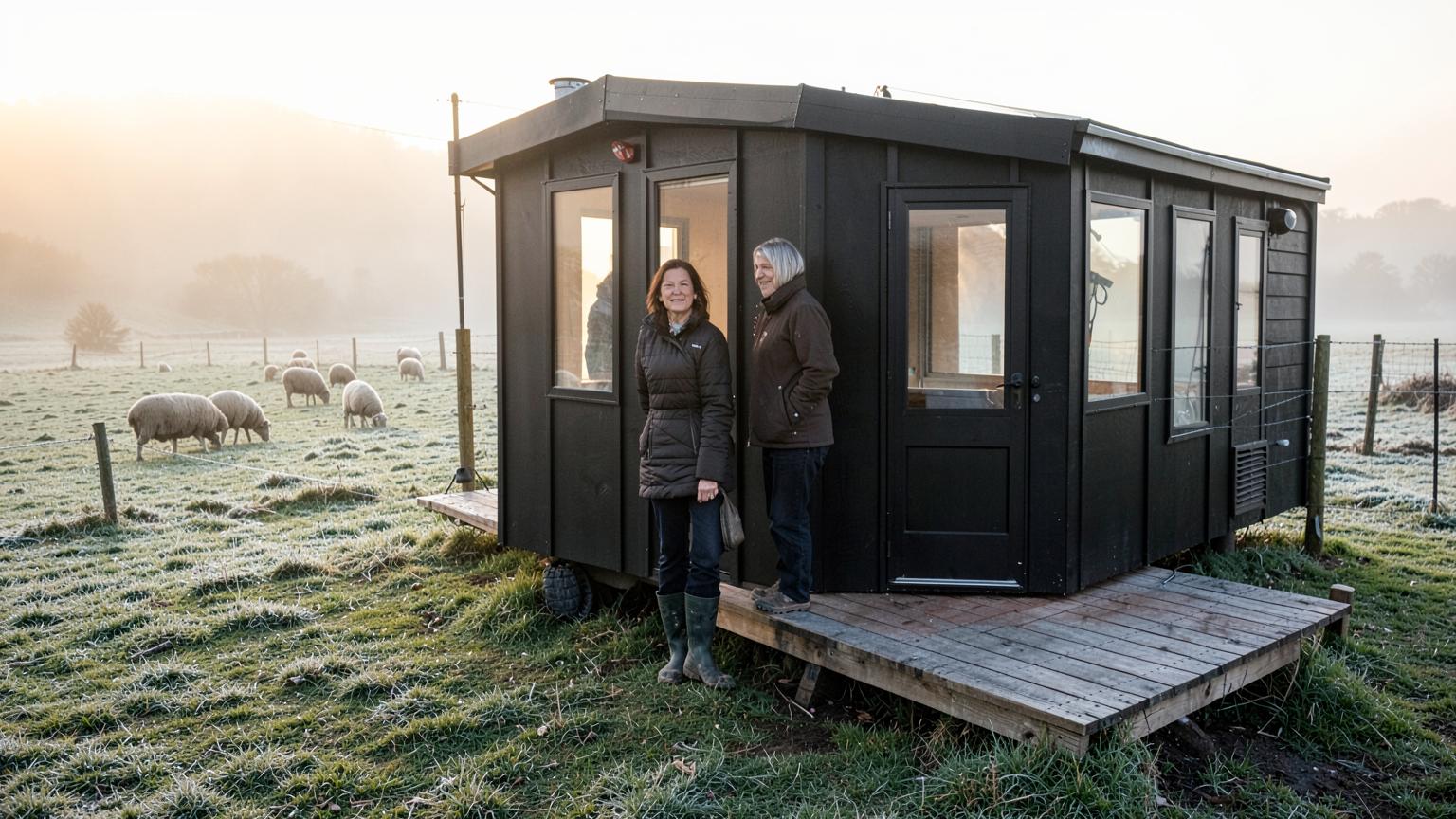
From a Shed to My Own Front Door: One Canterbury Woman's Story
She lost the house, the marriage and her security in a single text message. Six months later she owns her home outright — for $24,500.
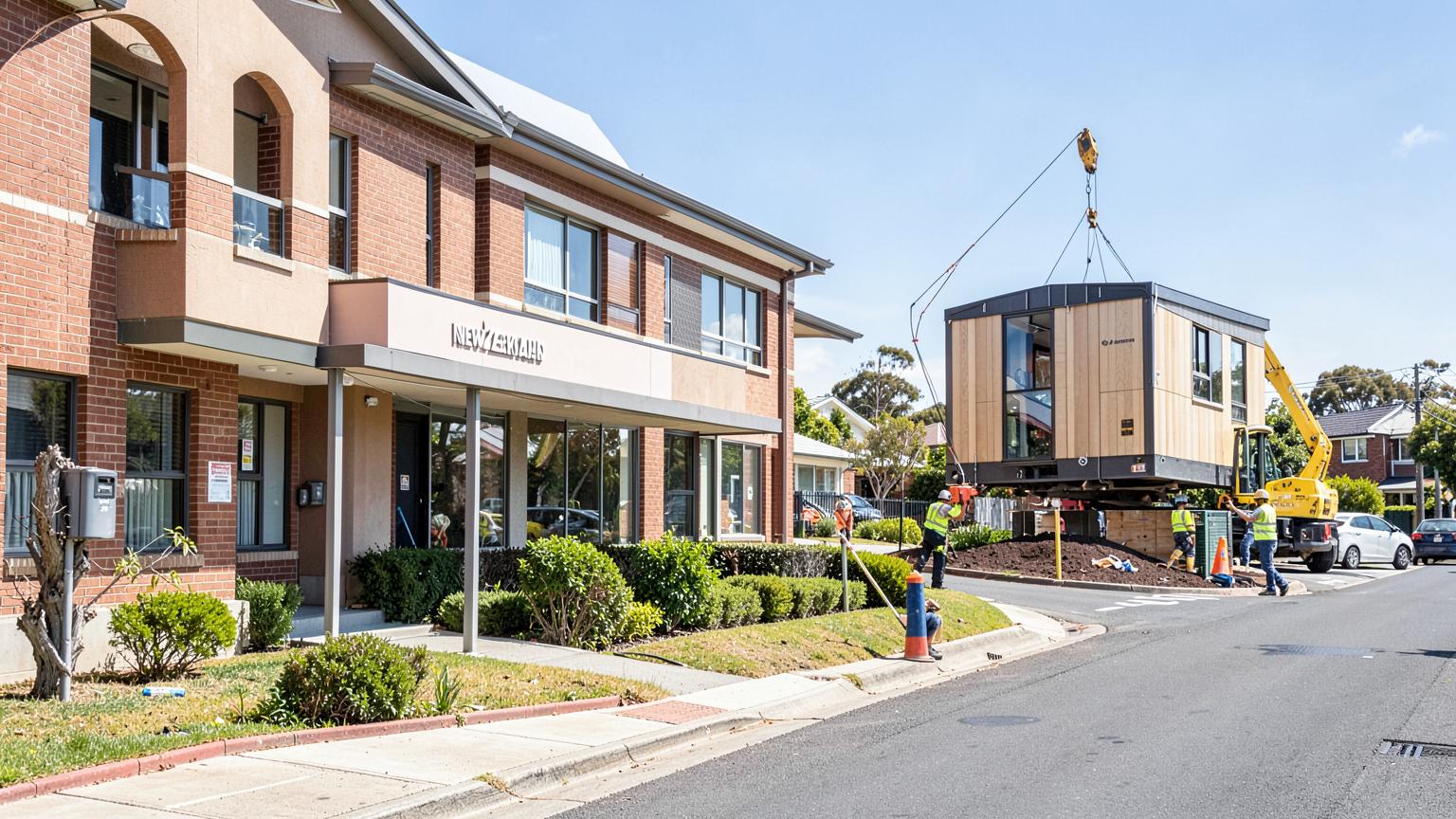
Spring 2026: small-home builds hit a record as the 70m² rule beds in
Nine months after the consent exemption took effect, councils are reporting their busiest spring on record for small stand-alone dwellings — and prefab suppliers are scaling up to meet demand.
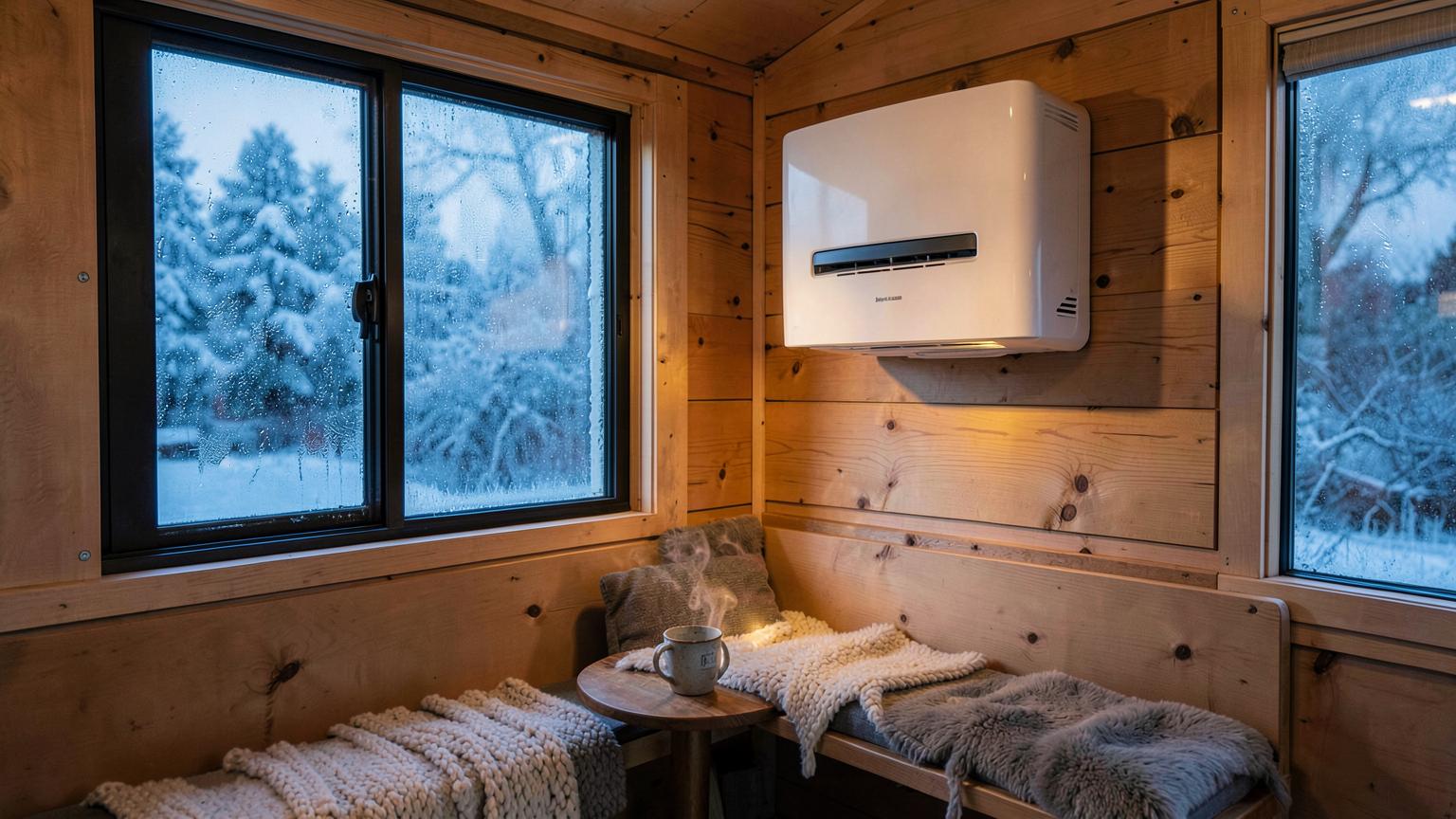
What owners actually paid to heat a small home this winter
We asked small-home owners across the country for their real winter power bills. The results show how far good insulation and a right-sized heat pump go.

Thinking about a tiny home?
Get our free guide to compare your options — before you spend thousands.
- Expert tips from industry insiders
- Real delivery timelines
- 5 warning signs of a bad prefab seller