When the Builder Goes Under: What Tiny-Home Buyers Can Actually Do
Several New Zealand tiny-home companies have collapsed in recent years, sometimes taking customer deposits with them. This is the part of the industry we'd rather not write about — and exactly why we do.
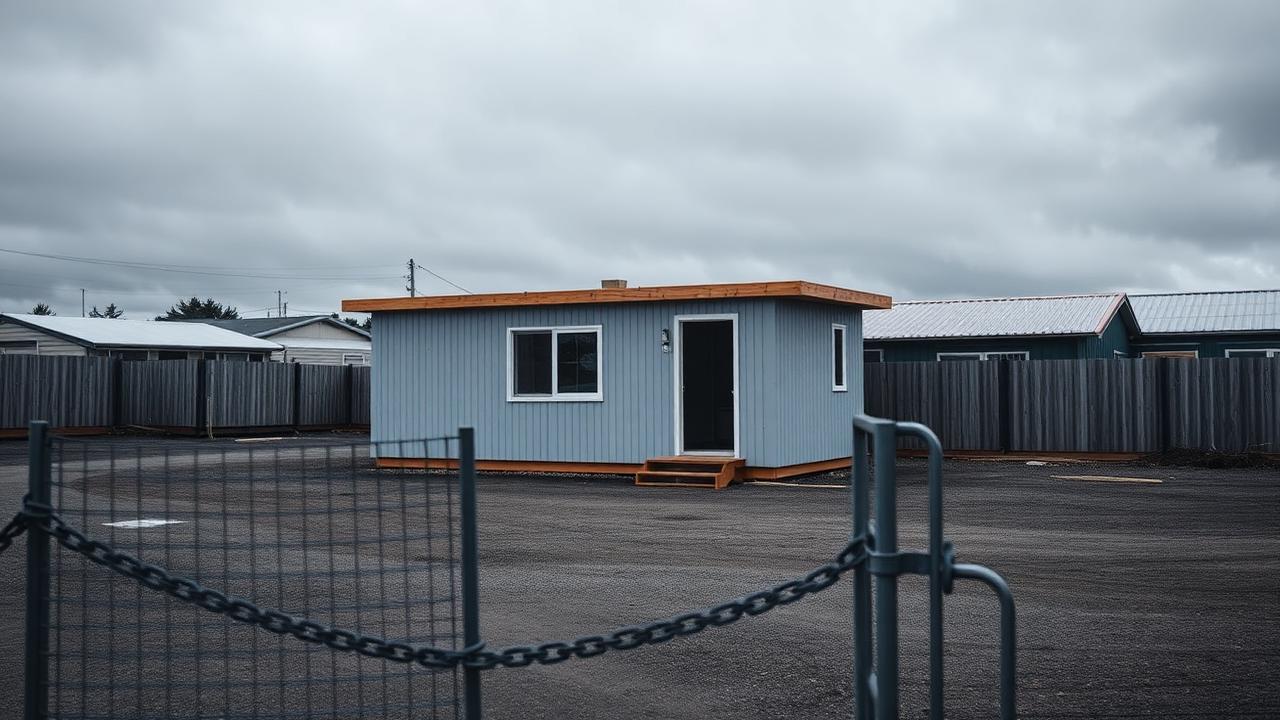
This publication spends most of its time on the case for tiny homes, because we think it's a strong one. This piece is the other side of the ledger.
The sector has grown fast, and fast growth in a business with large upfront customer payments and thin margins produces casualties. Several New Zealand builders have entered liquidation in recent years. [VERIFY] For the buyers involved, the loss isn't theoretical — it's a deposit, sometimes a substantial progress payment, and a home that doesn't exist.
Why the risk is structural, not just bad luck
Tiny-home building has a cash-flow shape that makes failures more damaging than they'd be elsewhere. Customers typically pay a deposit and staged progress payments while the home is built off-site in a factory. That means your money is in the business, and the asset you're paying for is in someone else's building, often not yet identifiable as yours.
Add a sector where material costs move quickly, quoting is competitive, and some operators are two people and a workshop, and you have a category where doing your homework matters more than in almost any other consumer purchase.
None of this is an argument against buying. It's an argument against buying carelessly.
The questions that actually reveal something
Vague reassurance is easy to give. Specifics are harder. Ask:
How long have you been trading, and under this company name? A long-standing trade name attached to a company registered eighteen months ago is worth understanding. Company records are public and free to search.
How are progress payments structured, and what do I own at each stage? The best answer involves your payments being tied to identifiable milestones on an identifiable unit. The worst is a large deposit against a vague promise.
Do you offer any deposit protection, bond, or third-party guarantee? Some builders do. It's a reasonable thing to ask, and the reaction to being asked tells you something.
Can I visit the workshop and see a build in progress? Reluctance here is a meaningful signal.
Can I speak to three customers whose homes were delivered more than a year ago? Recent-delivery references only show the home arrived. Older ones show how it held up and how the company handled problems.
Vague reassurance is easy. Specifics are hard. The questions worth asking are the ones a struggling operator can't answer comfortably.
Structural signals worth weighing
Staged payments beat large upfront deposits. A builder who wants most of the money before work starts is asking you to carry their risk. Physical premises and a visible order book beat a slick website. And a price dramatically below the rest of the market is information, not a bargain — someone has to absorb that gap, and if it isn't the builder's margin, it's your specification or their solvency.
The industry's own interest
The builders doing this properly — and there are many — are the ones most damaged by the failures, because every collapse makes the next buyer more nervous about the whole category. A sector that wants to be taken seriously benefits from buyers who ask hard questions.
Ask them. A good builder will respect it.

Hana Mitchell
Hana has covered housing and small-space design in Aotearoa for over a decade. She founded Tiny Home Weekly to bring proper journalism to a sector Kiwis are increasingly excited about.
Also worth reading
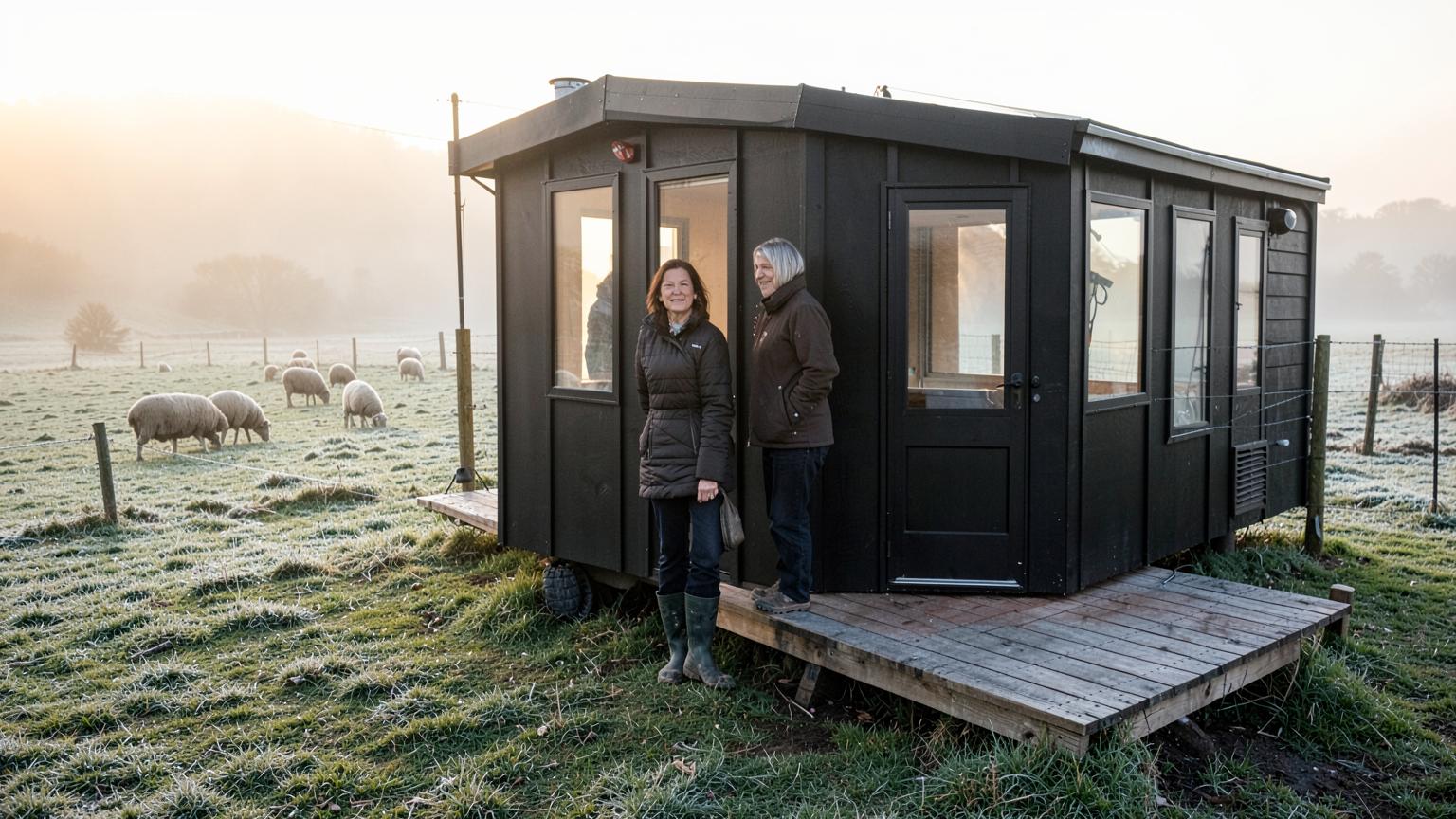
From a Shed to My Own Front Door: One Canterbury Woman's Story
She lost the house, the marriage and her security in a single text message. Six months later she owns her home outright — for $24,500.
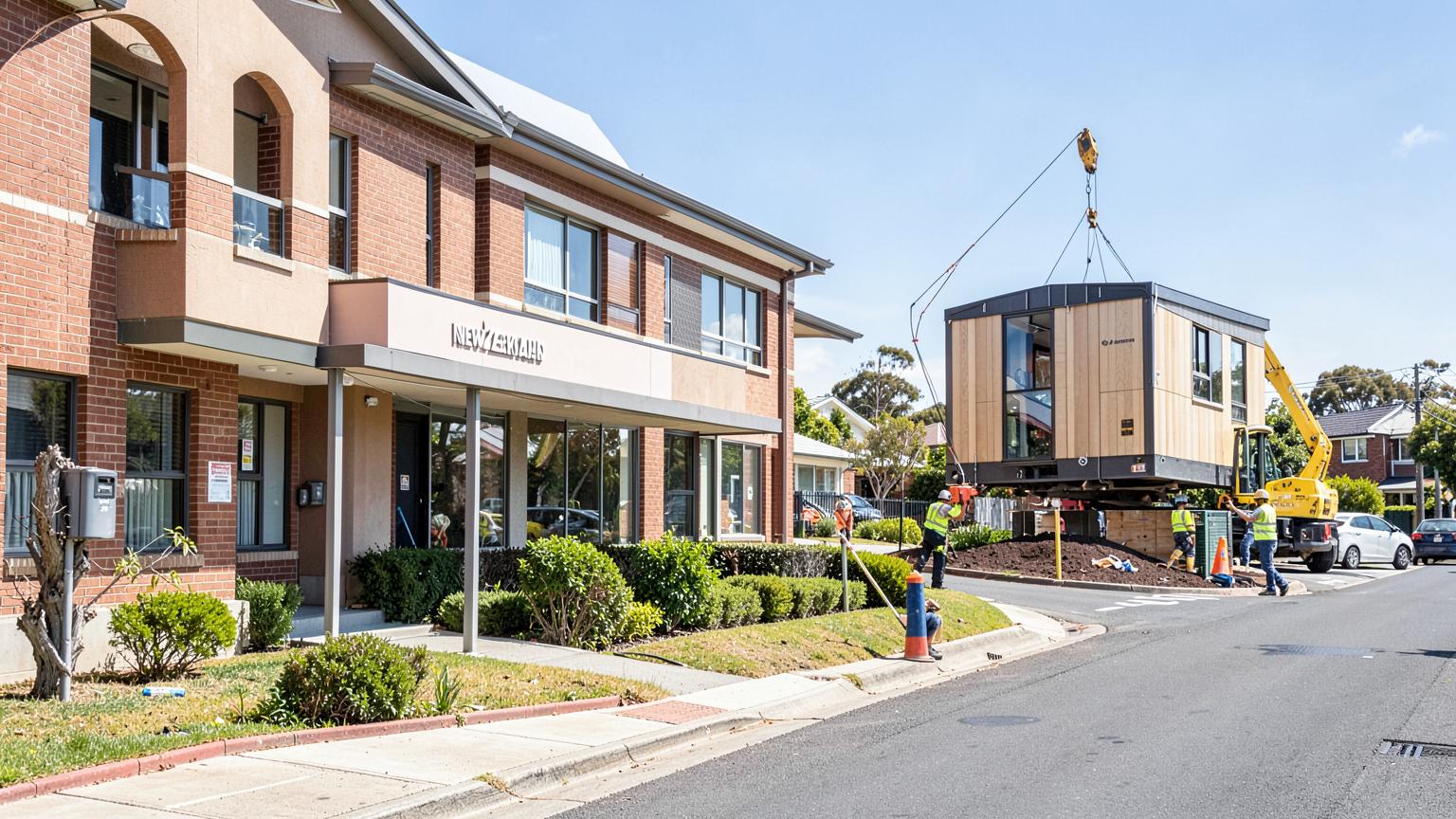
Spring 2026: small-home builds hit a record as the 70m² rule beds in
Nine months after the consent exemption took effect, councils are reporting their busiest spring on record for small stand-alone dwellings — and prefab suppliers are scaling up to meet demand.
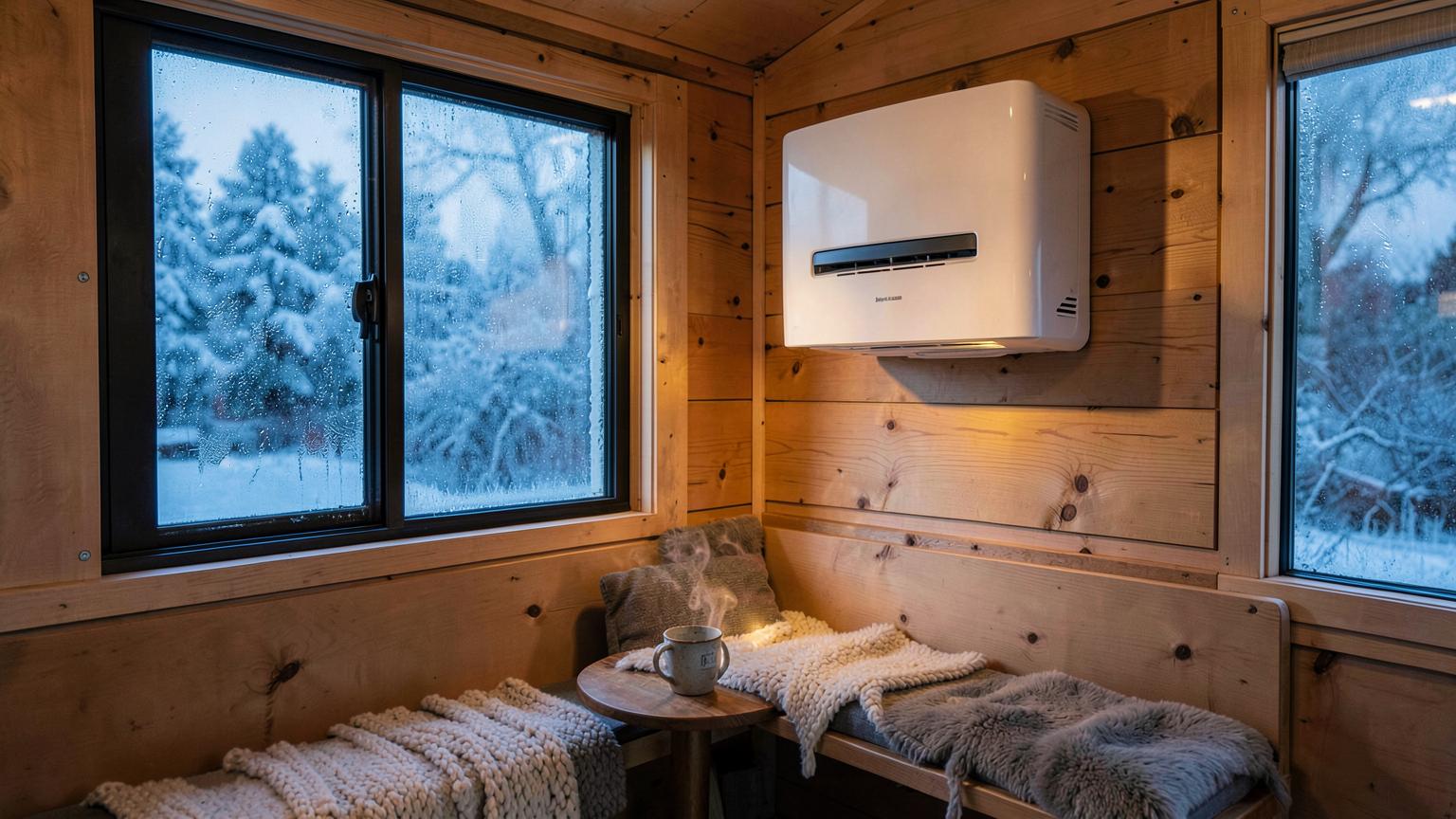
What owners actually paid to heat a small home this winter
We asked small-home owners across the country for their real winter power bills. The results show how far good insulation and a right-sized heat pump go.

Thinking about a tiny home?
Get our free guide to compare your options — before you spend thousands.
- Expert tips from industry insiders
- Real delivery timelines
- 5 warning signs of a bad prefab seller