Getting the Money: How Lenders Really See a Tiny Home
The cheapest home is no bargain if you can't borrow for it. Understanding how lenders categorise tiny homes is the single most useful thing a prospective buyer can do.

Plenty of people discover tiny homes because a mortgage on a conventional house is out of reach, then discover that a tiny home isn't simply a smaller mortgage. It's often not a mortgage at all.
This trips up more buyers than any other aspect of the process, so it's worth understanding early — ideally before you've fallen in love with a floorplan.
Why land changes everything
Lenders secure home loans against land. That's the mechanism. A dwelling that is permanently fixed to land you own is part of an asset the bank can value and, if it must, sell.
A transportable home, or one on wheels, sitting on land you don't own, is a different proposition entirely. From the lender's point of view it looks less like a house and more like a movable chattel — closer to a boat or a caravan in risk terms. That's not a judgement about quality; it's about what happens if the loan goes bad.
The practical consequence is a fork in the road:
You own land. Your options open up considerably. Where you have an existing property or a section, some banks will lend for an additional dwelling using that land as security, often as a top-up on an existing mortgage at ordinary home-loan rates.
You don't own land. Mainstream bank lending gets much harder, and you're looking at specialist lenders, personal lending, or savings.
The specialist lenders
A small number of New Zealand finance companies focus specifically on tiny homes, and their existence is genuinely useful — they understand the asset and will lend where a bank won't.
Be clear-eyed about the terms. Rates are typically higher than a secured home loan, and loan terms can be shorter than a 30-year mortgage, which pushes repayments up even on a modest sum. [VERIFY] That may still be the right deal — it's the deal that gets you into your own home — but run the total cost, not just the weekly figure.
Cheaper to buy is not the same as easier to finance. Sort the money before you sort the floorplan.
The costs finance often doesn't cover
Buyers routinely finance the home and forget the rest. Site works and foundations, transport and craneage, power connection or a solar system, water tanks, and wastewater arrangements can add a meaningful amount to the total, and lenders won't always include them. Build the whole number before you commit to any of it.
The order of operations
The buyers who navigate this well tend to do it in this sequence: settle the land question first, get finance pre-approved second, and choose the home third. Doing it in reverse — picking the home, then discovering the lending won't work — is how deposits get stranded and dreams get deferred.
None of this makes tiny homes a bad idea. It makes them a purchase where the paperwork deserves as much attention as the timber.

Hana Mitchell
Hana has covered housing and small-space design in Aotearoa for over a decade. She founded Tiny Home Weekly to bring proper journalism to a sector Kiwis are increasingly excited about.
Also worth reading
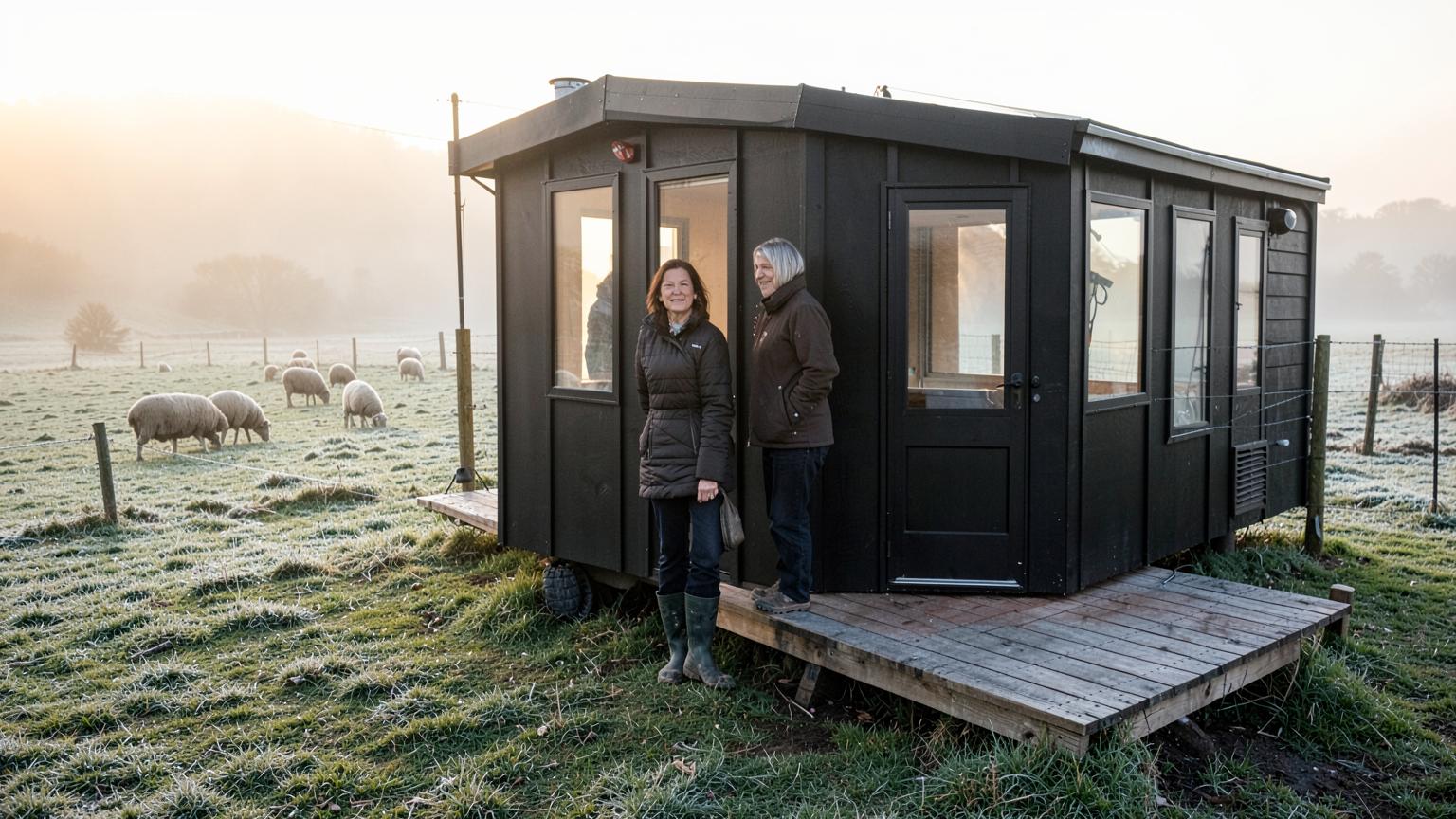
From a Shed to My Own Front Door: One Canterbury Woman's Story
She lost the house, the marriage and her security in a single text message. Six months later she owns her home outright — for $24,500.
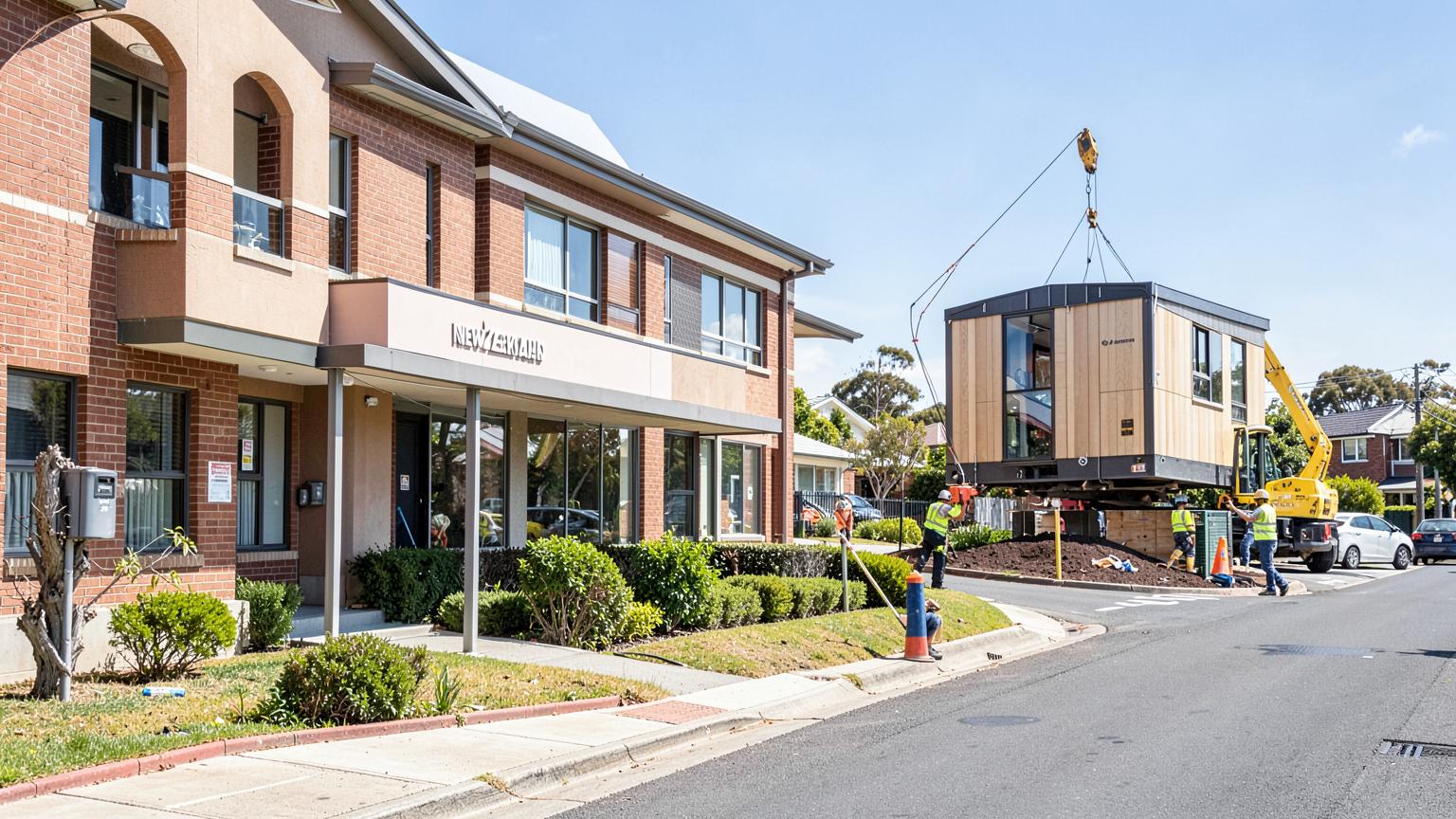
Spring 2026: small-home builds hit a record as the 70m² rule beds in
Nine months after the consent exemption took effect, councils are reporting their busiest spring on record for small stand-alone dwellings — and prefab suppliers are scaling up to meet demand.
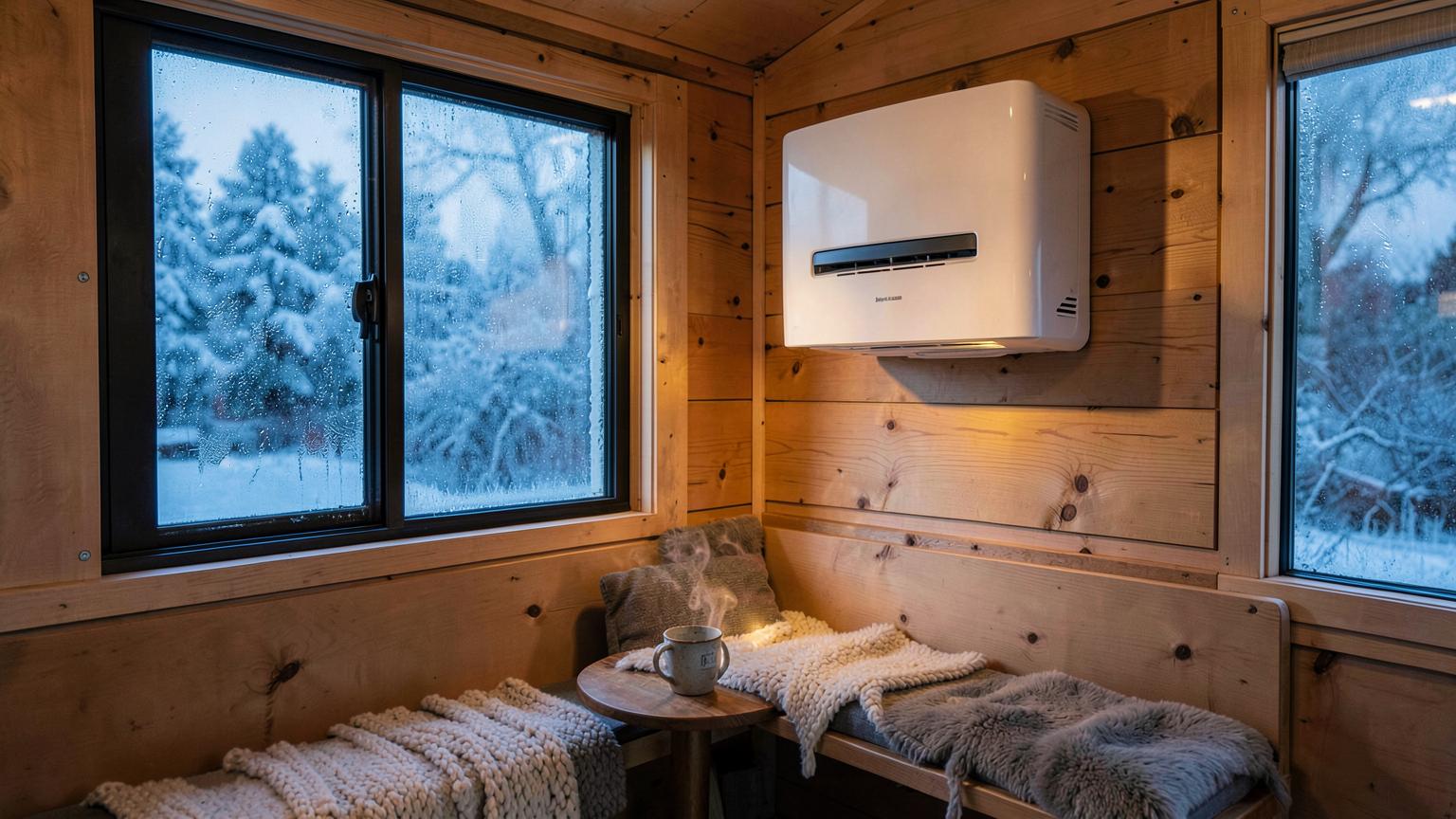
What owners actually paid to heat a small home this winter
We asked small-home owners across the country for their real winter power bills. The results show how far good insulation and a right-sized heat pump go.
Thinking about a tiny home?
Get our free guide to compare your options — before you spend thousands.
- Expert tips from industry insiders
- Real delivery timelines
- 5 warning signs of a bad prefab seller