Wood, Heat Pump or Diesel? Heating a Tiny Home, Honestly Compared
In a space this small, the wrong heater doesn't just cost more — it makes the home unliveable. Here's how the three main options actually perform.
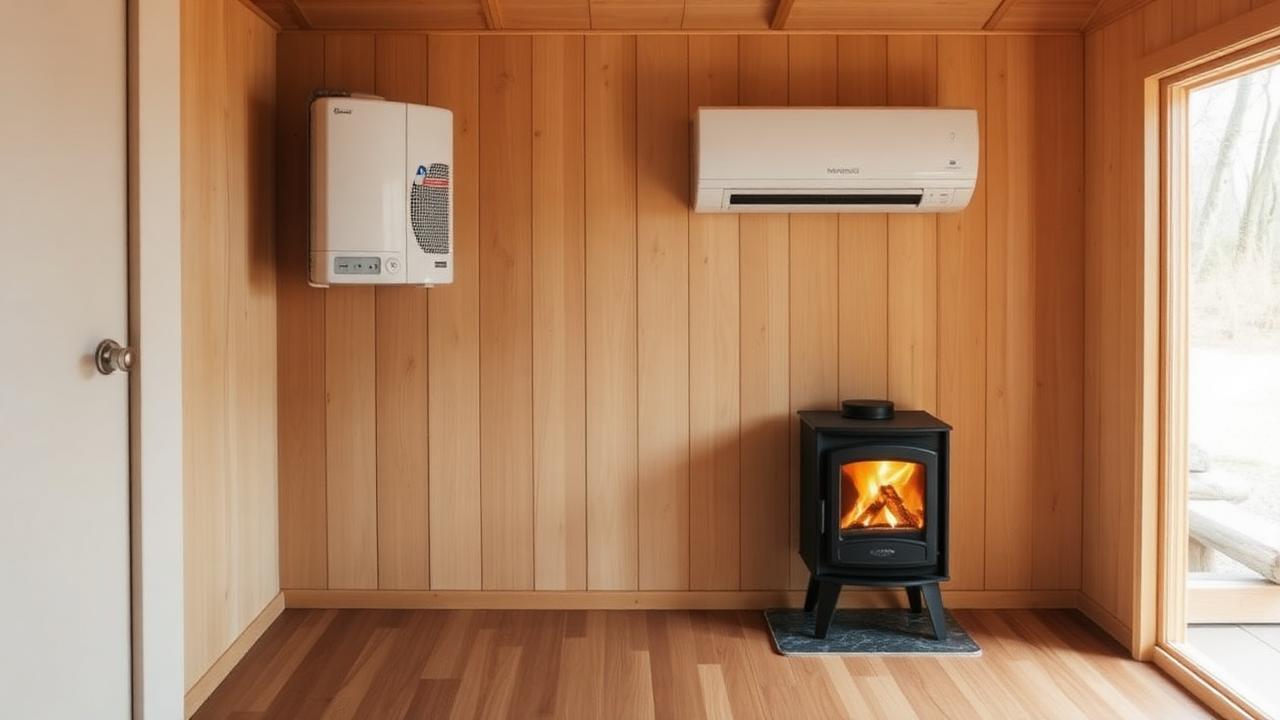
Heating a tiny home is a different problem from heating a house, and the mistake most first-time buyers make is scaling down a standard solution instead of rethinking it. A heater sized for a lounge will cook you out of a 28-square-metre cabin in twenty minutes.
Three options dominate the market. Each genuinely suits someone.
The wood burner
The romantic choice, and for good reason: dry radiant heat, no reliance on the grid, and a genuine focal point in a small room. For off-grid homes it's often the only sensible answer.
The catches are practical. Small-home-rated burners are a specialist item — most domestic units are far too big, and an oversized burner in a tiny home means opening windows in the middle of winter, which is an expensive way to heat a paddock. You need somewhere dry to store wood, clearances around the unit that eat into a floorplan you don't have much of, and an annual flue clean. Insurers will want to know it's installed properly. [VERIFY]
The heat pump
The efficiency winner where you have reliable mains power. A small high-wall unit will heat and cool a tiny home for very little, and it dehumidifies as it runs — a genuine bonus in a space prone to condensation.
The limitations are worth being honest about. Performance drops in hard frosts, which matters in Central Otago and the Waikato basin more than it does in Auckland. It's useless in a power cut. And it needs an outdoor unit, which is a consideration if the home is going to be moved or if you care what the exterior looks like.
The right size beats the right technology. An oversized heater in a small home is a worse outcome than a modest one.
Diesel
The dark-horse option, common in the caravan and marine world and increasingly fitted to NZ tiny homes. A diesel air heater is compact, runs independent of the grid, works in the cold, and puts out dry heat with the exhaust vented outside.
The trade-offs: you're buying and storing fuel, there's a fan and pump so it isn't silent, and servicing requires someone who knows the units. Running cost sits between wood and a heat pump depending on the price of diesel. [VERIFY]
Choosing between them
The honest answer depends less on the heater than on your site. On mains power in a milder region, a small heat pump is hard to beat on cost and convenience. Off-grid with access to firewood, a correctly sized wood burner is the classic answer and still the best one. Off-grid without firewood, or moving the home regularly, diesel earns its place.
Whatever you choose, size it for the space rather than buying the biggest unit in the budget. And factor the heater into the build rather than bolting it on afterwards — clearances, flue penetrations and power supply are all cheaper to get right at the factory.

Hana Mitchell
Hana has covered housing and small-space design in Aotearoa for over a decade. She founded Tiny Home Weekly to bring proper journalism to a sector Kiwis are increasingly excited about.
Also worth reading
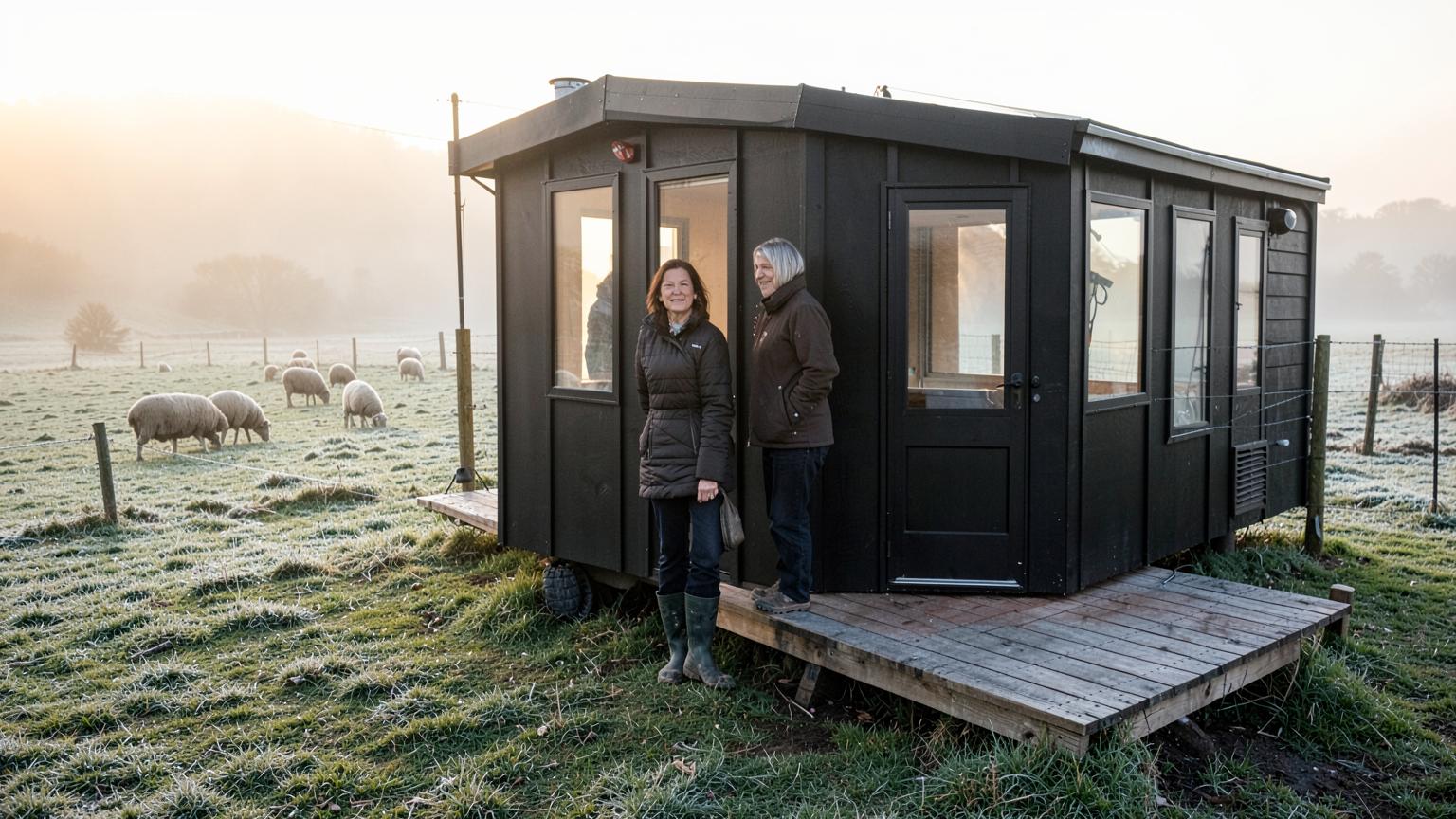
From a Shed to My Own Front Door: One Canterbury Woman's Story
She lost the house, the marriage and her security in a single text message. Six months later she owns her home outright — for $24,500.
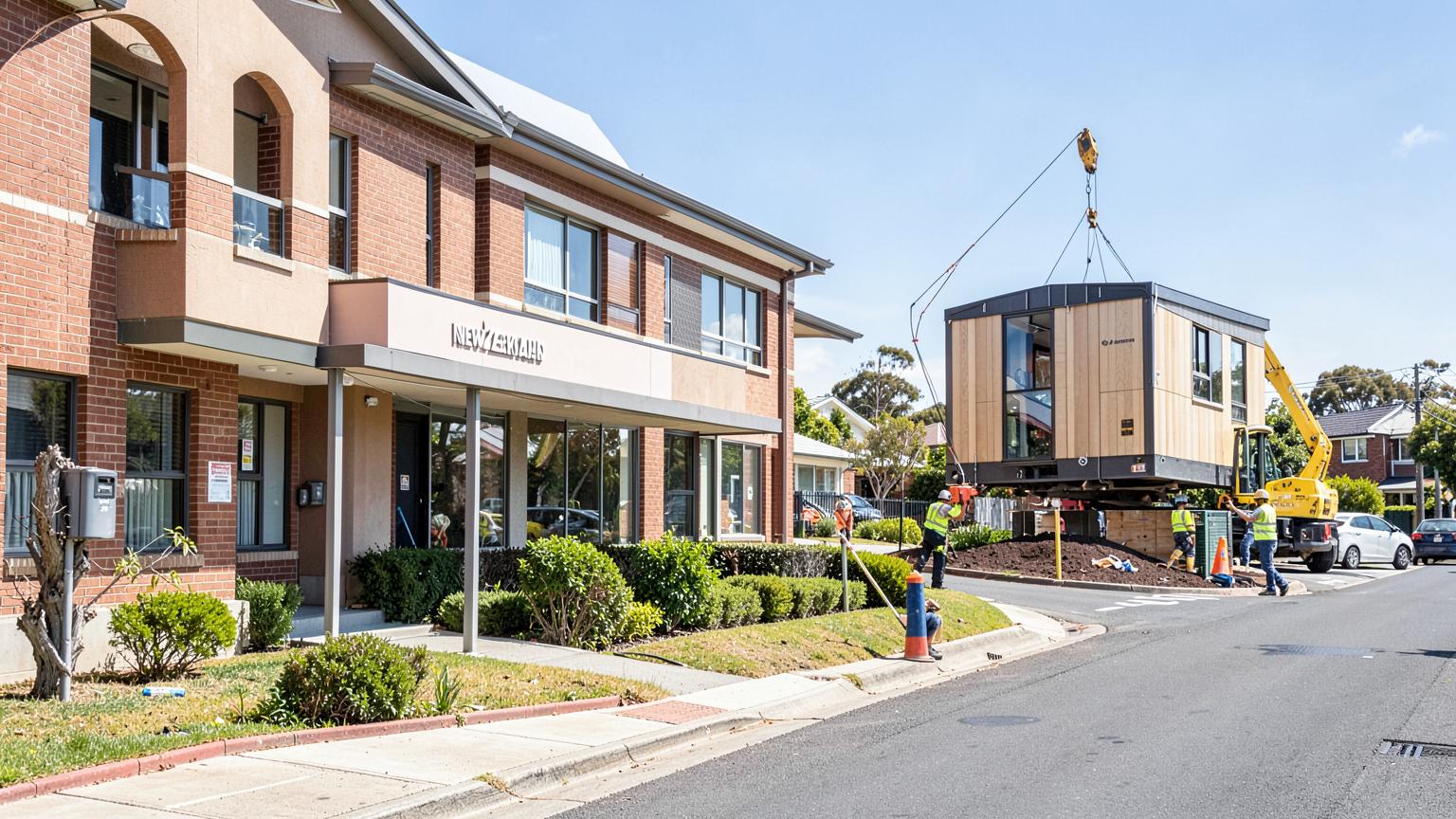
Spring 2026: small-home builds hit a record as the 70m² rule beds in
Nine months after the consent exemption took effect, councils are reporting their busiest spring on record for small stand-alone dwellings — and prefab suppliers are scaling up to meet demand.
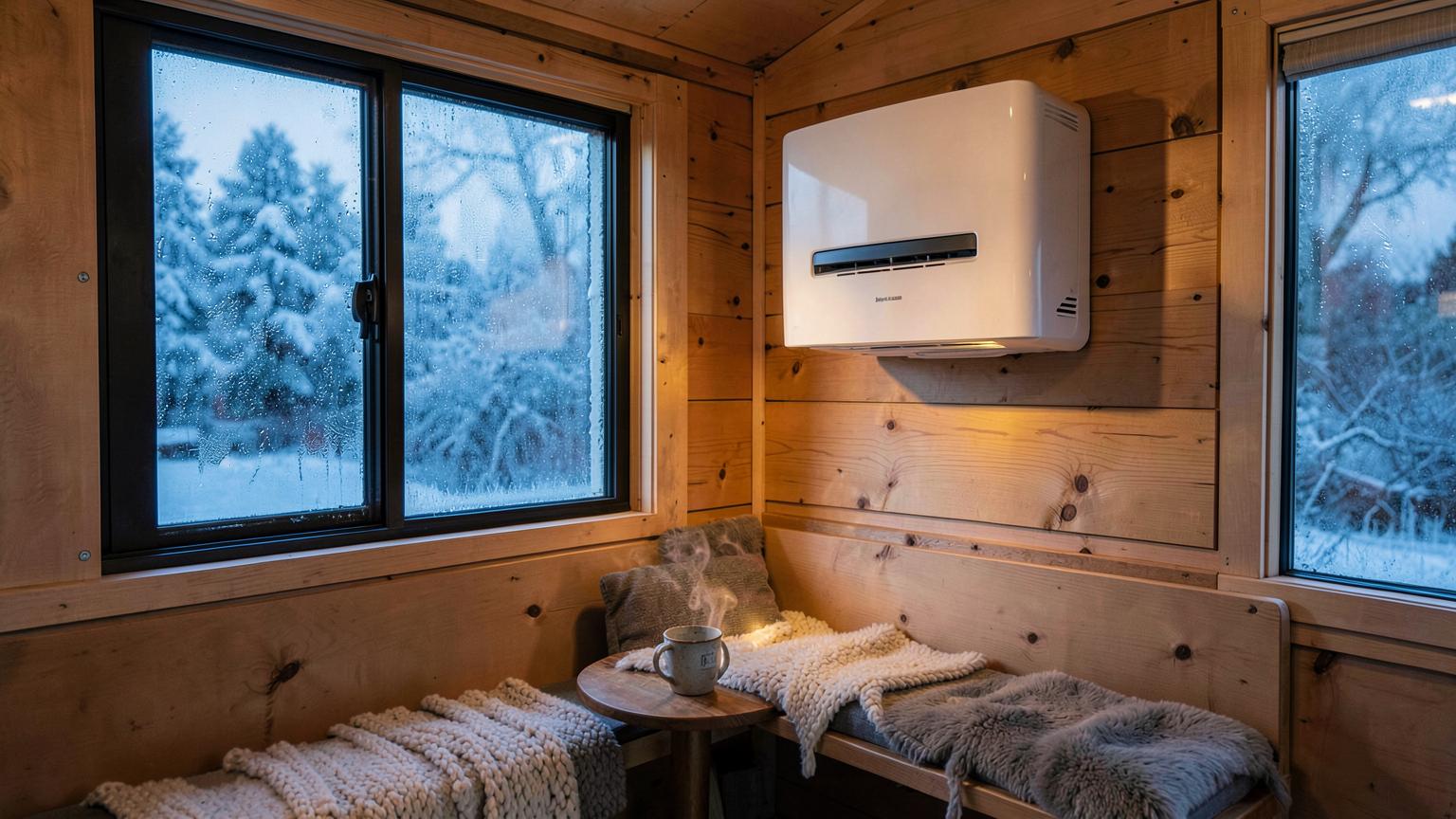
What owners actually paid to heat a small home this winter
We asked small-home owners across the country for their real winter power bills. The results show how far good insulation and a right-sized heat pump go.

Thinking about a tiny home?
Get our free guide to compare your options — before you spend thousands.
- Expert tips from industry insiders
- Real delivery timelines
- 5 warning signs of a bad prefab seller