Solar for a small home: start with your daily routine, not a panel count
Panels, batteries and electricity use need to work together. A practical brief helps an installer design a system around the way you actually live.
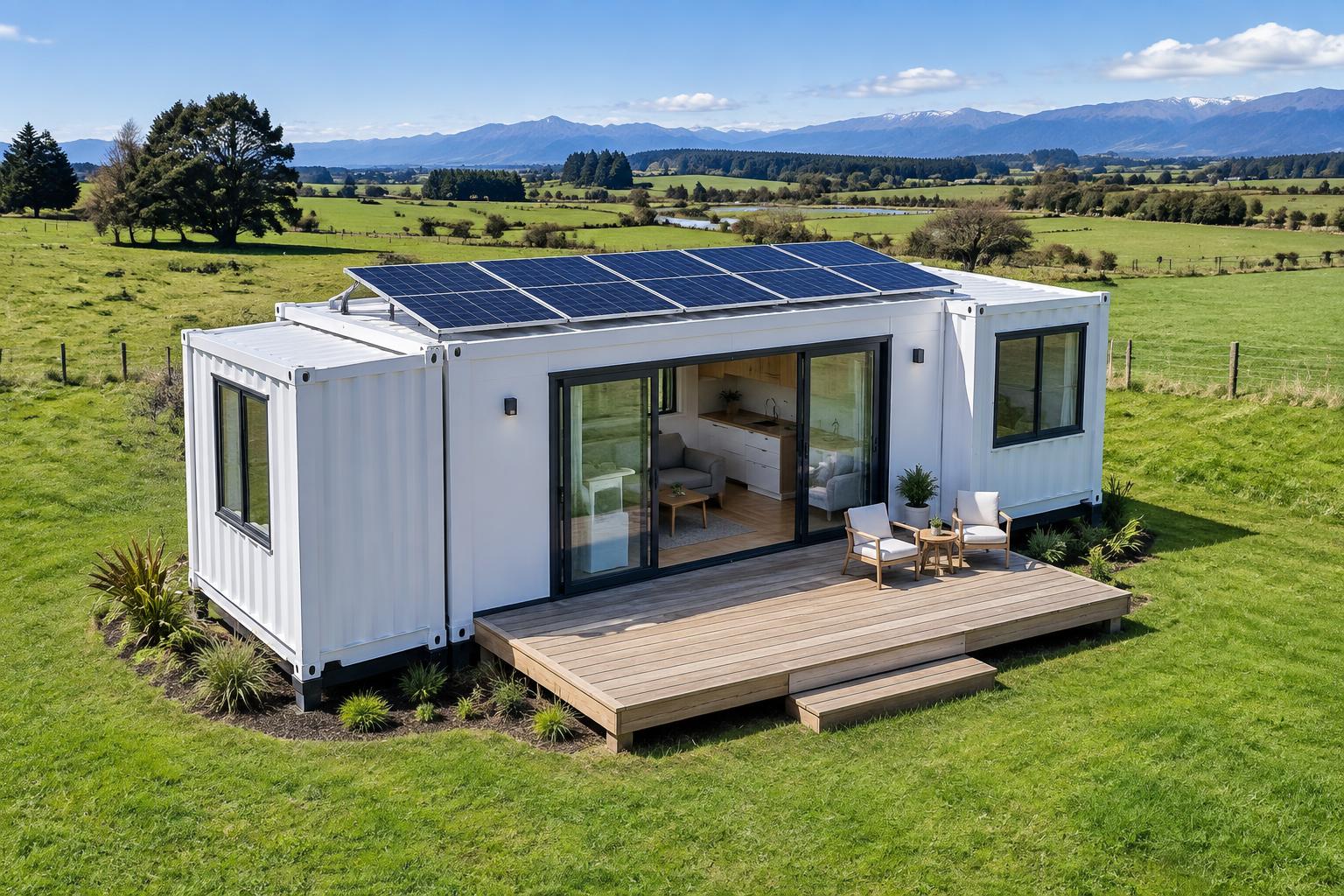
A small roof does not automatically mean a small electricity requirement. Cooking, hot water, heating and the hours someone spends at home all influence the right solar setup. Before asking how many panels fit, write down how the home will be used.
Generation and use are different questions
The Electricity Authority explains that household solar can generate electricity for use at home and that surplus electricity may be sold back to the grid. The value of that export depends on the retailer's arrangements. Do not assume an export payment matches the price you pay for electricity.
Tell your installer whether you are home during the day, what major appliances you expect to run and whether you are planning a grid connection. An off-grid system and a grid-connected system solve different problems, even when both have panels on the roof.
What a battery adds
A typical rooftop installation includes panels and an inverter; a battery can store surplus generation for later use. Whether storage is useful for you depends on your use pattern and the overall design. Ask the installer to explain what the battery will supply, for how long, and under what conditions.
Do not assume that any solar-and-battery package provides backup during an outage. Ask for the specific capability in writing. For a stand-alone home, discuss the least favourable seasonal conditions and the plan for periods of low generation.
Make the home efficient first
EECA recommends considering insulation, ventilation and shading as part of energy-efficient home design. Reducing unnecessary electricity use belongs in the same conversation as generation. The objective is a comfortable home with a suitable system, not simply the largest array a roof can hold.
- List cooking, hot-water and heating requirements.
- Describe daytime and evening occupancy.
- Confirm grid-connected or off-grid operation.
- Ask about battery capability and outage behaviour.
- Compare assumptions as well as equipment prices.
Ask for a proposal that explains itself
Request the design assumptions, installation responsibilities and maintenance information alongside the equipment list. This article does not prescribe a panel count or promise savings: a site assessment and a properly explained proposal are the reliable way to move from enthusiasm to a workable system.
Sources & further reading

Hana Mitchell
Hana has covered housing and small-space design in Aotearoa for over a decade. She founded Tiny Home Weekly to bring proper journalism to a sector Kiwis are increasingly excited about.
Also worth reading
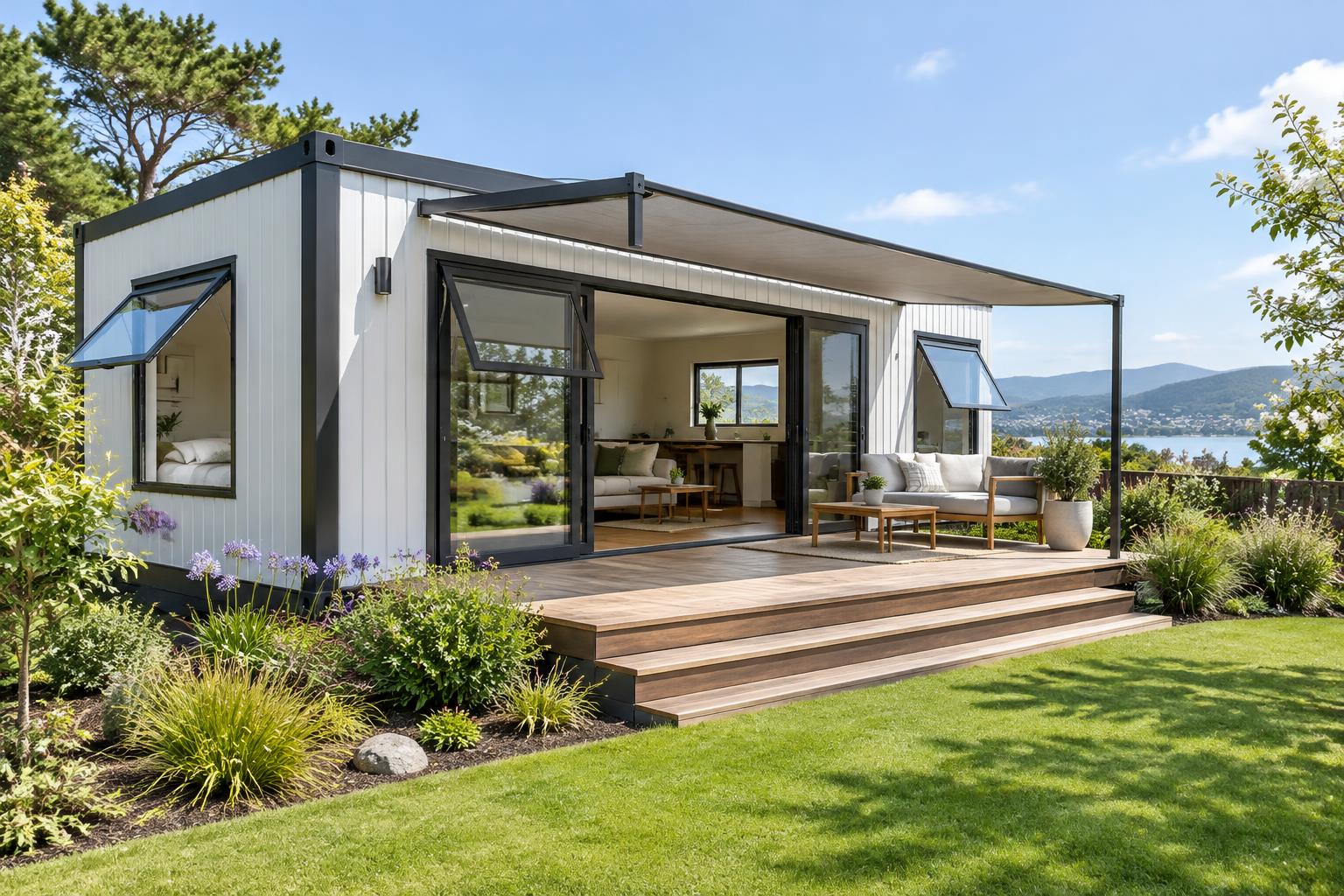
A cooler small home starts before summer: shade, windows and airflow
November is a good time to plan summer comfort. A few thoughtful design choices can make a compact home feel better without relying on cooling alone.
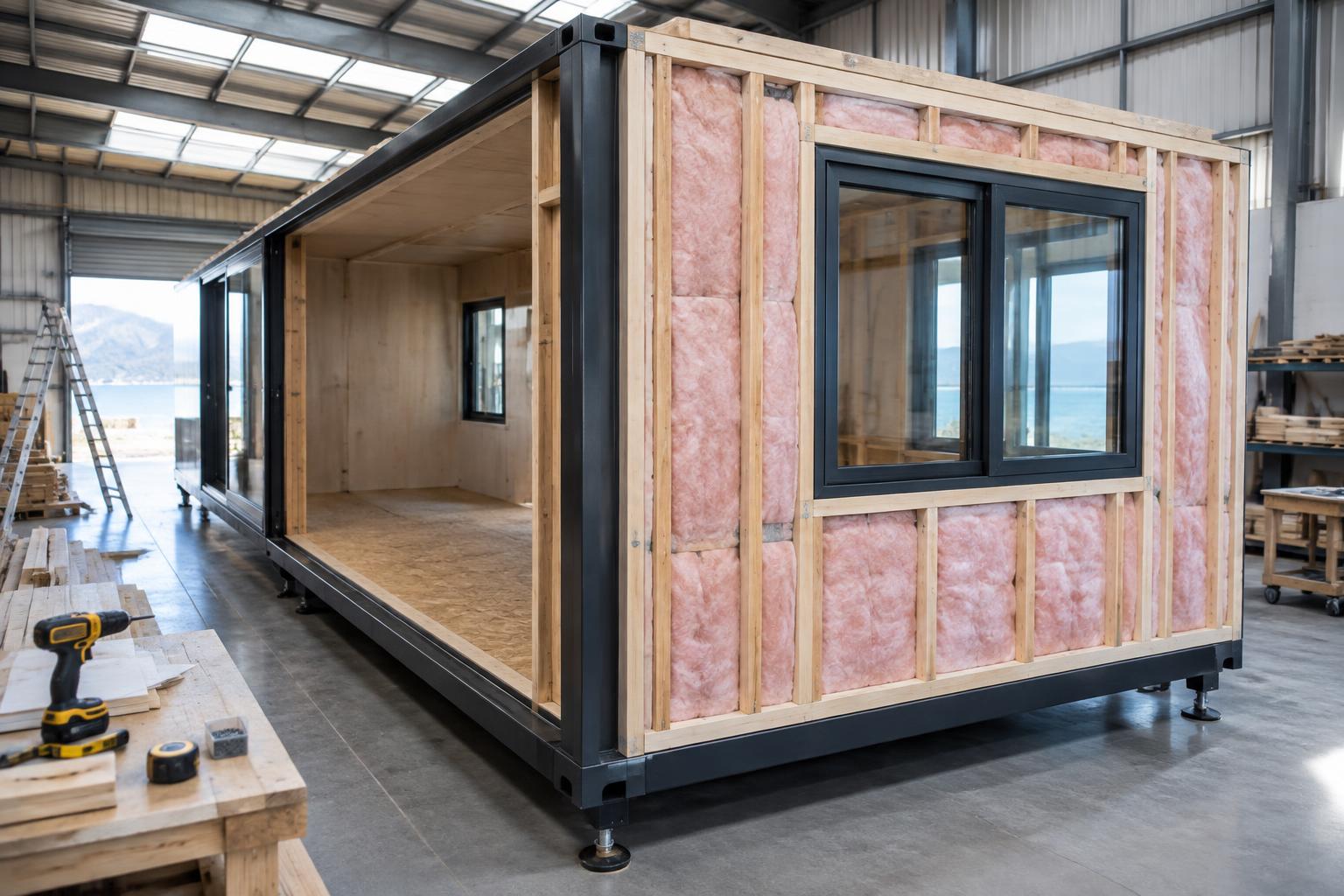
The insulation details that make a small home feel properly finished
Good insulation is about more than the number on the spec sheet. Fit, coverage and the way the whole building is designed deserve attention too.
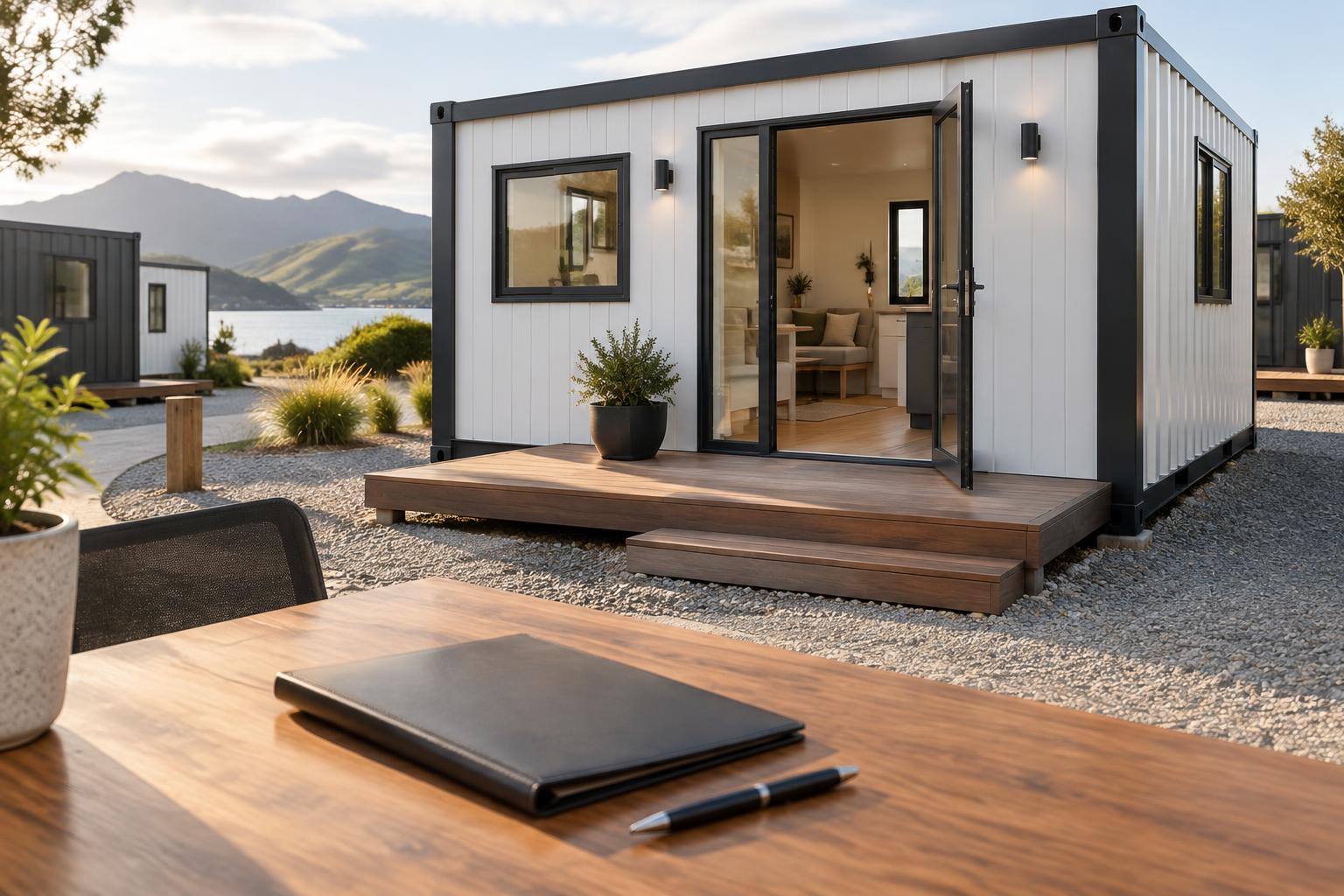
From a good quote to a clear agreement: buying a tiny home with confidence
A useful agreement connects the home, the delivery and the site work. Here are the details worth settling before you sign.

Thinking about a tiny home?
Get our free guide to compare your options — before you spend thousands.
- Expert tips from industry insiders
- Real delivery timelines
- 5 warning signs of a bad prefab seller