Rainwater for a tiny home: give the tank a proper brief
Garden water and drinking water are different jobs. Plan the intended use, treatment and maintenance before choosing a tank.
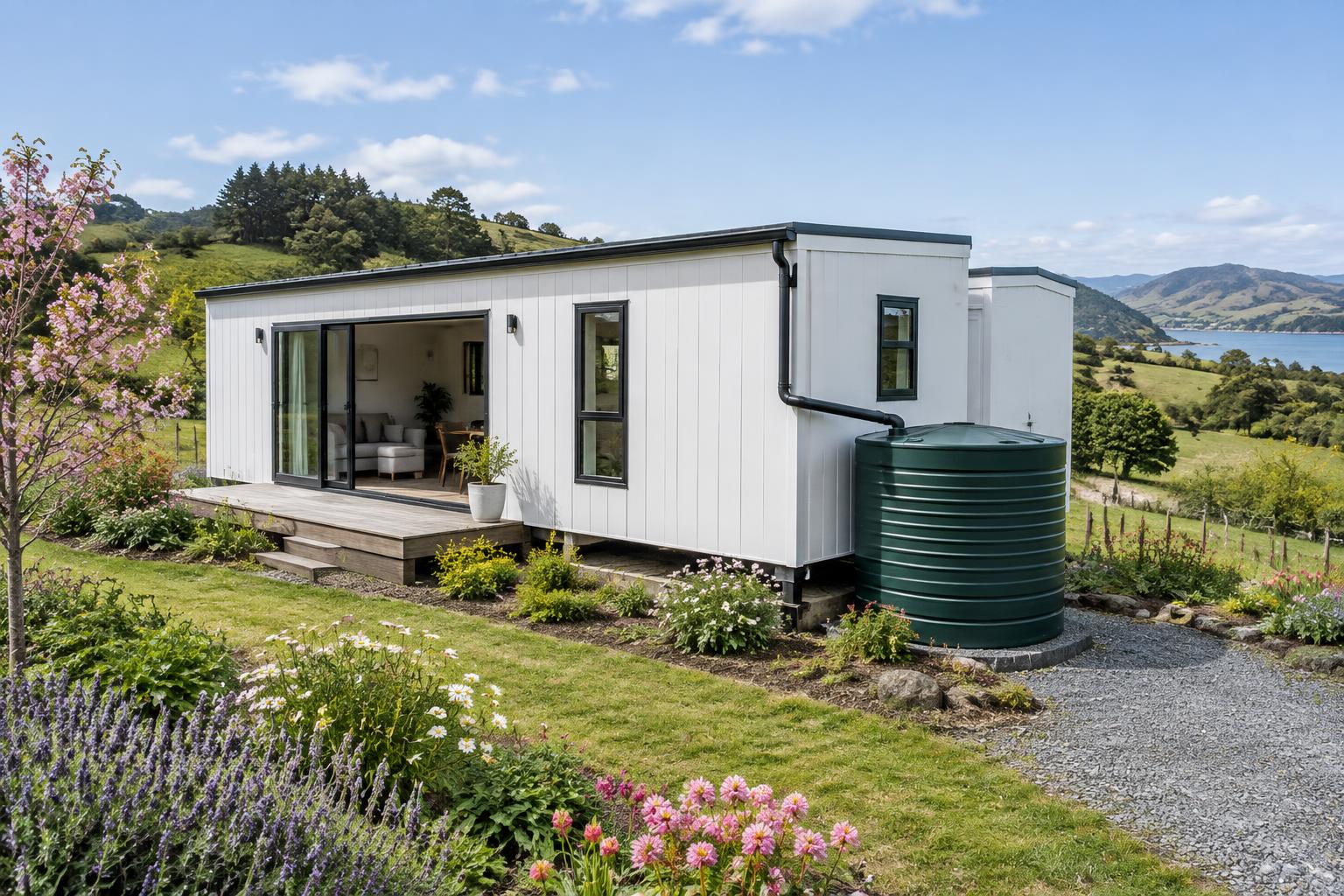
A rainwater tank can be a useful part of a small-home setup, especially on a rural section. The sensible starting point is not the colour of the tank or the largest size that fits beside the wall. It is what the collected water will be used for and how the system will be maintained.
Separate drinking water from other uses
MBIE's rainwater guidance describes uses including garden watering and, with an appropriate system, toilet flushing and laundry. Water used for drinking and other potable purposes needs appropriate treatment or purification. Check the requirements that apply locally before choosing the plumbing arrangement.
Make the intended use explicit when talking to an installer. A garden tank should not quietly become the drinking-water supply because it happens to be convenient. The collection surfaces, storage, treatment and connections need to suit the purpose.
Start at the roof
Health guidance on household water collection warns that dust, animal droppings, sprays and other material can wash into a tank. The tank is only one part of the water system. Discuss roof and gutter suitability, keeping debris out, and the appropriate treatment and inspection routine.
Ask what happens after a long dry spell, how the system is checked and how you will know when maintenance is due. Get instructions that describe the installed equipment rather than a generic reassurance that the water is clean.
Plan supply and access together
A small home still needs a system designed for its occupants and their water use. Discuss local rainfall, the collection area, storage and any backup supply with the designer. There is no universal tank size that this article can responsibly recommend for every New Zealand site.
- Decide which outlets will use rainwater.
- Confirm treatment for potable use.
- Leave access for inspecting and maintaining the system.
- Ask about a backup supply and safe connections.
- Keep the installer's maintenance instructions.
Treat water as part of the home design
Tank location, plumbing and day-to-day maintenance are easier to coordinate before the home arrives. A clearly specified system can make rainwater a practical asset without asking you to guess about water safety. Refer to the official guidance and a qualified installer for the details of your site.
Sources & further reading

Hana Mitchell
Hana has covered housing and small-space design in Aotearoa for over a decade. She founded Tiny Home Weekly to bring proper journalism to a sector Kiwis are increasingly excited about.
Also worth reading

A cooler small home starts before summer: shade, windows and airflow
November is a good time to plan summer comfort. A few thoughtful design choices can make a compact home feel better without relying on cooling alone.
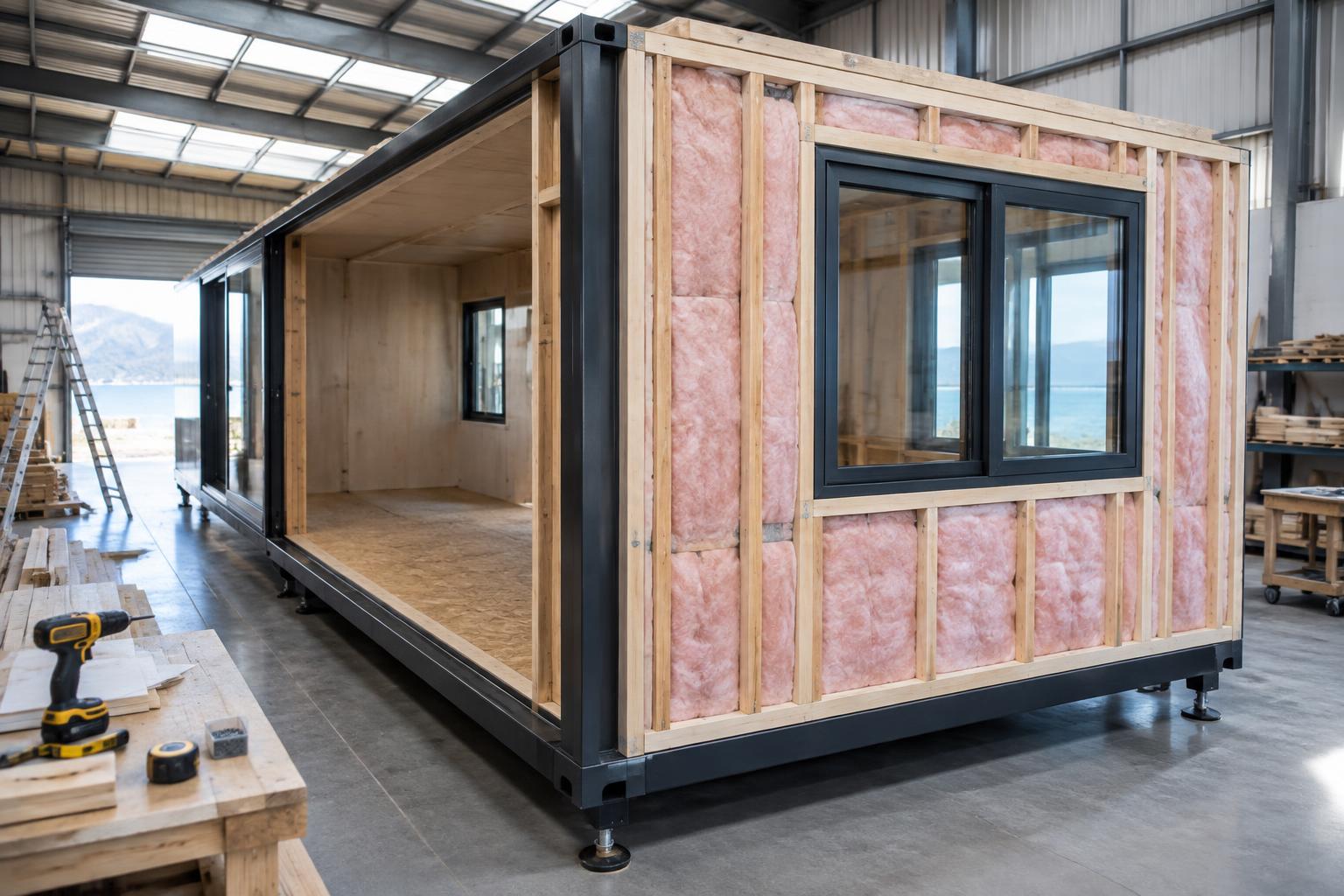
The insulation details that make a small home feel properly finished
Good insulation is about more than the number on the spec sheet. Fit, coverage and the way the whole building is designed deserve attention too.
From a good quote to a clear agreement: buying a tiny home with confidence
A useful agreement connects the home, the delivery and the site work. Here are the details worth settling before you sign.

Thinking about a tiny home?
Get our free guide to compare your options — before you spend thousands.
- Expert tips from industry insiders
- Real delivery timelines
- 5 warning signs of a bad prefab seller