Fresh air, less moisture: a spring reset for your small home
Openable windows and extraction each have a job. A simple ventilation routine helps a compact home stay comfortable through changing seasons.

Spring is a useful time to review how a home handles air and moisture. A compact space can be easy to warm and pleasant to live in, but cooking, showering and drying laundry still produce moisture that needs a route outdoors. Ventilation is part of normal home care, not just something to think about when windows mist up.
Use windows and fans for their different jobs
MBIE explains that ventilation removes moisture and airborne pollutants while bringing fresh air inside. Where there is no whole-house mechanical system, its guidance recommends opening windows several times a day and using kitchen, bathroom and laundry extract fans that vent outside.
A cooker hood or bathroom fan should remove air to the outdoors, not simply move it into another enclosed space. Ask your supplier where the duct terminates if the home is new, or consult the installation information for an existing system.
Extraction needs replacement air
An extractor removes air, so replacement fresh air needs a way in. MBIE's active-ventilation guidance also notes the importance of placing extraction near the source of moisture. A fan on the far side of a room is not a substitute for a system designed around the shower or cooking area.
Keep the intended ventilation openings available. If you are changing curtains, adding storage or moving furniture, check that the new arrangement does not interfere with windows, grilles or the access needed to clean the fan.
Choose a routine you can sustain
Think about when moisture is produced and use the home's ventilation accordingly. Follow the fan manufacturer's instructions, including cleaning and maintenance. If condensation persists despite normal use, ask a qualified professional to look at the whole situation rather than assume another appliance is the answer.
- Check that kitchen and bathroom fans discharge outside.
- Keep windows and ventilation openings usable.
- Follow the system's cleaning instructions.
- Discuss persistent moisture with a qualified adviser.
A specification worth discussing early
For buyers still choosing a home, ask how ventilation is provided in each wet area and how fresh air reaches occupied rooms. The goal is a coordinated design that suits the home, the climate and the people living in it. Spring airing is helpful, but it does not replace appropriate permanent ventilation.
Sources & further reading

Hana Mitchell
Hana has covered housing and small-space design in Aotearoa for over a decade. She founded Tiny Home Weekly to bring proper journalism to a sector Kiwis are increasingly excited about.
Also worth reading

A cooler small home starts before summer: shade, windows and airflow
November is a good time to plan summer comfort. A few thoughtful design choices can make a compact home feel better without relying on cooling alone.
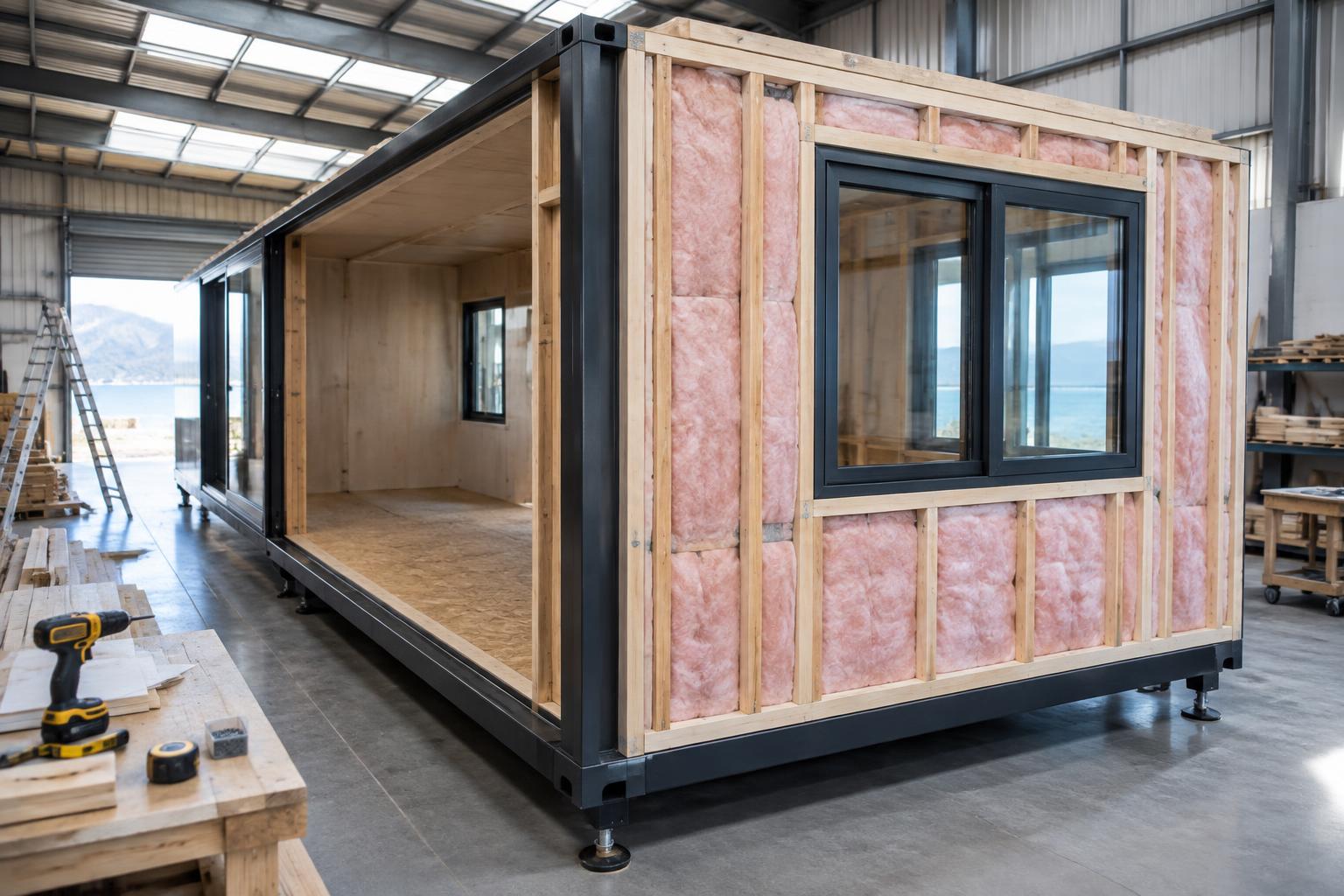
The insulation details that make a small home feel properly finished
Good insulation is about more than the number on the spec sheet. Fit, coverage and the way the whole building is designed deserve attention too.

From a good quote to a clear agreement: buying a tiny home with confidence
A useful agreement connects the home, the delivery and the site work. Here are the details worth settling before you sign.

Thinking about a tiny home?
Get our free guide to compare your options — before you spend thousands.
- Expert tips from industry insiders
- Real delivery timelines
- 5 warning signs of a bad prefab seller