The Footprint Argument: Is a Tiny Home Really the Greener Choice?
Building small is one of the most effective environmental decisions available to a homeowner. It's also not automatic — a badly specified tiny home can underperform a well-built house.
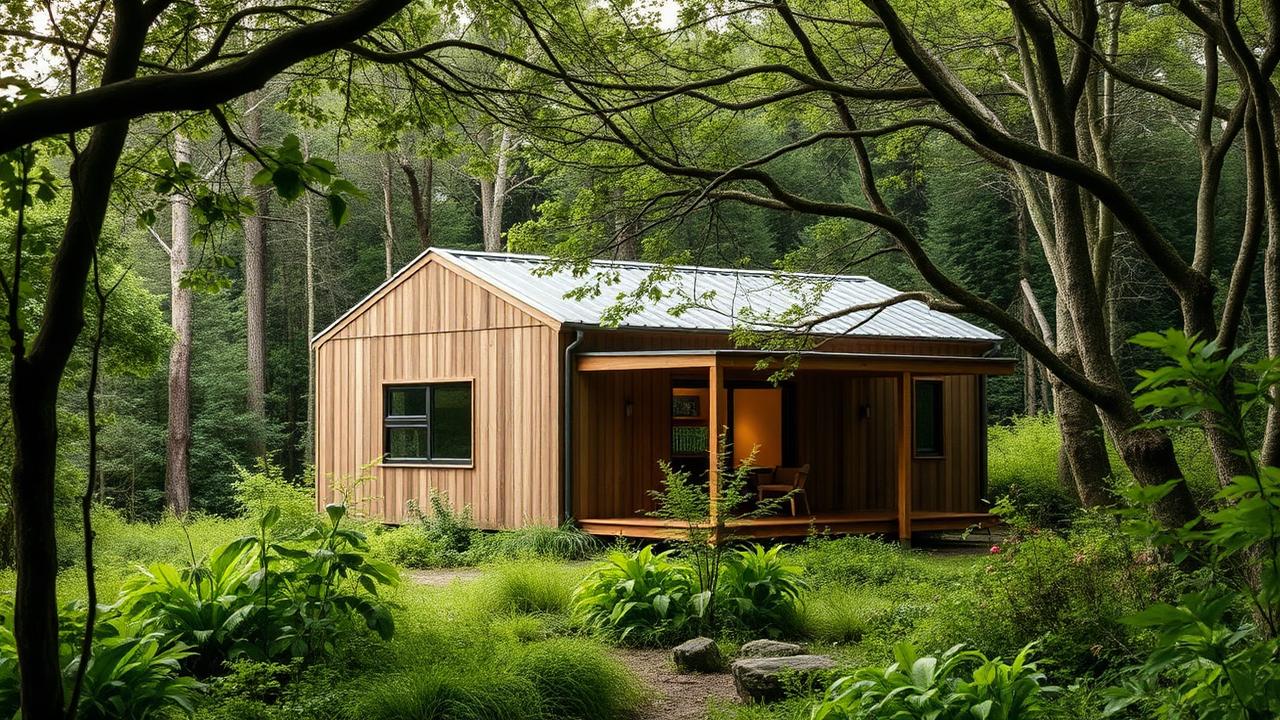
The environmental case for tiny homes is usually made in a sentence: less house, less impact. As far as it goes, that's right, and it's a more substantial point than it sounds. But the sentence hides a lot, and the honest version is more useful.
Where the gains are real
The strongest argument is simple subtraction. A 35-square-metre home requires a fraction of the framing, cladding, lining, insulation, roofing and concrete of a 200-square-metre house. That's a genuine reduction in embodied carbon — the emissions locked into producing and transporting materials — and it happens before anyone moves in. No amount of efficient operation in a large house recovers the materials it took to build it.
The second gain is operational and continues for the life of the home. Less volume to heat, less area to light, less water heated for fewer fixtures. In a well-insulated small home, energy use can be very low, and that advantage compounds over decades.
Factory construction adds a third, less obvious benefit: building in a controlled workshop generates measurably less waste than an on-site build, because offcuts get used and materials aren't weathered or damaged. [VERIFY]
Where the argument gets weaker
Small doesn't mean green on its own, and pretending otherwise does the sector no favours.
A tiny home built with minimal insulation, single glazing and cheap panel construction can end up needing constant heating, which erodes the operational advantage quickly. Some low-cost imported units are built to a price rather than a performance standard, and the buyer pays for it in power bills and discomfort.
Durability matters more than most sustainability conversations admit. A home that lasts fifteen years and gets replaced has a far worse lifetime footprint than one that lasts sixty, regardless of how it was built. Longevity is an environmental specification.
And there's a siting question. A small home in a remote spot that requires two long car trips a day may undo its material savings through transport emissions. The greenest small home is usually one near the things its occupants need.
Building small is a genuine environmental gain. Building small badly just makes a smaller problem last longer.
What to specify if this matters to you
Ask about materials with a clear conscience behind them: timber framing from certified sources, insulation that performs across the whole envelope rather than just between the studs, double glazing as a minimum. Ask about the expected service life of the cladding and the roof. Ask how the home handles moisture, because a home that rots is a home that gets replaced.
Then look at the systems: solar provision, efficient heating, water-saving fixtures, and rainwater collection where the site suits it.
The honest summary is encouraging without being smug. Choosing to build 40 square metres instead of 200 is one of the largest single environmental decisions a household can make. It just has to be 40 good square metres.

Hana Mitchell
Hana has covered housing and small-space design in Aotearoa for over a decade. She founded Tiny Home Weekly to bring proper journalism to a sector Kiwis are increasingly excited about.
Also worth reading
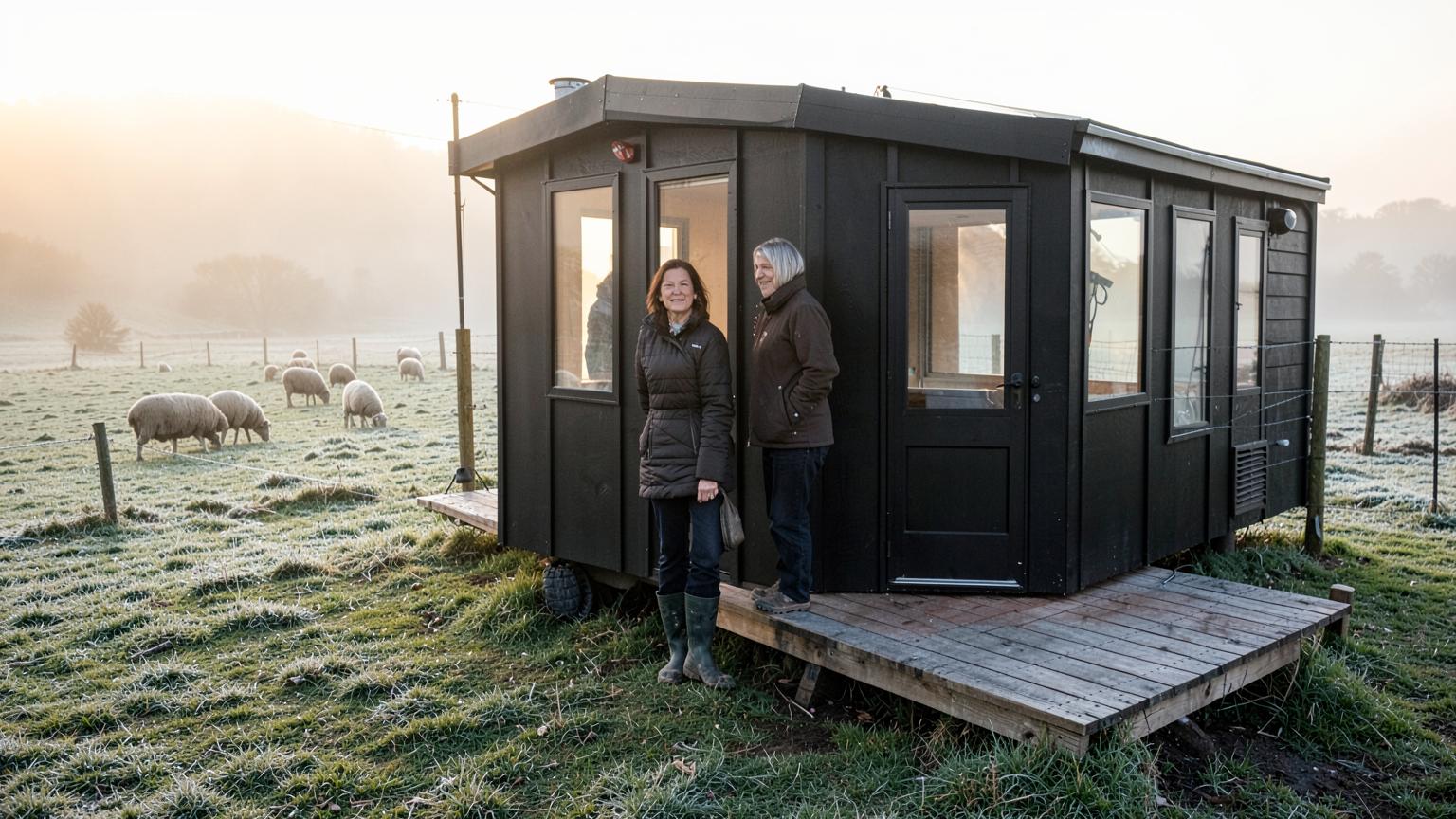
From a Shed to My Own Front Door: One Canterbury Woman's Story
She lost the house, the marriage and her security in a single text message. Six months later she owns her home outright — for $24,500.
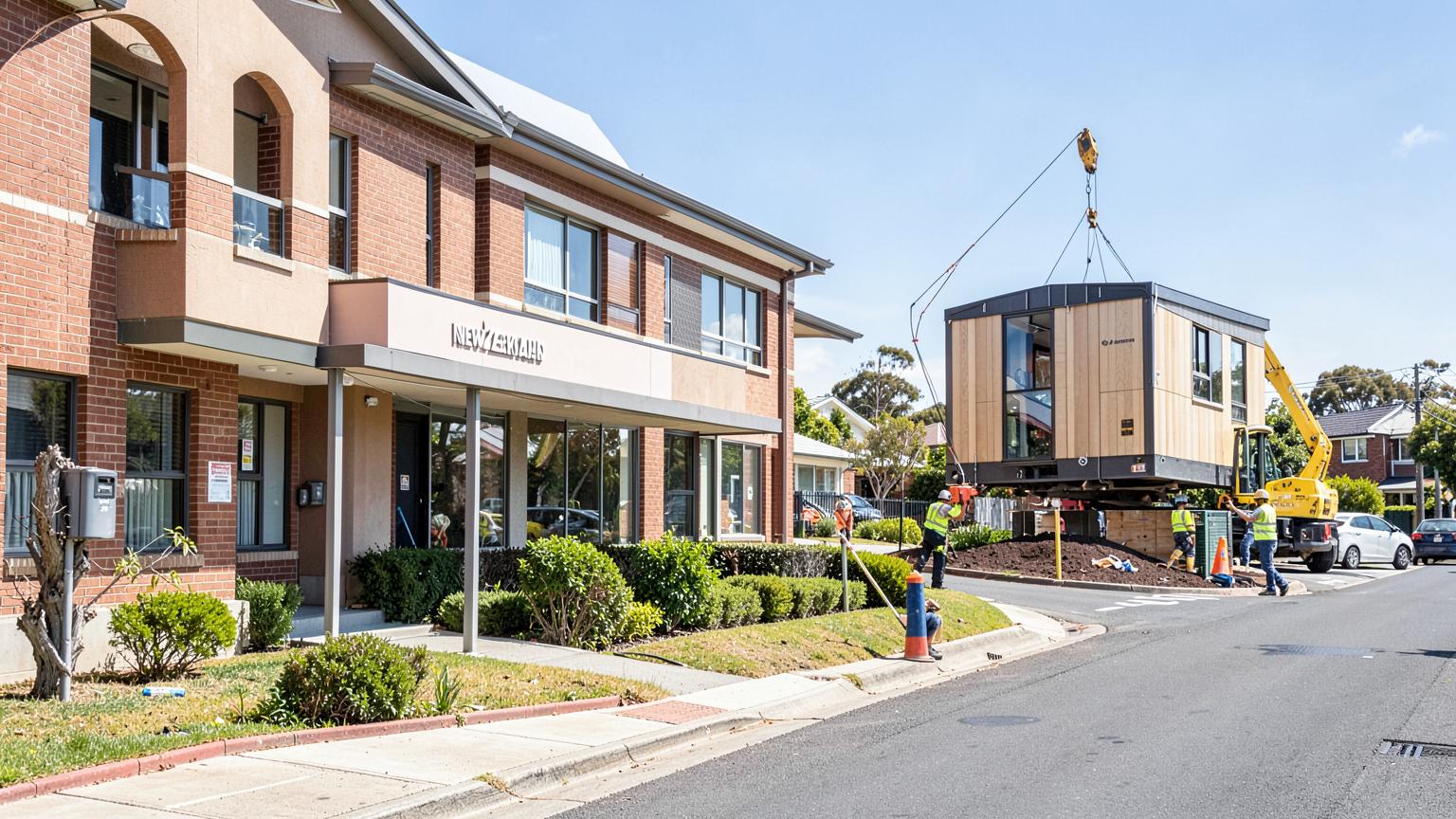
Spring 2026: small-home builds hit a record as the 70m² rule beds in
Nine months after the consent exemption took effect, councils are reporting their busiest spring on record for small stand-alone dwellings — and prefab suppliers are scaling up to meet demand.
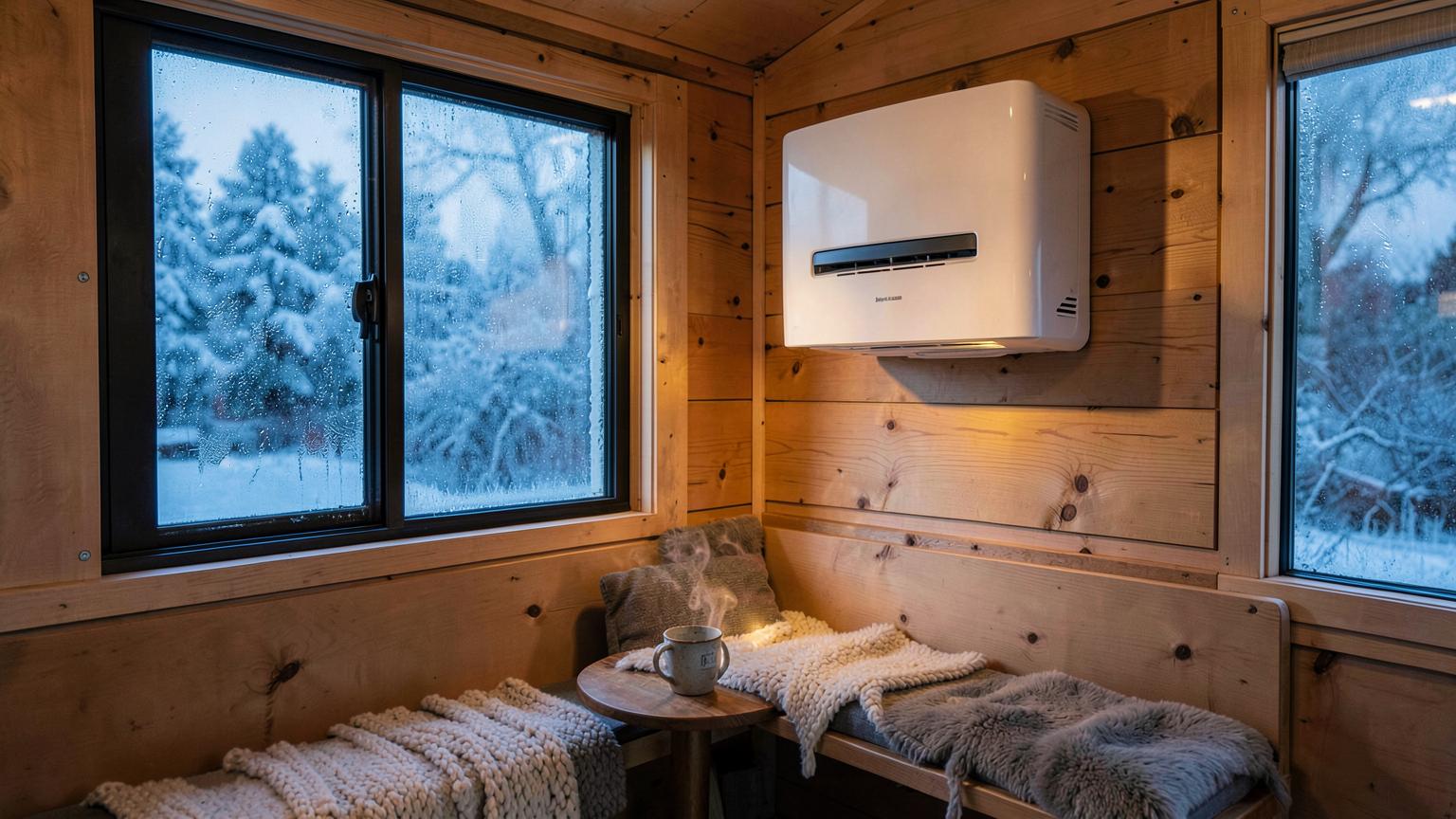
What owners actually paid to heat a small home this winter
We asked small-home owners across the country for their real winter power bills. The results show how far good insulation and a right-sized heat pump go.
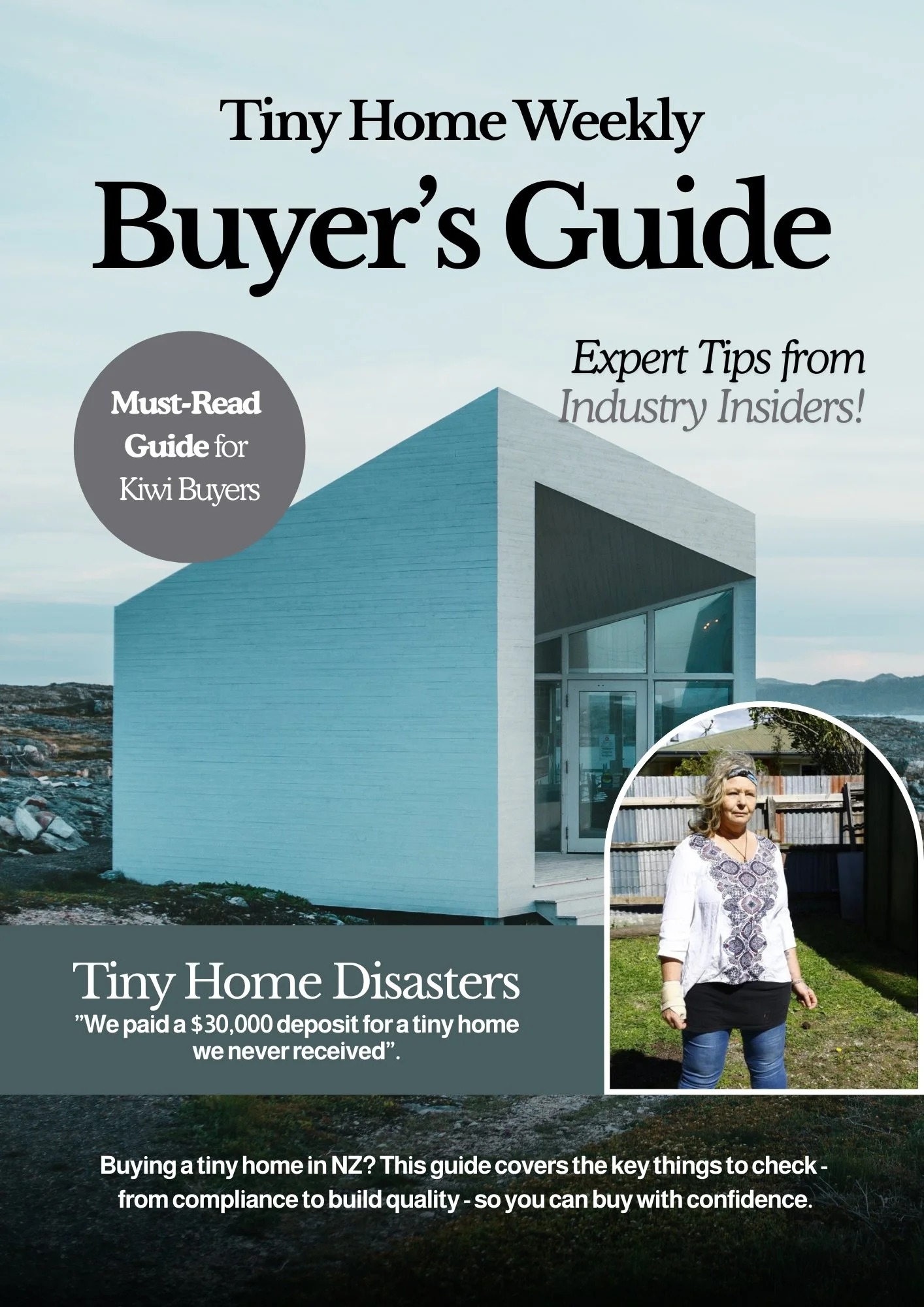
Thinking about a tiny home?
Get our free guide to compare your options — before you spend thousands.
- Expert tips from industry insiders
- Real delivery timelines
- 5 warning signs of a bad prefab seller