The Last Hundred Metres: Why Delivery Day Is the Riskiest Part of the Build
Your home can be built beautifully and still meet its match at your own gate. Access is the cost buyers forget and the problem that can't be solved with money on the day.
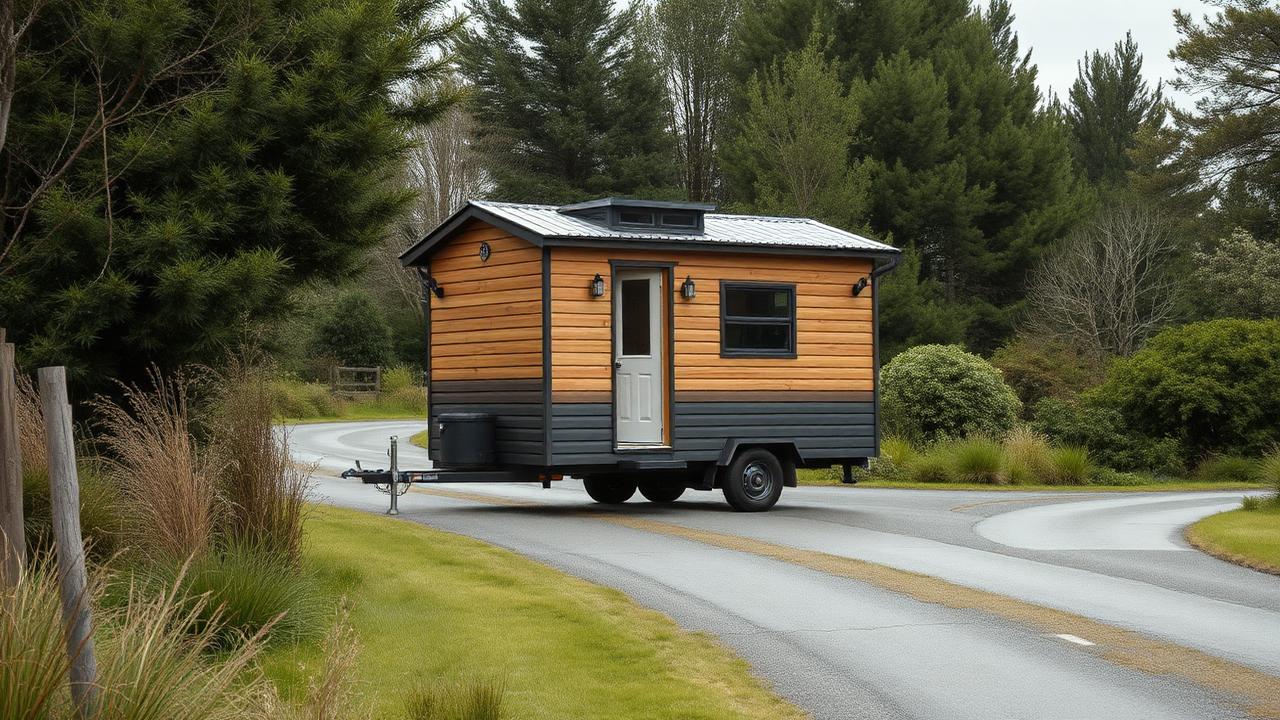
There is a particular kind of phone call that tiny-home builders dread making. The home is finished, the truck is loaded, and someone has worked out that it cannot physically get to where it's going.
Transport is the least considered part of buying a small home and one of the most consequential. A factory-built home has to travel from the workshop to your site in one piece, and everything about that journey — the road, the corners, the overhead wires, the gateway, the ground it crosses and the crane that lifts it — has to be established in advance.
What actually stops a delivery
The obstacles are rarely exotic. They're the ordinary features of New Zealand rural property.
Narrow gateways and tight corners are the classic. A home may fit through a gate on paper and still be defeated by the angle of approach. Overhead power and telephone lines cause more delays than almost anything else, and moving a line is a job with a lead time, not an afternoon fix. Soft ground is the underrated one: a wet paddock in winter will not hold a loaded transporter or a crane, and the resulting damage is the buyer's problem. Steep or winding access, low branches, bridges with weight limits and neighbours' driveways all appear on the list.
Wider loads need permits, pilot vehicles and sometimes travel restricted to particular hours, all of which lands in the delivery quote.
Access is the one constraint you can't negotiate on the day. Establish it before you sign anything.
The site visit that saves the project
The single most valuable thing a prospective buyer can do is get the transport operator — not just the builder — to look at the site before the build is committed. Experienced operators read an access route in minutes and will tell you plainly whether it works, what it needs, and what it will cost.
That visit occasionally produces an unwelcome answer, and that's the point. Finding out during design that the home needs to be narrower, or that a crane must lift it over a fence, is a design decision. Finding out on delivery day is a crisis.
Craneage, and the cost nobody quotes
Where a home can't be reversed into position, it gets lifted, and crane hire is priced by capacity and reach. The further the crane has to reach over an obstacle, the bigger the machine required, and the cost climbs quickly. [VERIFY] Buyers frequently discover this as a late addition to a budget they thought was settled.
Ask early whether delivery includes craneage, siting and levelling, or just getting the home to your boundary. The difference between those two quotes is significant, and it's a common source of misunderstanding.
What to have ready
By delivery day the foundations or piles should be in and level, the route should be clear of branches and obstacles, the ground should be firm enough for the vehicles, and someone with authority to make decisions should be on site. Winter deliveries onto soft rural ground are worth planning around if you have any flexibility on timing.
Done properly, watching a finished home swing over a fence and settle onto its piles is the best day of the whole process. Done unprepared, it's the most expensive.

Hana Mitchell
Hana has covered housing and small-space design in Aotearoa for over a decade. She founded Tiny Home Weekly to bring proper journalism to a sector Kiwis are increasingly excited about.
Also worth reading
From a Shed to My Own Front Door: One Canterbury Woman's Story
She lost the house, the marriage and her security in a single text message. Six months later she owns her home outright — for $24,500.
Spring 2026: small-home builds hit a record as the 70m² rule beds in
Nine months after the consent exemption took effect, councils are reporting their busiest spring on record for small stand-alone dwellings — and prefab suppliers are scaling up to meet demand.
What owners actually paid to heat a small home this winter
We asked small-home owners across the country for their real winter power bills. The results show how far good insulation and a right-sized heat pump go.

Thinking about a tiny home?
Get our free guide to compare your options — before you spend thousands.
- Expert tips from industry insiders
- Real delivery timelines
- 5 warning signs of a bad prefab seller