What "Turnkey" Actually Means: Reading a Tiny-Home Quote Properly
Two quotes for the same size home can differ by tens of thousands of dollars and both be honest. The difference is almost always in what the word "turnkey" is doing.
The most useful skill a tiny-home buyer can develop is reading a quote. Not comparing headline prices — reading what's inside them.
"Turnkey" has no fixed definition in this market. For one builder it means a complete home delivered, sited, connected and ready to live in. For another it means a finished home sitting on the back of a truck at your gate. Both use the same word.
The line items that go missing
When a cheap quote turns out to be expensive, it's usually because some of these were somebody else's problem:
Site works and foundations. Levelling, piles or a concrete pad, drainage. Highly site-dependent and frequently excluded.
Transport and craneage. Sometimes included to a nominal distance, sometimes not at all, and craneage is often separate again.
Connections. Power, water and wastewater connections, or an off-grid equivalent. This can be a large number and is often outside the build price.
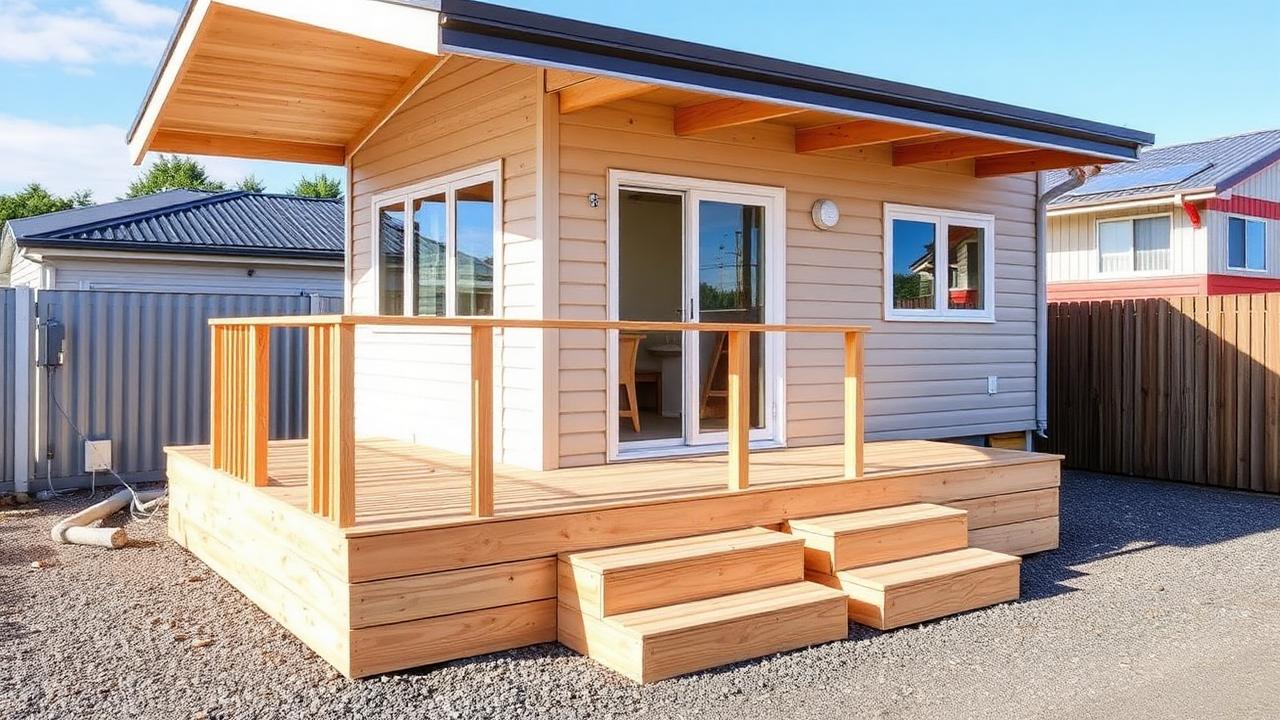
Decks and steps. A home with a door a metre off the ground needs both. Frequently shown in photos, frequently not in the quote.
Appliances and whiteware. Check whether the fridge, cooktop, oven, washing machine and heater in the render are actually included.
Window coverings. Small item, universally forgotten, and a home with bare windows isn't finished.
Hot water and heating. Confirm the unit type and that it's fitted, not just provided for.
Water tanks and pumps. For off-grid or rural sites, rarely in the base price.
"Turnkey" is a marketing word, not a specification. The specification is the schedule of what's included, in writing.
How to compare quotes fairly
Write your own list of everything the finished home needs — from foundations to curtains — and ask each builder to price against your list rather than their brochure. It's more work upfront and it is the only way to compare like with like.
Then confirm the boundaries explicitly, in writing: what's included, what's excluded, what's an allowance rather than a fixed price, and who's responsible for arranging each excluded item. An allowance is a guess with your name on it, and allowances are where budgets quietly expand.
Ask what triggers a variation and how variations are priced. Ask what happens if material costs move between signing and building — some contracts allow adjustment, and you want to know that before you sign rather than afterwards.
The specification detail worth interrogating
Beyond the inclusions list, a few specifics separate genuinely comparable homes: framing material and treatment, insulation values in floor, walls and ceiling, glazing type, cladding and its expected life, and the warranty — what it covers, for how long, and who honours it.
A quote that's meaningfully cheaper than the market usually has an explanation, and the explanation is generally in one of those lines. That doesn't make it a bad home. It makes it a different home, and you should know which one you're buying.
The builders who quote thoroughly can look expensive next to the ones who quote thinly. Get the full picture on both and the ranking often reverses.

Hana Mitchell
Hana has covered housing and small-space design in Aotearoa for over a decade. She founded Tiny Home Weekly to bring proper journalism to a sector Kiwis are increasingly excited about.
Also worth reading
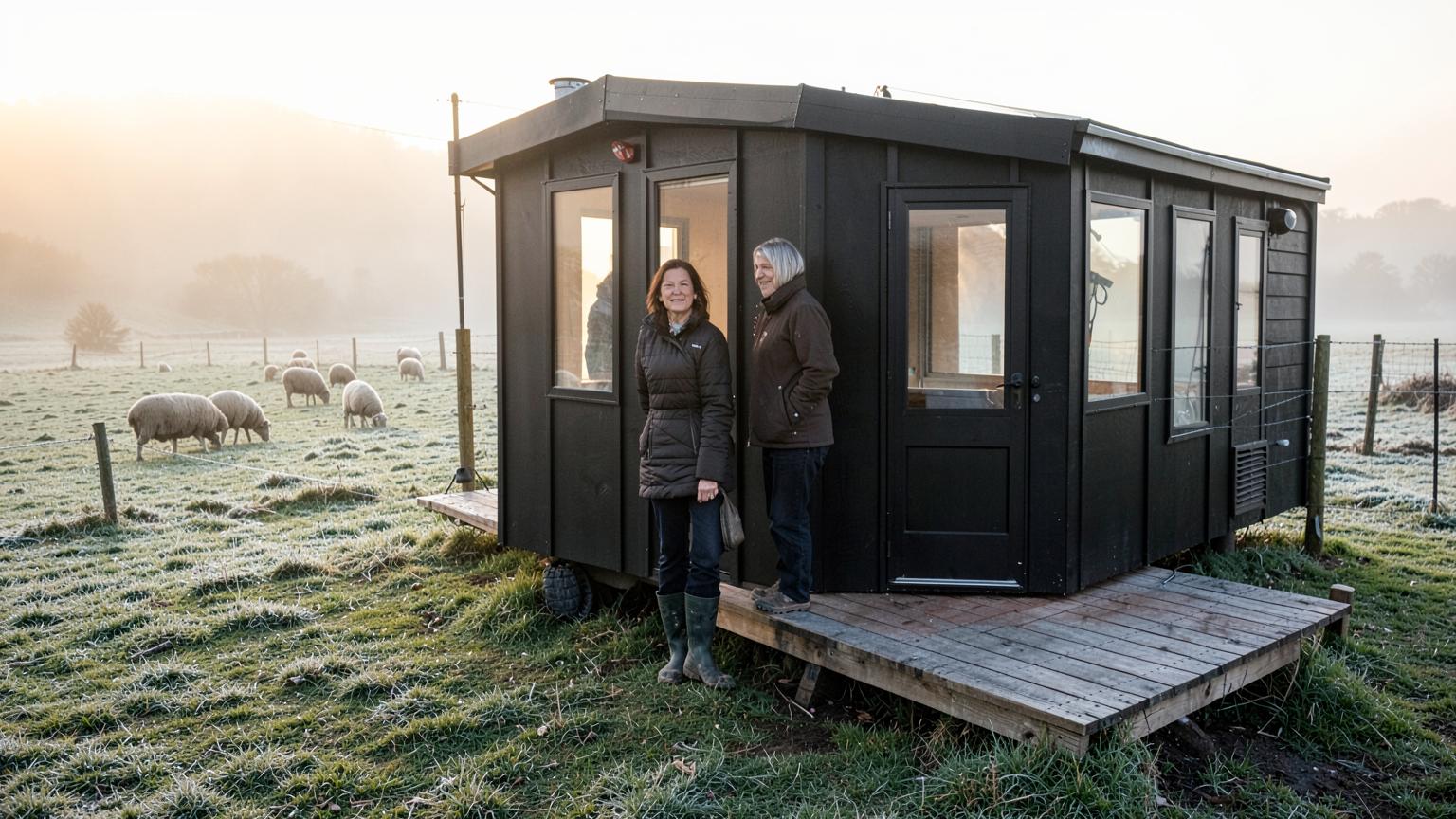
From a Shed to My Own Front Door: One Canterbury Woman's Story
She lost the house, the marriage and her security in a single text message. Six months later she owns her home outright — for $24,500.
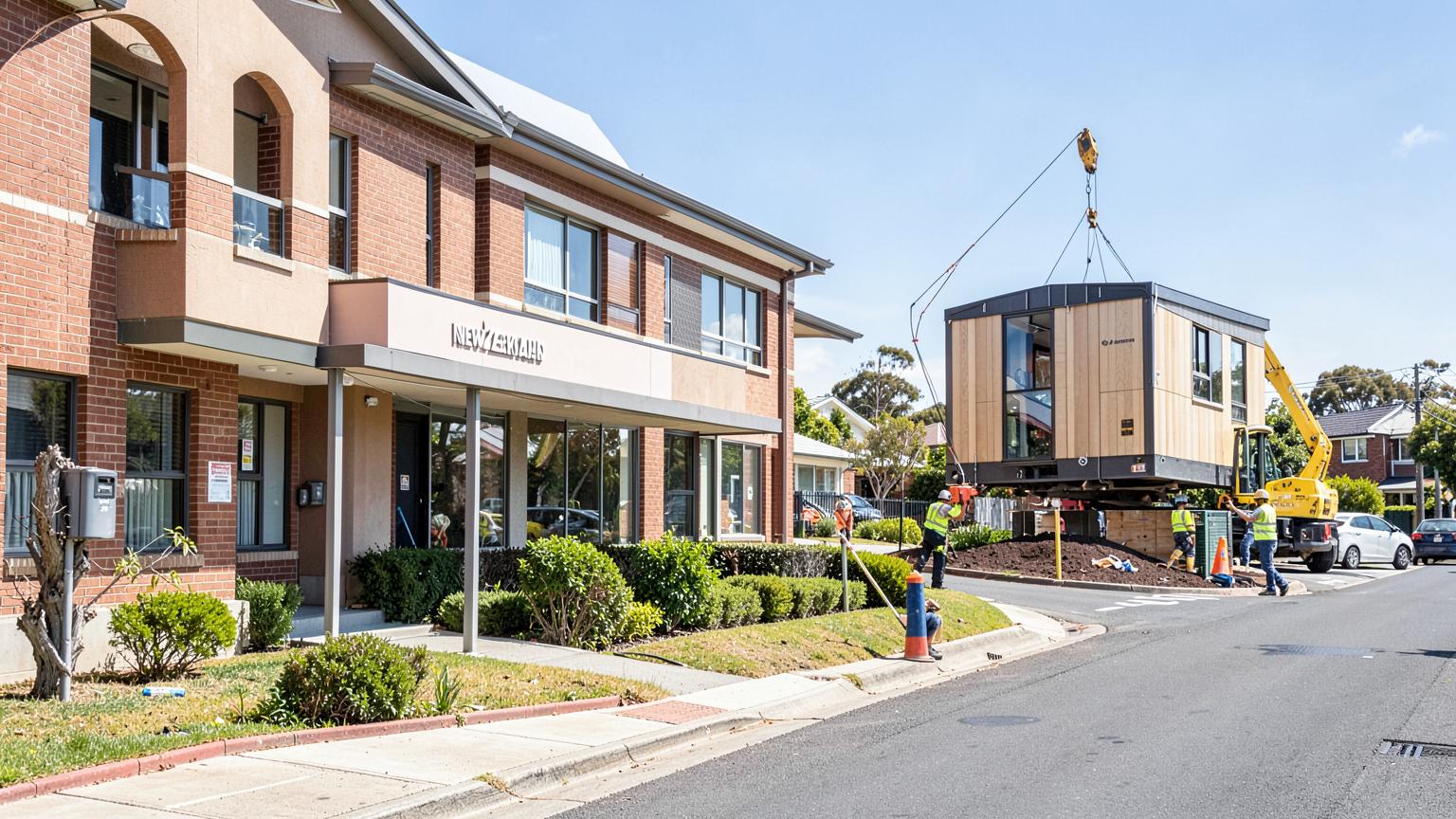
Spring 2026: small-home builds hit a record as the 70m² rule beds in
Nine months after the consent exemption took effect, councils are reporting their busiest spring on record for small stand-alone dwellings — and prefab suppliers are scaling up to meet demand.
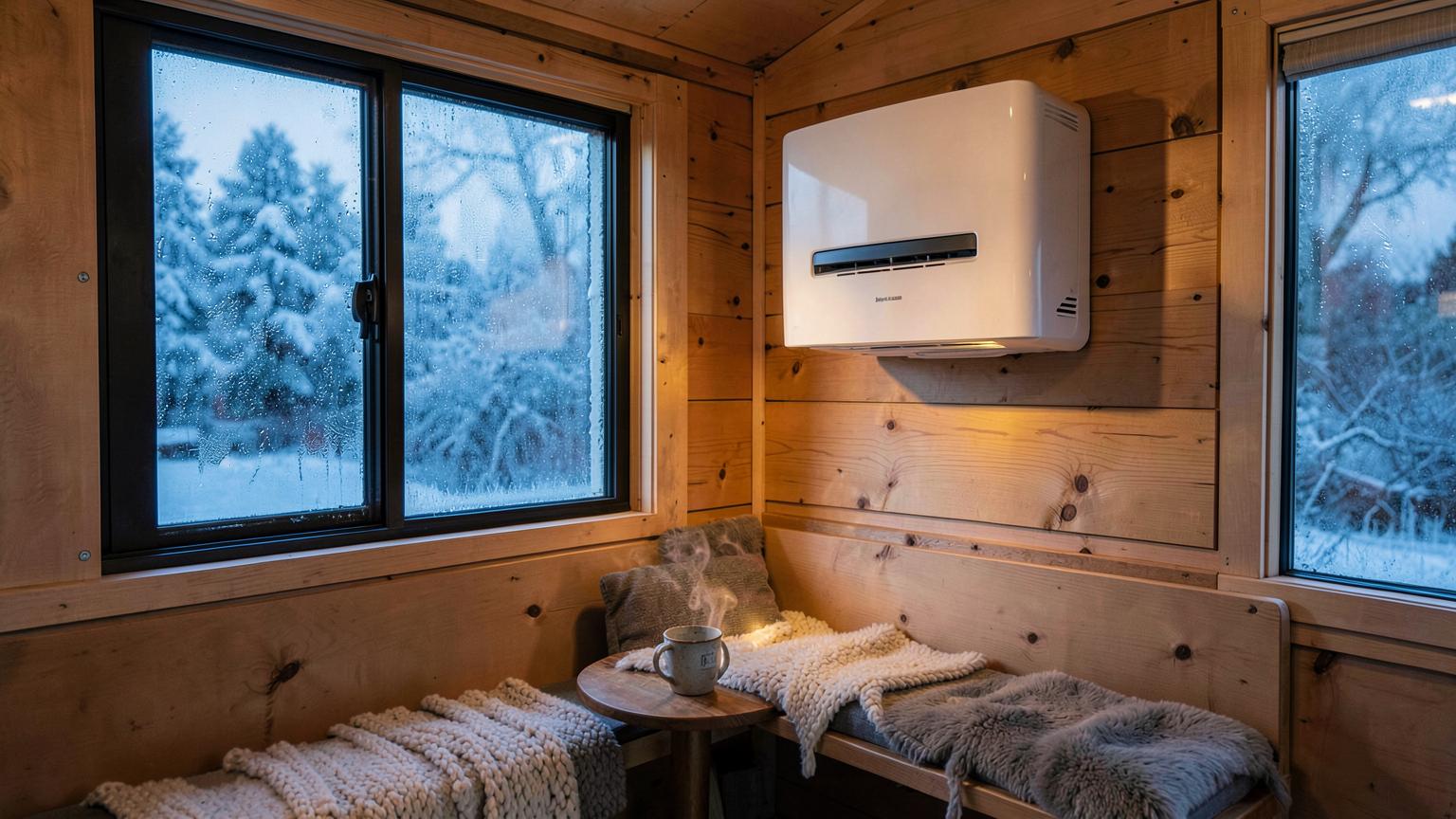
What owners actually paid to heat a small home this winter
We asked small-home owners across the country for their real winter power bills. The results show how far good insulation and a right-sized heat pump go.
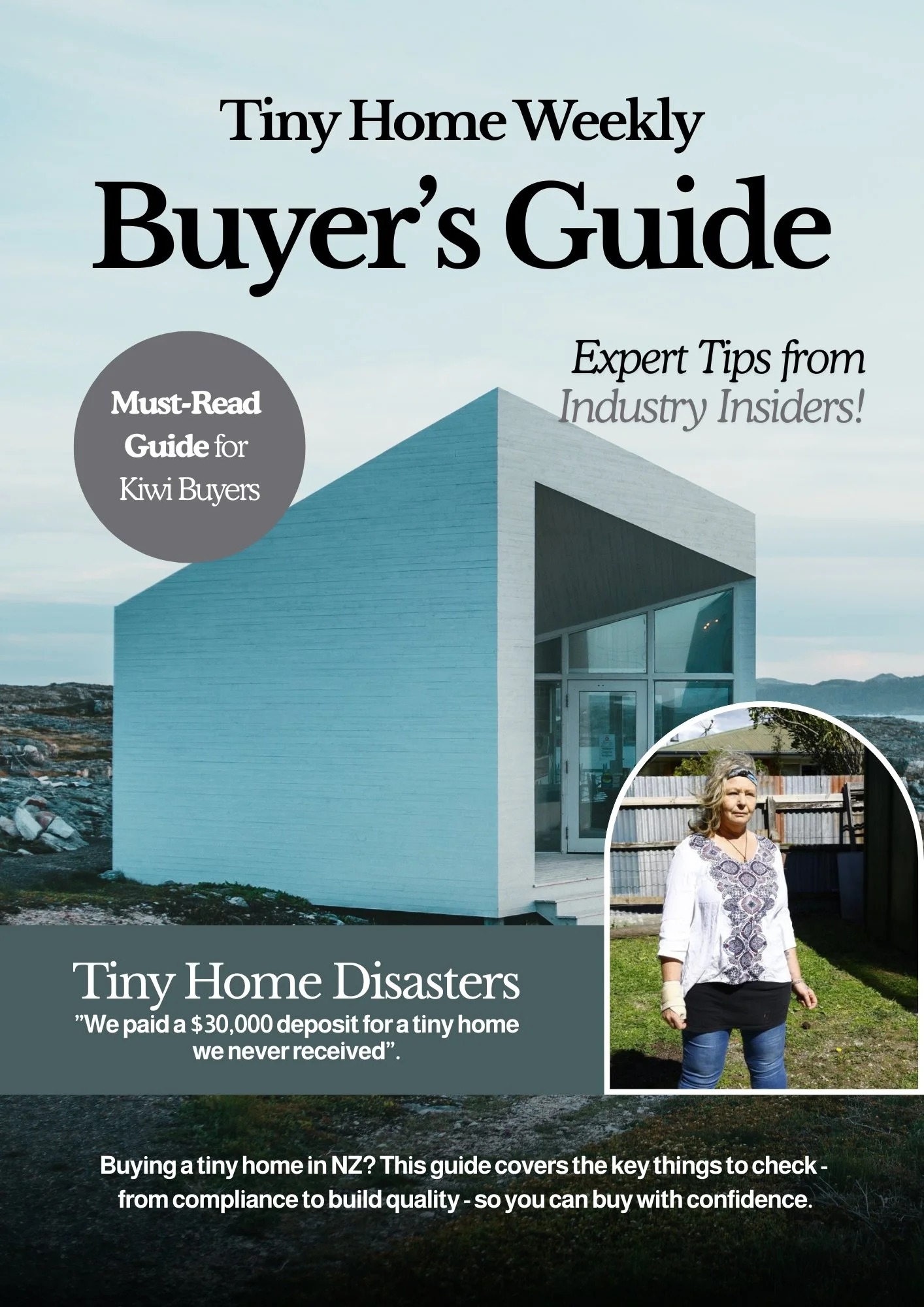
Thinking about a tiny home?
Get our free guide to compare your options — before you spend thousands.
- Expert tips from industry insiders
- Real delivery timelines
- 5 warning signs of a bad prefab seller