The Cold Truth About Winter in a Small Home — And How to Beat It
A well-built tiny home is one of the warmest places you can spend a New Zealand winter. A badly built one is one of the wettest. The difference comes down to three things.
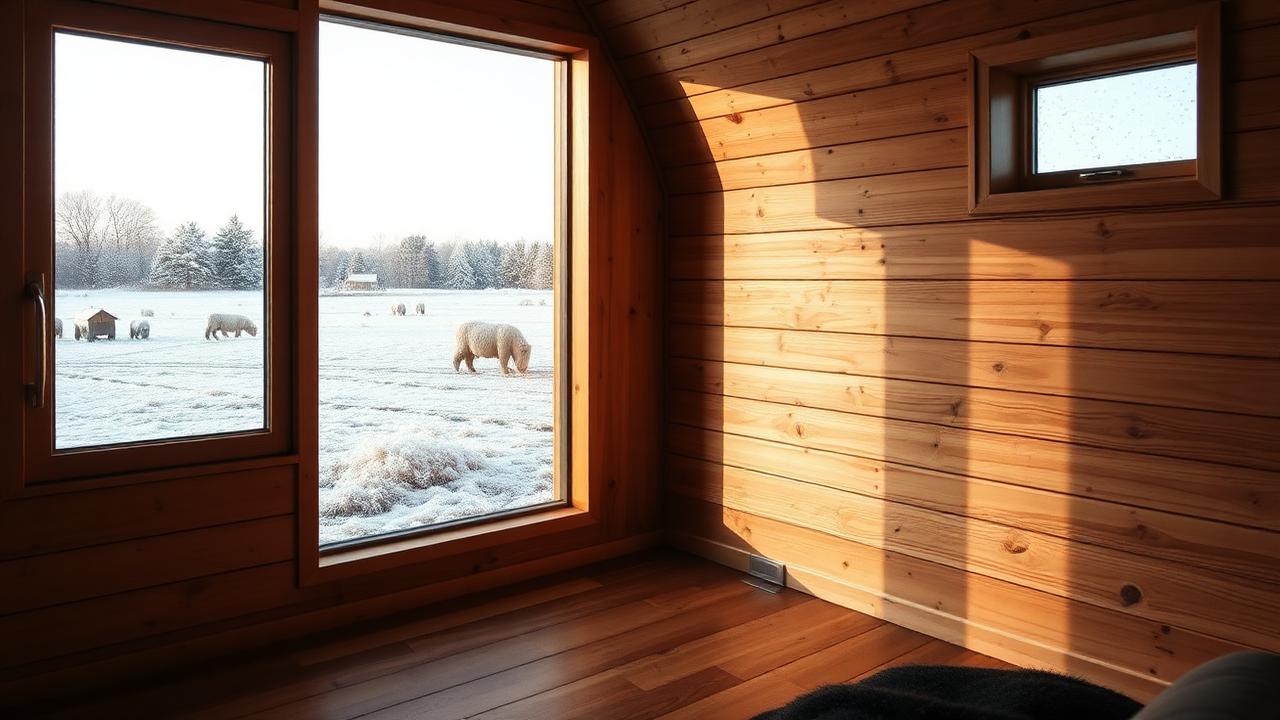
A poorly built cabin in July is a miserable place: streaming windows, a damp smell that never quite lifts, and a heater running flat out against a wall that may as well be cardboard. A well-built one of the same size can be kept warm with very little.
Both stories are true. Small homes amplify whatever you build into them, for better or worse. Here is what actually separates the two.
Insulation: the small-home advantage
A tiny home has less wall, floor and ceiling than a standard house, which means insulating it properly costs a fraction of what it would cost to insulate a villa. This is the single biggest advantage of building small, and it's the one most often squandered by buyers shopping on price alone.
The questions worth asking a builder are specific: what is the insulation value in the floor, walls and ceiling, and how is thermal bridging handled? A steel-framed unit with insulation stuffed between the studs will lose heat straight through the frame unless it's been designed around. Ask about double glazing too — in a home this size, the windows are a large share of the total envelope, and single glazing will undo good wall insulation on its own.
Ventilation: the part nobody wants to hear
Here's the counterintuitive bit. The instinct in winter is to seal everything and keep the warmth in. In a small home, that's how you end up with mould.
Two people breathing, a shower, and a pot of pasta put a surprising amount of moisture into the air, and a tiny home has very little air volume to dilute it. Without a way for that moisture to leave, it condenses on the coldest surface it can find — usually a window, sometimes the inside of a wall where you won't see it until it's a problem.
The fix isn't complicated: an extractor fan in the bathroom that vents outside rather than into the ceiling cavity, a rangehood over the cooktop, and a habit of cracking a window even when it feels wrong. Some builders now fit a mechanical ventilation system as standard, which does the job without the willpower.
“Small homes amplify whatever you build into them. Get the envelope right and the heating problem mostly solves itself.”
— Tiny Home Weekly
The moisture you bring with you
Two habits cause more winter misery in small homes than any construction flaw: drying washing indoors, and unflued gas heating. Both dump litres of water into the air. In a house you might get away with it. In 30 square metres you will not.
If you can't dry clothes outside, a vented dryer or a dehumidifier is worth the running cost. And if the plan is to heat with a portable LPG bottle heater because it's cheap, understand what you're trading — every kilogram of gas burnt releases roughly its own weight in water vapour into your living space.
What to check before you buy
Ask for insulation values in writing. Confirm the glazing spec. Confirm where the bathroom fan vents to. Ask whether there's a heat pump provision or just a power point and hope. None of these are expensive to get right at the factory, and all of them are expensive to fix later.
Done properly, a tiny home is genuinely cheap to keep warm — there just isn't much of it to heat. That's the whole promise. It just depends on someone having built it that way.

Hana Mitchell
Hana has covered housing and small-space design in Aotearoa for over a decade. She founded Tiny Home Weekly to bring proper journalism to a sector Kiwis are increasingly excited about.
Also worth reading
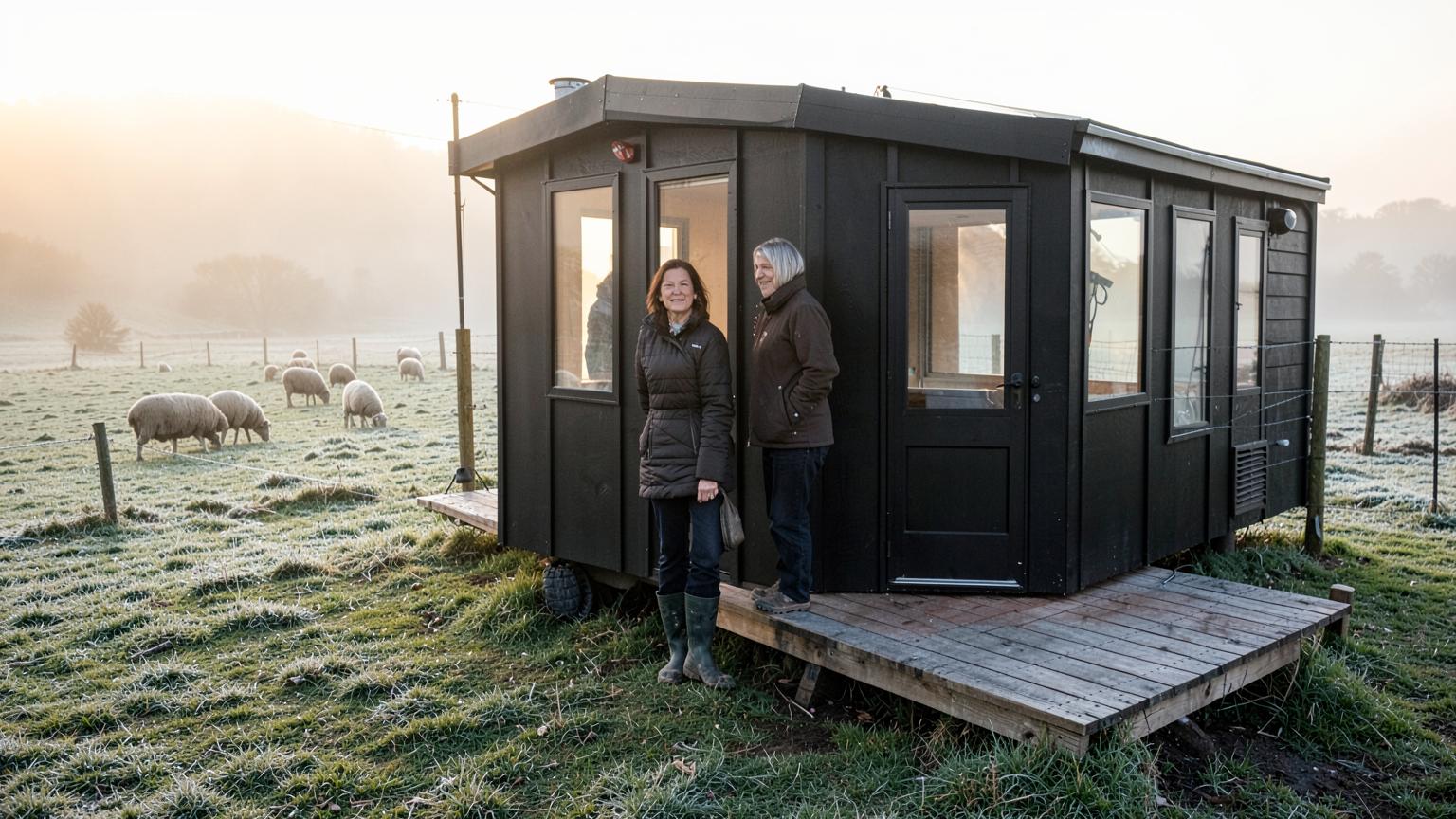
From a Shed to My Own Front Door: One Canterbury Woman's Story
She lost the house, the marriage and her security in a single text message. Six months later she owns her home outright — for $24,500.
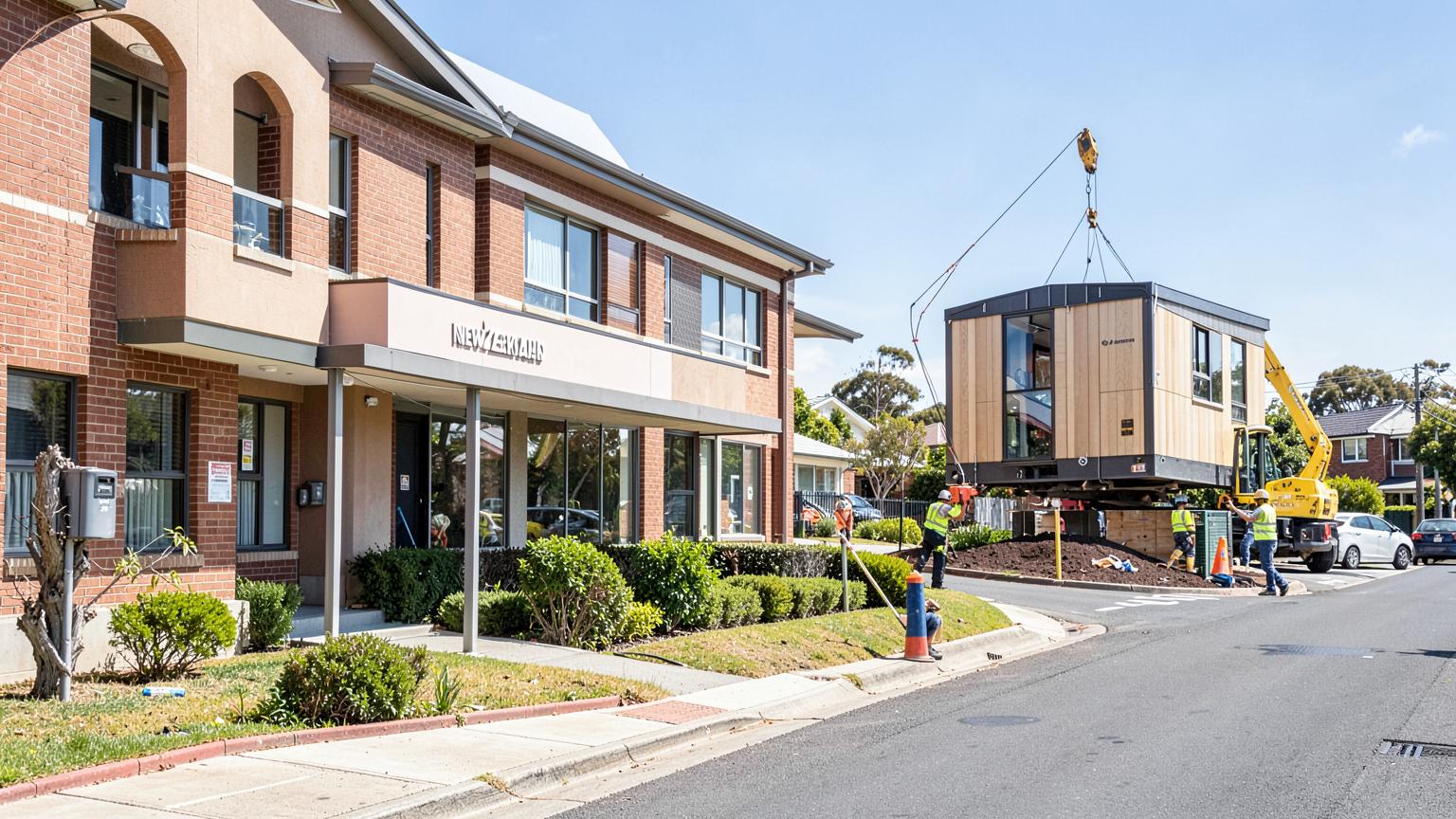
Spring 2026: small-home builds hit a record as the 70m² rule beds in
Nine months after the consent exemption took effect, councils are reporting their busiest spring on record for small stand-alone dwellings — and prefab suppliers are scaling up to meet demand.
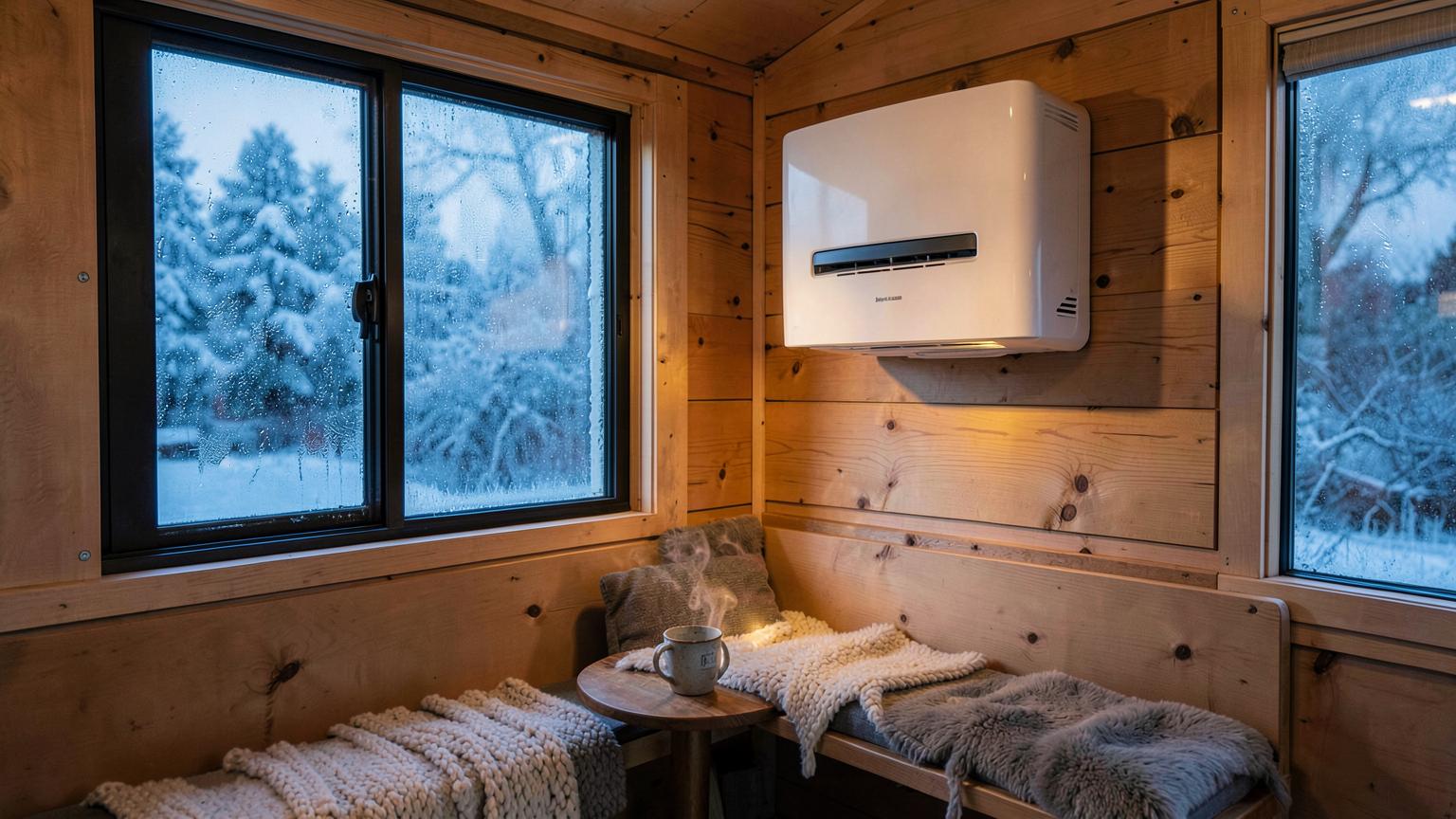
What owners actually paid to heat a small home this winter
We asked small-home owners across the country for their real winter power bills. The results show how far good insulation and a right-sized heat pump go.

Thinking about a tiny home?
Get our free guide to compare your options — before you spend thousands.
- Expert tips from industry insiders
- Real delivery timelines
- 5 warning signs of a bad prefab seller