Feature
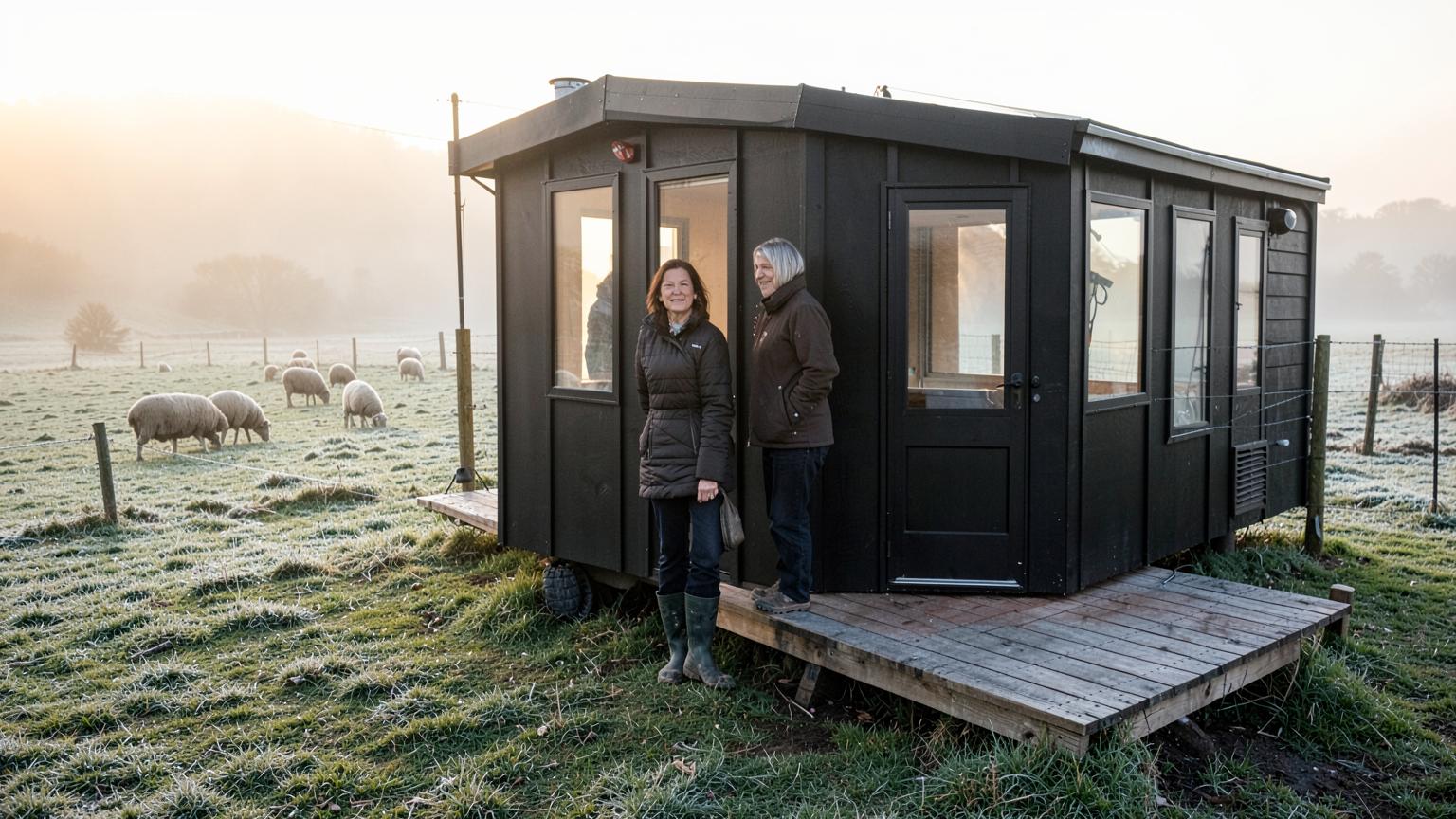
From a Shed to My Own Front Door: One Canterbury Woman's Story
She lost the house, the marriage and her security in a single text message. Six months later she owns her home outright — for $24,500.
Big rural sections, working farms, and easy road access for delivery.
The Waikato is delivery-friendly country: flat approaches, wide farm gates, and plenty of room to place a unit without a specialist lift. That alone knocks a meaningful chunk off the landed cost compared with a tight urban site.
It is also the heartland of small-home worker accommodation, with farms using compact dwellings to house staff on-site.
Rural road access and open sites mean fewer craneage surprises than in Auckland or Wellington.
Power, water and wastewater connections over distance can outweigh the savings on the section itself. Price the trench, not just the home.
Inland Waikato mornings are damp for much of the year — ventilation and a dry sub-floor matter.
Indicative average nightly rates we use in our backyard income calculator for Waikato. Actual rates vary by season, site and standard of finish.
| Size | Avg nightly (NZD) |
|---|---|
| 1 bedroom | $140 |
| 2 bedrooms | $180 |
| 3 bedrooms | $230 |
She lost the house, the marriage and her security in a single text message. Six months later she owns her home outright — for $24,500.
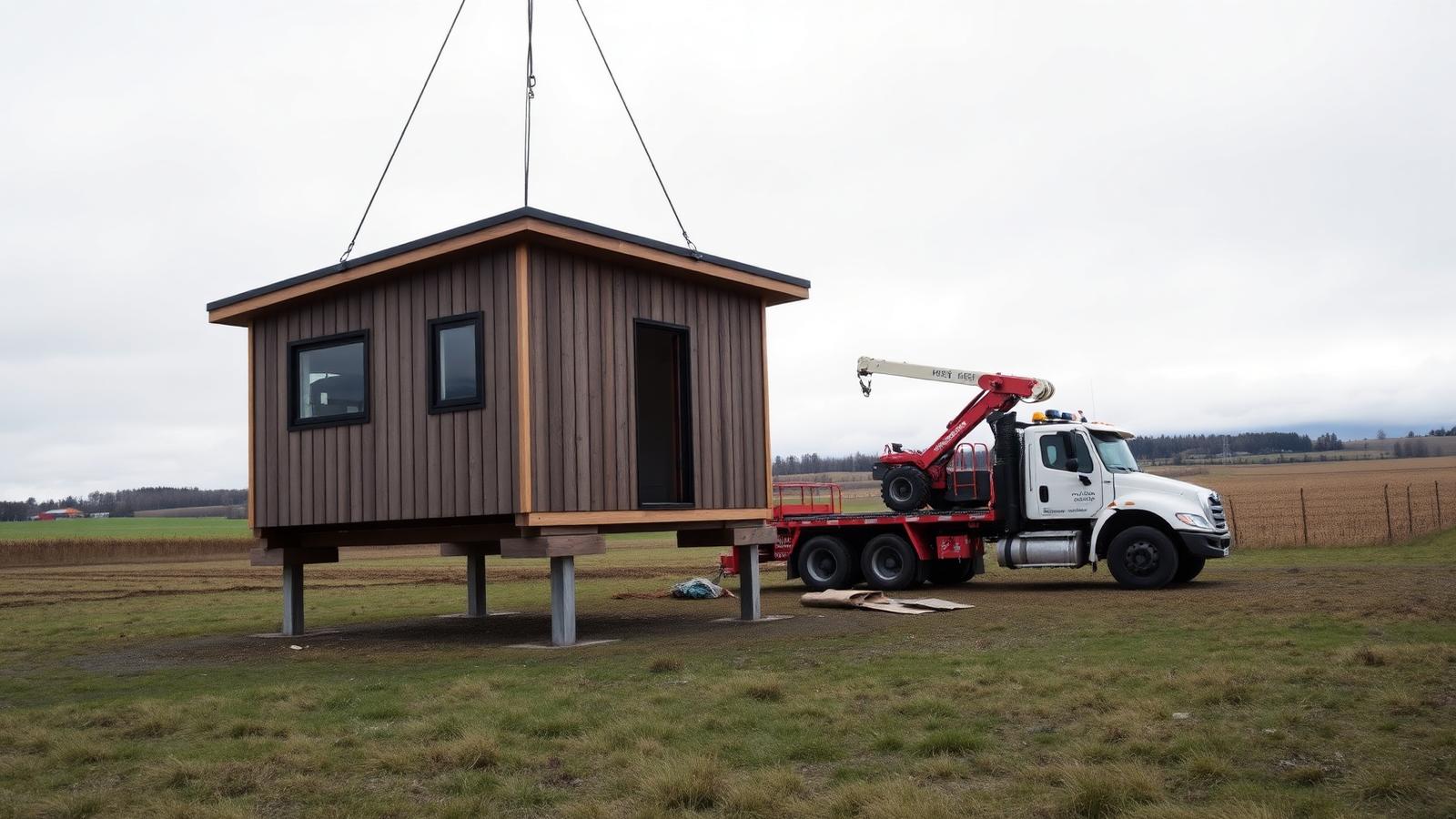
Transport, craneage and site access are the line items that move most between quotes. Here is how they are priced this year and what changes the number.
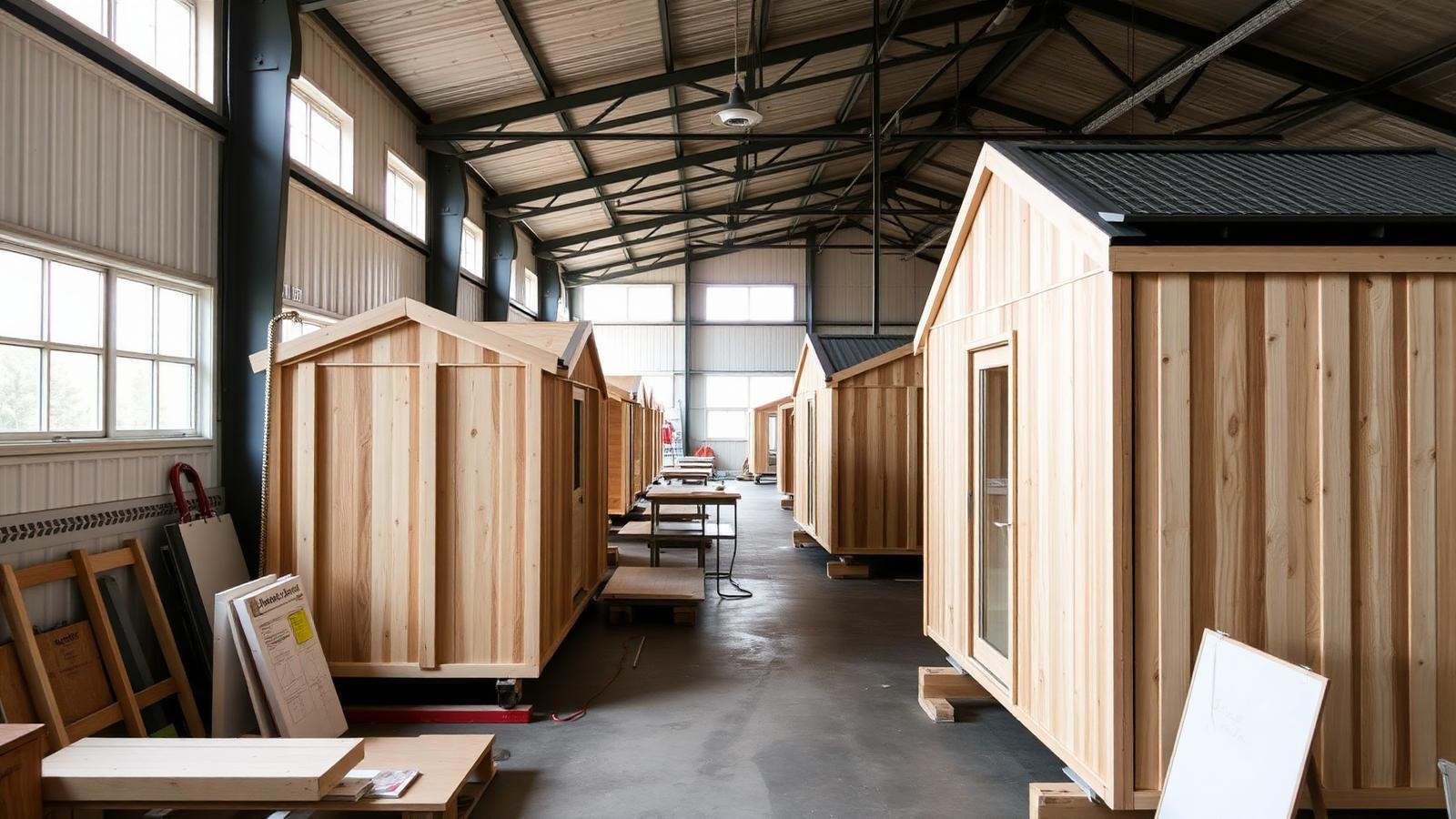
Factories are quoting later start dates than they were in autumn. If you want a home on the ground before Christmas, this is the month the decision gets made.
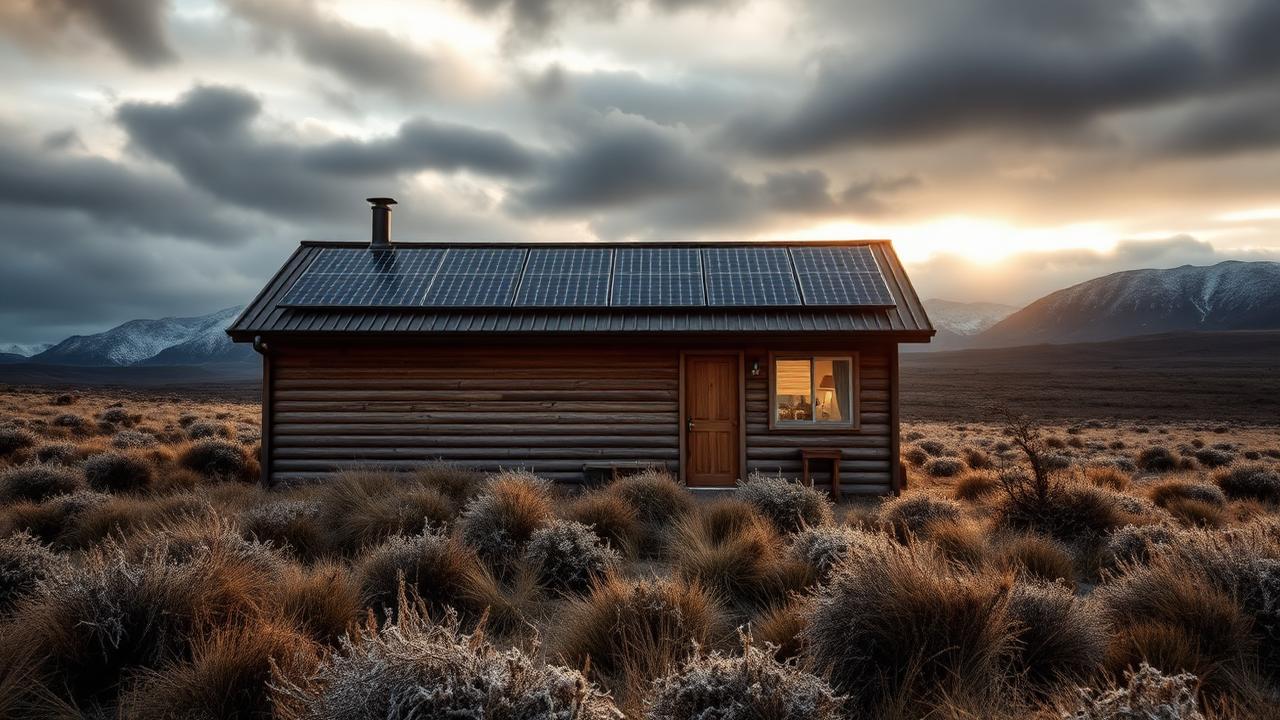
A year of data from a Wānaka cabin shows exactly where the money goes — and why a well-designed off-grid setup performs better than most people expect.
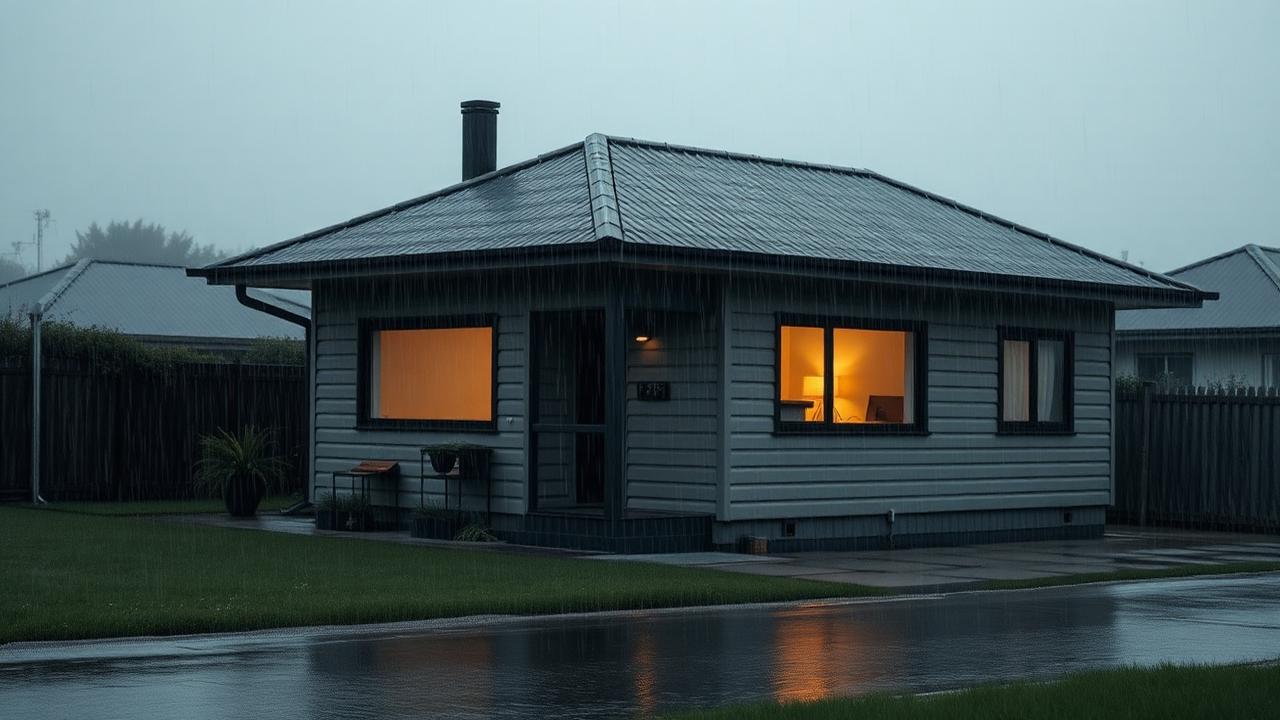
Standard house insurance often doesn't fit a tiny home, and standard contents cover doesn't either. Sorting out which policy you actually need is a job for before delivery day, not after.
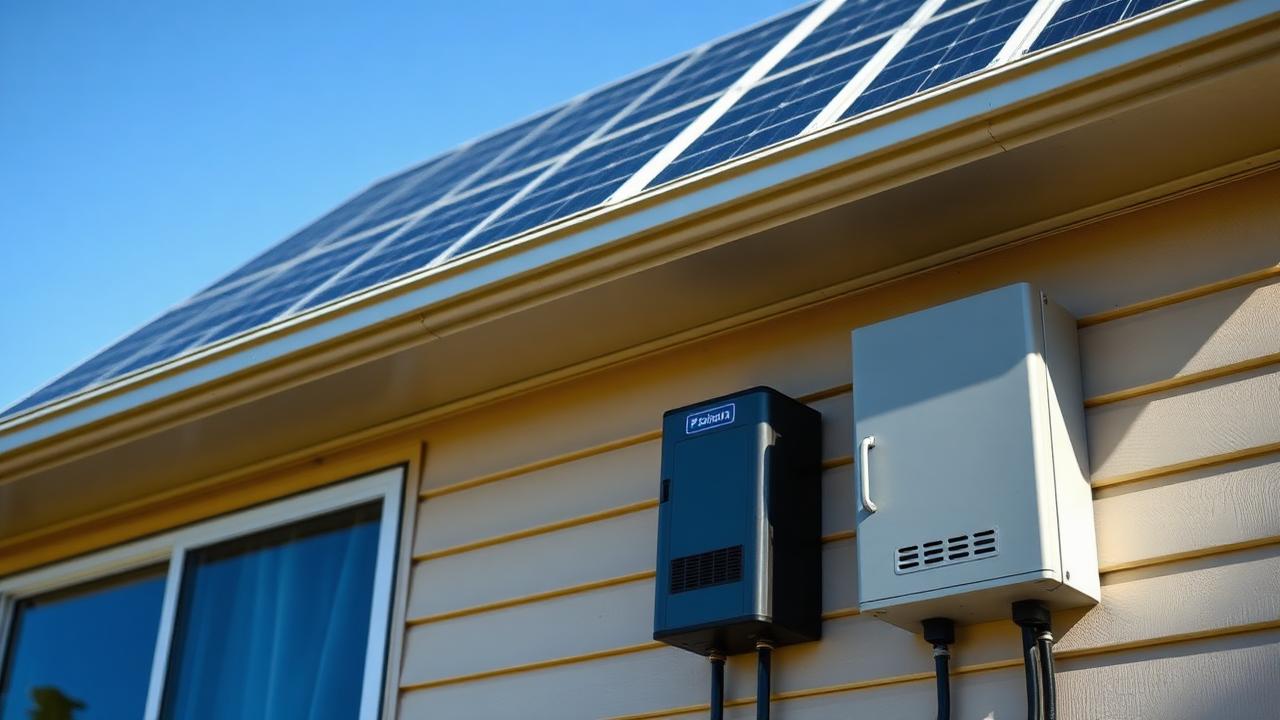
A tiny home is small enough that solar can realistically carry it. The trick is sizing the system for June, not for January.
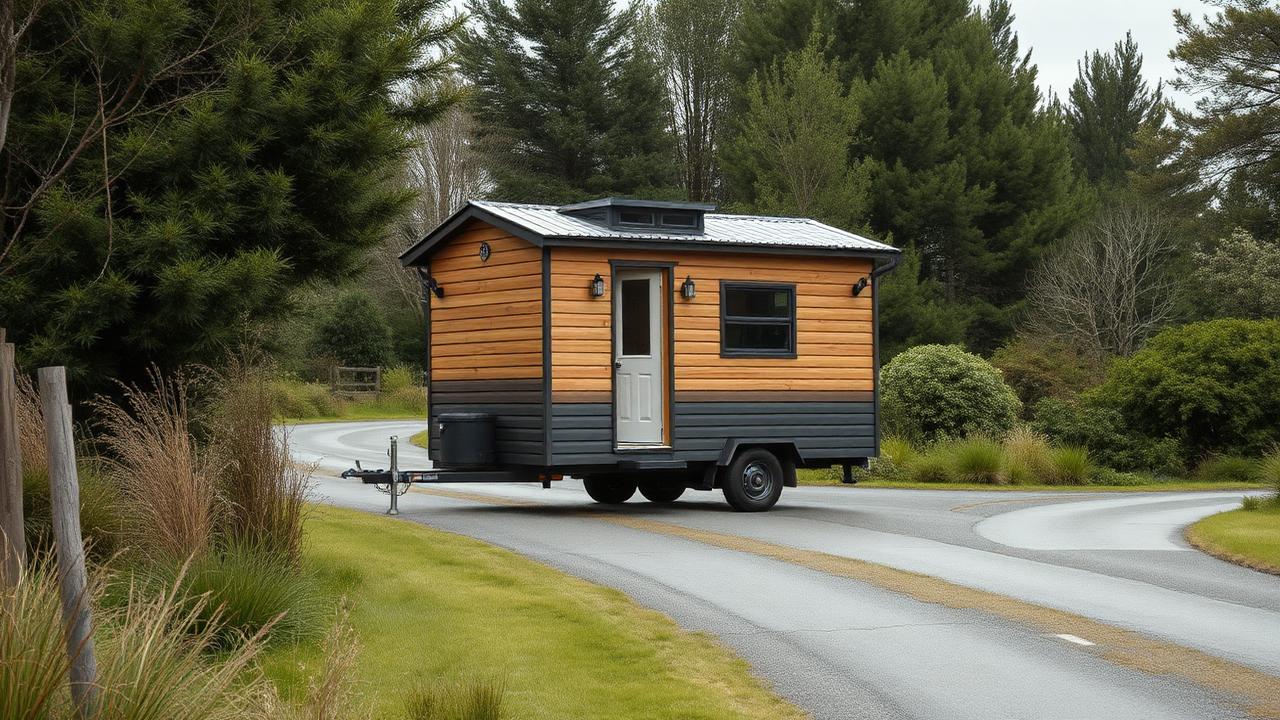
Your home can be built beautifully and still meet its match at your own gate. Access is the cost buyers forget and the problem that can't be solved with money on the day.
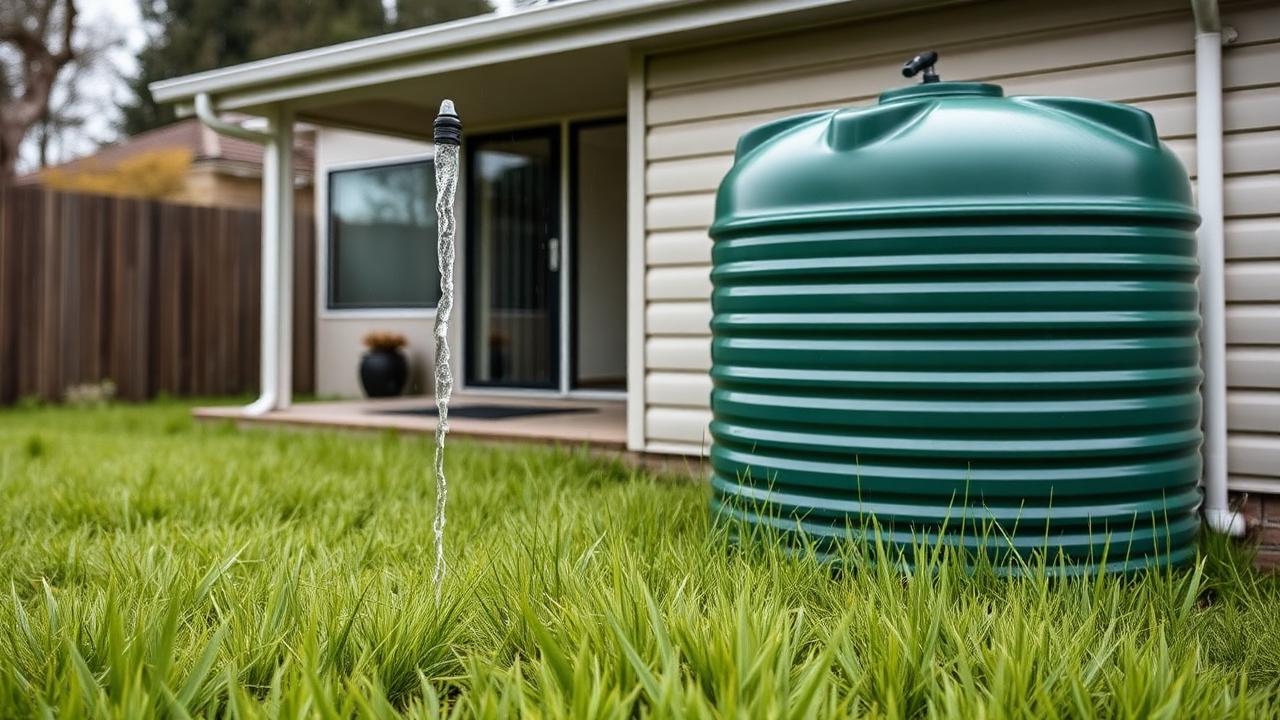
A small roof collects less water than a big one, which makes tank sizing a real calculation rather than a guess. The good news is that small households use remarkably little.

Get our free guide to compare your options — before you spend thousands.