Guides
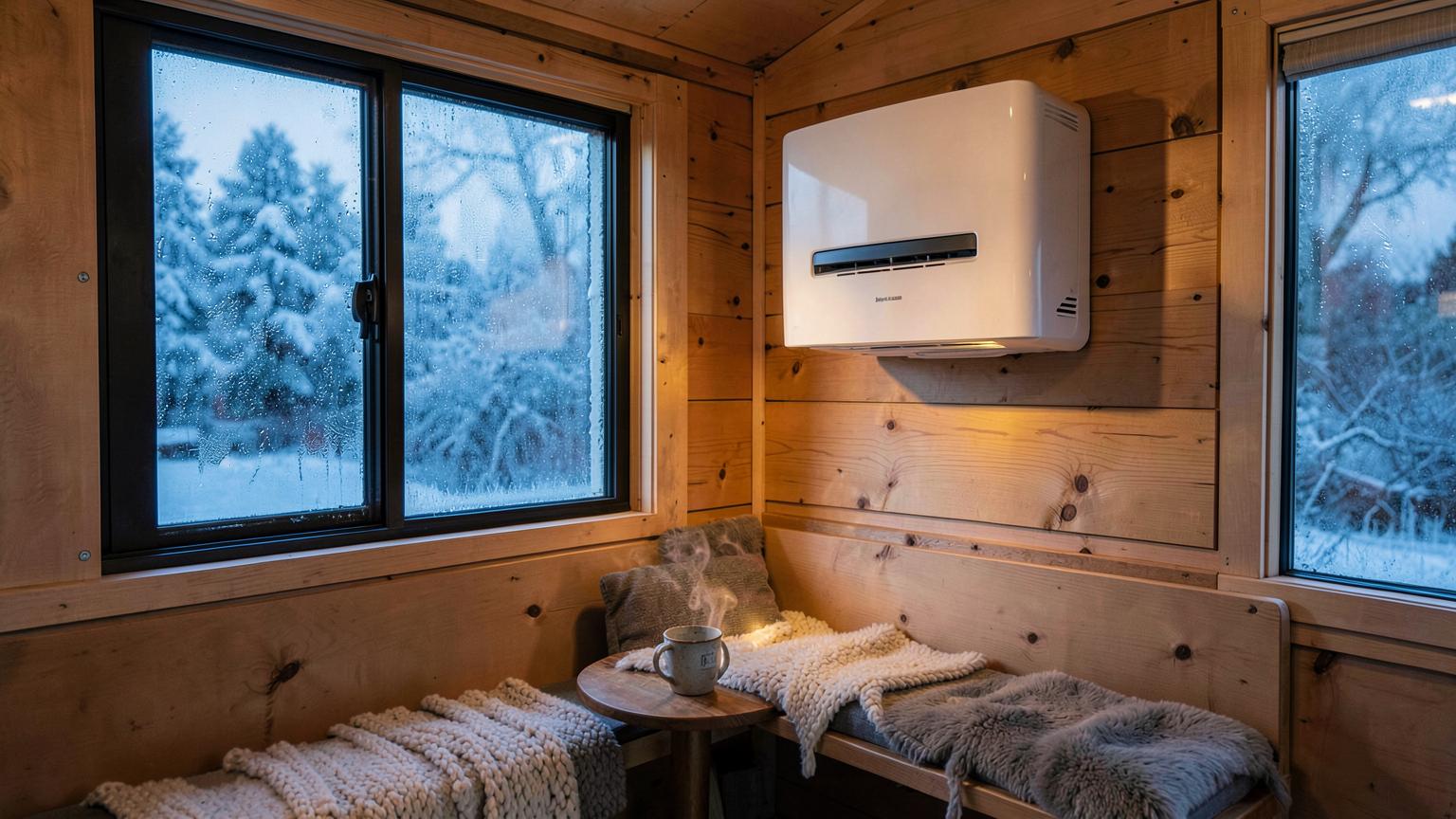
What owners actually paid to heat a small home this winter
We asked small-home owners across the country for their real winter power bills. The results show how far good insulation and a right-sized heat pump go.
Alpine winters, the country's strongest short-stay demand, and the tightest worker housing squeeze.
Otago combines two pressures: severe winters that demand a genuinely well-built envelope, and a visitor economy that makes a compliant second dwelling one of the better-earning small buildings in the country.
Queenstown Lakes in particular has an acute accommodation shortage for workers, and compact dwellings have become part of the answer.
Alpine sites have specific structural and thermal requirements. Confirm the design has been engineered for your zone, not for a generic New Zealand average.
Our own regional figures put average short-stay nightly rates in Otago at around NZD 225 for a two-bedroom unit.
Short-stay letting is more tightly managed in resort areas than elsewhere. Confirm what your zone allows.
Indicative average nightly rates we use in our backyard income calculator for Otago. Actual rates vary by season, site and standard of finish.
| Size | Avg nightly (NZD) |
|---|---|
| 1 bedroom | $175 |
| 2 bedrooms | $225 |
| 3 bedrooms | $295 |
We asked small-home owners across the country for their real winter power bills. The results show how far good insulation and a right-sized heat pump go.
A calculator built on real NZ short-stay data across all 16 regions — monthly income, payoff time and the ten-year return on a pre-built expandable home.
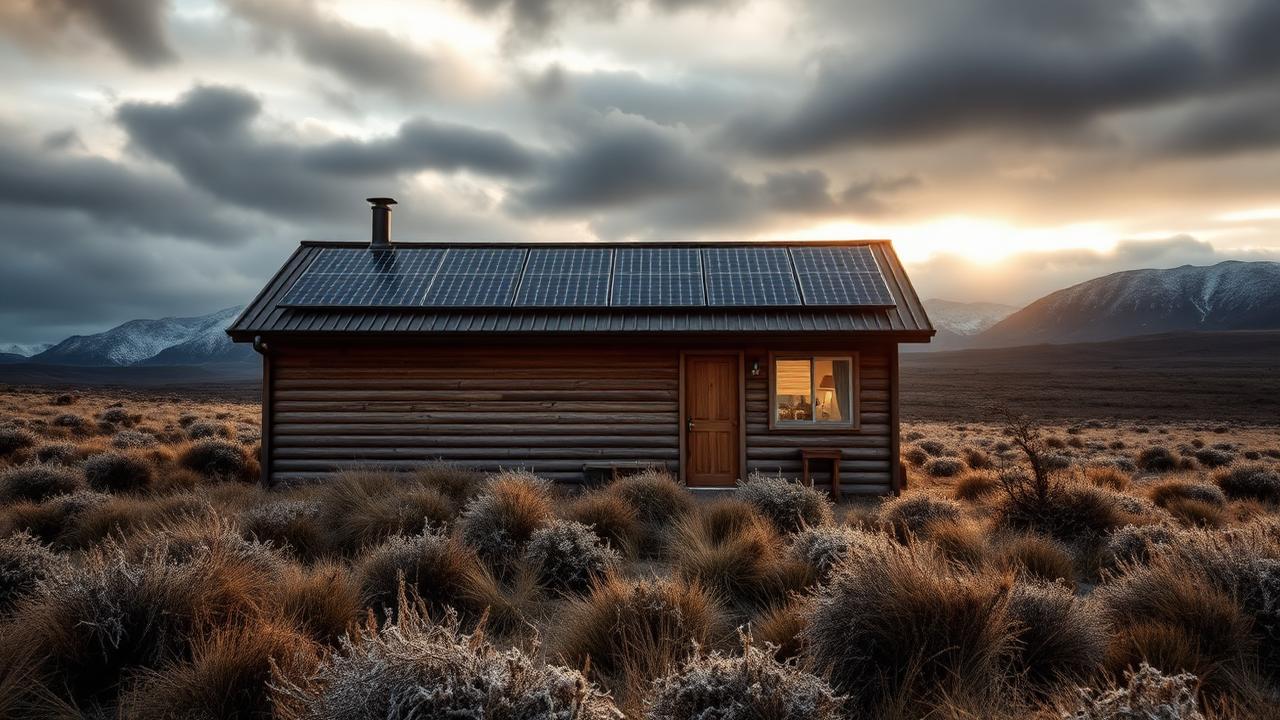
A year of data from a Wānaka cabin shows exactly where the money goes — and why a well-designed off-grid setup performs better than most people expect.
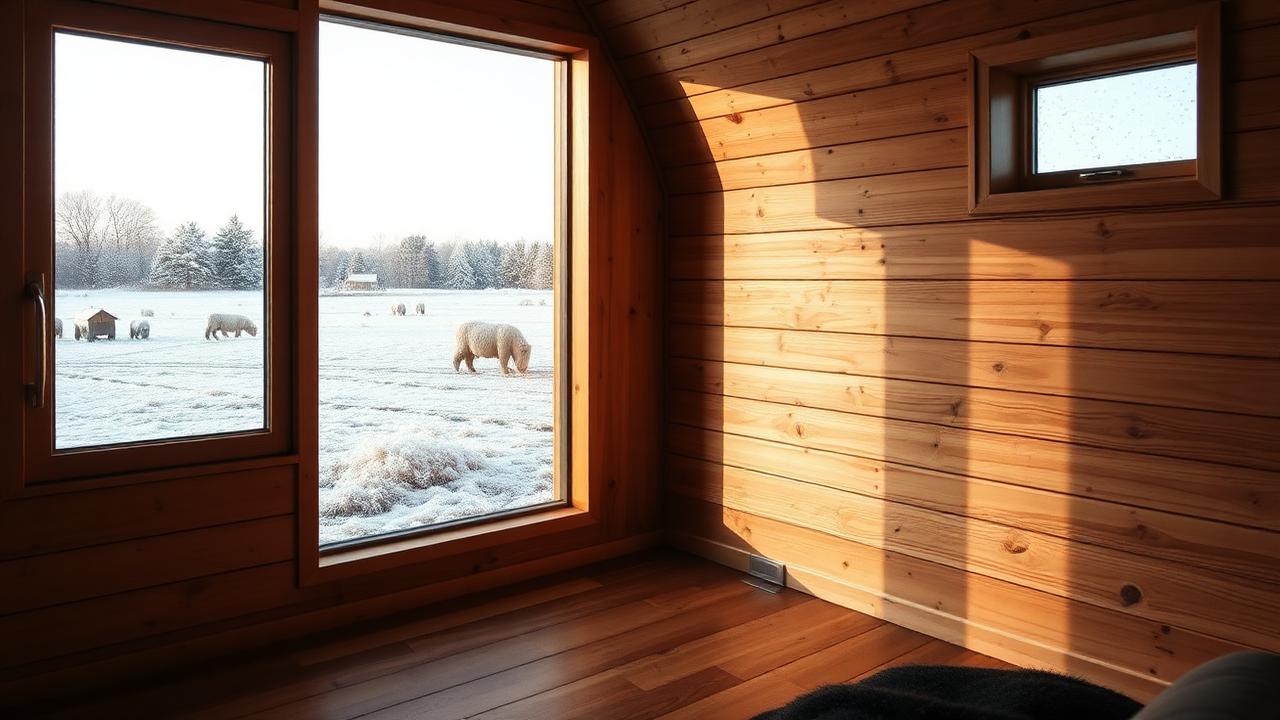
A well-built tiny home is one of the warmest places you can spend a New Zealand winter. A badly built one is one of the wettest. The difference comes down to three things.
A well-built tiny home is one of the warmest places you can spend a New Zealand winter. A badly built one is one of the wettest. The difference comes down to three things.
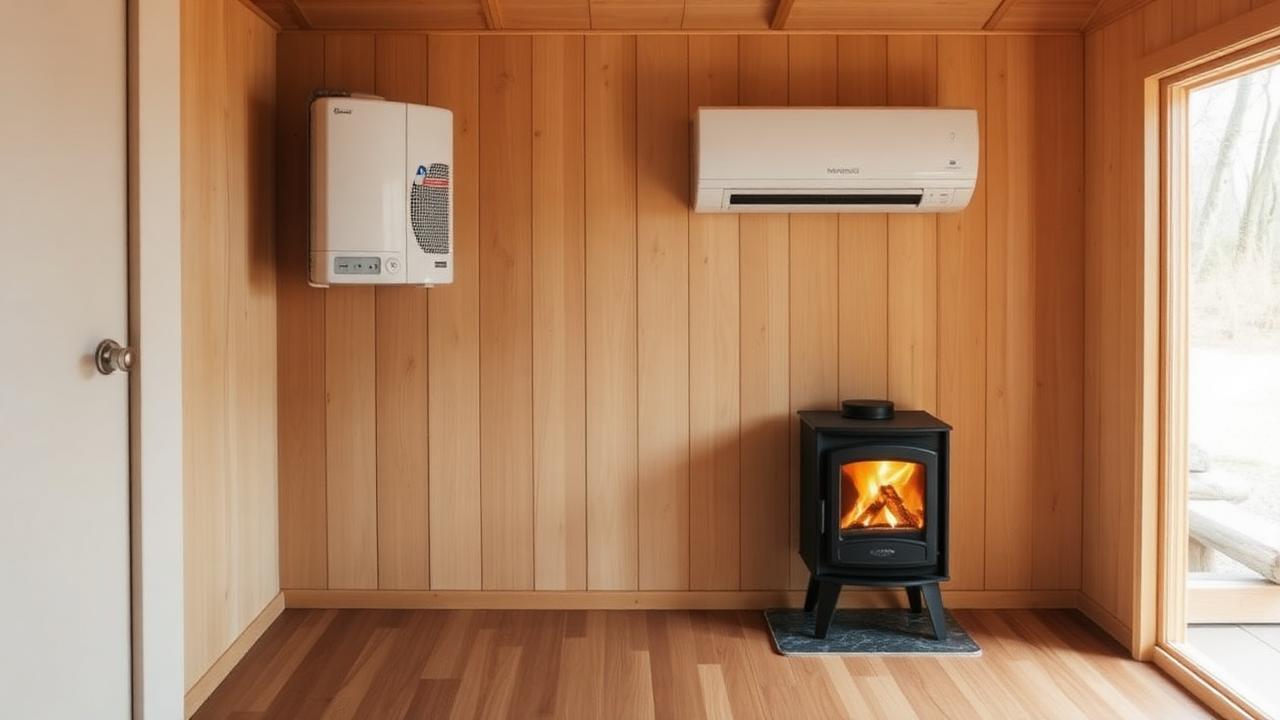
In a space this small, the wrong heater doesn't just cost more — it makes the home unliveable. Here's how the three main options actually perform.
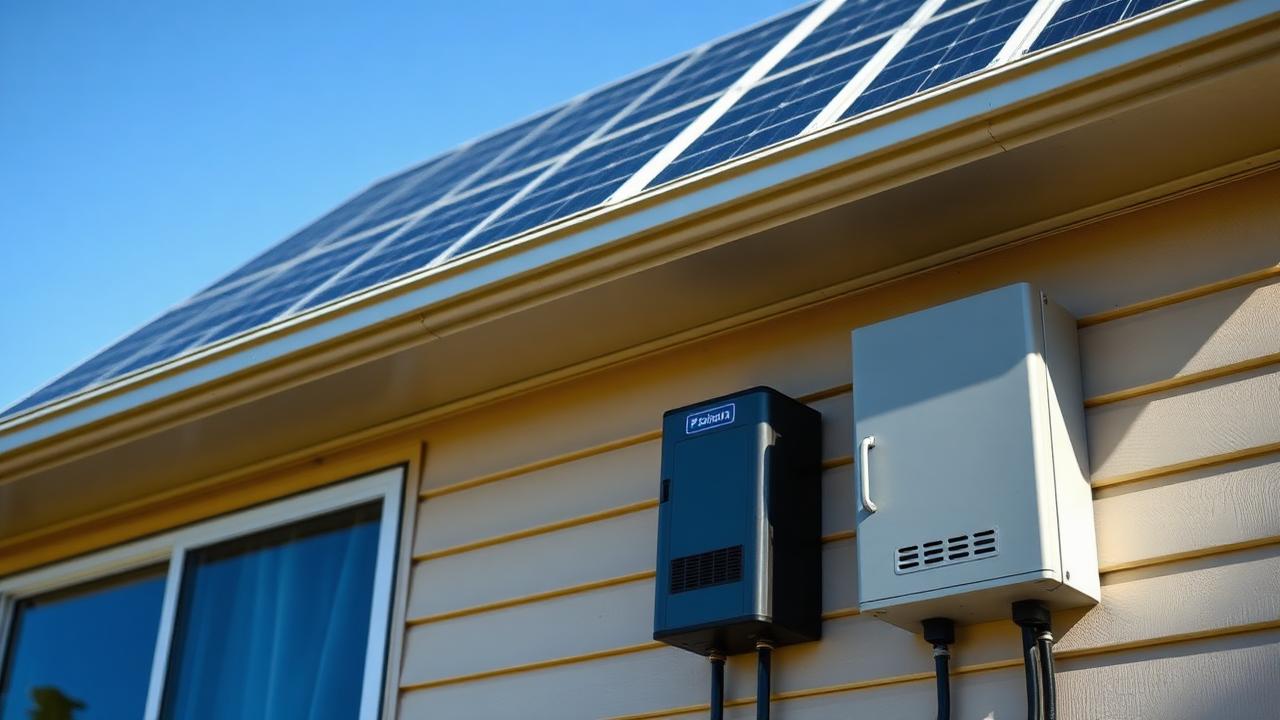
A tiny home is small enough that solar can realistically carry it. The trick is sizing the system for June, not for January.
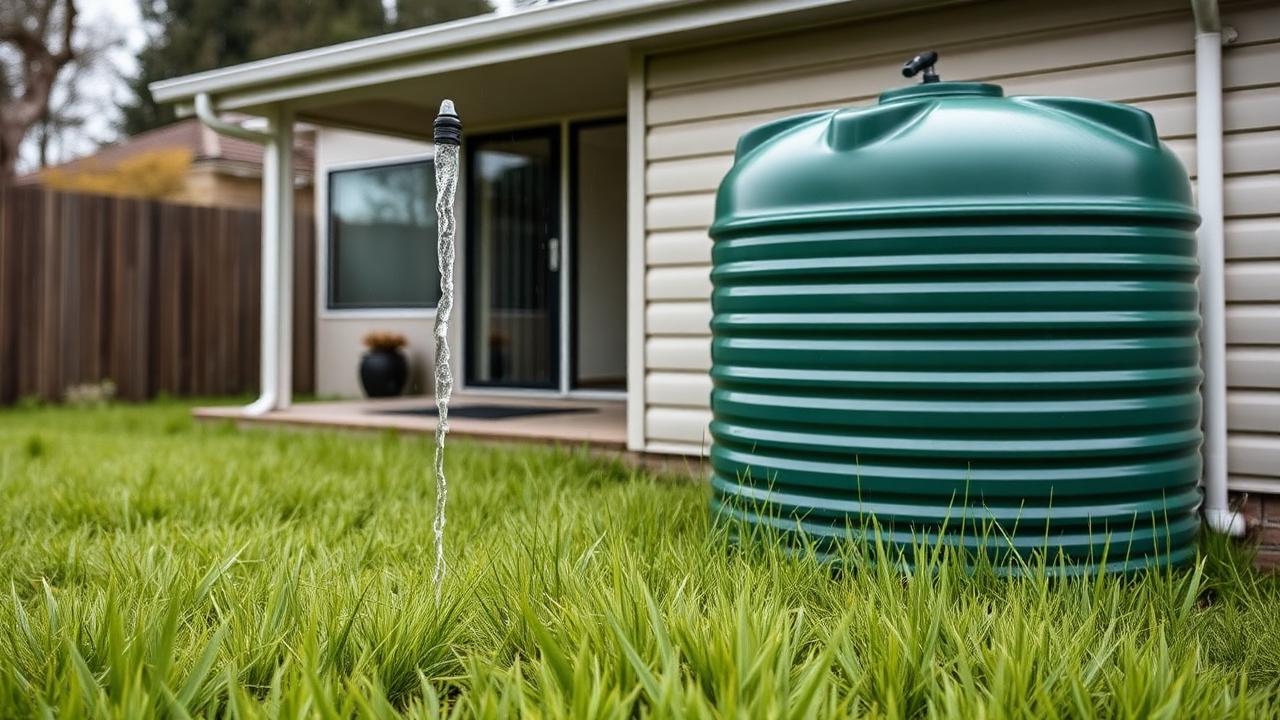
A small roof collects less water than a big one, which makes tank sizing a real calculation rather than a guess. The good news is that small households use remarkably little.

Get our free guide to compare your options — before you spend thousands.