Guides
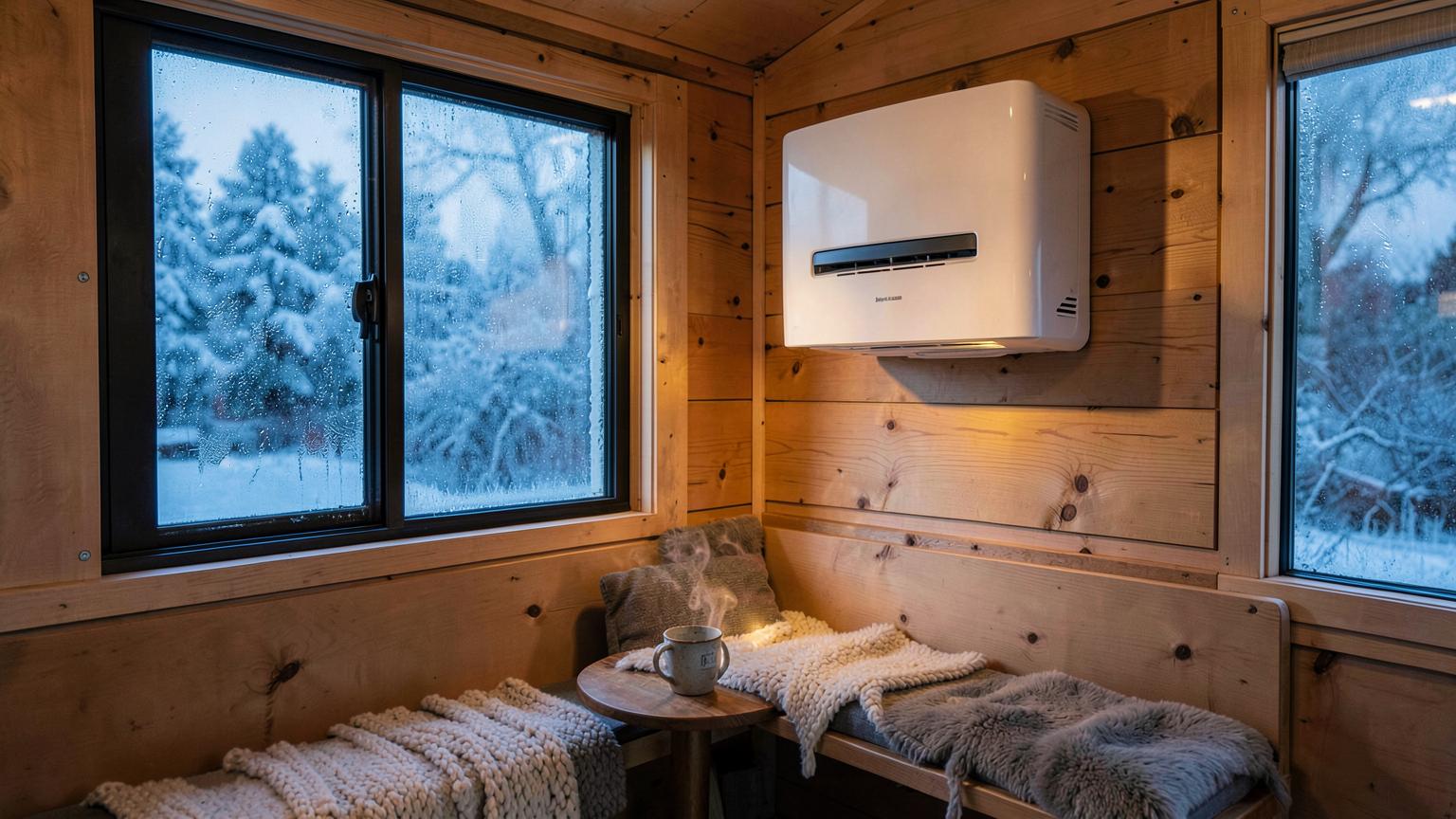
What owners actually paid to heat a small home this winter
We asked small-home owners across the country for their real winter power bills. The results show how far good insulation and a right-sized heat pump go.
Insulation, ventilation, heating and the condensation problem every small home has to solve.
Small volumes heat quickly and cool quickly, and two people breathing overnight puts a surprising amount of moisture into the air.
This is the practical side of small-home comfort: what to insulate, how to ventilate, and which heater suits the space.
We asked small-home owners across the country for their real winter power bills. The results show how far good insulation and a right-sized heat pump go.
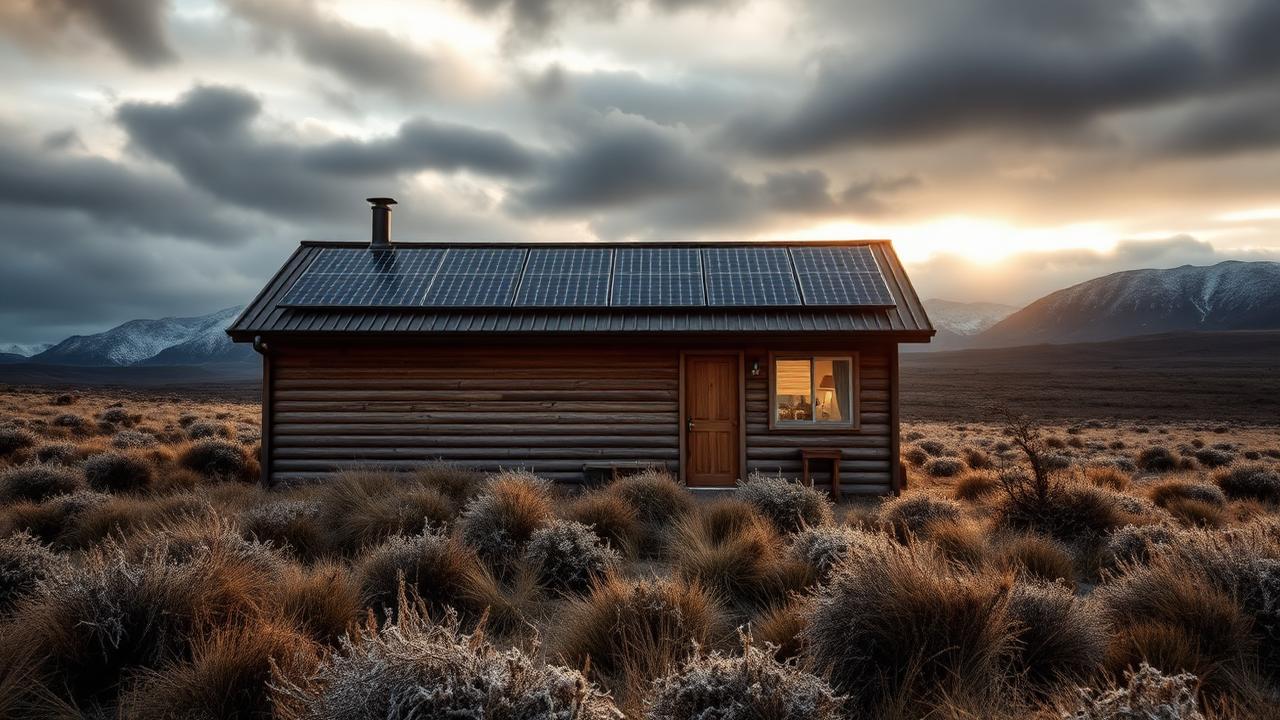
A year of data from a Wānaka cabin shows exactly where the money goes — and why a well-designed off-grid setup performs better than most people expect.
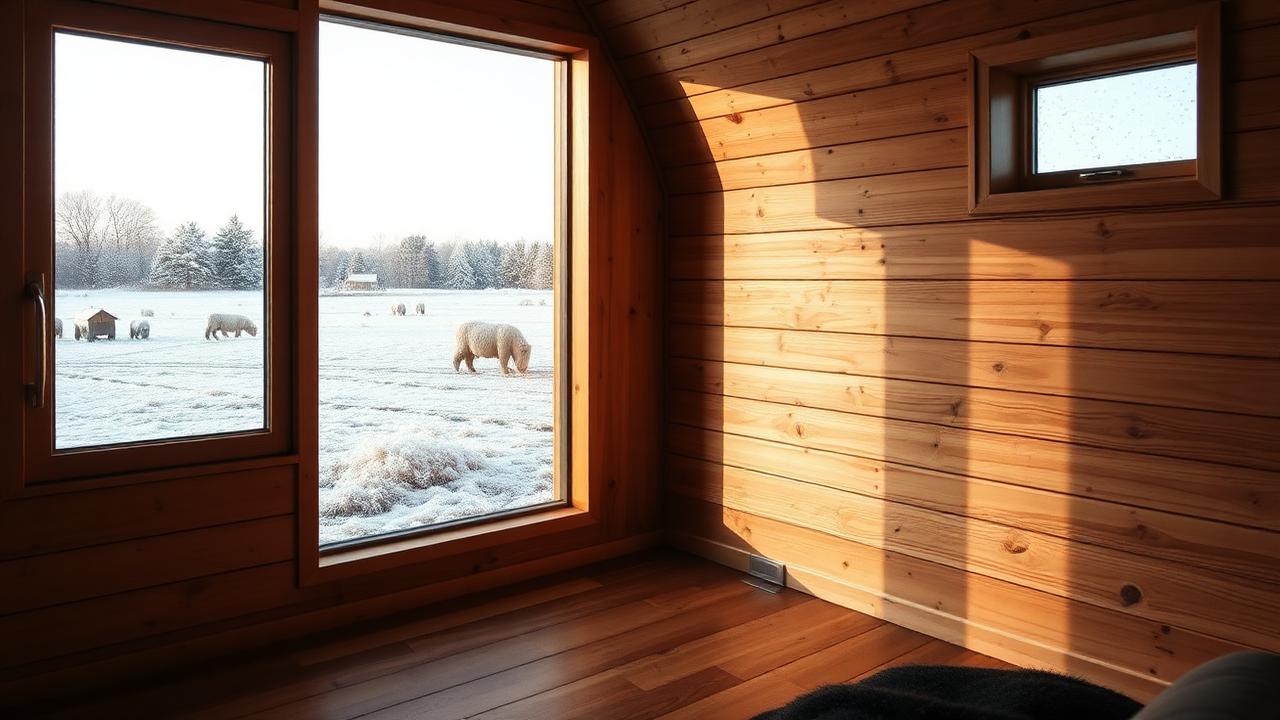
A well-built tiny home is one of the warmest places you can spend a New Zealand winter. A badly built one is one of the wettest. The difference comes down to three things.
A well-built tiny home is one of the warmest places you can spend a New Zealand winter. A badly built one is one of the wettest. The difference comes down to three things.
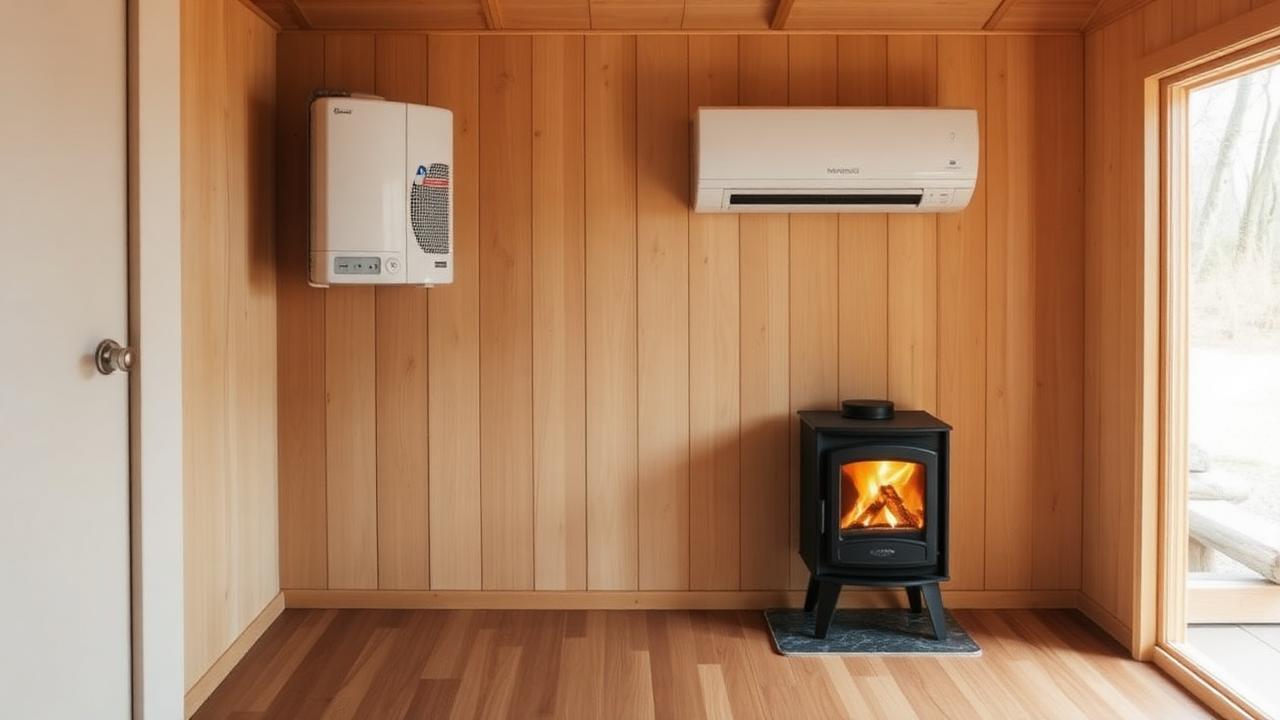
In a space this small, the wrong heater doesn't just cost more — it makes the home unliveable. Here's how the three main options actually perform.
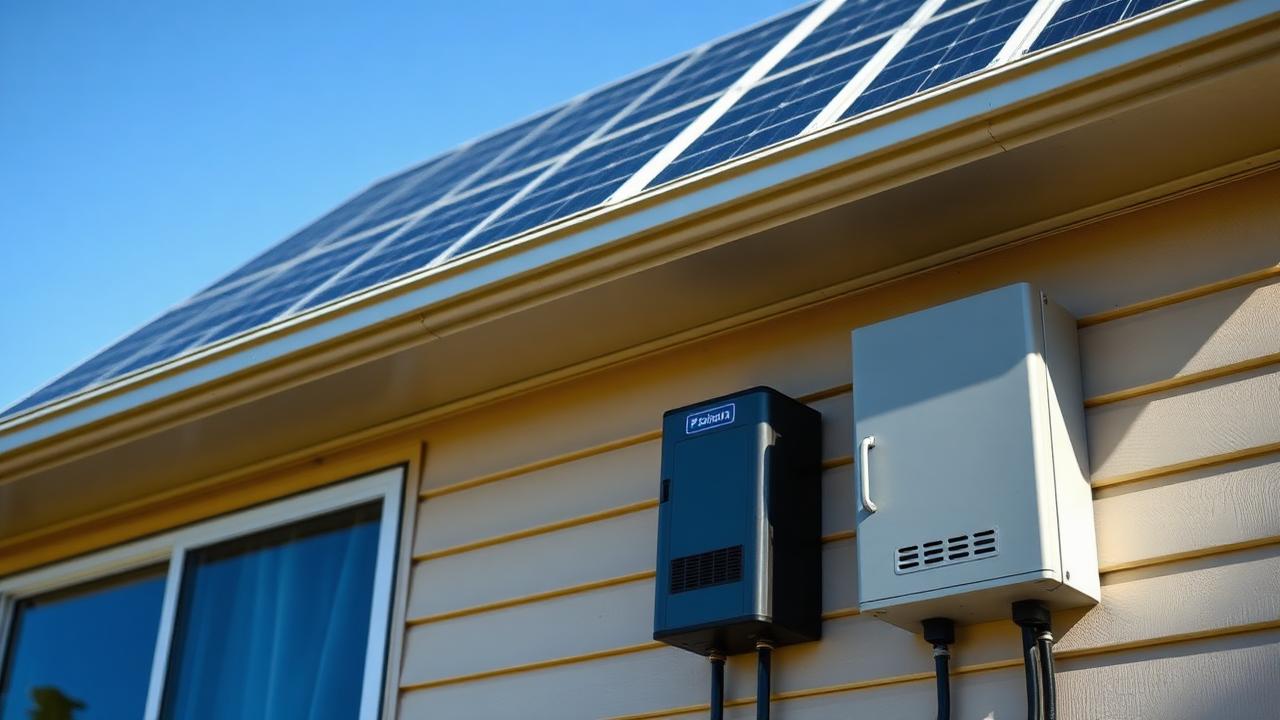
A tiny home is small enough that solar can realistically carry it. The trick is sizing the system for June, not for January.
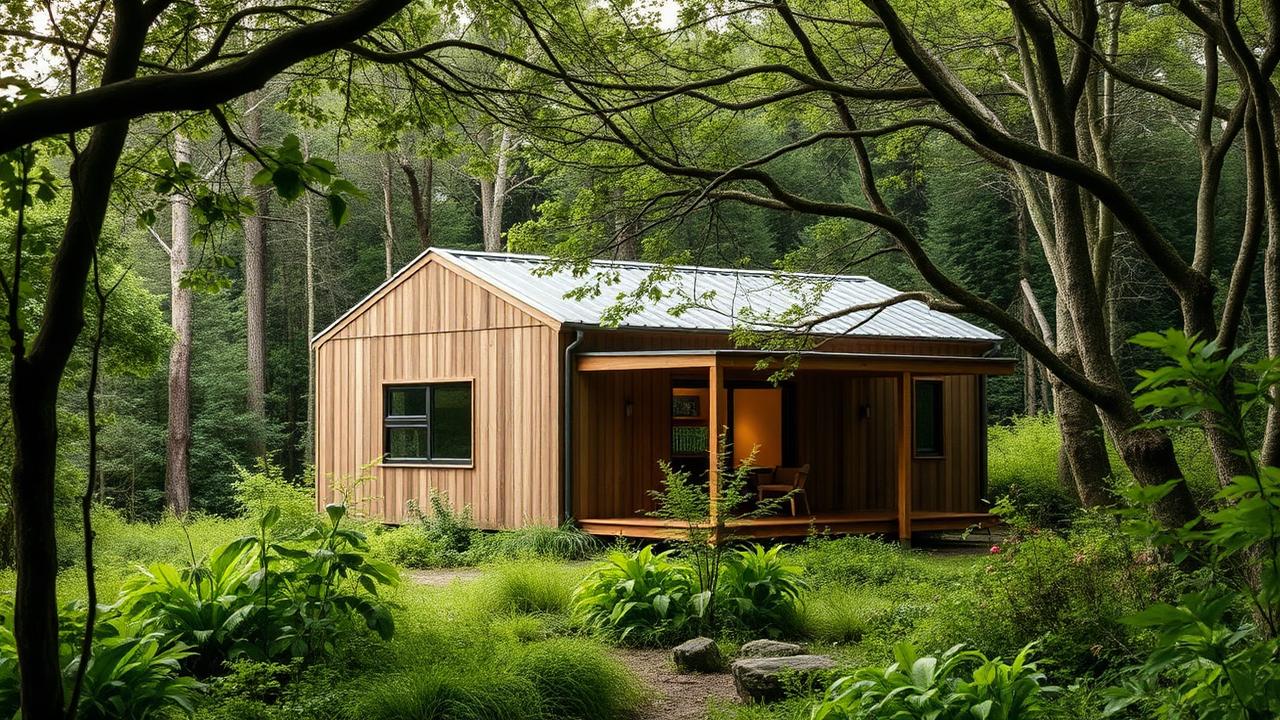
Building small is one of the most effective environmental decisions available to a homeowner. It's also not automatic — a badly specified tiny home can underperform a well-built house.

Get our free guide to compare your options — before you spend thousands.