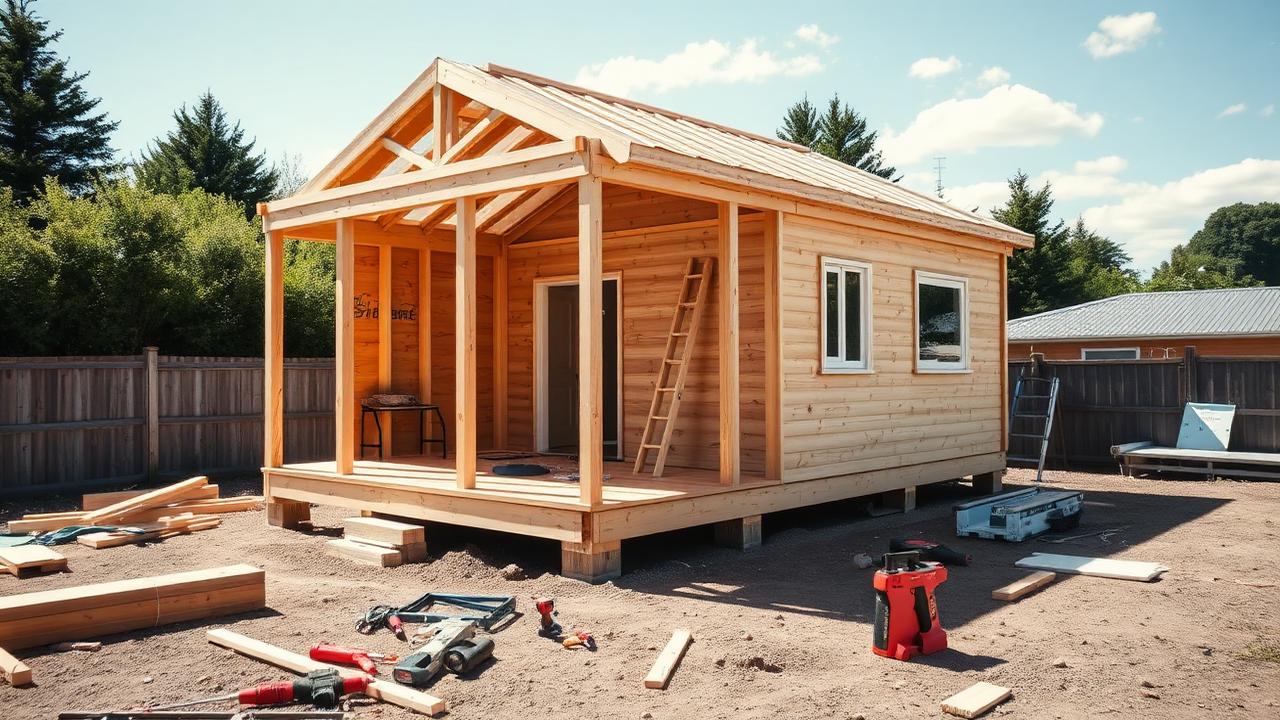
5 Practical Ways to Build on Family Land in the Pacific Islands
Comparing concrete, timber, cabins, containers and pre-built expandable homes for building on family land — cost, setup time and what lasts in island conditions.
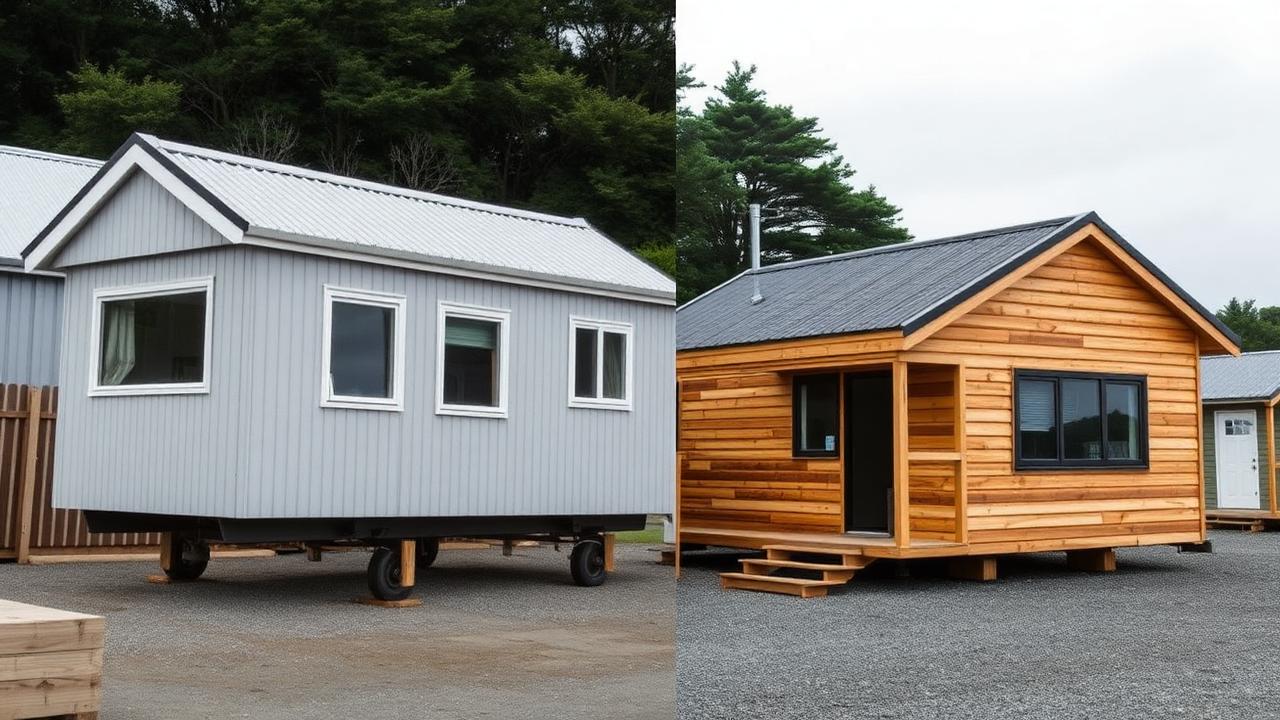
Factory-built, kitset, imported or locally made — how the options actually compare.
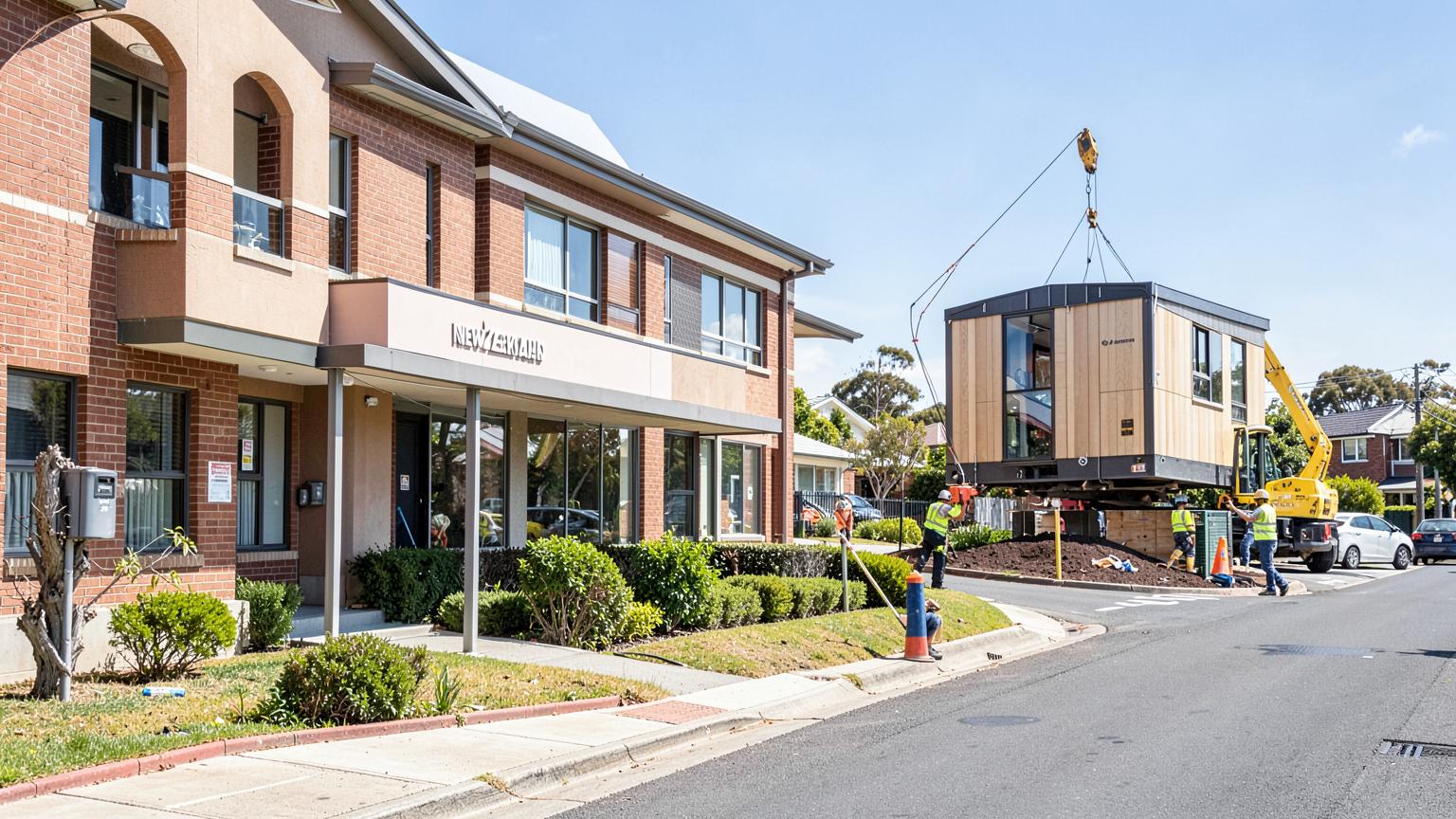
Prefab covers everything from a flat-pack kitset you bolt together yourself to a fully finished unit craned onto piles in an afternoon.
We compare the build methods, the specs that matter in a New Zealand climate, and the questions that separate a good supplier from a risky one.

Comparing concrete, timber, cabins, containers and pre-built expandable homes for building on family land — cost, setup time and what lasts in island conditions.

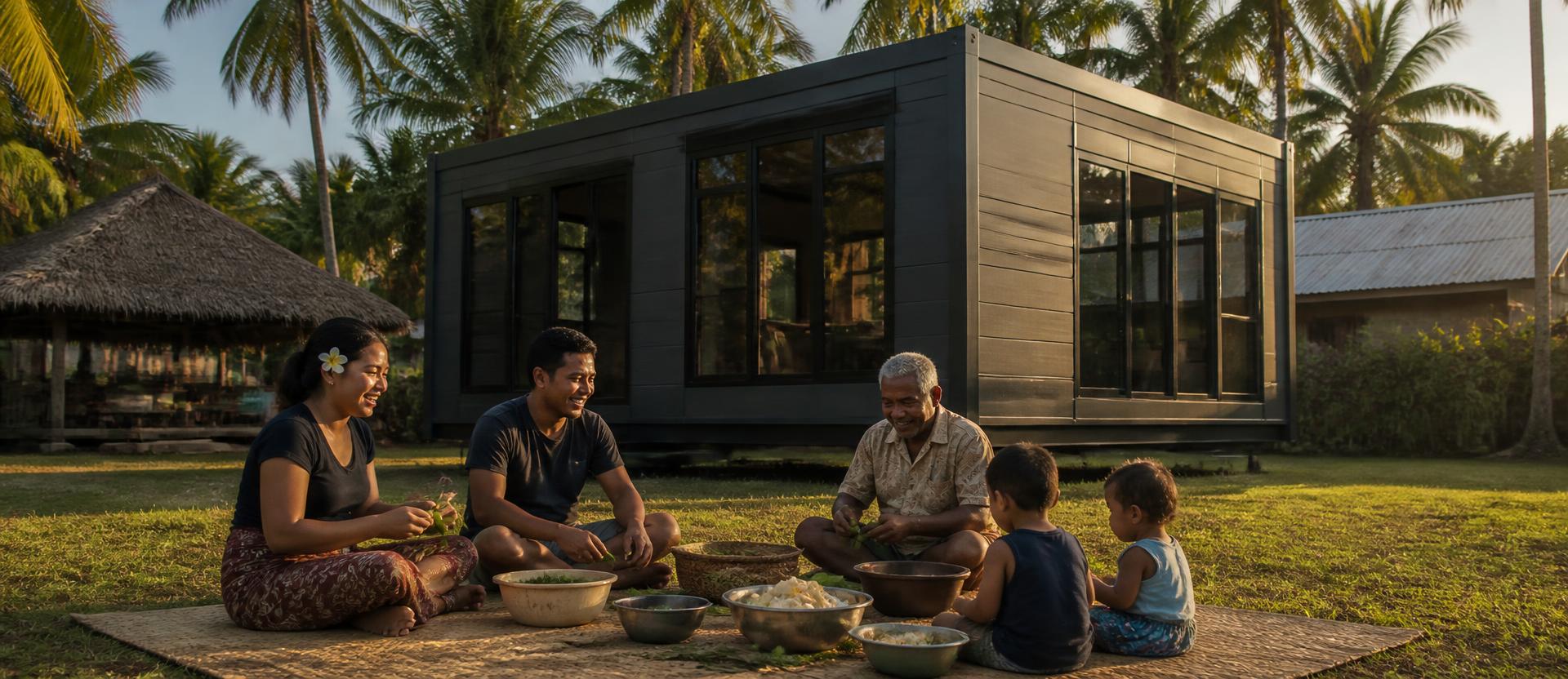
Missing materials, vanished builders and customs delays. How Pacific families are skipping the block-build nightmare with a fully built, climate-ready home delivered to their land.

A calculator built on real NZ short-stay data across all 16 regions — monthly income, payoff time and the ten-year return on a pre-built expandable home.

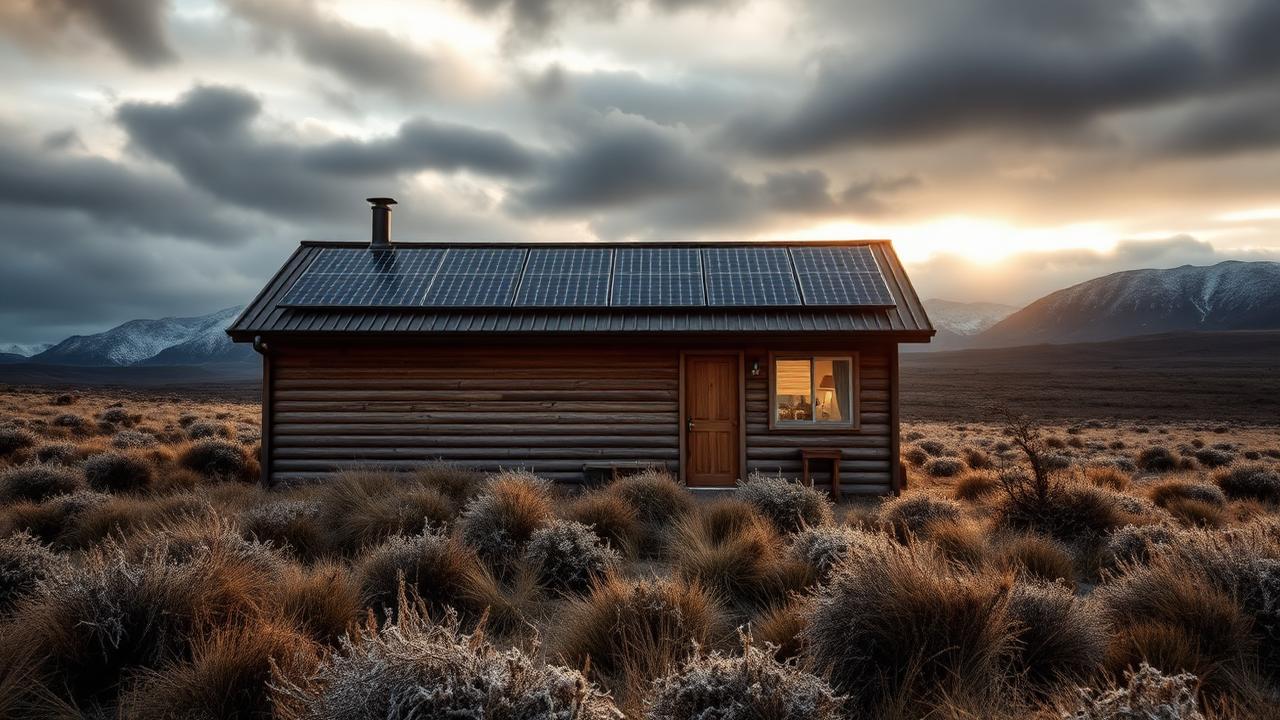
A year of data from a Wānaka cabin shows exactly where the money goes — and why a well-designed off-grid setup performs better than most people expect.

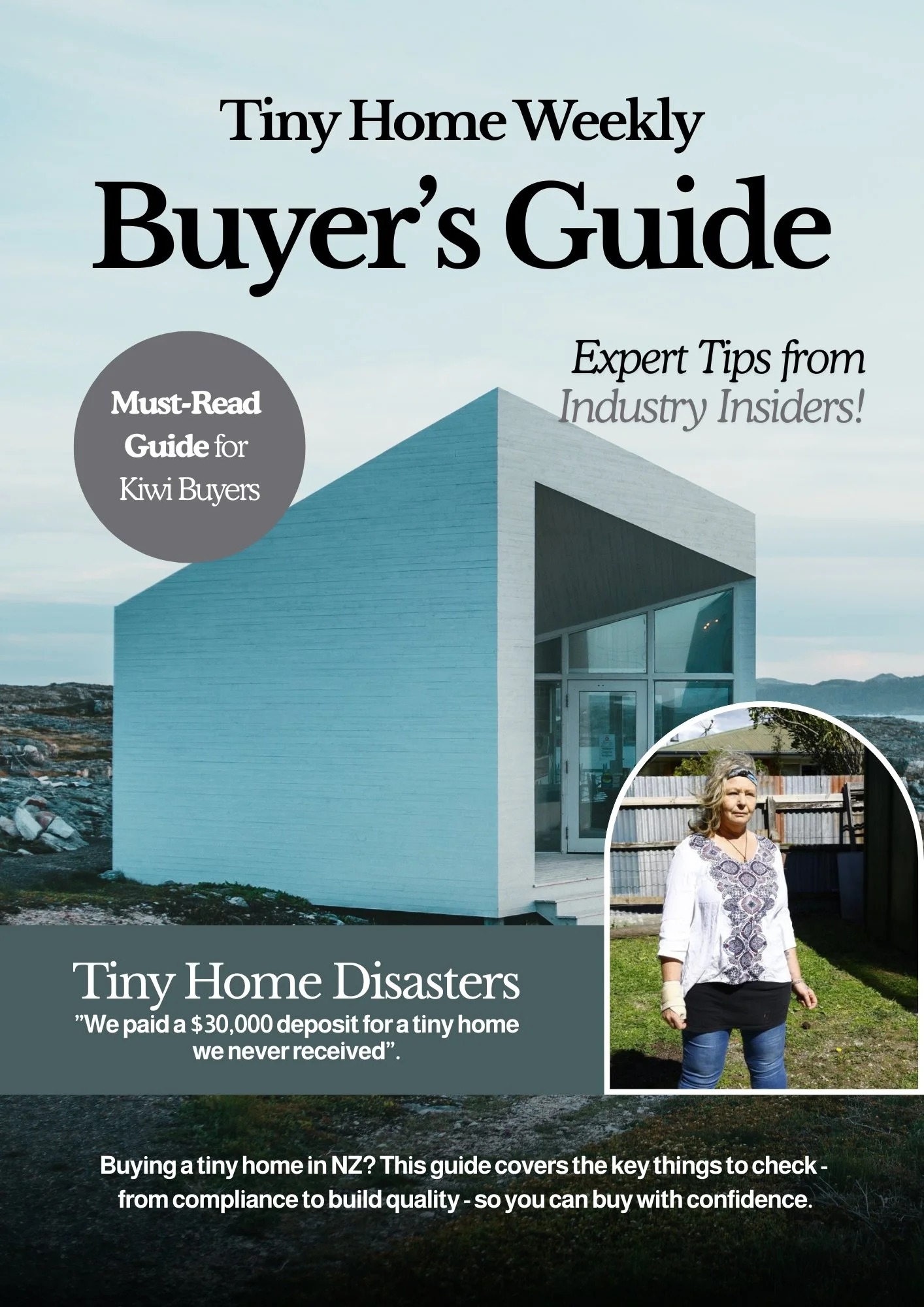
Several New Zealand tiny-home companies have collapsed in recent years, sometimes taking customer deposits with them. This is the part of the industry we'd rather not write about — and exactly why we do.

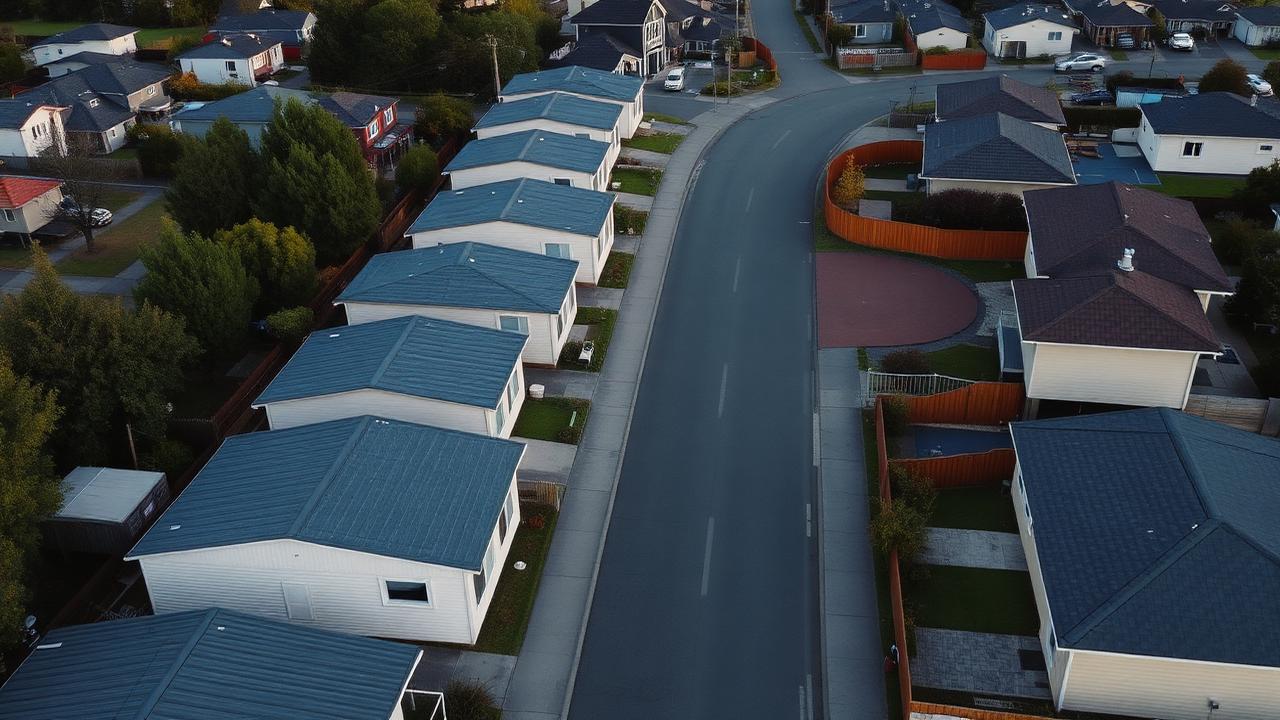
Political appetite is finally aligning with a mature supply chain. Tiny and prefab homes are ready to play a much bigger role in the Kiwi housing mix.

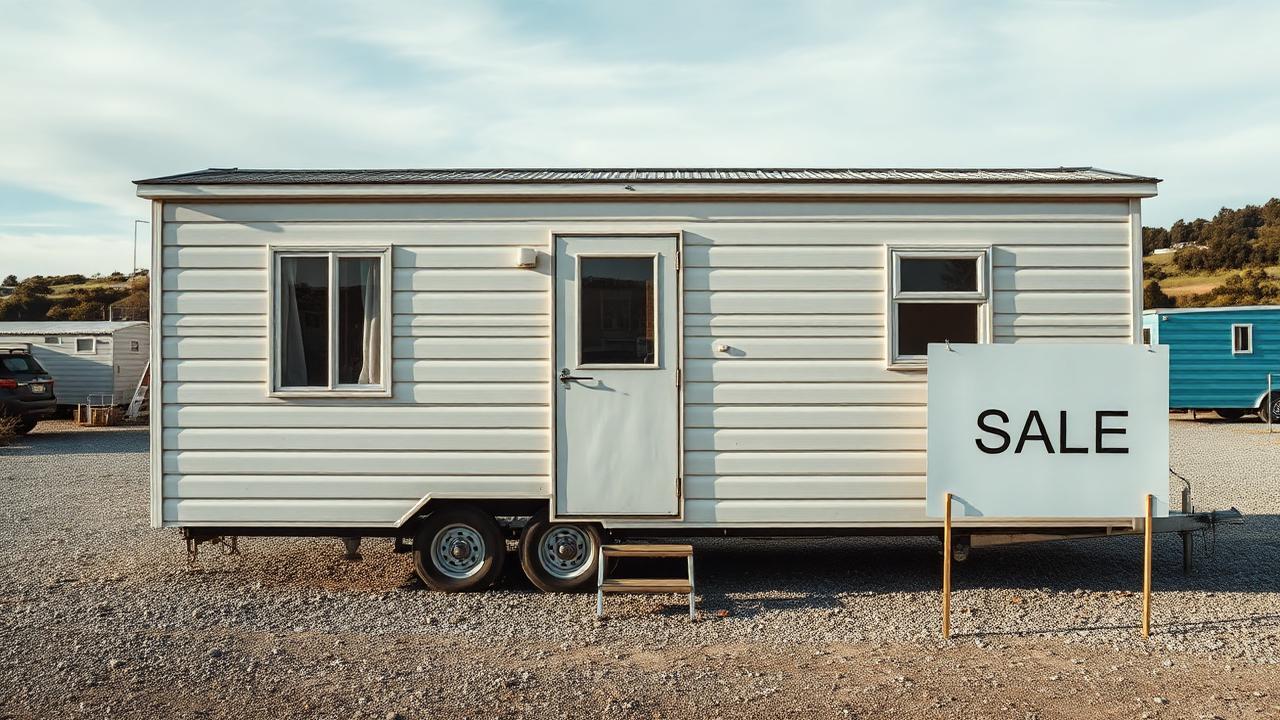
Good used tiny homes sell fast in New Zealand — often within days. What happens to their value over time is a more nuanced story than either the boosters or the sceptics admit.

Building small is one of the most effective environmental decisions available to a homeowner. It's also not automatic — a badly specified tiny home can underperform a well-built house.

With the median well out of reach for many, a compact home offers a genuine way in — but only if you go in with your eyes open. Here's the honest case, and the catches.

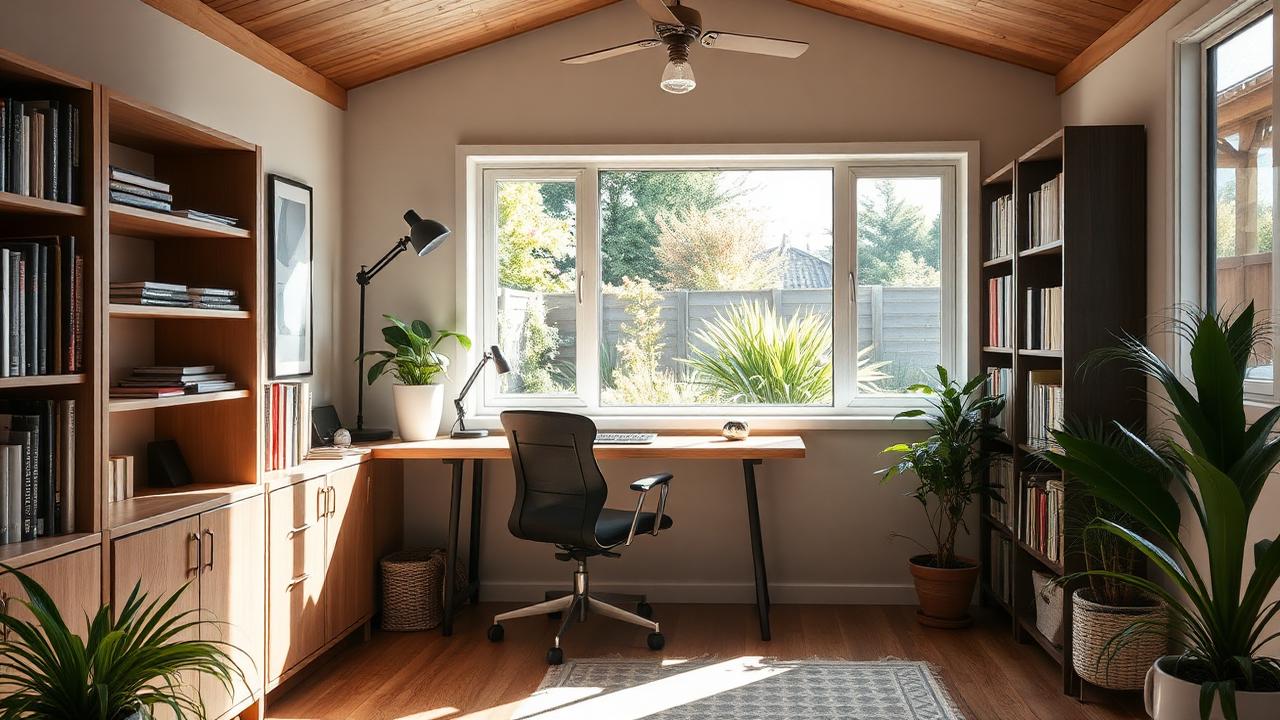
Working from the kitchen table stopped being charming around 2021. A purpose-built studio at the end of the garden is the version that actually works — and it's the fastest-growing use of small buildings in New Zealand.

Two quotes for the same size home can differ by tens of thousands of dollars and both be honest. The difference is almost always in what the word "turnkey" is doing.

A kitset can save you a meaningful share of the build cost. It can also consume two years of weekends and cost more than a finished home. Which one happens is fairly predictable.

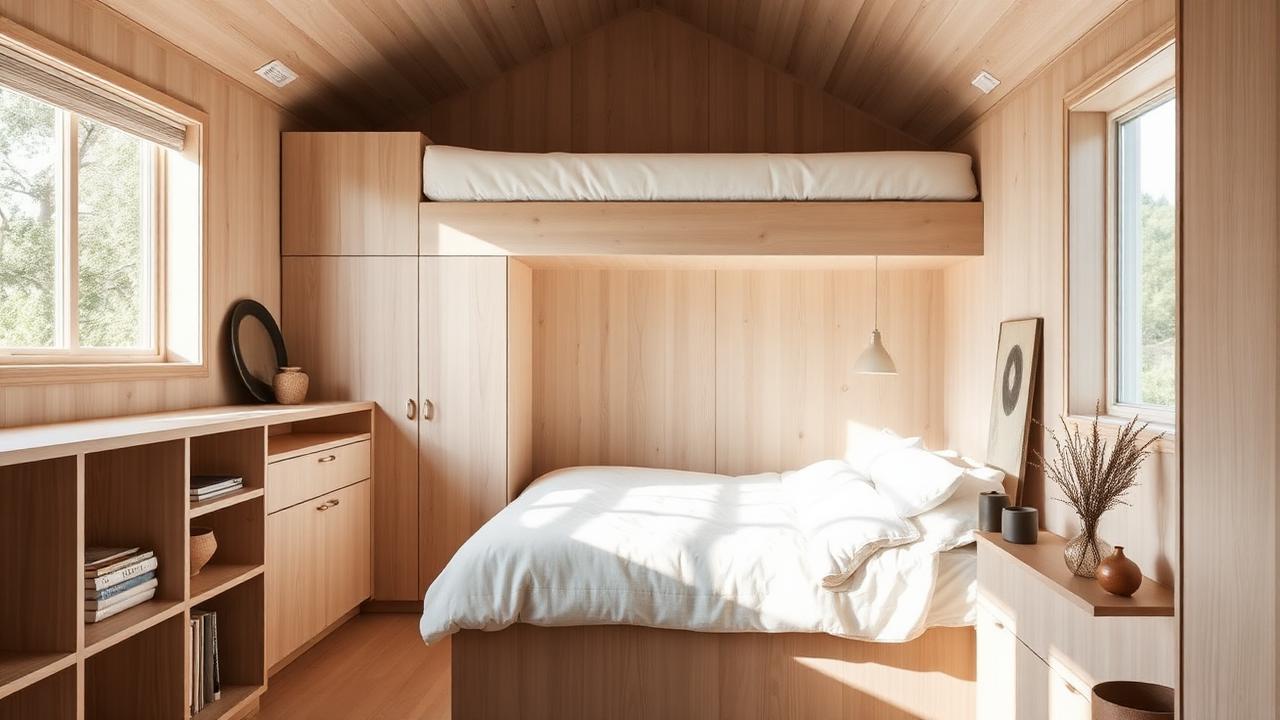
Small-home interiors have moved on from the fold-everything-away gymnastics of a decade ago. The current thinking is calmer, more built-in, and considerably more liveable.

Imported cabins can cost a fraction of a locally built home. The gap is real, and so are the reasons for it — most of which only become visible after delivery.


Get our free guide to compare your options — before you spend thousands.