News
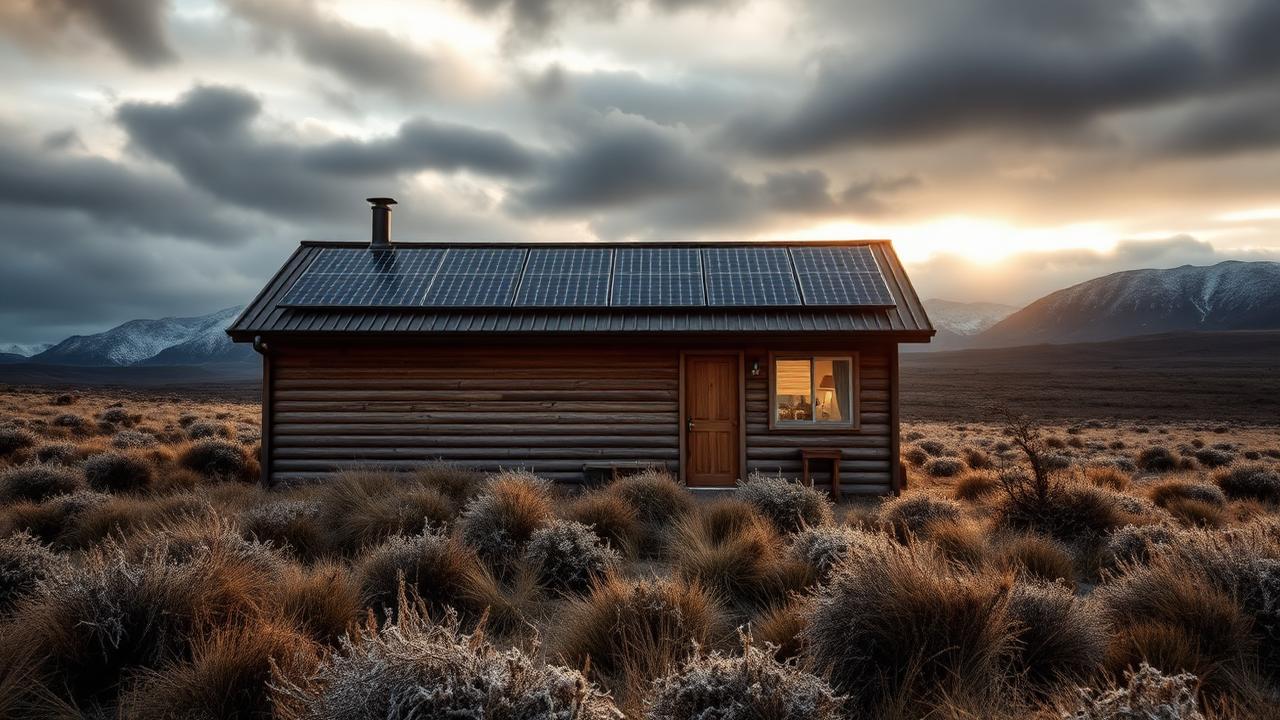
What off-grid actually costs through a Southland winter
A year of data from a Wānaka cabin shows exactly where the money goes — and why a well-designed off-grid setup performs better than most people expect.
Solar, batteries, rainwater, composting toilets and greywater — the systems that keep a home running without a connection.
Going off-grid in New Zealand is a systems problem: enough panels for a Southland July, enough tank for a dry Northland February, and a waste system your council will sign off on.
These stories cover what people actually installed, what it cost, and what they would change.
A year of data from a Wānaka cabin shows exactly where the money goes — and why a well-designed off-grid setup performs better than most people expect.
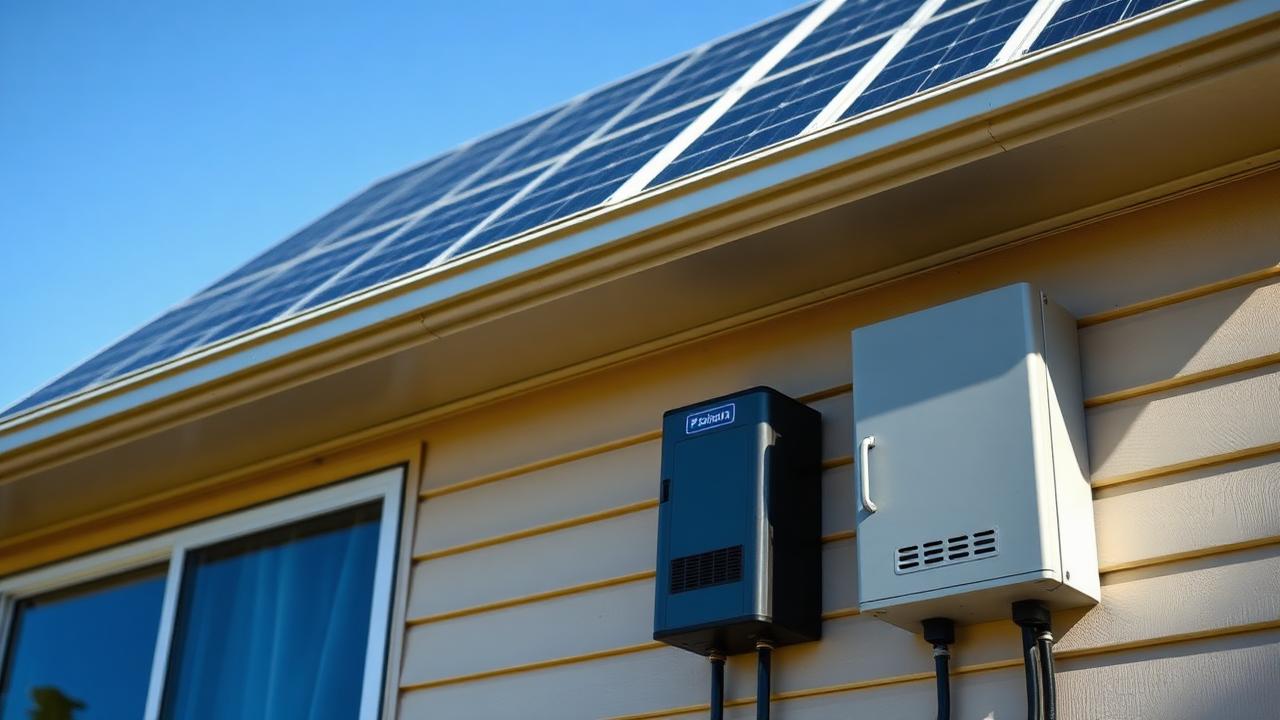
A tiny home is small enough that solar can realistically carry it. The trick is sizing the system for June, not for January.
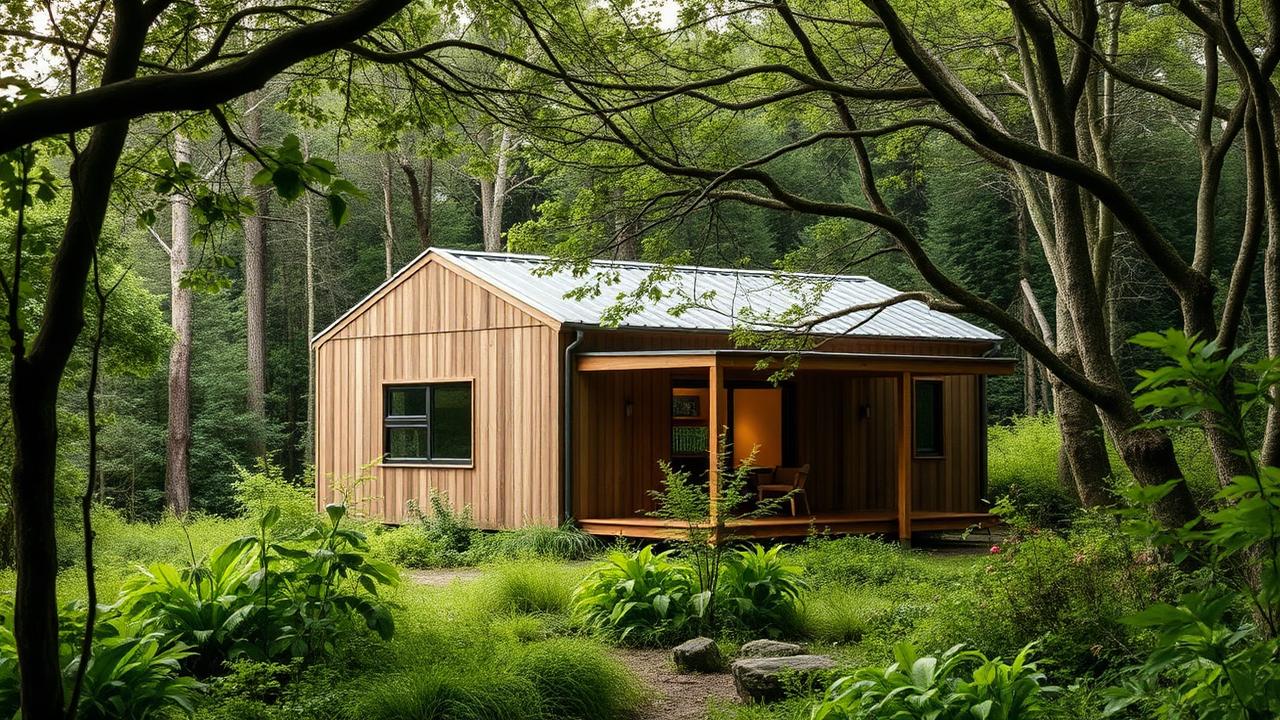
Building small is one of the most effective environmental decisions available to a homeowner. It's also not automatic — a badly specified tiny home can underperform a well-built house.
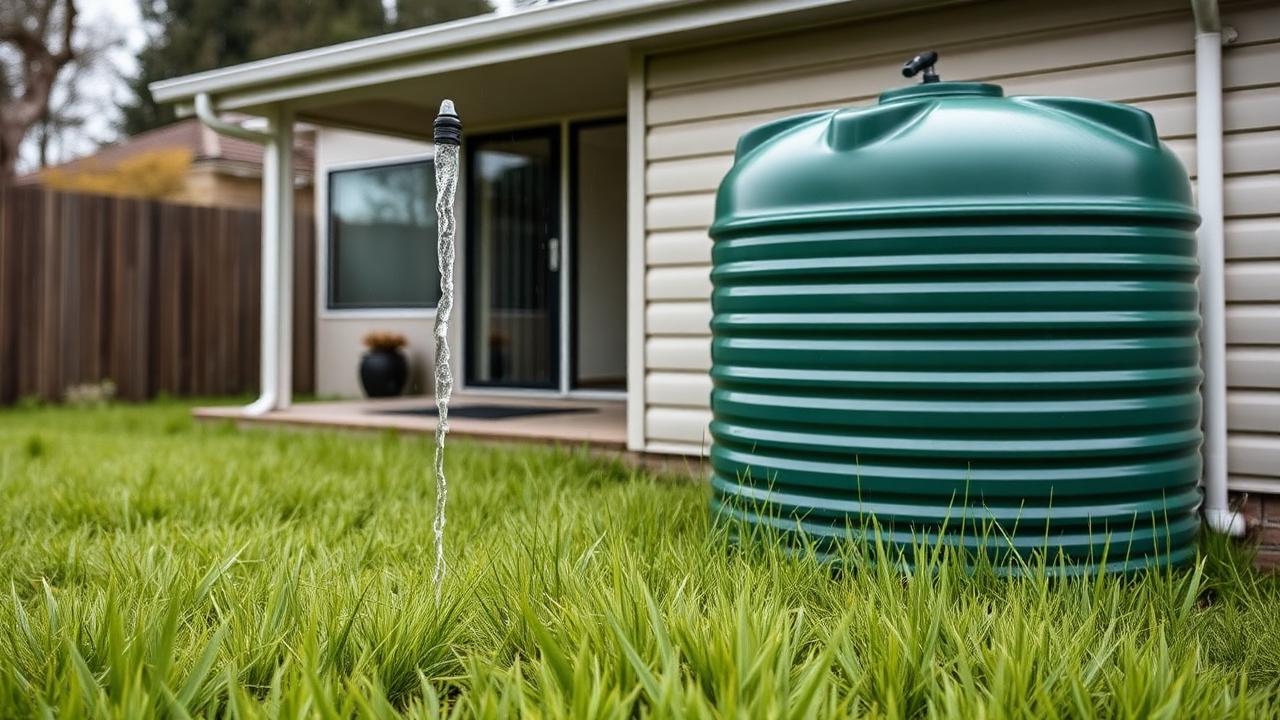
A small roof collects less water than a big one, which makes tank sizing a real calculation rather than a guess. The good news is that small households use remarkably little.
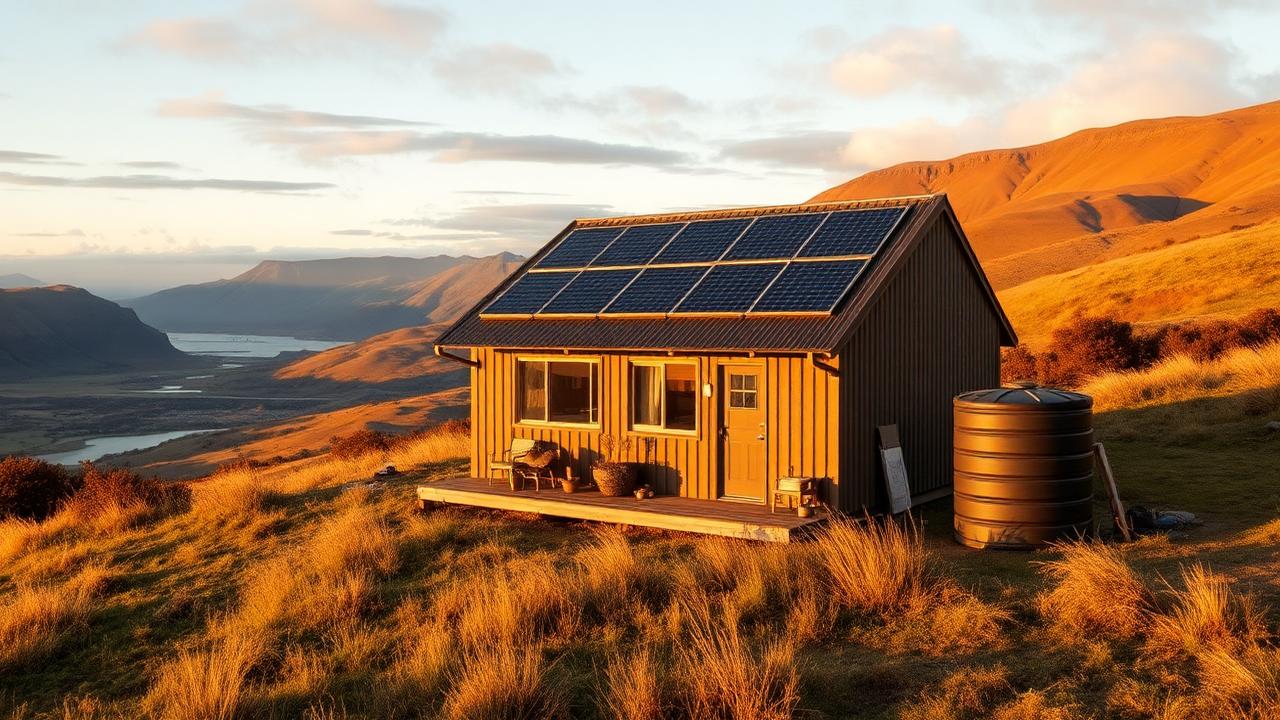
Solar, rainwater and a smaller footprint were once a fringe choice. In 2026, with rural building rules loosening, self-sufficient tiny living is going mainstream — and it makes more sense than ever.
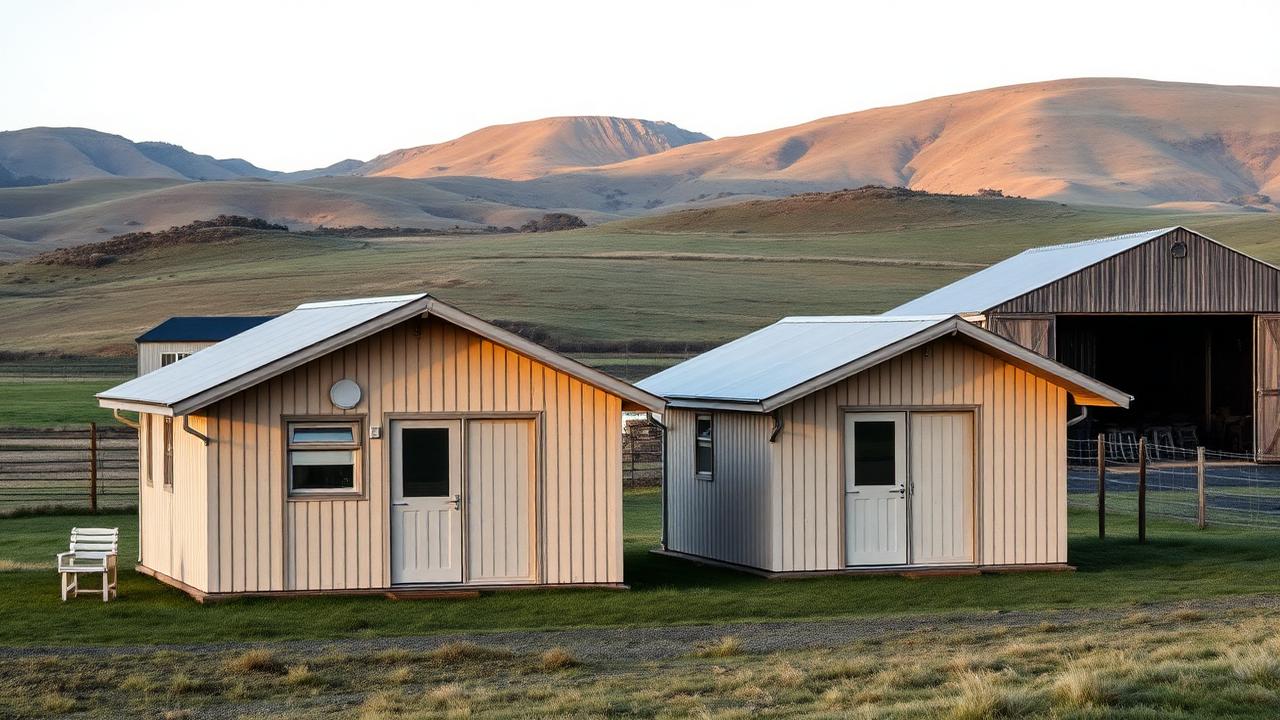
Getting good staff onto a farm has become a housing problem as much as a wages problem. A growing number of farm owners are solving it with transportable homes.
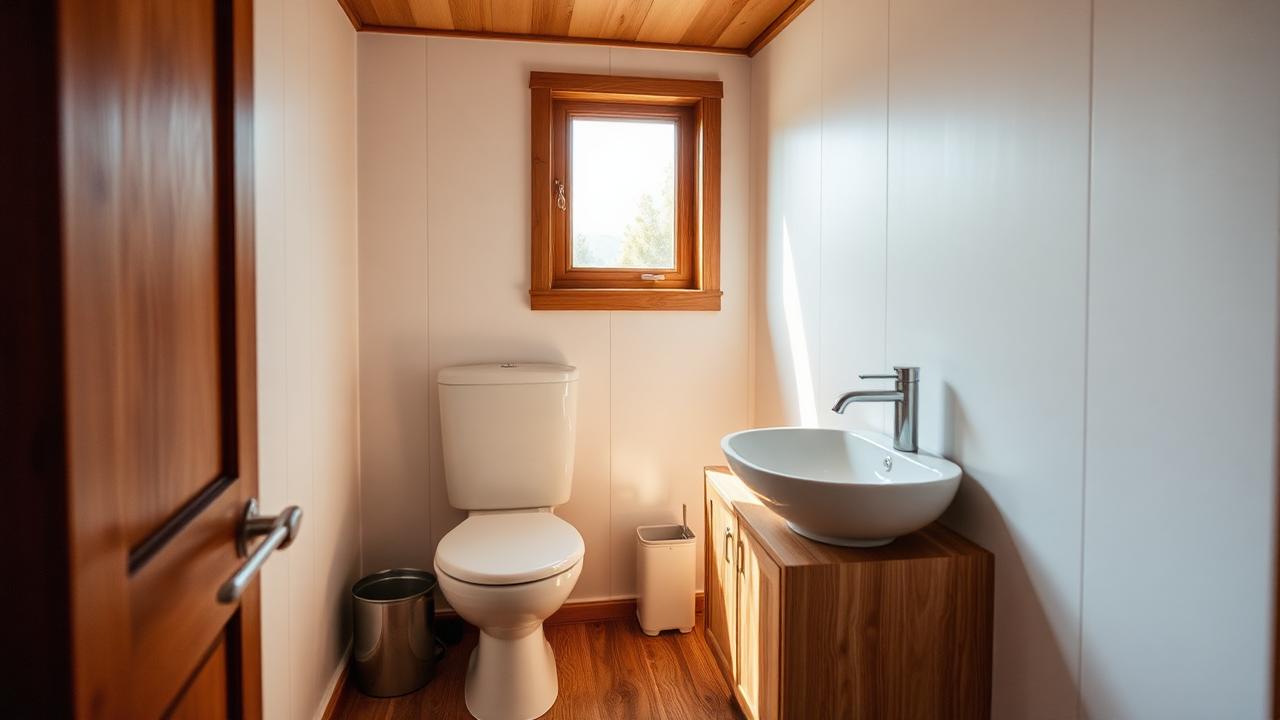
It's the question everyone asks and nobody wants to ask first. Here's how these systems actually work day to day — the good, the honest and the smelly.

Get our free guide to compare your options — before you spend thousands.