You've Already Won the Hardest Part.
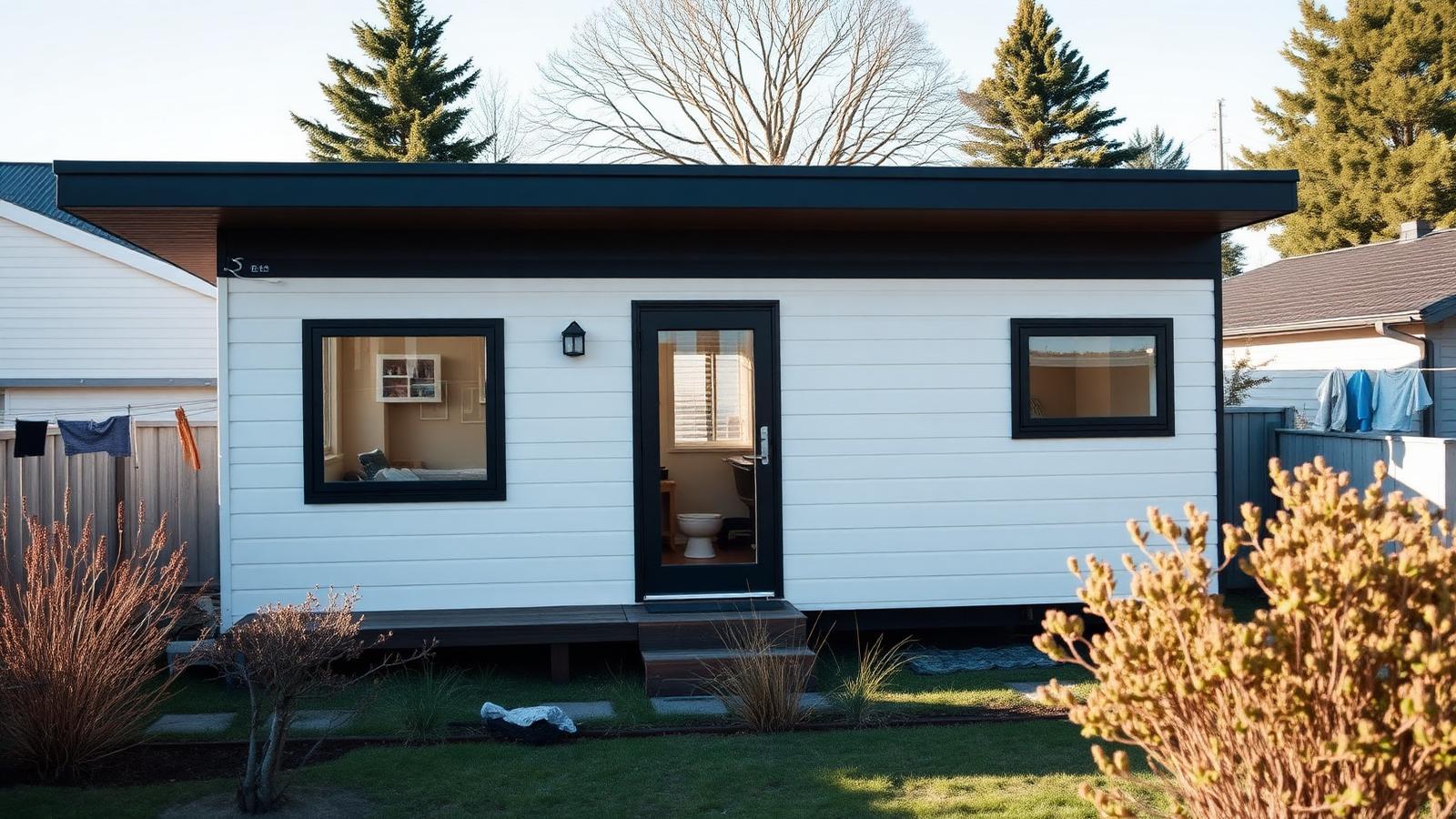
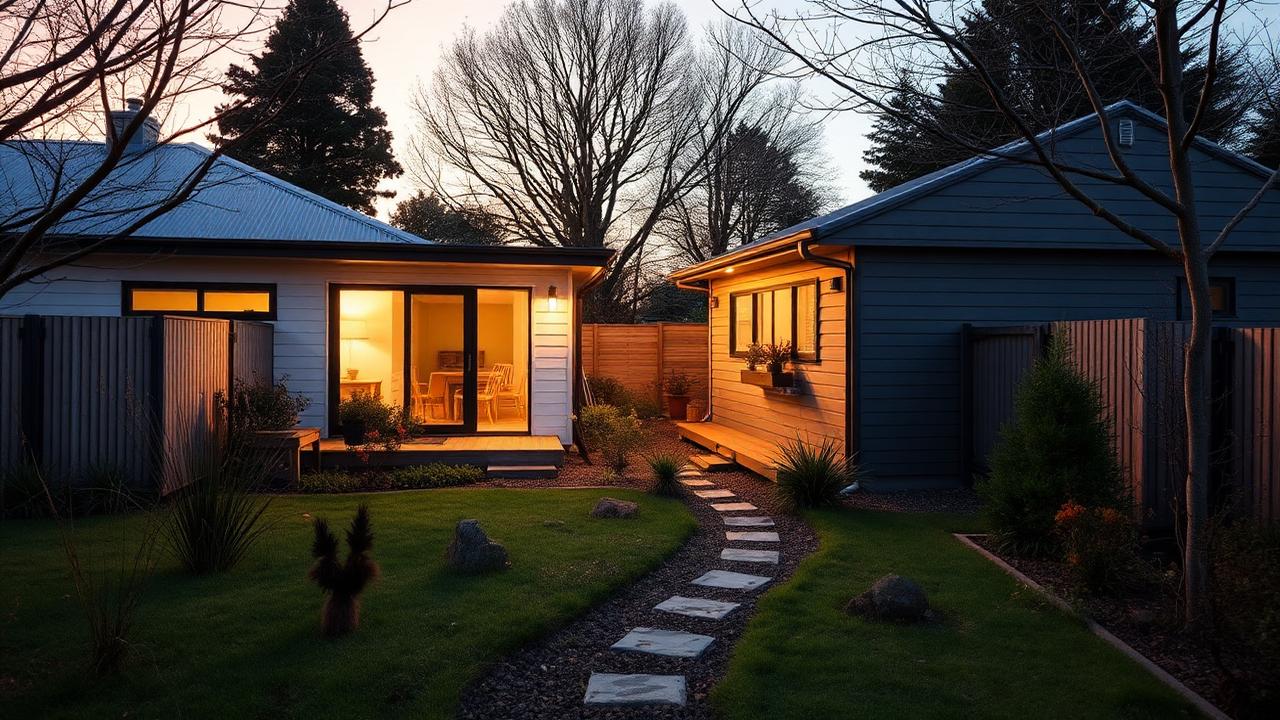
Build costs are high and builders are booked out — but none of that matters as much when you already own the land. Seven ways Kiwis are using sections they already have.
Consents, exemptions, minor dwellings and the paperwork that decides whether your build is legal.
Whether your tiny home needs a building consent depends on how it is built, how it sits on the ground, and what your district plan says about additional dwellings.
We track the rule changes as they land and translate them into plain English for people who just want to know if they can put a home in the back paddock.

Build costs are high and builders are booked out — but none of that matters as much when you already own the land. Seven ways Kiwis are using sections they already have.

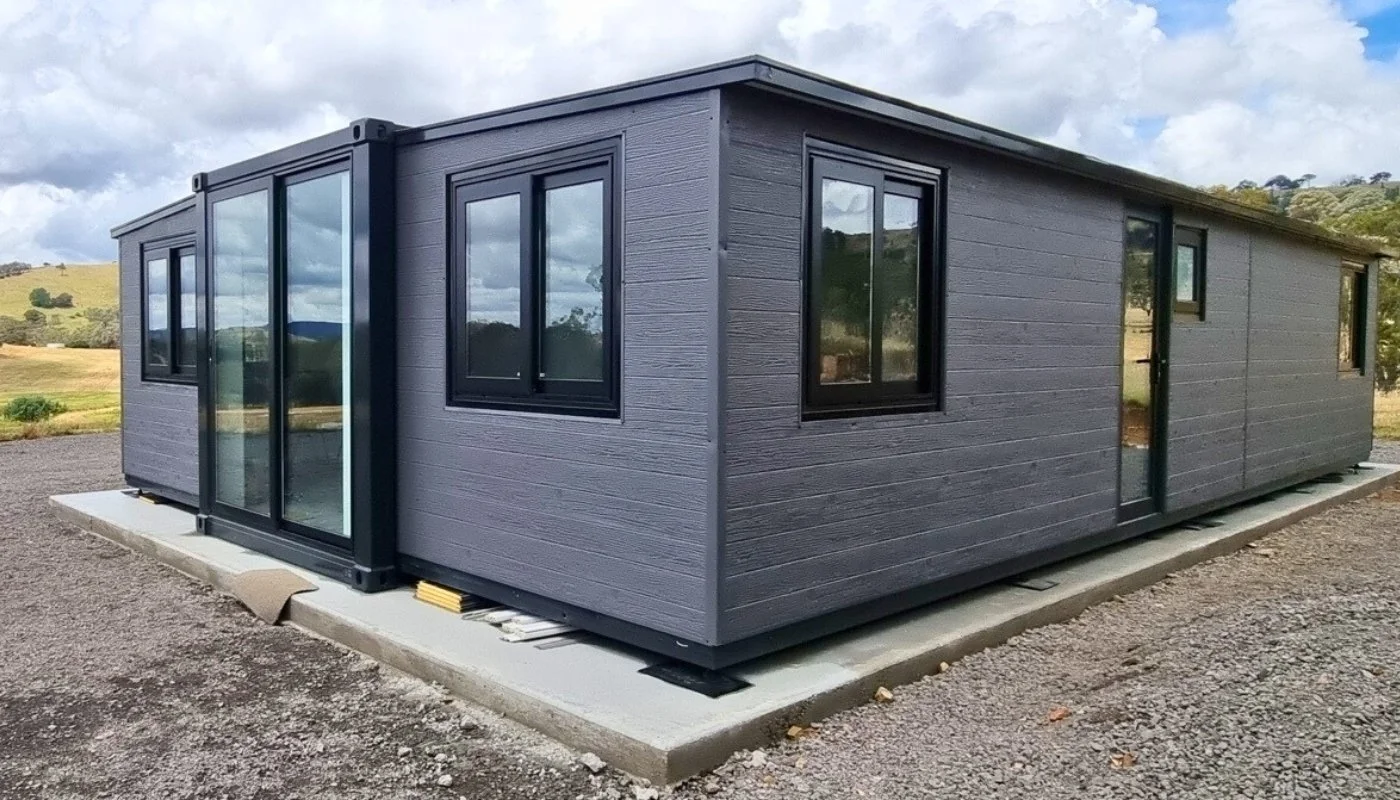
Political appetite is finally aligning with a mature supply chain. Tiny and prefab homes are ready to play a much bigger role in the Kiwi housing mix.

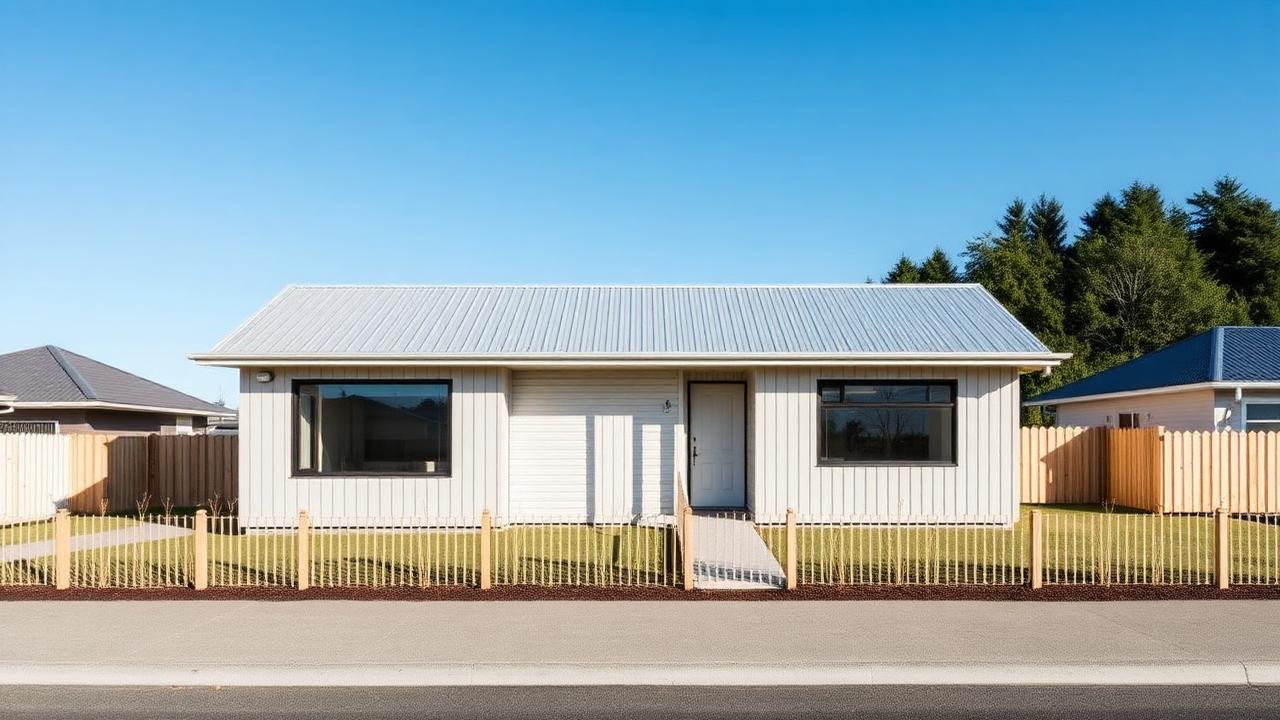
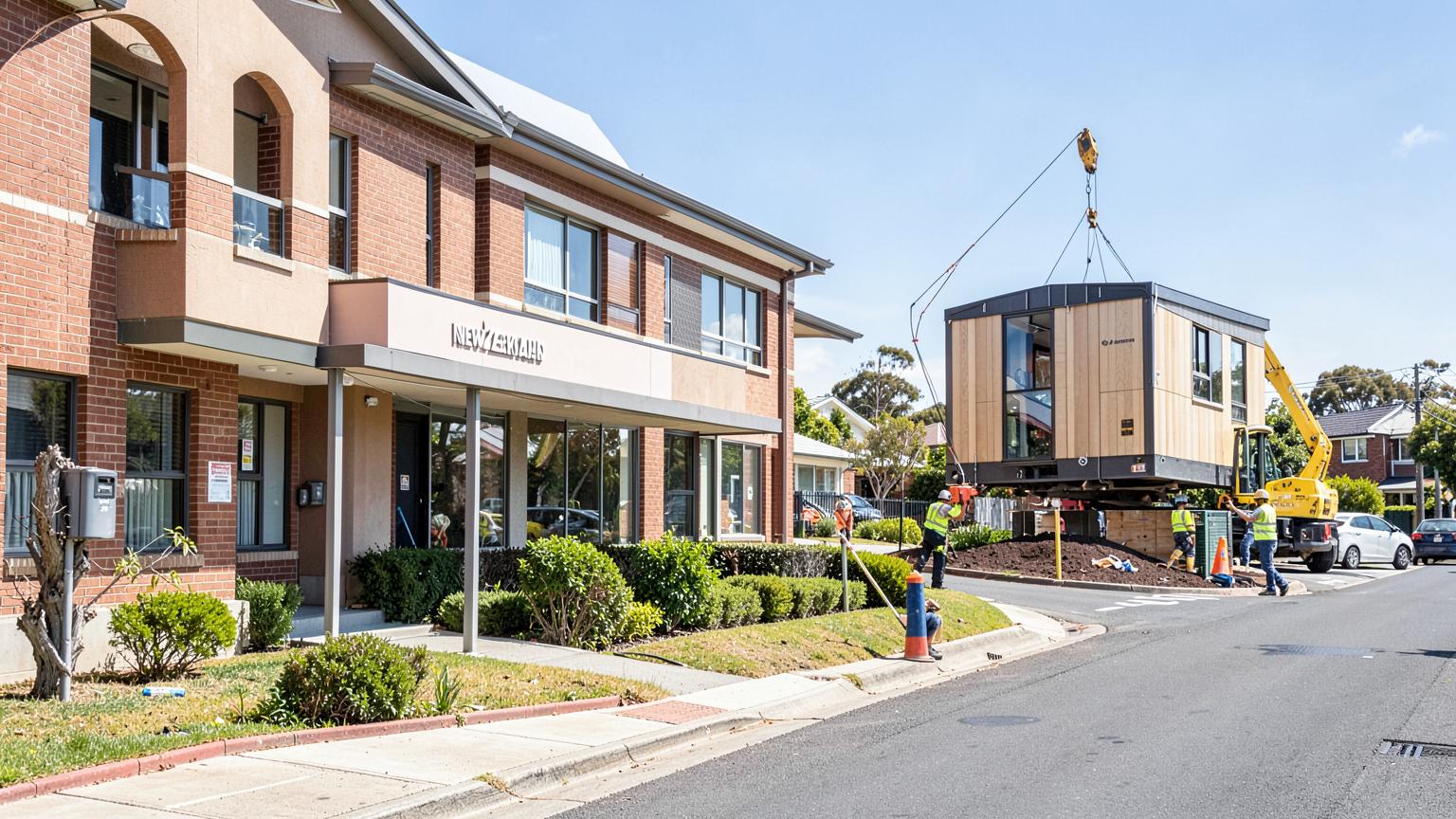
From 15 January, New Zealanders can build a self-contained home up to 70 square metres without a building consent. For the tiny-home movement, it is the moment the rules finally caught up with reality.

With residential aged care running into tens of thousands of dollars a year, more families are looking at a compact home in the backyard. The 2026 law change just made that far easier.

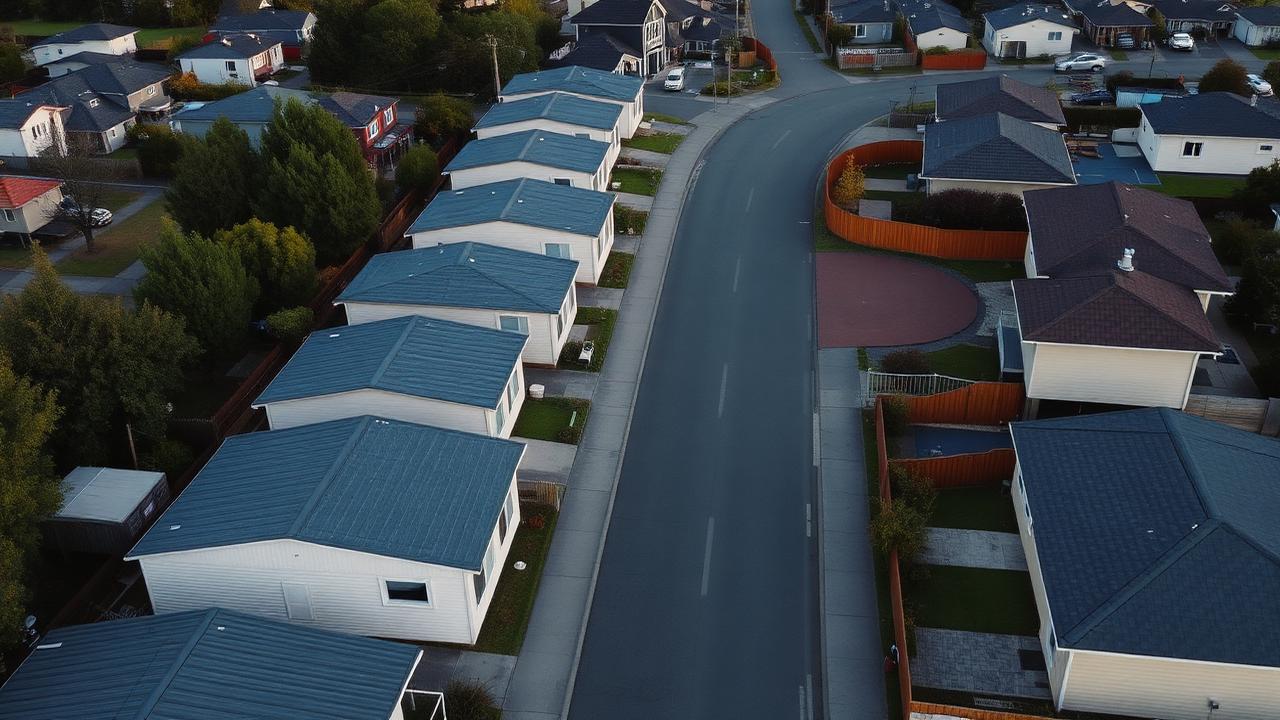
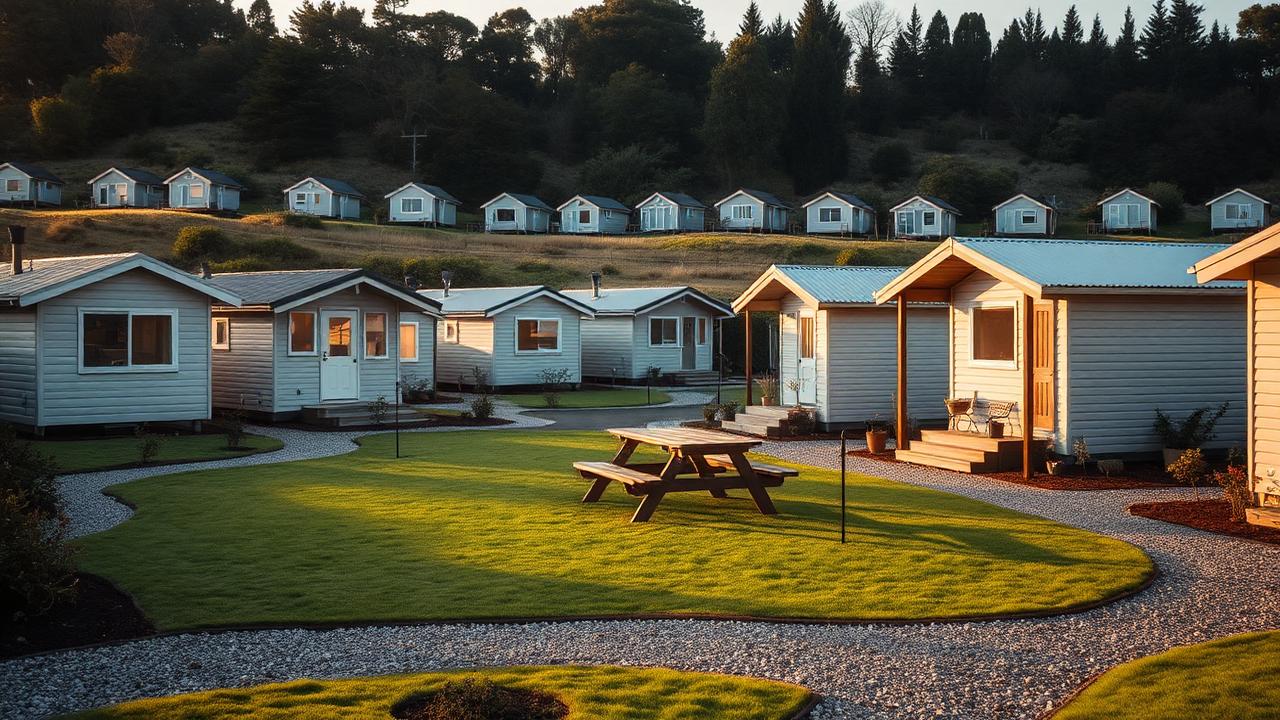
Clusters of small homes sharing land, services and a vegetable garden solve tiny living's hardest problem. They also introduce a new one: you now have neighbours with opinions.

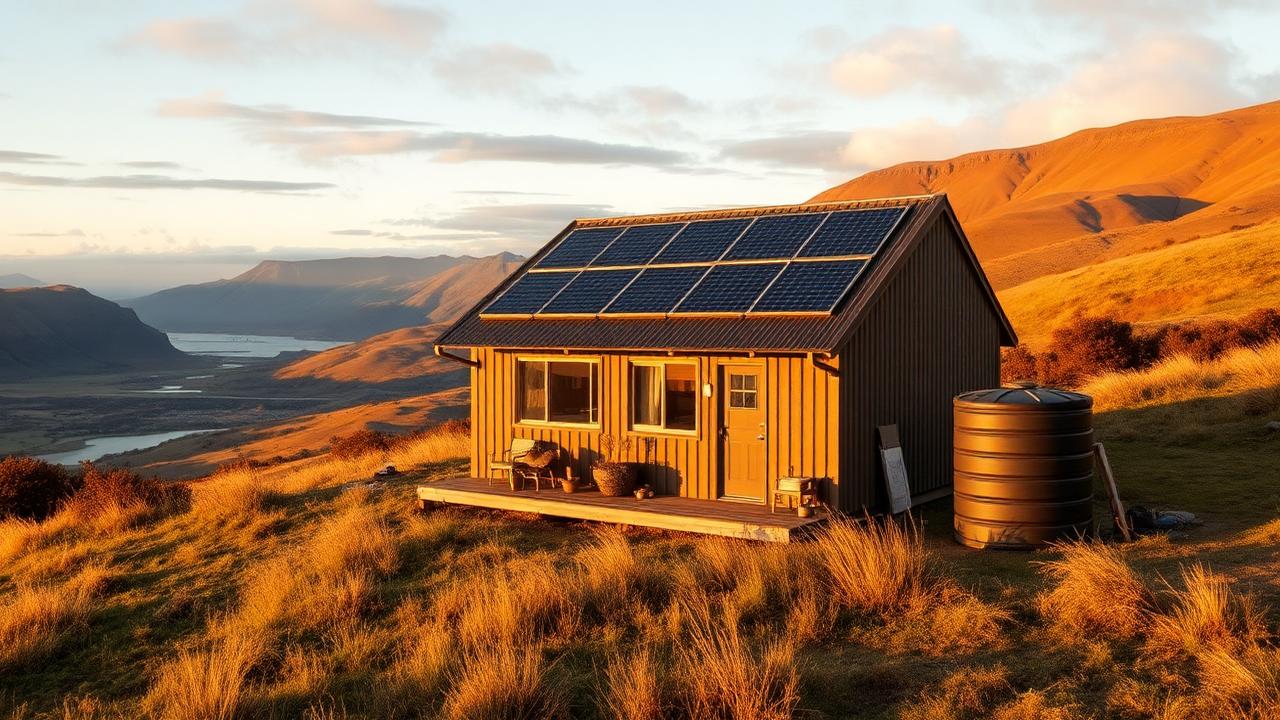
Solar, rainwater and a smaller footprint were once a fringe choice. In 2026, with rural building rules loosening, self-sufficient tiny living is going mainstream — and it makes more sense than ever.


Get our free guide to compare your options — before you spend thousands.